Cannabis terminology can be overwhelming for new consumers. This glossary defines 120+ essential terms including cannabinoids (THC, CBD), consumption methods (vaping, edibles), and industry concepts to help you navigate dispensaries and products confidently.
Why Cannabis Terminology Matters
Cannabis terminology can feel overwhelming when you first step into a dispensary or browse online menus. Understanding the language helps you:
- Communicate effectively with budtenders and medical professionals
- Make informed decisions about products and consumption methods
- Navigate dispensary menus with confidence
- Understand product labels and lab results
- Find products that match your needs and preferences
- Stay safe by recognizing quality indicators and potential issues
This glossary provides clear, accurate definitions for over 120 cannabis terms, from basic concepts to advanced cultivation and processing terminology. Whether you're a first-time consumer or an experienced enthusiast, this guide will enhance your cannabis knowledge.
Cannabis 101: Understanding the Basics
What is Cannabis?
Cannabis is a plant species that includes three main varieties: Cannabis sativa, Cannabis indica, and Cannabis ruderalis. Each variety has unique characteristics and effects. The cannabis plant contains hundreds of compounds, including cannabinoids (like THC and CBD), terpenes (aromatic compounds), and flavonoids, all contributing to its diverse effects and therapeutic benefits.
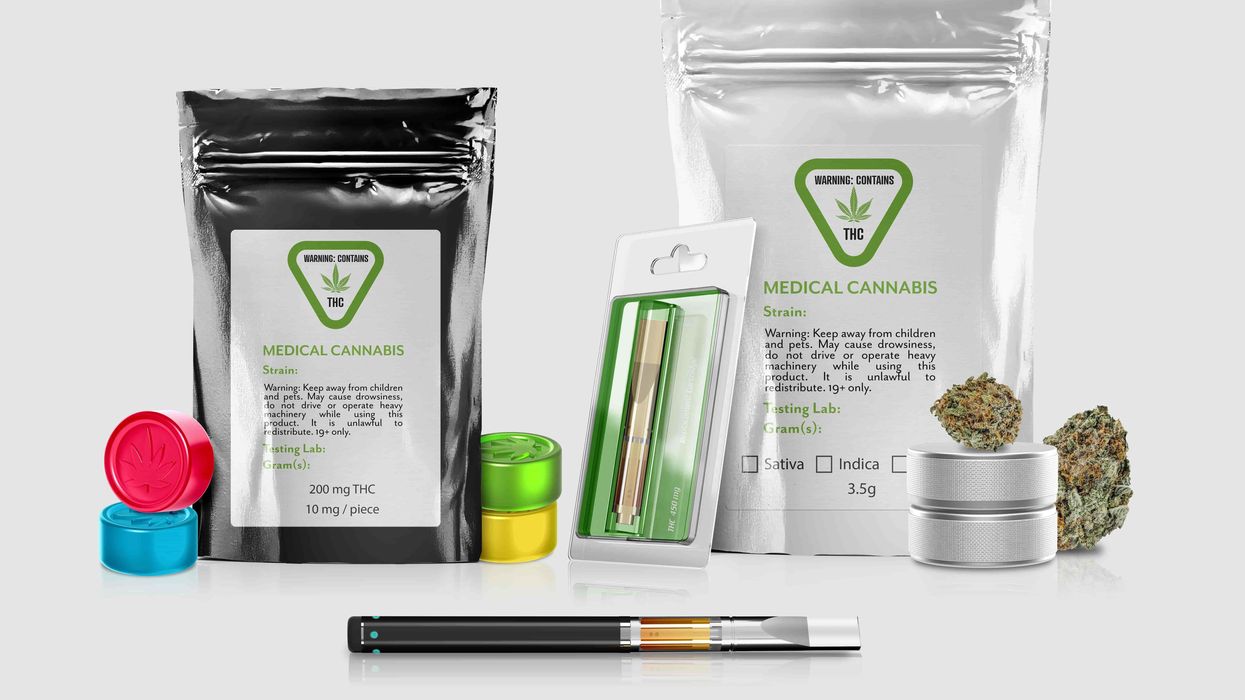
Cannabis is cultivated for both medicinal and recreational purposes and can be consumed in multiple forms, including dried flower, concentrates, edibles, tinctures, and topicals.
The Difference Between Indica, Sativa, and Hybrid
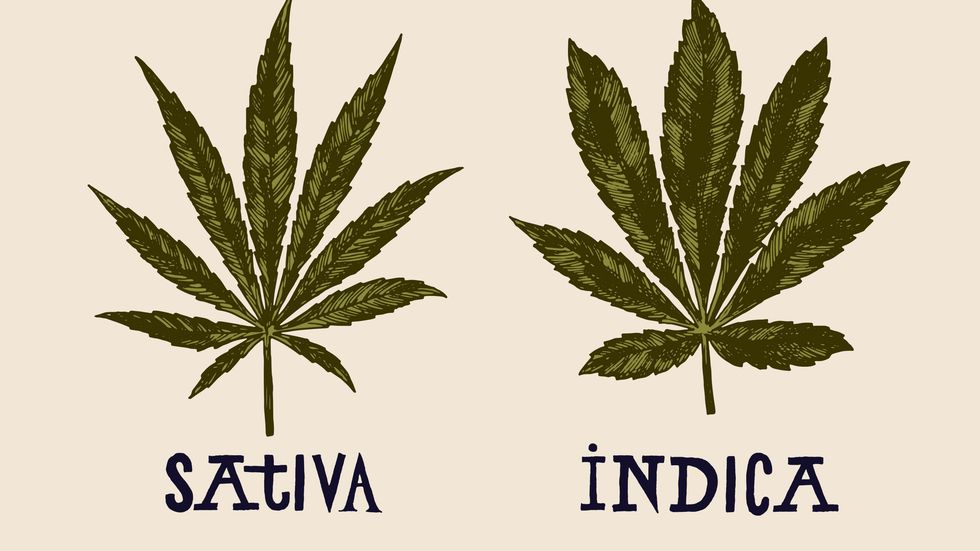
Indica strains traditionally produce relaxing, body-focused effects and are often recommended for evening use, pain relief, and sleep support.
Sativa strains typically deliver energizing, cerebral effects suitable for daytime use, creativity, and social activities.
Hybrid strains blend indica and sativa genetics, offering balanced effects that combine characteristics of both varieties.
Important note: Modern cannabis science suggests that effects are more accurately predicted by a strain's specific cannabinoid and terpene profile rather than its indica/sativa classification alone.
Key Cannabinoids Explained
THC (Tetrahydrocannabinol) is the primary psychoactive cannabinoid responsible for the "high" associated with cannabis.
CBD (Cannabidiol) is non-intoxicating and widely used for therapeutic benefits including anxiety relief, pain management, and inflammation reduction.
Other important cannabinoids include CBG (the "mother cannabinoid"), CBN (associated with sedation), and THCA (the non-psychoactive acid form of THC).
Complete Glossary
A
- Adult-Use Cannabis
Cannabis consumed recreationally by adults over the legal age (typically 21+), as opposed to medical cannabis requiring a physician's recommendation. - Aroma
The smell profile of a cannabis strain, ranging from earthy, sweet, and citrusy to skunky, piney, or diesel-like. Terpenes are responsible for these distinctive aromas. - Autoflowering
Cannabis plants that automatically transition from vegetative growth to flowering stage based on age rather than light cycle changes. These plants typically contain Cannabis ruderalis genetics.
B
- BHO (Butane Hash Oil)
A concentrated cannabis extract made using butane as a solvent to extract cannabinoids and terpenes. Also called dabs, wax, or shatter depending on texture. - Bioavailability
The percentage of cannabinoids that actually enter your bloodstream and produce effects. Different consumption methods have varying bioavailability rates: smoking/vaping (10-35%), edibles (4-12%), sublingual (12-35%). - Bud
The flower of the female cannabis plant, containing the highest concentration of cannabinoids and terpenes. This is the most commonly consumed part of the plant. - Budtender
A knowledgeable staff member at a licensed cannabis dispensary who helps customers select appropriate products based on their needs, preferences, and experience level.
C
- Cannabinoids
Chemical compounds found in cannabis that interact with the body's endocannabinoid system to produce various effects. Over 100 different cannabinoids have been identified, with THC and CBD being the most well-known. - Cannabinoid Profile
The unique combination and ratios of different cannabinoids present in a specific cannabis strain or product. This profile significantly influences the effects you'll experience. - Cannabis Consumer
Individuals who purchase and use cannabis products for recreational or medicinal purposes. Understanding consumer demographics helps dispensaries with inventory management and personalized recommendations. - Cannabis Industry
The regulated sector encompassing cultivation, processing, testing, distribution, and retail sale of cannabis products. The industry operates under strict state and local regulations. - Cannagar
A cannagar (or "cannabis cigar") is a premium, tightly-packed roll of cannabis flower wrapped in cannabis leaves instead of tobacco. The term blends "cannabis" and "cigar." - CBD (Cannabidiol)
A non-psychoactive cannabinoid widely used for therapeutic benefits including anxiety reduction, pain relief, inflammation management, and seizure control. CBD does not produce intoxication. - CBG (Cannabigerol)
Often called the "mother cannabinoid" because other cannabinoids are derived from its acidic form (CBGA). CBG is non-intoxicating and studied for potential anti-inflammatory, neuroprotective, and antibacterial properties. - CBN (Cannabinol)
A mildly psychoactive cannabinoid that develops as THC degrades over time through exposure to heat, light, or oxygen. CBN is associated with sedative effects and often found in aged cannabis. - Chazzed Banger
A dabbing nail (typically quartz) that has become discolored and covered with carbon buildup from repeated high-temperature dabs. This affects flavor and requires thorough cleaning. - Clone
A cutting taken from a mother plant that is genetically identical to its parent. Clones allow growers to reproduce plants with desirable characteristics. - Cola
The main flowering site on a cannabis plant where buds cluster together. The top cola (also called the "main cola" or "apical bud") typically develops the largest, most resinous flowers. - Concentrates
Cannabis products processed to extract and concentrate cannabinoids and terpenes, resulting in highly potent forms like oils, wax, shatter, rosin, and live resin. Concentrates typically contain 60-90%+ THC compared to 15-25% in flower. - Couchlock
A heavy, sedative body effect that makes users feel extremely relaxed or "locked" to their couch. Typically associated with indica-dominant strains high in myrcene. - Cultivar
A specific cannabis strain bred for particular characteristics such as cannabinoid content, terpene profile, growth pattern, or appearance. Used interchangeably with "strain" in cannabis context. - Curing
The post-harvest process of slowly drying cannabis flowers under controlled conditions (typically 2-8 weeks) to preserve cannabinoids and terpenes while removing chlorophyll and excess moisture. Proper curing dramatically improves flavor, smoothness, and effects.
D
- Dabbing
A consumption method involving vaporizing cannabis concentrates on a heated surface (usually a quartz, titanium, or ceramic nail) and inhaling the vapor through a dab rig. - Dab Rig
A specialized water pipe designed specifically for consuming cannabis concentrates. Similar to a bong but features a nail or banger instead of a bowl. - Decarboxylation (Decarbing)
The heating process that converts cannabinoid acids (THCA, CBDA) into their active forms (THC, CBD) by removing a carboxyl group. This is essential for making edibles, as raw cannabis contains mostly inactive cannabinoid acids. - Delta-8 THC
A cannabinoid chemically similar to Delta-9 THC (regular THC) but with slightly different effects, often described as milder and less anxiety-inducing. Delta-8 exists naturally in very small amounts but is often synthesized from CBD. - Dispensary
A licensed retail location where consumers can legally purchase cannabis products for recreational or medical use. Dispensaries operate under strict state regulations.
E
- Edibles
Cannabis-infused food and beverage products such as gummies, chocolates, baked goods, beverages, and capsules. Edibles are consumed orally and produce effects that typically begin in 30-90 minutes and last 4-8+ hours. - Eighth
Common cannabis measurement equal to 3.5 grams (one-eighth of an ounce). This is a standard purchase size at dispensaries. - Endocannabinoid System (ECS)
A biological system present in all mammals that regulates various physiological processes including mood, appetite, pain sensation, memory, and immune function. The ECS includes cannabinoid receptors (CB1 and CB2), endogenous cannabinoids, and enzymes. - Entourage Effect
The theory that cannabinoids, terpenes, and other cannabis compounds work synergistically together to produce enhanced or modified effects compared to isolated compounds. This concept supports whole-plant medicine approaches.
F
- Female Cannabis Plant
Female plants produce the resinous flowers (buds) that contain high concentrations of cannabinoids and terpenes. These are the plants harvested for consumption. - Flower
Another term for the dried and cured bud of the cannabis plant, typically smoked, vaporized, or used to make edibles and concentrates. - Flushing
A cultivation technique where growers stop using nutrients and flush plants with plain water during the final weeks before harvest. This helps remove residual nutrients and improve flavor. - Full-Spectrum
Cannabis extracts containing a complete range of cannabinoids, terpenes, and other beneficial compounds from the whole plant, rather than isolating single components. Full-spectrum products are believed to provide enhanced effects through the entourage effect.
G
- Ganjier
A professional cannabis sommelier certified through rigorous training to evaluate cannabis quality, recommend strains, and educate consumers. Similar to wine sommeliers in the alcohol industry. - Greenout
An adverse reaction from consuming too much cannabis, characterized by nausea, dizziness, anxiety, sweating, or disorientation. While not dangerous, greening out is uncomfortable. Symptoms typically resolve within a few hours. - Grinder
A device (typically metal, plastic, or wood) used to break down cannabis flowers into smaller, evenly sized pieces for rolling, packing, or vaporizing. Multi-chamber grinders collect kief in a separate compartment. - Ground Cannabis
Dried cannabis flowers that have been broken down or ground into smaller pieces, making them ready for rolling, packing into pipes, or vaporizing.
H
- Hash (Hashish)
A cannabis concentrate made by compressing or purifying trichomes (resin glands) into a solid or paste-like substance. Traditional hash-making methods include hand-rubbing, dry-sifting, and ice water extraction. - Hemp
A variety of Cannabis sativa containing very low levels of THC (less than 0.3% by dry weight) grown primarily for industrial purposes including fiber, seed oil, CBD production, and textiles. Hemp is federally legal in the United States. - Hermaphrodite
A cannabis plant that develops both male and female reproductive organs. This can occur due to genetics or environmental stress and is undesirable in cultivation because male flowers can pollinate females, producing seeded flowers with lower cannabinoid content. - HTE (High Terpene Extract)
A premium cannabis concentrate that prioritizes preserving the plant's terpene profile during extraction. HTE delivers intense flavors and aromas while maintaining high potency. - Hybrid
A cannabis strain bred by crossing indica and sativa varieties (or other hybrids) to combine desirable traits. Hybrids can be indica-dominant, sativa-dominant, or balanced.
I
- Indica
A cannabis subspecies traditionally known for producing relaxing, body-focused effects. Indica plants are typically shorter and bushier with broader leaves. Commonly recommended for evening use, pain relief, and sleep support. - Infusion
The process of incorporating cannabis into oils, butter, alcohol, or other carrier substances to create ingredients for edibles, tinctures, and topicals. - Isolate (ISO)
A purified form of a single cannabinoid (typically CBD or THC) with all other compounds removed. Isolates are usually 99%+ pure and appear as crystalline powder.
J
- Joint
Cannabis rolled in paper (like a cigarette) for smoking. Joints may contain only cannabis or a mixture of cannabis and tobacco.
K
- Kief
The powdery collection of trichomes that fall off cannabis flowers. Kief is highly potent and can be sprinkled on flower, pressed into hash, or used to make concentrates. Many grinders include a kief catcher compartment.
L
- Landrace Strain
A pure cannabis variety that evolved naturally in a specific geographic region without human intervention or crossbreeding. Examples include Afghan Kush (Afghanistan), Durban Poison (South Africa), and Thai (Thailand). Landrace genetics form the foundation of modern strains. - Live Resin
A premium cannabis concentrate made by flash-freezing freshly harvested cannabis plants before extraction. This process preserves volatile terpenes that would otherwise degrade during traditional drying and curing, resulting in exceptionally flavorful and aromatic concentrates.
M
- Medical Cannabis
Cannabis prescribed or recommended by healthcare providers for treating specific medical conditions such as chronic pain, PTSD, epilepsy, cancer-related symptoms, and many others. Medical cannabis programs typically require patient registration and physician certification. - Medical Marijuana Card
A state-issued identification card that qualifies patients to purchase and possess cannabis for medical purposes according to their state's medical marijuana program. - Microdosing
The practice of consuming very small amounts of cannabis (typically 2.5-5mg THC or less) to experience subtle therapeutic benefits without pronounced intoxication. Popular for managing anxiety, enhancing focus, or promoting creativity. - Moon Rocks
An ultra-potent cannabis product created by coating buds in hash oil or concentrate, then rolling them in kief. Moon Rocks can contain 50%+ THC and should be consumed cautiously. - Mother Plant
A cannabis plant maintained in the vegetative growth stage specifically to provide clones (cuttings). Mother plants allow growers to preserve superior genetics indefinitely. - Munchies
Increased appetite commonly experienced after consuming THC. This effect occurs because THC interacts with receptors in the brain that regulate hunger.
N
- Nanoemulsion
A technology used in some cannabis beverages and edibles that breaks cannabinoids into nano-sized particles, allowing faster absorption and quicker onset of effects (often 15-30 minutes instead of 60-90 minutes). - Node
The point on a cannabis plant stem where leaves and branches emerge. Nodes are important growth indicators and sites where flowers develop during the flowering stage. - Nug
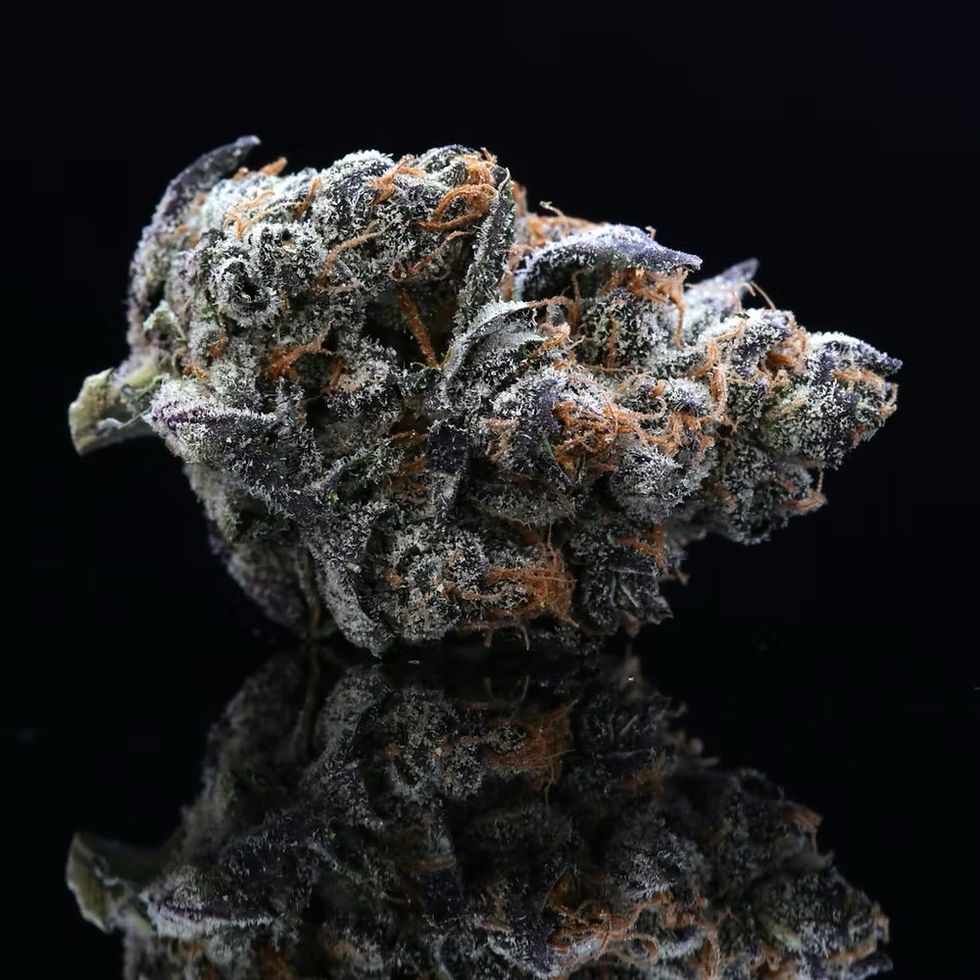
Slang for a high-quality, well-formed piece of cannabis flower. Premium nugs are typically dense, colorful, covered in trichomes, and properly trimmed.
O
- OG
A term appearing in many strain names (like OG Kush), believed to stand for either "Ocean Grown" or "Original Gangster." OG strains are known for their potency and distinctive earthy, pine, and lemon aromas. - Oil
A general term for cannabis concentrates with an oil-like consistency. Cannabis oils can be consumed through vaping, dabbing, oral ingestion, or as ingredients in edibles and topicals. - Ounce
A standard cannabis measurement equal to 28 grams. An ounce is often the maximum legal possession limit in many jurisdictions.
P
- Phenotype
The observable characteristics of a specific cannabis plant, influenced by both genetics and environmental factors (light, nutrients, temperature, humidity). Different phenotypes of the same strain can vary in appearance, aroma, and effects. - Pre-roll
A ready-to-smoke joint that has been professionally rolled and packaged, offering convenience for consumers who don't want to roll their own. - Psychoactive
Substances that affect mental processes, perception, mood, or consciousness. THC is psychoactive, while CBD is not.
Q
- Quarter
Common cannabis measurement equal to 7 grams (one-quarter of an ounce).
R
- Resin
The sticky, sap-like substance produced by cannabis trichomes containing high concentrations of cannabinoids and terpenes. "Live resin" refers to concentrates made from fresh-frozen cannabis. - Rosin
A solventless cannabis concentrate created by applying heat and pressure to cannabis flowers or hash, squeezing out cannabinoid-rich resin. Rosin is prized for its purity and flavor. - Ruderalis
A cannabis subspecies native to Central and Eastern Europe and Russia. Ruderalis plants are small, hardy, and naturally autoflowering with very low THC content. Ruderalis genetics are bred into other strains to create autoflowering varieties.
S
- Sativa
A cannabis subspecies traditionally associated with uplifting, energizing, cerebral effects. Sativa plants are typically taller with narrower leaves and longer flowering times. Often recommended for daytime use and creative activities. - Shatter
A glass-like, brittle cannabis concentrate that's transparent or translucent. Shatter is popular for dabbing due to its high potency (often 70-90%+ THC) and ease of handling. - Solventless
Cannabis concentrates made without chemical solvents, typically using heat, pressure, ice water, or mechanical separation. Examples include rosin, hash, and kief. Solventless products are prized for purity. - Strain
A specific variety or cultivar of cannabis with unique characteristics including appearance, aroma, flavor, effects, and cannabinoid/terpene profile. Popular strains include Blue Dream, Girl Scout Cookies, and Granddaddy Purple.
T
- Terpenes
Aromatic compounds found in cannabis and many other plants that create distinctive scents and flavors. Terpenes also influence cannabis effects through interaction with cannabinoids (the entourage effect). Common cannabis terpenes include myrcene (earthy), limonene (citrus), pinene (pine), and caryophyllene (spicy). - Terpene Profile (Terp Profile)
The specific combination and concentration of terpenes present in a cannabis strain or product. Terpene profiles significantly influence aroma, flavor, and effects. - THC (Tetrahydrocannabinol)
The primary psychoactive cannabinoid in cannabis responsible for producing intoxication or the feeling of being "high." THC also has therapeutic applications including pain relief, appetite stimulation, and nausea reduction. - THCA (Tetrahydrocannabinolic Acid)
The non-psychoactive acid form of THC found in raw cannabis. THCA converts to THC through decarboxylation (heating). Some consumers use raw THCA for potential anti-inflammatory benefits without intoxication. - Tincture
A liquid cannabis extract, typically made with alcohol or oil (MCT, olive, etc.), consumed sublingually (under the tongue) or added to food and beverages. Tinctures offer precise dosing and discreet consumption. - Tolerance
The body's reduced response to cannabis over time with regular use, requiring higher doses to achieve the same effects. Tolerance can be reduced by taking a "tolerance break" (abstaining from cannabis for days or weeks). - Topicals
Cannabis-infused lotions, balms, salves, and transdermal patches applied directly to skin for localized relief from pain, inflammation, or skin conditions. Most topicals don't produce psychoactive effects because cannabinoids don't enter the bloodstream. - Trichomes
Tiny, crystal-like, mushroom-shaped glands on cannabis flowers that produce and store cannabinoids, terpenes, and other compounds. Dense trichome coverage indicates high-quality, potent cannabis. - Trimming
The process of removing excess leaves (sugar leaves and fan leaves) from cannabis flowers after harvest. Proper trimming improves appearance and removes less potent plant material.
V
- Vape Cartridge (Vape Cart)
A pre-filled container of cannabis oil designed to attach to a battery-powered vaporizer pen. Cartridges offer portable, discreet consumption. - Vaporizer (Vape)
A device that heats cannabis flower or concentrates to a temperature where cannabinoids and terpenes vaporize but plant material doesn't combust (burn). Vaporizing is considered healthier than smoking because it produces fewer harmful byproducts.
W
- Wax
A type of cannabis concentrate with a soft, waxy texture similar to lip balm or ear wax. Wax is typically consumed through dabbing or vaporizing and contains 60-80%+ THC. - Whole Plant Extract
A cannabis extract containing the full range of cannabinoids, terpenes, and other compounds from the entire plant rather than isolating specific components. Believed to deliver enhanced effects through the entourage effect.
Z
- Zkittlez
A popular indica-dominant cannabis strain known for its fruity, candy-like aroma and flavor profile with relaxing effects. Winner of multiple cannabis competitions.
_______________________________________________________________________________________________________________________________
Quick Reference Charts
THC vs. CBD: Key Differences
| Characteristic | THC | CBD |
|---|---|---|
| Psychoactive? | Yes - produces intoxication | No - does not cause "high" |
| Legal Status | Restricted (varies by state) | Federally legal if from hemp |
| Medical Uses | Pain, nausea, appetite stimulation | Anxiety, inflammation, seizures |
| Common Side Effects | Anxiety, paranoia (high doses) | Minimal; drowsiness, dry mouth |
| Drug Testing | Will trigger positive result | May trigger if contains trace THC |
Cannabis Measurements
| Term | Amount | Equivalent |
|---|---|---|
| Gram | 1g | Standard single-dose purchase |
| Eighth | 3.5g | 1/8 ounce |
| Quarter | 7g | 1/4 ounce |
| Half Ounce | 14g | 1/2 ounce |
| Ounce | 28g | Legal possession limit in many states |
Consumption Method Comparison
| Method | Onset Time | Duration | Bioavailability | Best For |
|---|---|---|---|---|
| Smoking | 2-10 minutes | 1-3 hours | 10-35% | Immediate effects, social use |
| Vaping | 2-10 minutes | 1-3 hours | 10-35% | Flavor, reduced harm |
| Edibles | 30-90 minutes | 4-8+ hours | 4-12% | Long-lasting relief, discreet |
| Tinctures | 15-45 minutes | 2-4 hours | 12-35% | Precise dosing, fast-acting |
| Topicals | 15-60 minutes | 2-4 hours | N/A (localized) | Localized pain/inflammation |
| Dabbing | Immediate | 1-3 hours | 50-80% | High potency, experienced users |
Common Terpenes and Their Effects
| Terpene | Aroma | Potential Effects | Found In |
|---|---|---|---|
| Myrcene | Earthy, musky | Relaxation, sedation | Mangoes, lemongrass |
| Limonene | Citrus | Mood elevation, stress relief | Lemon, orange peels |
| Pinene | Pine, woody | Alertness, memory | Pine needles, rosemary |
| Caryophyllene | Spicy, peppery | Anti-inflammatory, pain relief | Black pepper, cloves |
| Linalool | Floral, lavender | Calming, anti-anxiety | Lavender, coriander |
| Humulene | Hoppy, earthy | Appetite suppression | Hops, basil |
Frequently Asked Questions
Q: What's the difference between indica and sativa?
Indica strains traditionally produce relaxing, body-focused effects ideal for evening use, while sativa strains tend to be more energizing and cerebral for daytime consumption. However, modern cannabis science suggests that a strain's specific terpene and cannabinoid profile is a more accurate predictor of effects than its indica/sativa classification.
Q: How much cannabis is in an eighth?
An eighth refers to 3.5 grams of cannabis (one-eighth of an ounce). This is one of the most common purchase sizes at dispensaries.
Q: What does 420 mean?
420 is a code term and cultural reference related to cannabis consumption, originating with a group of California high school students in the 1970s. April 20th (4/20) has become an unofficial cannabis holiday.
Q: How long do edibles take to work?
Edibles typically take 30-90 minutes to produce noticeable effects, with peak effects occurring 2-3 hours after consumption. Effects can last 4-8+ hours, making edibles longer-lasting than smoked or vaped cannabis.
Q: What's the difference between full-spectrum and isolate?
Full-spectrum products contain the complete range of cannabinoids, terpenes, and other beneficial compounds from the cannabis plant. Isolates contain only a single purified cannabinoid (usually CBD or THC) with all other compounds removed. Many consumers prefer full-spectrum products for the entourage effect.
Q: Is CBD legal everywhere?
CBD derived from hemp (containing less than 0.3% THC) is federally legal in the United States under the 2018 Farm Bill. However, some states have additional restrictions. CBD derived from marijuana plants follows the same legal status as marijuana in that jurisdiction.
Q: What should I look for when buying cannabis?
Look for: dense trichome coverage (crystals), vibrant colors, strong aroma, proper moisture (not too dry or damp), lab testing results (potency and contaminants), and visible care in trimming and handling. Avoid: mold, seeds, excessive stems, or harsh/unpleasant odors.
Q: How do I know my tolerance level?
Start with low doses (2.5-5mg THC for edibles, one or two puffs for inhalation) and wait to assess effects before consuming more. Keep a journal tracking products, doses, and effects. If you need increasingly larger amounts to achieve the same effects, your tolerance is building.
Q: What's a budtender and how can they help me?
A budtender is a knowledgeable cannabis dispensary staff member who can recommend products based on your needs, experience level, and desired effects. They can explain different strains, consumption methods, and potencies to help you make informed choices.
Continuing Your Cannabis Education
Essential Resources
For Product Research:
- Leafly - Comprehensive strain database and dispensary finder
- Weedmaps - Dispensary reviews and product menus
- Lab reports from licensed testing facilities in your state
For Cannabis Science:
- Project CBD - Evidence-based cannabinoid research
- NORML - Cannabis policy and legal information
- Peer-reviewed journals like Cannabis and Cannabinoid Research
For Responsible Consumption:
- Start low and go slow, especially with edibles
- Never drive under the influence of cannabis
- Store products securely away from children and pets
- Purchase only from licensed, regulated dispensaries
- Consult healthcare providers about potential drug interactions
Stay Informed
Cannabis research, laws, and products are constantly evolving. Follow reputable sources, talk with knowledgeable budtenders, and join cannabis education communities to continue learning.
Remember: Cannabis affects everyone differently based on tolerance, body chemistry, product potency, and consumption method. What works for others may not work identically for you, so approach new products and methods with caution and patience.
We Want to Hear From You!
Is there a cannabis term we missed? Have questions about terminology in this glossary?
Submit suggestions: @bluntnessmedia or email us at news@thebluntness.com
Share this resource: Help others navigate the cannabis world by sharing this comprehensive glossary with friends, family, or anyone new to cannabis.
About This Glossary
This cannabis terminology guide was created by cannabis experts and educators to provide accurate, accessible information for consumers at all experience levels. We update this resource regularly to include new terms, reflect industry changes, and incorporate reader feedback.
Last Updated: December 2025
Next Review: March 2026
Medical Disclaimer: This glossary is for educational purposes only and does not constitute medical advice. Consult qualified healthcare professionals regarding cannabis use for medical conditions. Cannabis may not be legal in all jurisdictions and may have side effects or interactions with medications.

 Apple Fritter Strain - The Bluntness Riverside Greenery
  Indica vs. Sativa: Are These Cannabis Labels Outdated? - The Bluntness
  Georgia Pie Strain Profile: history, effects, and more - The Bluntness
  How many strains of weed are there? - The Bluntness