If this comes as a surprise, you’re not alone. The value of a simple number on a label receives too much credit from consumers and budtenders alike. It seems no matter how many times we think we understand cannabis, science manages to throw us off - in a good way, of course.
The question of whether percentage matter is often debated, as THC percentage alone is not a reliable indicator of overall quality or experience. Like it or not, the way cannabis interacts with the mind and body makes a simple THC measurement inaccurate to tell how high you’ll get. Potency - like many things about cannabis - is complicated.
That being said, let’s see if we can take the mystery out of THC percentages and how they apply when using cannabis.
Understanding High-THC Cannabis
Definition of High-THC Cannabis
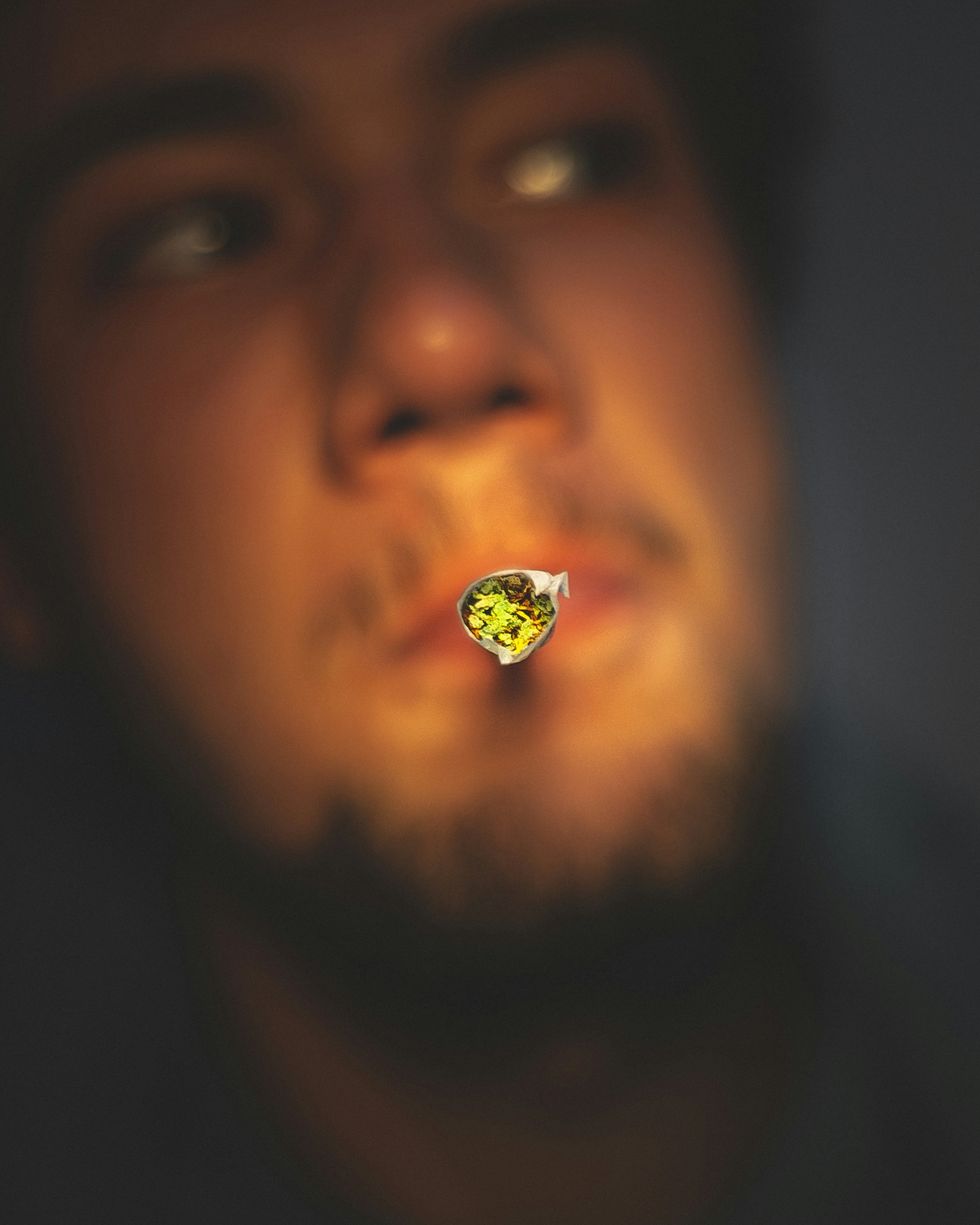
High-THC cannabis refers to cannabis strains that boast a high concentration of tetrahydrocannabinol (THC), the primary psychoactive compound responsible for the “high” associated with cannabis use. These potent strains typically feature THC levels above 20%, with some exceptional strains reaching as high as 30% or more. The elevated THC levels in these cannabis strains not only contribute to their psychoactive effects but also enhance their therapeutic benefits, making them a popular choice among both recreational and medical cannabis users. However, there is limited scientific evidence supporting the use of high-THC cannabis for every medical condition, and proper regulation and dosage are important to ensure safe treatment options.
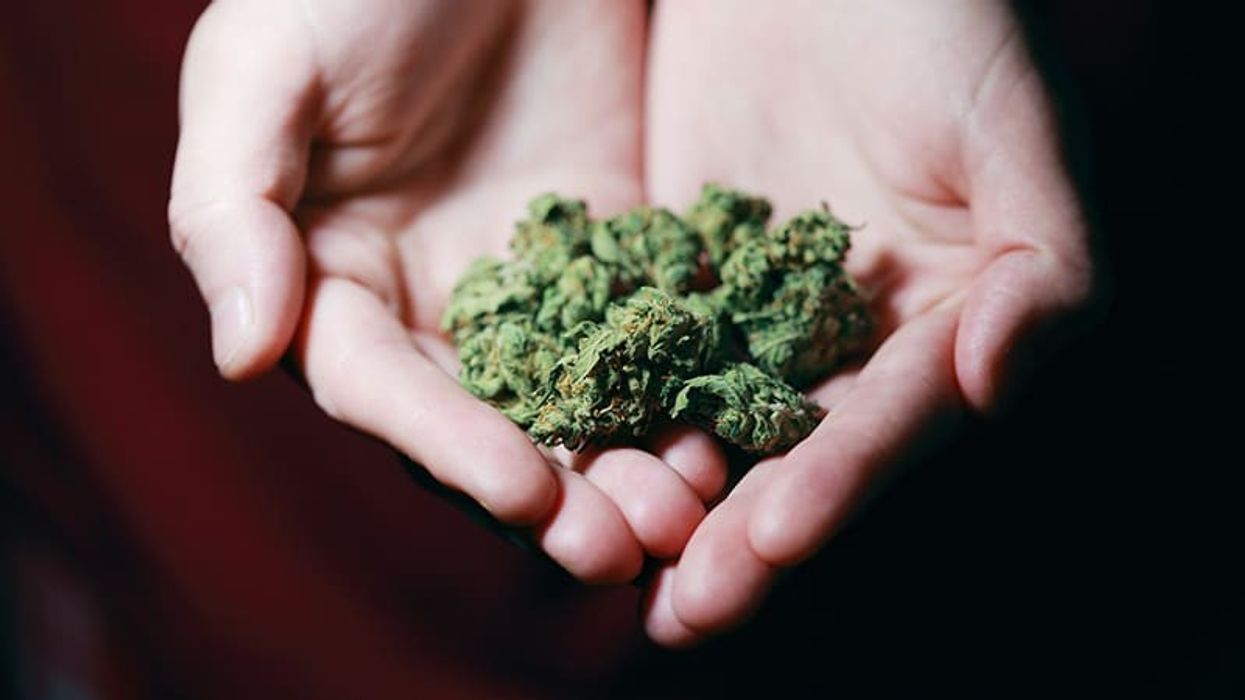
 High-THC Weed Explored - The Bluntness Photo by GRAS GRÜN on Unsplash
THC Percentage: Benchmark or Marketing Gimmick in the Cannabis Industry?
It’s easy to find the THC percentage on a weed label. Unfortunately, there’s no telling how the product will make you feel compared to a less potent strain.
Multiple studies have shown that THC percentage is not always a reliable predictor of the effects or quality of cannabis.
Of course, that doesn’t mean the system isn’t useful, just not in a budget-friendly way.
“Premium” Cannabis
Words like “strong,” “premium,” and “high-grade” are popular marketing terms for selling weed. But how do you define a “premium” strain? Premium cannabis products include a variety of forms such as edibles, tinctures, and topicals. The simplest way is to base it on the THC concentration.
Using THC percentages as price benchmarks allows dispensaries to charge extra for high-THC cannabis flower and concentrates. They use the incorrect assumption that potency implies quality, tricking experienced weed users into spending extra on high-THC strains or infused products.
In the words of Forbes cannabis writer Chris Roberts:
“When cannabis tests at more than 25 percent THC, dispensaries can justify charging $75 or more for a store-bought eighth—because there's a very good chance people will pay it, confident that they're taking home the best and most potent weed available. If the weed's in the teens, well, it had better be cheap. The problem is that this is all wrong. All of it.”
As the age-old adage goes: “That's how they get you.”
Why the Misunderstanding?
People have a huge habit of thinking “bigger is better” when it comes to weed strains. Consequently, it's natural to assume a higher THC level is more potent.
Normally, having more of a good thing is ideal, but this thought process is flawed when predicting the effects of your high.
You might also blame alcohol labels for this widespread misunderstanding of THC potency and effects. Alcohol percentage is an accurate indicator of how quickly and strongly intoxication sets in. More importantly, the effects of being drunk are pretty much universal (with exceptions like different behavioral changes).
The complexities of cannabis compounds - which we'll cover shortly - don't allow for such straightforward measurements.
Furthermore, people choose certain alcoholic beverages for different reasons, so the actual percentage can be more of a concern than a benefit.
What Does THC Content Tell Us?
What (if any) useful information can we get from reading THC content? The information might not be a dead giveaway for how high you’ll get, but you can still glean a lot from it. For instance, a sativa dominant strain may have different effects compared to an indica dominant strain.
Double-blind, placebo-controlled studies are often used to rigorously assess the effects of different THC content levels on users.
Percentage of Total Weight
If you’re looking for an accurate predictor of different effects, you’re barking up the wrong tree. An indica dominant strain may have a different THC percentage compared to a sativa dominant strain. But if you need to know the amount of THC related to total weight, then the THC percentage is as precise as it gets.
Ultimately, you can use that percentage and, with some quick math, figure out the THC levels per total weight of dried cannabis or concentrates.
For example, a plant with 10.0% THC translates to 100 milligrams per gram of dried flower.
The same rule applies for any number. Herb with 25.5% THC indicates 255 milligrams of THC for every gram. Just take the THC percentage, move the decimal one spot to the right and you now know the total THC dose for every gram of dry herb.
The same process applies to concentrates. For instance, a vape cartridge with 90.0% THC contains 900 milligrams per milliliter of oil. If the vape cartridge is 0.5 milliliters, then the total content in that cartridge is 450 milligrams.
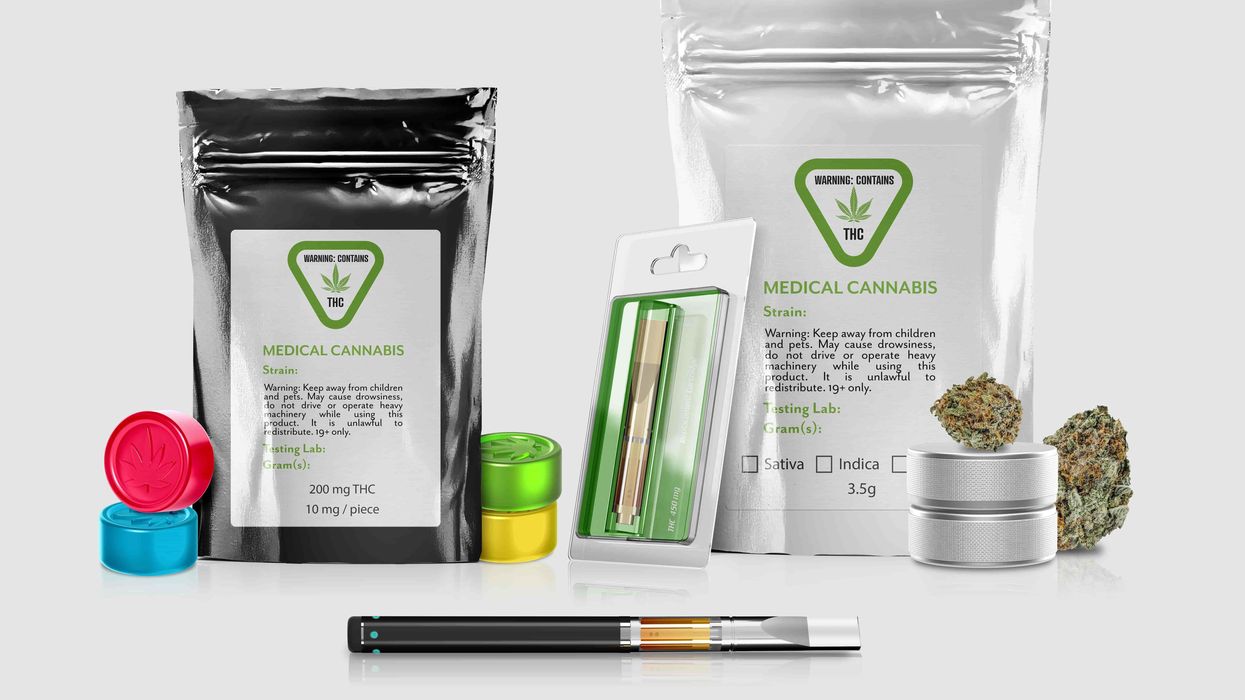
When it comes to edibles, dosage is typically measured in milligrams per serving size rather than just THC percentage. This helps users manage their intake safely, as edibles are often standardized to a specific serving size, such as 10 mg per piece.
Aside from number-crunching, THC labeling has another practical benefit. The system is able to easily deter inexperienced consumers from overspending or “greening out” from too much THC at once.
Amount of Product Needed
If the THC percentage measurement doesn't predict your level of intoxication, then what is it for? Ultimately, it boils down to efficiency. Indica strains are often preferred for their relaxing effects and higher THC content.
Common sense dictates that high-THC cannabis will deliver more THC with less plant material. You can use less high-potency flower to reach your desired dose compared to a weaker product.
People with more experience prefer high-THC cannabis, as they likely develop some level of tolerance over new or infrequent users.
Edibles and Extracts
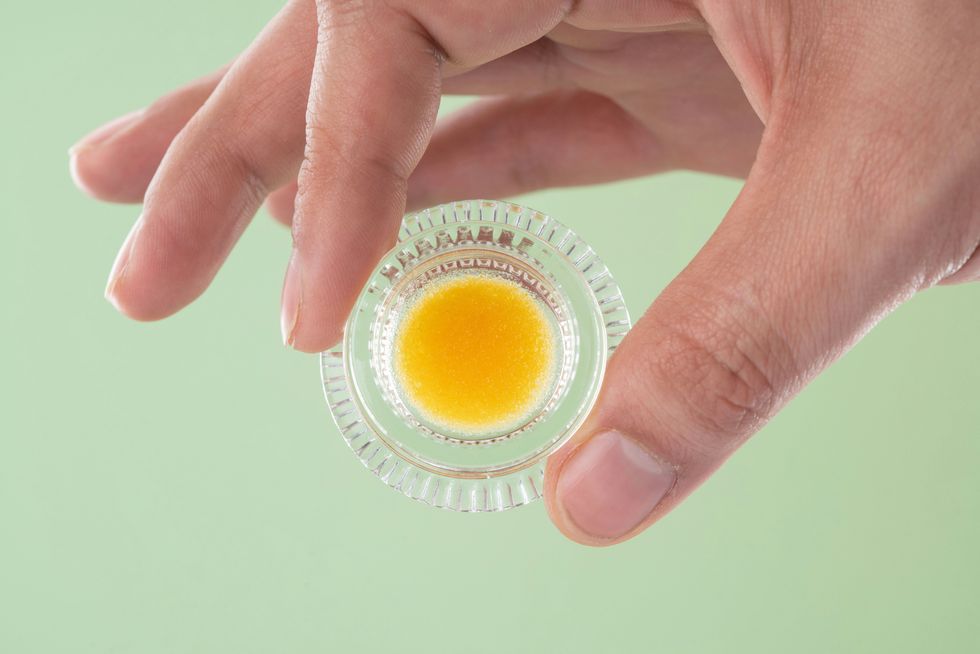
Stronger flower is also handy for making edibles and extracts. High-THC strains are often used in edibles for their potential pain relief benefits. Cooking with marijuana requires way more bud than the average smoke session. With that in mind, it’s smart to use a strain containing as much THC as possible, giving you more THC while using less plant matter.
THC is commonly infused into edibles such as gummy bears, which can be particularly appealing to young people and increase the risk of accidental ingestion.
If you plan to make your own cannabis butter to bake some weed brownies, cookies, or other edibles, choosing high-THC plants will save you some bud.
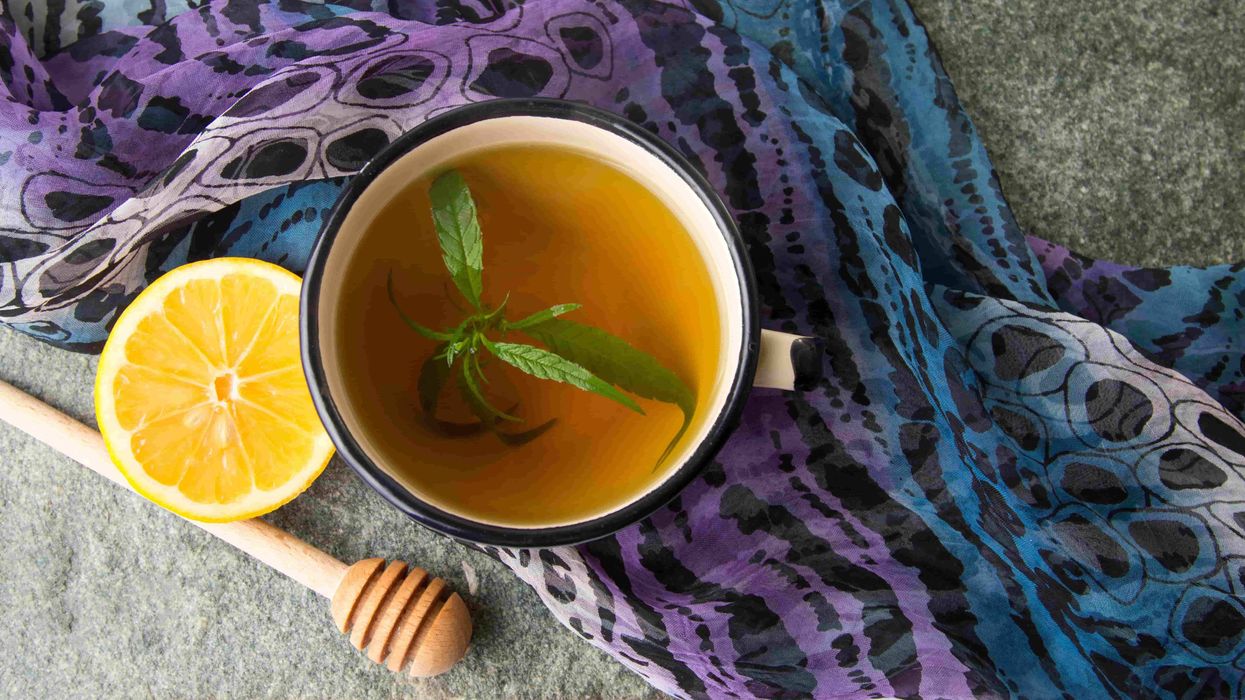
 High-THC Weed Explored - The Bluntness Photo by Christopher Ott on Unsplash
What Science Says About THC Levels
With cannabis research gaining momentum, we have a lot of catching up to do. Sativa strains are often studied for their energizing effects compared to indica strains. Only quite recently, on June 10, 2020, the Journal of the American Medical Association (JAMA) published a study analyzing the link between THC content and intoxication effects.
Animal studies have played a key role in uncovering the neurobiological effects of THC and its potential risks.
The findings went against everything the cannabis community has accepted as a common-sense fact.
The study analyzed the effects of THC on 121 participants. 55 subjects smoked flower with 16 to 24% THC, while 66 used concentrates ranging from 70 to 90% THC.
The researchers confirmed a massively higher amount of THC in the blood of concentrate users, yet the intoxication was barely different from those who consumed mid to high-THC flower.
Benefits of High-THC Strains
Increased Potency for Medical Use
For medical cannabis users, high-THC strains offer a significant advantage due to their increased potency. These strains are particularly effective in providing relief from chronic pain, inflammation, and other debilitating conditions. The higher THC concentration can also play a crucial role in reducing the frequency and severity of seizures, making high-THC strains a preferred option for patients with epilepsy. The potent effects of these strains can lead to more effective and longer-lasting symptom relief, improving the quality of life for many medical cannabis users.
However, it is important to note that chronic use of high-THC strains, even for medical purposes, can increase the risk of addiction and withdrawal symptoms.
Enhanced Recreational Experience
Recreational cannabis users often seek out high-THC strains for a more intense and prolonged experience. These strains can deliver a stronger “high,” characterized by heightened euphoria and deep relaxation. However, it's important to approach high-THC strains with caution, especially for those new to cannabis. The powerful effects can sometimes lead to increased anxiety and paranoia, underscoring the importance of starting with a low dose and gradually increasing as needed. For seasoned users, high-THC strains can elevate the recreational experience to new heights, offering a more profound and enjoyable high.
Potential for Increased Creativity and Focus
Many cannabis users report that high-THC strains can boost creativity and focus. The THC in these strains can stimulate the brain's creative centers, sparking new ideas and insights. This makes high-THC strains a popular choice among artists, writers, and other creatives looking to enhance their work. Additionally, the increased focus and concentration provided by these strains can be beneficial for tasks that require sustained attention. However, it's essential to remember that the effects of high-THC strains can vary widely depending on the individual user, the particular strain, and the method of consumption. As with any cannabis product, starting with a low dose and gradually increasing is key to finding the right balance and avoiding adverse effects.
What Affects Cannabis Potency for Cannabis Consumers?
For ages, THC percentage has been the default for figuring out how a cannabis strain will make you feel. An indica dominant strain may have different effects compared to a sativa dominant strain. But research spanning several decades helped us unlock some of the mystery behind the desired cognitive effects of cannabis in low and high-THC strains.
Cannabinoids, Terpenes, and the Entourage Effect
To better understand the mechanics behind getting high, we need to look at the “entourage effect.” In a nutshell, the entourage effect is a synergistic relationship between cannabinoids and other compounds. Indica strains are known for their relaxing effects and high myrcene content.
THC may steal a lot of the spotlight, but it's far from alone. So far, there are over 100 known cannabinoids in cannabis, but there could be more still hidden inside.
Different cannabinoids affect - directly or indirectly - the CB1 and CB2 endocannabinoid receptors in the body. THC effectively binds to both receptors, but some cannabinoids could change, reduce, or interfere with the uptake of THC.
Then we have terpenes - aromatic compounds found throughout the plant kingdom. Terpene and cannabinoid levels all impact the strain's effects. Even if your chosen product's label indicates high-potency THC levels, other compounds will determine if the strain really works as advertised.
Like cannabinoids, certain terpenes can mitigate or enhance the way THC interacts with our bodies. For instance, limonene - a terpene common in citrus fruits - can counteract the effects of THC if you get too high. In turn, a strain high in limonene might reign in the effects of THC.
Myrcene, for instance, is the most common terpene in cannabis, and has a very strong sedative effect. High-myrcene strains relax the mind and body, slowing down cognitive and motor skills in the process.
On the other hand, a strain rich in caryophyllene creates a more energizing high, leading to improved mood, energy, and focus.
Terpenes also have their own host of health benefits and effects unrelated to cannabinoids.
Some people also depend on the indica, sativa, hybrid system to predict a potential high, but this is even less accurate than relying on THC numbers. You can read more about that in our article here.
Simply put, pay attention to those terpene profiles if you want to dial in your cannabis effects or have interesting cannabis experiences.
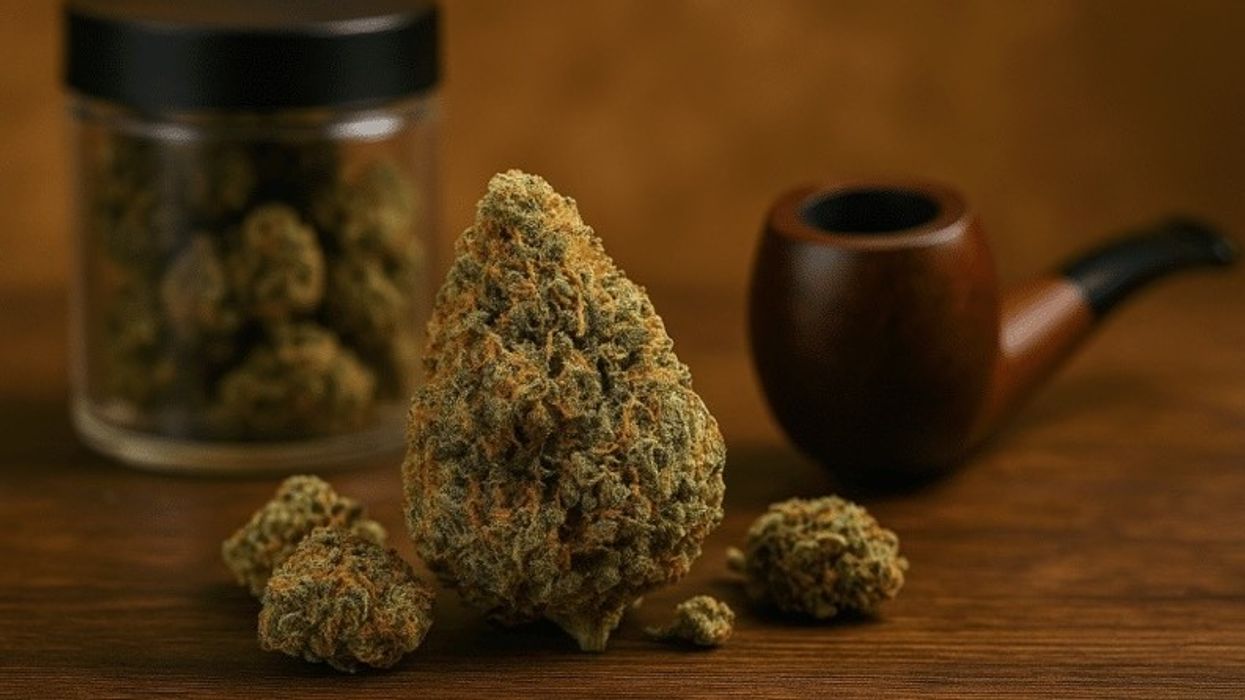
 High-THC Weed Explored - The Bluntness Photo by Maria Fernanda Pissioli on Unsplash
Consumption Method
Remember when we discussed THC percentage and weight? A potent strain will have a higher THC percentage, similar to how a McDonald's Quarter-Pounder implies total weight before cooking (or lighting). In other words, total THC on the label isn't a reflection of how much you'll consume.
How much of the total THC you get depends on its bioavailability. Bioavailability measures how much of a compound or chemical is available for the body after consumption.
Don't worry, a dry herb vaporizer can really improve efficiency. A 2016 study tested several prominent vaporizer brands and models. Bioavailability measurements ranged from about 45% to as high as roughly 83%.
Using our 27% THC strain example, vaporizers could deliver between 121.5 to 224.1 milligrams per gram - vastly more than combusted flower.
Vaping is also much safer for the lungs than conventional smoking, as it doesn't rely on burning plant matter. Instead, it heats up the cannabis until the different compounds boil into an inhalable vapor. This means no nasty tar and gunk to clean (or inhale).
Cannabinoids vaporize at different temperatures. The hotter you vape, the more cannabinoids are available, impacting the intensity of your high.
THC vaporizes at around 175oC (3470F), with THCV and CBC having the highest boiling points, at 220oC (4280F).
However, keep in mind that vaping higher than 205oC (4010F) destabilizes terpenes and creates benzene - a known carcinogen.
Vaporizers beat combusted herb in pretty much every department except pricing. If you want a top-of-the-line vape, be prepared to spend quite a bit. But starter vapes are available for as little as $50.00.
Keep in mind, not all vapes are created equal. Do your research to avoid buying a cheap knockoff. If you're not sure where to start, check out the Reddit thread r/vaporents for user reviews and community recommendations.
Long Term Effects of High THC Cannabis
As the cannabis industry continues to evolve, one thing is clear: THC content in cannabis products is on the rise, and so are questions about the long-term effects of high-THC weed. While potent strains and higher THC levels might seem appealing for their intense psychoactive effects, it’s important to look beyond the buzz and consider what chronic use could mean for your health.
One issue gaining attention is cannabis withdrawal syndrome. This condition can crop up when marijuana users—especially those who’ve been using high-THC cannabis strains regularly—suddenly stop. Symptoms like irritability, anxiety, and insomnia are common, making it clear that the cannabis plant isn’t as harmless as some might think, especially when used in large quantities or over long periods.
Mental health is another area where high-THC weed can have a significant impact, particularly for young people. The cannabis plant is packed with over 100 cannabinoids, including THC and CBD, but when THC concentrations soar, the brain’s endocannabinoid system can get overwhelmed. This can increase the risk of psychotic symptoms and even contribute to the development of mental illness in vulnerable individuals. Research suggests that brain development in adolescents can be negatively impacted by chronic cannabis use, especially when the THC percentage is high.
Cannabis dispensaries now offer a dizzying array of cannabis products, from low-THC medicinal cannabis to high-THC recreational options. While some marijuana users chase the most potent strains for a powerful high, others find that lower-THC products deliver better therapeutic benefits, such as pain relief or anxiety reduction, without the unwanted side effects. The average percentage of THC in cannabis flower can range from 10% to 30%, but some products push the envelope with even higher concentrations.
It’s a widespread misconception that more THC always means a better experience. In reality, the entourage effect—the interaction between THC, CBD, and other cannabinoids—plays a huge role in shaping the effects of cannabis. Aromatic compounds like terpenes also influence the flavor, aroma, and overall impact of different strains. So, when buying weed, it’s smart to look at the full cannabinoid content and not just chase the highest THC number on the label.
Legalization has opened the door for more research into the long-term effects of high-THC cannabis, and the findings are a mixed bag. Edibles, for example, can be especially risky due to their delayed onset and potential for overconsumption, leading to anxiety, paranoia, or other adverse reactions. Growing conditions—like soil quality, climate, and nutrients—also affect THC levels and the overall quality of the cannabis flower.
Risk-taking behavior is another concern, particularly among young people. Some studies suggest that high-THC cannabis can increase the likelihood of engaging in risky activities, adding another layer of complexity to the conversation about marijuana use and public health.
Generally speaking, the total THC content in cannabis products can range from a few percent to over 90%, with most popular strains falling somewhere in between. To find strains that truly meet your needs, it’s essential to consider factors like cannabinoid content, growing conditions, and your own tolerance—not just the THC percentage. While high-THC weed might offer intense effects for some, others may find that lower-THC options provide better long-term results and fewer risks.
In the end, the long-term effects of high-THC cannabis are anything but straightforward. By staying informed and looking beyond the numbers, cannabis users can make smarter choices, enjoy the therapeutic benefits of the plant, and reduce the risk of negative side effects—no matter how much THC is in their weed.
Need a little more Bluntness in your life, subscribe to our newsletter to stay in the loop.