2026 may be the year that legal cannabis loses ground in the United States. After more than a decade of steady legalization and reform, voters and policymakers in several states now face organized, well-funded efforts to roll back the very laws they once approved. This is not a fringe whisper. It’s a coordinated push with serious money behind it, serious implications for jobs and tax revenue, and a clear message: legal weed is not inevitable.
What States Are on the Repeal Front Lines?
Massachusetts and Maine
Two states that once embraced legal adult-use markets are now voting on whether to roll them back entirely.
In Massachusetts, campaign finance records show more than $1.5 million raised in support of a ballot question that would undo recreational marijuana legalization. Virtually all of that money came from SAM Action Inc., a national dark-money group that does not have to disclose its donors. The same organization also funded opposition to a previous psychedelics reform ballot question and is bankrolling a similar effort in Maine.
Critics in both states have raised serious questions about how petition signatures were gathered, including claims some voters were misled on what they were signing. In Massachusetts, an objection has been filed alleging signatures were collected by telling voters the measure funded affordable housing or parks, not that it would ban recreational marijuana.
These fights underscore a bigger issue: voter-approved laws can be targeted by well-funded, outside interests long after the original vote. That is a fundamental shift in how cannabis policy can be contested.
Arizona and Beyond
In Arizona, campaigners are collecting signatures to place a repeal question on the ballot that would shut down the state’s licensed adult-use cannabis market entirely, including retail sales. Meanwhile, in Maine, the proposed initiative would not only roll back commercial sales but also eliminate the right to grow personal-use cannabis at home.
Arizona and Maine were early adopters of legal cannabis markets, and now they may become the first to undo them through ballot measures.
Idaho: Locking the Door on Future Reform
Idaho is taking a different but even deeper approach. Voters this fall will see a constitutional amendment that, if approved, would prevent voters from ever again deciding on statewide marijuana policy. State lawmakers put the measure on the ballot last year, and it is part of a broader crackdown on cannabis in a state that already imposes some of the harshest penalties for possession in the country.
This is not repeal in the classic sense. It is preemption: locking in prohibition and locking out future reform at the ballot box.
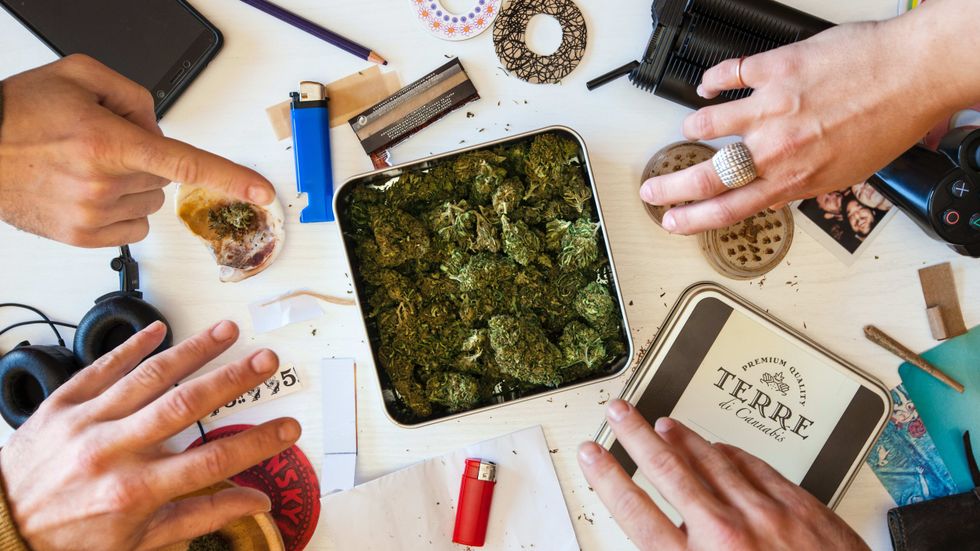
 Who's Funding the Legal Cannabis Pushback? - The Bluntness Photo by Dan Dennis on Unsplash
Who’s Funding the Pushback?
A major piece of this story is money, and we now know where some of it is coming from.
The campaigns most aggressively pushing cannabis rollback in Massachusetts and Maine are funded by SAM Action Inc., a 501(c)(4) advocacy group that is not required to disclose its donors. That qualifies it as dark money by design.
SAM Action’s board traces back to well-known anti-legalization players, including founders of Smart Approaches to Marijuana (SAM), a national anti-legalization organization co-founded by former congressman Patrick Kennedy and former White House policy adviser Kevin Sabet.
One campaign spokesperson has insisted the Maine and Massachusetts efforts are not coordinated, despite being funded by the same organization. Regardless of the campaign rhetoric, the central fact remains: outside money is key to these repeal drives.
That matters because well-funded ballot questions often capture local media attention and voter mindshare more than grassroots campaigns can.
What’s at Stake If These Measures Pass
These are not abstract policy debates. The real-world impacts would be immediate and far-reaching:
1. Jobs and Economic Activity
Cannabis markets in states like Massachusetts have generated billions in sales and tens of thousands of jobs. Rolling back regulated legal markets would throw those jobs into limbo and shrink state tax revenues.
2. Consumer Access and Safety
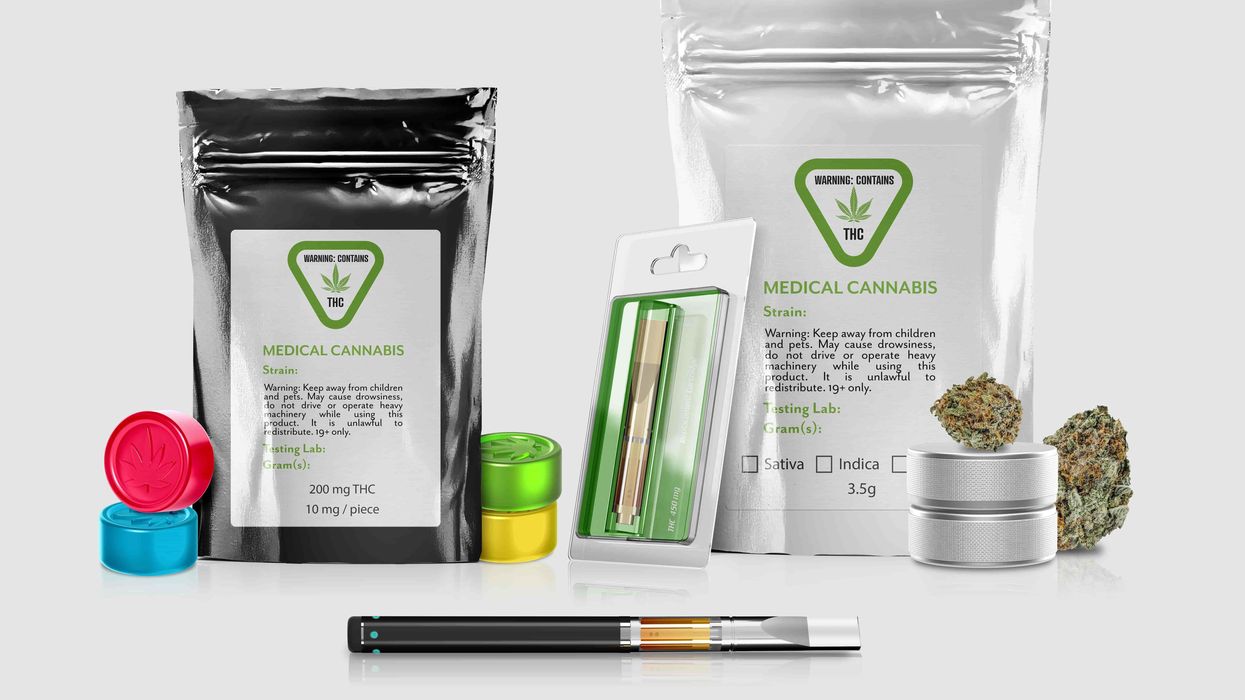
Legal markets provide regulated products, age verification, safety testing, and clear labeling. Undermining that system could push users back into unregulated markets overnight.
3. Public Trust in Democracy
When ballot measures funded by opaque money change laws that voters previously approved, it raises questions about how much democratic power voters actually have over drug policy.
4. Legal and Criminal Justice Implications
Even in states that do not plan to re-criminalize simple possession, removing commercial markets can shift enforcement priorities and increase uncertainty for businesses and consumers.
Why This Trend Is Happening Now
The broader cannabis reform movement had enjoyed a steady tide of wins at the state level for more than a decade. But 2026 looks to be a year of intense tug-of-war between reform and rollback.
Groups opposed to legalization have become more sophisticated, using ballot initiative infrastructure and political money to try to reverse legalization or prevent expansion. Meanwhile, advocates are still fighting for new legalization measures in other states.
One piece of the larger national backdrop is the federal rescheduling process underway. A push is underway to move cannabis from Schedule I to a lower schedule under the federal Controlled Substances Act. While that would not legalize cannabis federally, it could soften federal enforcement and embolden further state reforms.
The irony here is stark: at the same moment federal policy may be moving toward less restrictive classification, some states are seeing organized resistance to the very legalization that voters once embraced.
 Getting involved is the best way to push back against cannabis rollbacks - The Bluntness Photo by Element5 Digital on Unsplash
The Bottom Line
The era of assumed, unstoppable cannabis legalization is over. 2026 may be remembered as the year the narrative shifted from forward progress to regulatory turf war.
This is not just a cannabis issue. It is a democratic governance issue, a money-in-politics issue, and an economic stability issue for the industry and the communities that have come to depend on it.
Whether repeal efforts succeed or fail will shape not just cannabis markets, but the broader question of how public policy evolves when entrenched interests push back against voter-approved reforms.
How People Can Push Back Against Cannabis Rollbacks
Stopping these repeal efforts does not require being a policy expert or a professional activist. It requires participation. Organizations like NORML Action are mobilizing consumers, patients, and voters to fund legal challenges, counter misleading ballot initiatives, and support on-the-ground organizing in states facing rollback threats. Getting involved can be as simple as donating, signing up for alerts, sharing accurate information, or contacting elected officials when repeal measures appear on the ballot. The takeaway is straightforward: legalization survives only if voters stay engaged after Election Day. Silence creates space for reversal.


 Apple Fritter Strain - The Bluntness Riverside Greenery
  Indica vs. Sativa: Are These Cannabis Labels Outdated? - The Bluntness
  Georgia Pie Strain Profile: history, effects, and more - The Bluntness
  How many strains of weed are there? - The Bluntness