
What's the Actual Difference Between Resin and Rosin?
Let's cut through the noise: rosin is made with heat and pressure alone, while resin uses chemical solvents like butane or CO₂ to extract cannabinoids and terpenes from cannabis. One's solventless, the other isn't. That's the headline, but if you're dropping premium cash on concentrates, you deserve to know why this distinction matters.
Both products deliver potent, terpene-rich experiences that blow traditional flower out of the water in terms of THC content. But the production methods create fundamentally different products with distinct price points, flavor profiles, and purity levels that every cannabis consumer should understand before making their choice at the dispensary counter.
Rosin: The Solventless Premium
Rosin represents the pinnacle of purity in cannabis concentrates. The extraction process is deceptively simple—cannabis material gets pressed between two heated plates under intense pressure, squeezing out the resinous oils packed with cannabinoids and terpenes. No chemicals. No solvents. Just physics.
How Rosin Gets Made
The process starts with high-quality starting material: fresh-frozen cannabis flower, bubble hash, or kief. For live rosin—the top-shelf option—producers flash-freeze freshly harvested plants to preserve the full terpene profile at peak potency. Fresh cannabis can contain up to 15% terpenes, and freezing immediately after harvest locks in these volatile compounds.
The frozen material then gets processed into ice water hash (bubble hash) through a washing process that separates trichome heads from plant matter using only ice water and agitation. This bubble hash is then pressed using specialized rosin presses at controlled temperatures—typically between 160-220°F—to extract the concentrated oil while preserving delicate terpenes.
Temperature control is everything here. Lower temperatures preserve volatile terpenes that give each strain its distinctive aroma and flavor. Higher temperatures increase yield but risk degrading these compounds and affecting the final product's quality.
The Rosin Reality Check
THC levels: 70-85% on average
Terpene retention: Excellent when done right
Production scale: Labor-intensive, small batch
Typical price: $35+ per gram
The catch? Rosin production is genuinely difficult to scale. A commercial live resin system can process around 40 pounds of material per hour. Rosin methods? About 2 pounds. This massive efficiency gap explains why you're paying nearly double at the dispensary.
But here's what you're paying for: rosin is considered full-spectrum, meaning it retains the complete cannabinoid and terpene profile of the original plant. This matters because these compounds work synergistically—the so-called "entourage effect"—to deliver the strain's intended experience. When all these molecules are present together, they may provide effects that isolated compounds simply can't match.
Resin: The Solvent-Extracted Powerhouse
Cannabis resin, particularly live resin, uses chemical solvents to strip cannabinoids and terpenes from plant material. The most common method involves butane hash oil (BHO) extraction, though CO₂ and ethanol are also used in commercial operations.
The Live Resin Process
Like live rosin, live resin starts with fresh-frozen cannabis—that "live" designation means the plant was frozen immediately after harvest to preserve terpene content. But here's where the methods diverge dramatically.
The frozen material gets washed with hydrocarbon solvents like butane or propane. These solvents dissolve the cannabinoid and terpene-rich compounds, pulling them away from the plant matter. The resulting solution is then purged—a critical step where the solvent is carefully evaporated and removed through a combination of heat, vacuum, and time.
What emerges is a thick, amber-colored concentrate with a consistency ranging from sugary crystals to smooth budder to terp-heavy sauce. The extraction process can be dialed in to create different textures and cannabinoid concentrations, which is why you see such variety in live resin products.
The Resin Numbers
THC levels: 65-95% (typically higher than rosin)
Terpene content: Robust, often enhanced through extraction
Production scale: Highly efficient, large batches
Typical price: $20-25 per gram
The solvent-based process allows for more aggressive extraction, pulling higher concentrations of THC while still capturing substantial terpene content. Modern extraction technology and proper purging techniques should eliminate nearly all solvent residue—testing regulations in legal markets require products to meet strict purity standards.
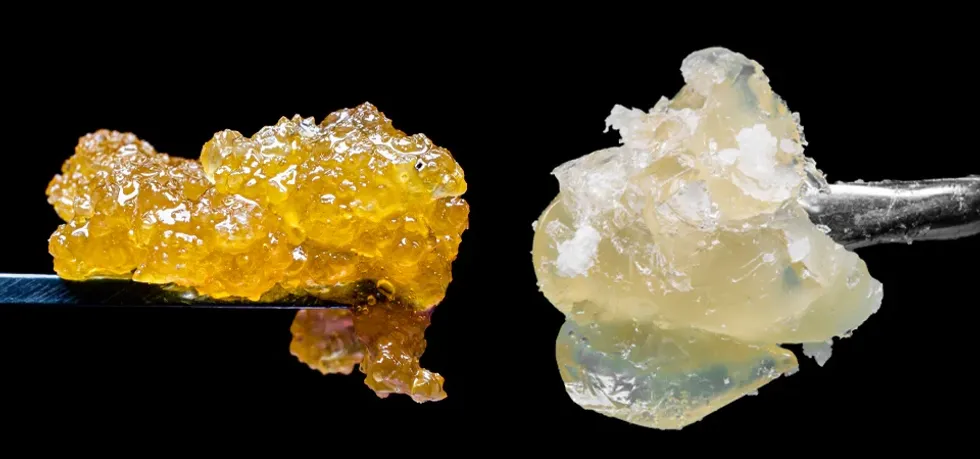 Resin vs. Rosin - The BluntnessLowtemp Industries
The Flavor Debate: Which Tastes Better?
This is where personal preference and production quality matter more than extraction method.
Rosin offers what many connoisseurs describe as the truest representation of the strain's natural flavor profile. Because nothing is added or removed beyond the extraction itself, you're experiencing the plant's terpene blend exactly as nature and the cultivator intended. The flavor tends to be earthy, natural, and nuanced.
Live resin delivers bold, intense aromatics. The flash-freezing process captures terpenes at their peak, and the solvent extraction can sometimes concentrate certain terpenes more than others. The result is often a more pronounced, in-your-face flavor that some users prefer, especially in vaporizer and dab experiences.
Both methods preserve terpenes far better than traditional dried-flower extraction. Dried flower typically retains only 1-3% terpene content after curing. Extract that same dried flower, and you're lucky to capture even half of those terpenes. Fresh-frozen extraction—whether for rosin or resin—changes the game entirely.
The Purity Question: Does Solventless Matter?
Here's where things get philosophical, and frankly, where the marketing departments love to muddy the waters.
Yes, rosin is objectively cleaner—there are literally no chemical solvents used at any point in the process. For health-conscious consumers or those who prioritize natural processing methods, this is non-negotiable. You're consuming only what the plant produced.
But properly made resin is also extremely clean. Licensed producers in regulated markets must meet stringent testing requirements for residual solvents. When extraction and purging are done correctly, solvent residue in the final product is virtually undetectable—often measured in parts per million well below safety thresholds.
The real question is whether trace amounts of properly purged solvent concern you, even at levels considered safe by regulatory standards. Some consumers want zero solvent exposure as a matter of principle. Others are comfortable with the trace amounts that might remain after proper purging, especially given the price difference and increased potency.
Neither position is wrong. It's about your priorities.
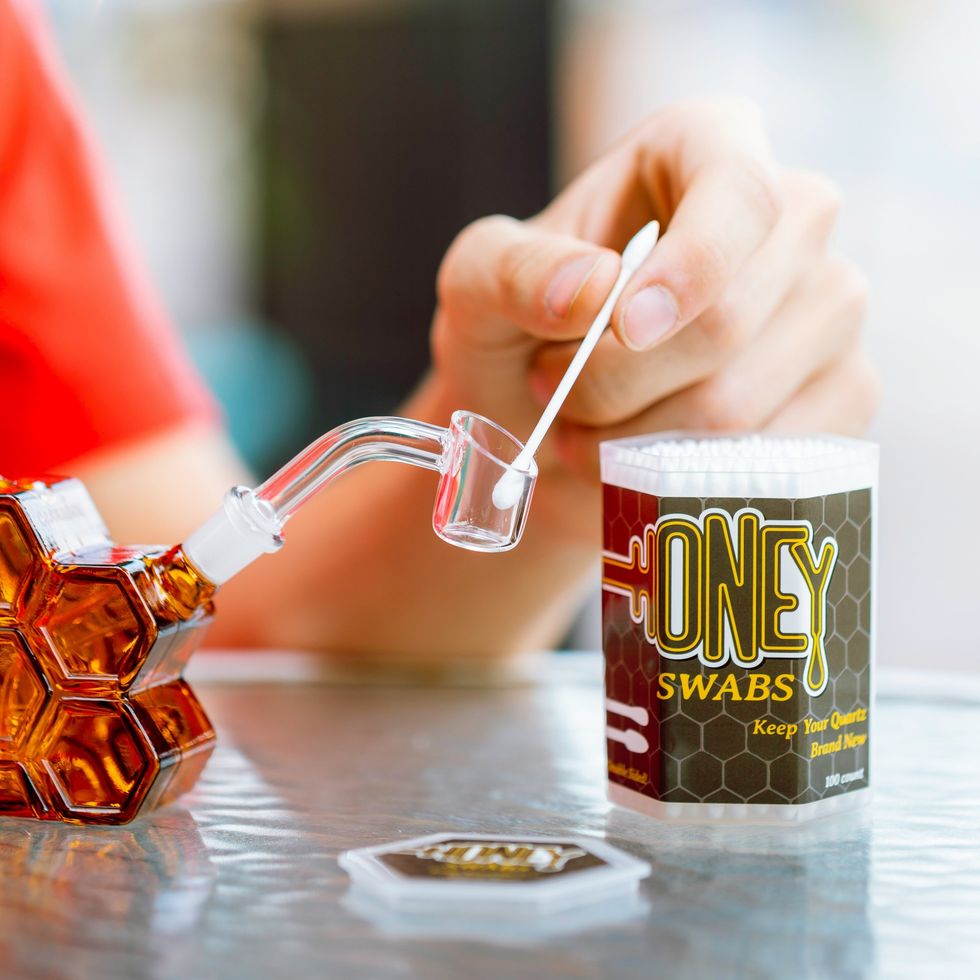 Rosin vs. Resin - The Bluntness Photo by Cannabox on Unsplash
Live Rosin vs. Live Resin: The Premium Showdown
Both "live" products represent the top tier of their respective extraction methods, using fresh-frozen material to preserve peak terpene content.
Live Rosin
- Pros: Solventless, full-spectrum, natural terpene profile, artisanal quality
- Cons: Higher price point, lower yields mean less availability, requires exceptional starting material
- Best for: Consumers prioritizing purity, natural processing, and authentic strain flavor
Live Resin
- Pros: More affordable, widely available, slightly higher THC potential, bold flavors
- Cons: Uses chemical solvents (even if properly purged), may have less consistent batch-to-batch profiles
- Best for: Consumers prioritizing value, potency, and intense flavor experiences
According to market data from BDSA, live rosin maintained its premium positioning at $35 per gram through 2022, while live resin dropped to $20 per gram during the same period. That price gap reflects production realities, not just marketing hype.
How to Use Resin and Rosin
Good news: you can consume both concentrates using the exact same methods.
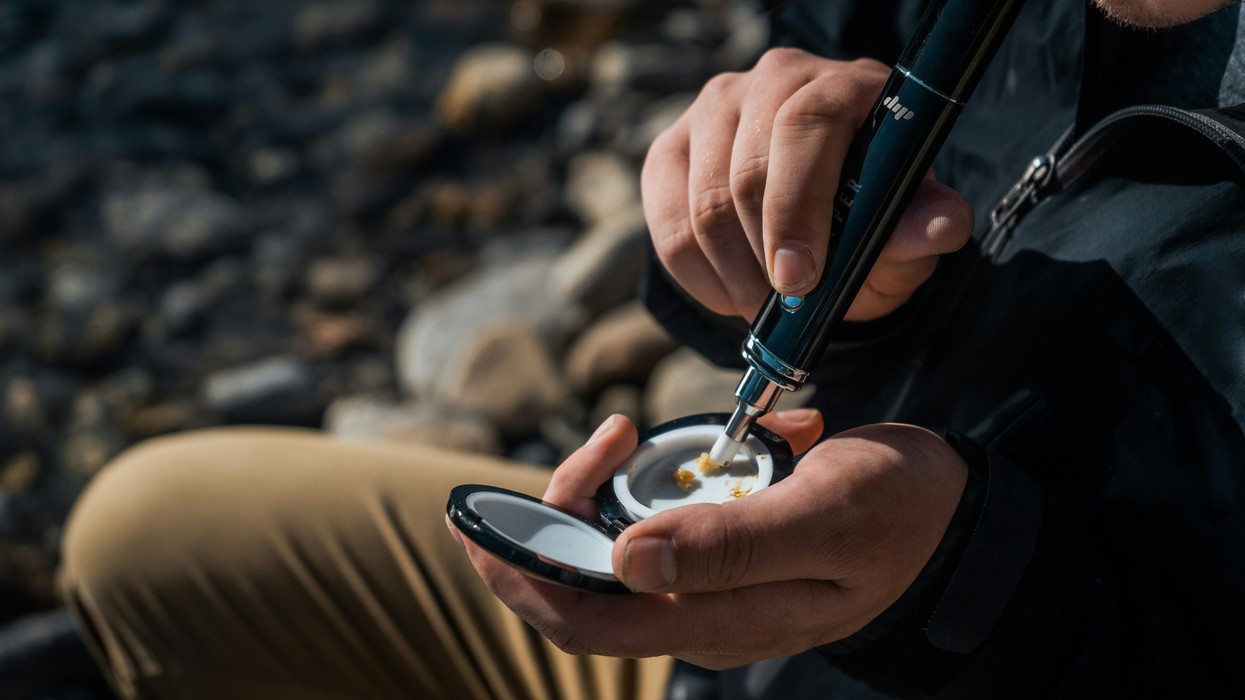
Dabbing remains the gold standard for experiencing these concentrates. Using a dab rig or e-nail, you vaporize the concentrate at controlled temperatures—typically 390-750°F, though lower temperatures (around 400-500°F) preserve more terpenes and deliver smoother flavor.
Vaping has become increasingly popular with cartridges and disposable pens specifically designed for live resin and live rosin. These offer convenience and discretion, though some purists argue you lose subtle flavor nuances compared to dabbing.
Mixing with flower amplifies your smoking experience. Sprinkle concentrate over ground flower in bowls or pipes, or create "hash hole" style joints where rosin or resin runs through the center of the flower, vaporizing as you smoke.
Temperature matters significantly with both products. Rosin typically performs best at slightly lower temperatures to preserve its delicate terpene profile, while resin can handle higher heat without as much degradation.
Storage: Don't Waste Your Premium Concentrates
These products are investments, and improper storage will destroy them faster than you think.
Store both rosin and resin in airtight, UV-protected containers in cool, dark places. Heat, light, and air exposure degrade cannabinoids and terpenes, turning your premium concentrate into a less potent, less flavorful shadow of its former self.
Some enthusiasts keep their concentrates in small silicone containers inside the refrigerator. The cold temperature slows degradation, though you'll want to let the product warm slightly to room temperature before use for optimal consistency and flavor.
The Bottom Line: Which Should You Choose?
If you're still asking "rosin or resin?"—you're asking the wrong question. The right question is: what matters most to you?
Choose rosin if:
- You want absolute purity and solventless extraction
- You're willing to pay premium prices for artisanal quality
- You prioritize natural, unaltered terpene profiles
- You're drawn to the craft and care of small-batch production
Choose resin if:
- You want maximum potency at a better price point
- You prefer bold, intense flavors
- You're comfortable with properly purged solvent-based extraction
- You want more consistent availability
Both are legitimate premium products that deliver experiences traditional flower simply cannot match. The industry has advanced to a point where the best producers are creating exceptional concentrates through both methods.
The real winners? Consumers who understand what they're buying, who can spot quality production regardless of extraction method, and who know exactly what experience they're looking for when they walk up to the dispensary counter.
Just don't let anyone shame you for your choice. Whether you're team rosin or team resin, you're consuming cannabis concentrates that would have seemed like science fiction just a decade ago. Both represent the peak of modern cannabis processing—they just took different paths to get there.
Frequently Asked Questions
Is rosin stronger than resin?
Generally, no. Live resin typically ranges from 65-95% THC, while rosin averages 70-85%. The solvent-based extraction used for resin often pulls slightly higher cannabinoid concentrations, though the difference isn't dramatic.
Can you make rosin at home?
Yes—rosin is one of the few concentrates that can be safely produced at home. Some enthusiasts even use hair straighteners for small batches, though dedicated rosin presses produce far better results. Live resin production requires commercial extraction equipment and should never be attempted at home due to the flammable solvents involved.
Why is live rosin so expensive?
Three factors drive the price: it requires premium starting material (impurities aren't filtered out like in solvent extraction), it's extremely labor-intensive to produce, and yields are significantly lower than solvent-based methods. It's genuinely a small-batch artisan product.
Does live resin have solvents in it?
Properly produced live resin should have virtually undetectable solvent residue. Licensed producers must meet strict testing requirements, typically showing residual solvents well below safety thresholds measured in parts per million. However, the extraction process does use chemical solvents, which is the fundamental difference from rosin.
Which has better terpenes?
Both preserve terpenes exceptionally well when using fresh-frozen material. Live rosin offers a more natural, unaltered terpene profile, while live resin can sometimes enhance or concentrate certain terpenes. The "better" option depends on whether you prefer natural balance or bold intensity.
The cannabis concentrate market continues evolving rapidly, with new production techniques and quality standards emerging regularly. Always purchase from licensed dispensaries where products undergo testing for potency, purity, and safety—regardless of whether you choose rosin or resin.