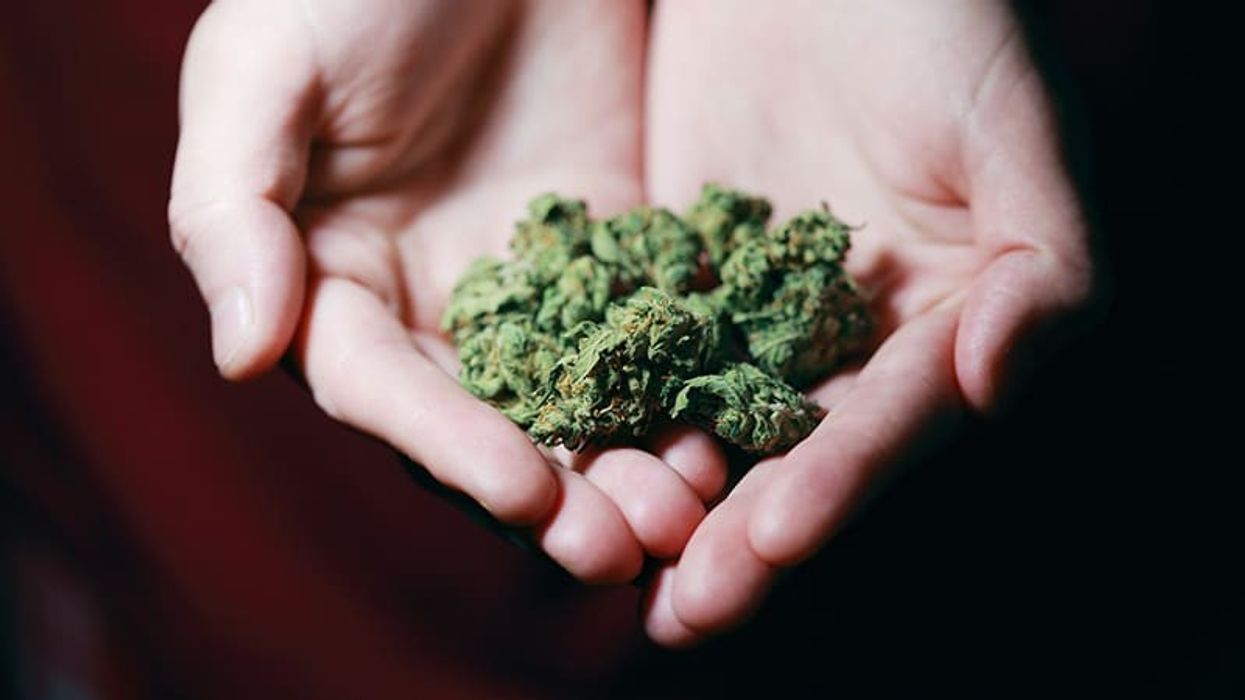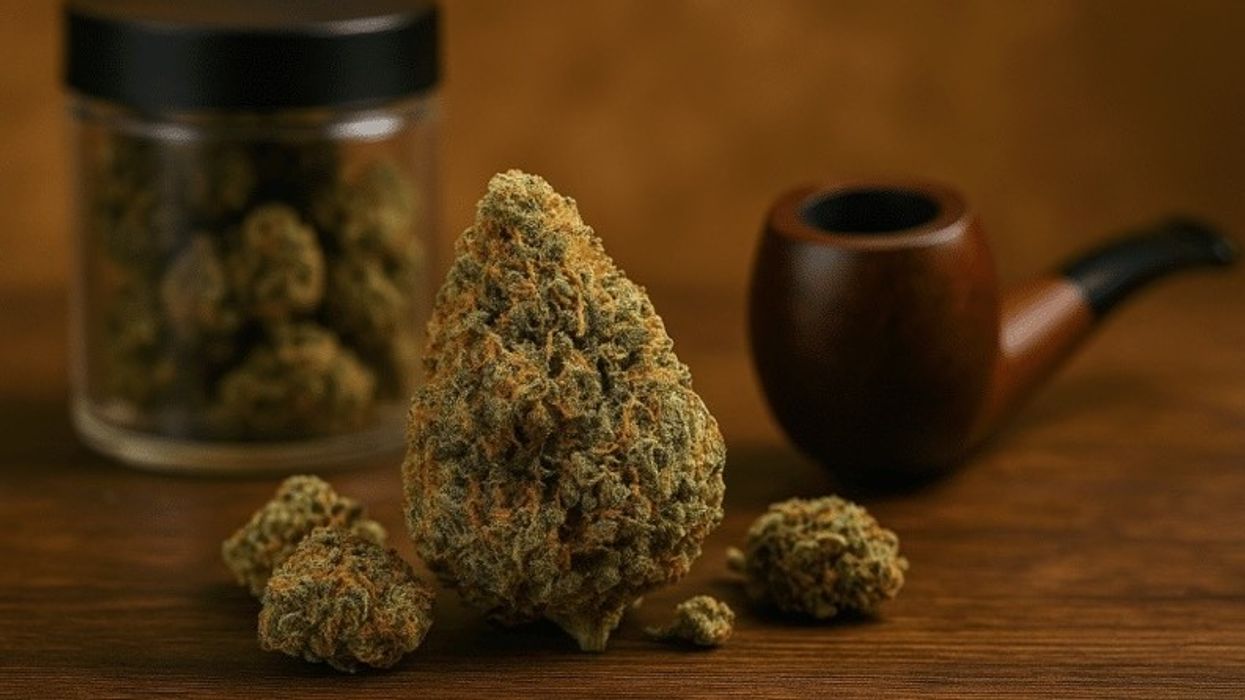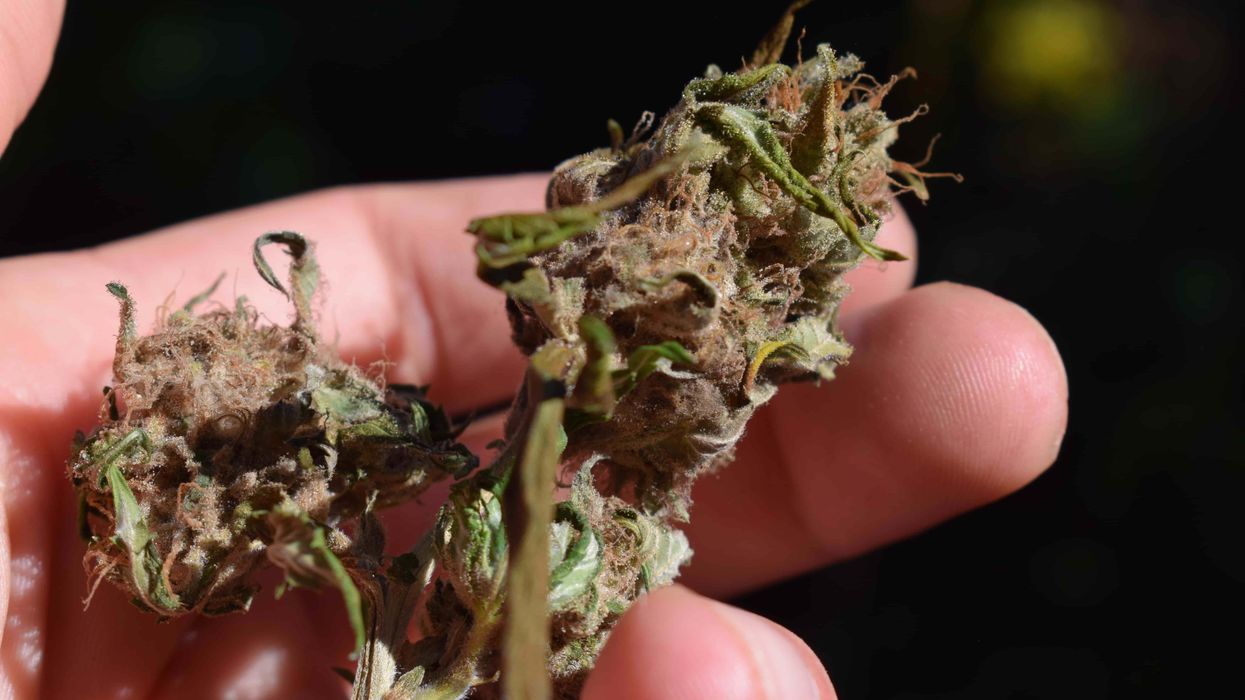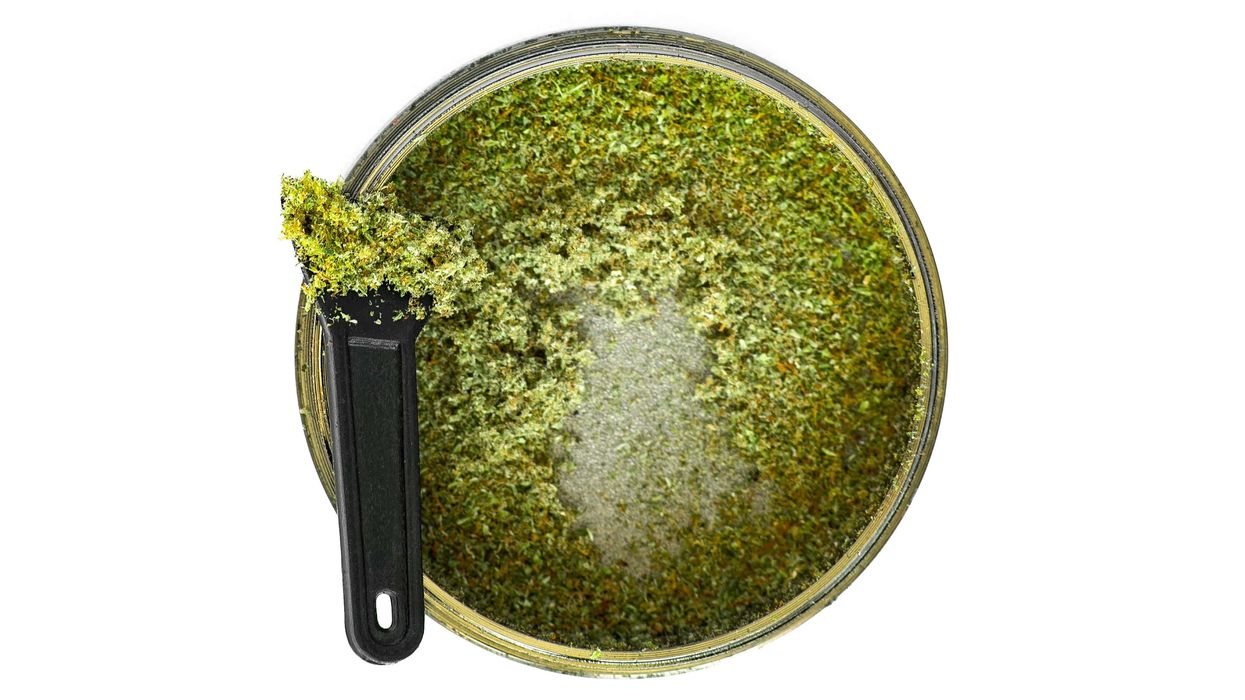

Kief - also known as "keef," "dry sift," or "pollen" - is a colloquial term for the resinous trichome glands when separated from cannabis flower.
Trichomes are important chemical factories where most of the plant’s cannabinoids, terpenes, and flavonoids are produced.
When you separate trichomes from the plant and collect them as kief, you’re left with only the most potent part. Kief can then be used alone or made into concentrates.
If you're relatively experienced with cannabis flowers and want to up the ante a bit, kief is the perfect next step.
What's Inside Kief?
Pointedly, kief contains any combination of major cannabinoids (i.e., THC, CBD), minor cannabinoids (i.e., CBC, CBG, CBN), and terpenes – depending on the cultivar.
Ever since CBD became popular, a whole new market of CBD hash and other concentrates opened up, so some kief may not contain much THC, focusing on the medicinal effects of CBD instead.
Is All Kief the Same?
From a structural perspective, kief is the same. However, it will always be chemically different, depending on the strain you use.
Trichomes' vertical bodies and bulbous tops (heads) make them look like mushrooms or chess pawns. These form during the plant's bloom stage.
Ideally, we want kief to be mostly trichome heads, where the majority of the plant’s compounds reside. Purer kief contains more of these components, but requires a finer sifting process . The kief collecting in your grinder isn’t the same kief you’ll get using professional sifting tools.
What’s So Great About Trichomes and Kief?
While cannabis plants utilize their resinous trichomes in the wild to fend off potential pests or fungi invasions, humans have a completely different relationship with these precious chemical factories.
Humans turn to trichomes and kief for:
- Medical benefits
- Recreational use
- Creation of other concentrates (more on that later)
What Are The Benefits of Kief?
These crystals are excellent on their own or mixed with some flower, providing an overall boost to your medical or recreational experience.
- Added Potency: Cannabis can get pretty potent, but the most you'll likely see is 25% THC. Some strains may break the 30% mark, but those are exceptions.
Kief busts far beyond that line, coming in at over 50% THC in some tests. Kief's potency, terpene profile, and flavor depend on its source strain.
Genetics, nutrition, and environment all play a role in deciding how strong and diverse the plant - and its kief - will be.
- Smoother Smoking: If you consume kief using traditional smoking, you might find it a bit easier on the throat and lungs (although experiences vary). Pure kief does away with most plant matter, so many of the smoke and irritants given off by plant combustion are absent or significantly reduced.
- Versatility: We'll dive into the details later, but it's safe to say that you can use kief in many ways. From smoking and edibles to other concentrates, kief is arguably a jack-of-all-trades.
Is Kief Dangerous?
Kief poses no more risk than any other cannabis product. To date, there hasn't been a single recorded cannabis-related death from THC or CBD.
However, if you're inexperienced or don't use cannabis often, we don't recommend you add kief to your recreational or medical bowl, joint, or blunt. Even though it's not dangerous, excessive THC can make you feel anxious and ill.
How to Collect Kief?
It's good to stockpile some kief, so you have room to experiment. The good news is you probably have everything you need to collect it.
- Use a Grinder: Whether you use weed to get high, reap the medical benefits, or both, you’ll need to break up your flower with a grinder if you want to collect those kief crystals. Thankfully, all you need is a three-chamber grinder. If you don't have one, they're reasonably cheap and available at dispensaries, smoke shops, and online retailers.
Why a three-chamber grinder? Because one chamber contains a mesh screen meant to let kief through, collecting below. To separate the kief from the plant matter, grind your weed as usual. Don't put too much in at once. You'll want to leave space for the kief to fall through your mesh without being blocked by ground herb.
You can also gently scrape a nug across the mesh screen in a back-and-forth motion until a fair amount collects.
After grinding your flower, giving a gentle shake to your grinder before opening also helps collect a bit more kief.
This method is affordable and accessible but also requires patience. It'll take quite a while to build a decent amount.
- Sifting: The sifting method takes more work, but its yields are way higher. Use this approach if you want large batches of high-quality dry sift.
What separates good kief from great kief is the level of refinement. Your grinder might work well collecting tiny plant matter and full crystals, but it's the trichome heads we want.
To separate the weed from the chaff, you'll need a very fine single screen at 80 to 120 LPI (lines per inch) or several layers of gradually smaller screens.
There are also specially-designed sift boxes you can get online if you're willing to pay a little extra.
Either way, you'll get more potent, better-quality sift compared to a grinder.
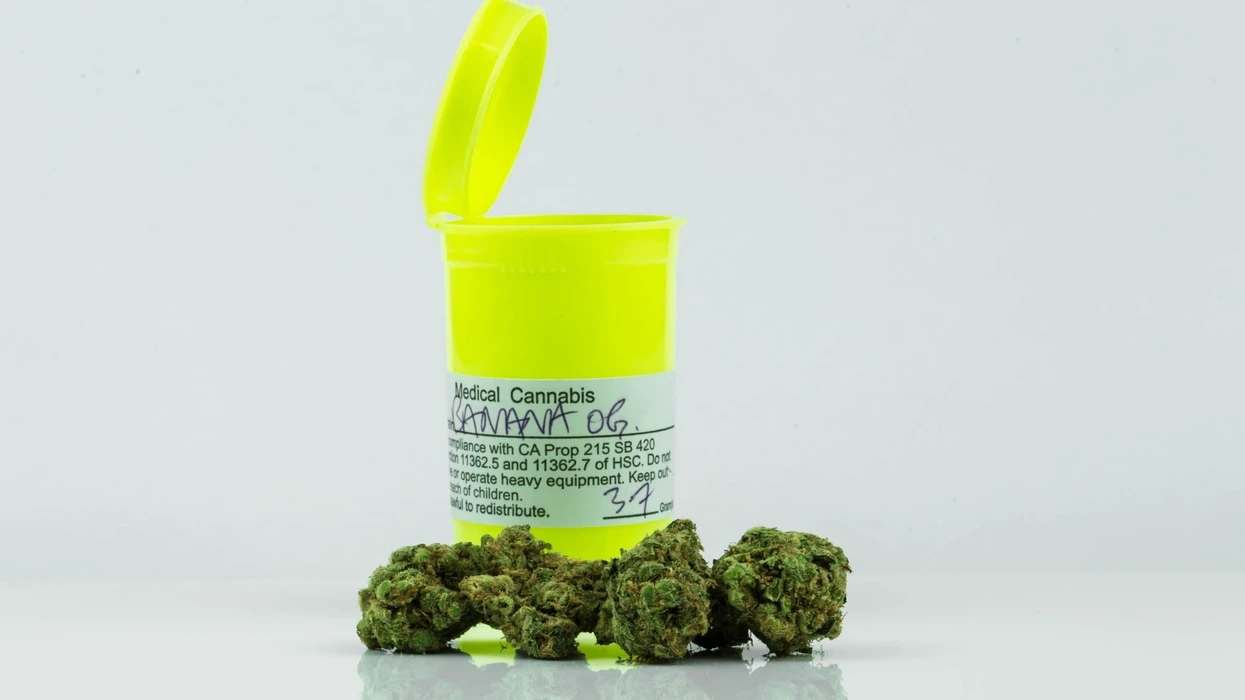
- Buy Kief: Some licensed dispensaries sell kief. However, your state may restrict certain cannabis products. This is naturally the best option if you're not a DIY type of person. These products aren't as expensive as other concentrates, and they specify THC and CBD potency right on the label.
- Separating Kief from Cannabis Flower: Because most cannabinoids, terpenes, and flavonoids stay concentrated in the crystal outside the cannabis plant, there's a downside to separating them.
Cannabis flower alone isn't nearly as potent as the hairs around it. Consequently, you sacrifice the plant material's potency in exchange for kief.
How to Use Kief?
Thanks to the many cannabis consumption methods available, we can use kief in several ways. It's as easily accessible as the rest of the plant matter and has carved a prominent place in cannabis culture.
- Smoke Pure Kief: If you have enough experience, smoking kief on its own can pack a hard punch. It's the best way to get as high as possible with what you have.
You'll have to collect kief for a while before you get enough to roll a joint. It also takes a decent bit to fill a bong, pipe, or dry-herb vaporizer. Out of all the methods, vaporizing is the most potent and safe option. It preserves more cannabinoids than any other way. Vaping also doesn't rely on combustion, making it smoother and safer on your throat, mouth, and lungs.
However, vaping complicates things. If you're going to vape pure kief in a standard dry herb-vaporizer, make sure you clean it thoroughly. Vaped kief can burn onto the heating element and leave charred residue behind.
Some vaporizers offer cannabis concentrate add-ons, which are a better fit for dry sift.
- Add Kief to Flower: This is about as easy as it gets. If you want to add a little extra potency to your ground flower, throw some kief into the mix. Some dry herb smokers prefer to sprinkle the powder on top of their bowls, like trichome icing.
When vaping or smoking, it's best to put the kief between two layers of flower, like some earthy kief sandwich. It also makes the bowl less dense, for an easier draw.
- Use Kief in Edibles: Like marijuana flower, dry sift works in edibles. Preparation is the same, as is the infusion process.
Melt some butter in a saucepan or crockpot, add the kief, and occasionally stir for up to five hours. The longer you wait, the more compounds get infused into your butter.
If you want to kill two birds with one stone, save the kief in your vaped chamber and use that for edibles. It's already decarbed but won't be as potent.
- Make Hash: Hash ("hashish") is a highly concentrated form of cannabis made from kief. Through heat and pressure, kief is compressed into solid pieces. Although there are complex, industrial ways to make this product, you can use kief to make hash at home.
If you're not lucky enough to have professional equipment, a simple hair straightener will do. Take a thin layer of kief and spread it on a piece of parchment paper. Fold the paper over your kief, then apply the heated hair straightener to the powder for five to ten seconds to make hash.
If you want to take things up a notch, try making bubble hash. This highly-potent concentrate gets its name from the way it bubbles when ignited.
The separation process is similar to regular hash, as it still involves collecting kief through a series of dry sieves.
However, the sieving happens in ice water. The process might be a bit complicated for first-timers, so bubble hash isn’t the best choice if you’ve never made hash before.
Are you still missing out on The Bluntness newsletter? Sign Up today to stay in the loop.