Skip to content
Search AI Powered

Latest Stories

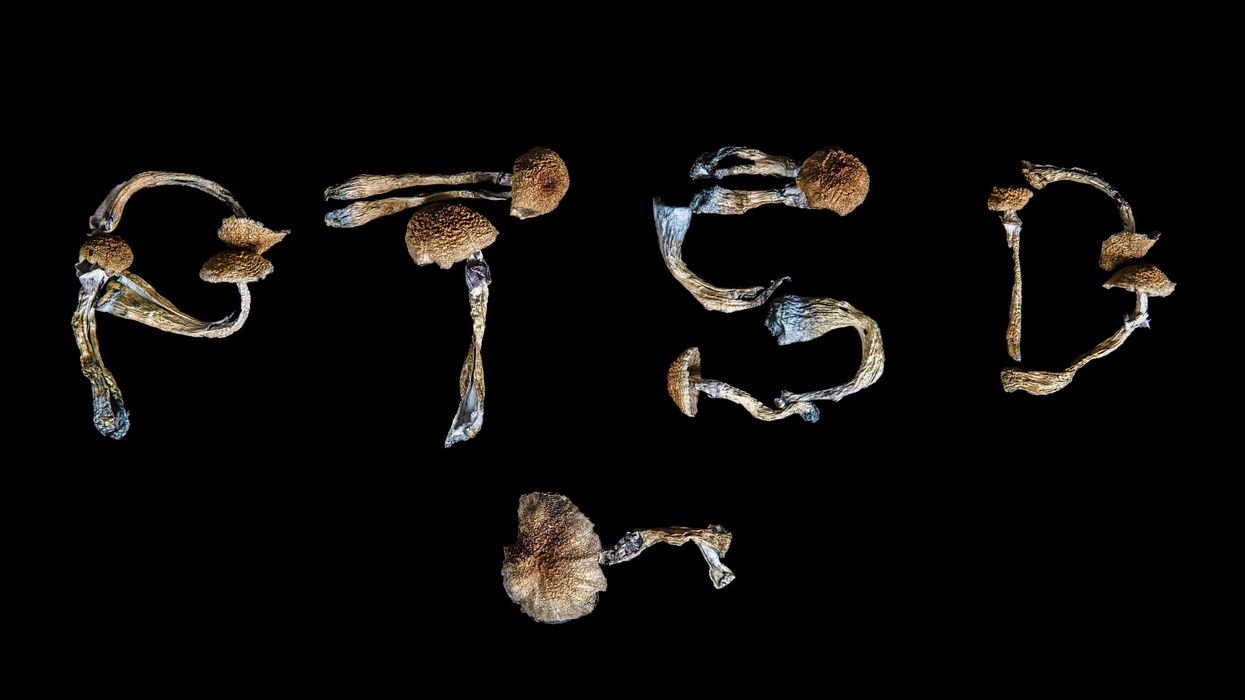
Psilocybin and PTSD: Here's What We Know

People are turning to psilocybin for PTSD. Is it working?

Veterans and PTSD

Veterans are in mental distress, and most pharmaceutical curtails have failed to proffer a solution. Several years of war have tampered with their brain's fluid nature (neuroplasticity), thereby predisposing them to mental health challenges, including PTSD, anxiety, depression, and suicide. 

PTSD is the second (after sleep issues) most common mental health disorder affecting eight out of every ten veterans in the United States. 


Veterans who suffer from PTSD and other psychiatric disorders are at a greater risk for early death and suicide, thus supporting the need for a more potent treatment routine. While conventional medications have failed to offer a lasting solution to these mental health challenges, many veterans have turned to magic mushrooms

Although magic mushrooms are yet to be legalized in most parts of the world, a growing number of veterans have attested to using magic mushrooms to improve their PTSD, substance use disorders, and other psychiatric challenges. 

Psilocybin mushrooms are so successful at dealing with mental health that it was declared a breakthrough therapy for depression by the FDA in 2018

Magic mushrooms contain psilocybin or psilocin that can interact with neurotransmitters in our brains. Psilocybin and its sister molecule (psilocin) have been utilized as a potential treatment for addiction and mental and psychiatric disorders. 

How effective are magic mushrooms for PTSD?

Traumatic events like war, accidents, and losing a loved one can alter the connection in our brains, leading to PTSD. 

Our brains are essentially wired to have a flight-or-fight response, which is responsible for determining how we respond to extreme events. While the fight response allows us to face the danger, the flight response gives us the strength to withdraw from the danger. 

With PTSD, the brain is stuck in flight-or-fight mode, which can lead to a cluster of symptoms:

  • Insomnia
  • Anxiety 
  • Depression 
  • Addiction 

This will ultimately mess around with the brain's function and ability to respond to events less violently. People who suffer from PTSD often have a replay of their bad experiences or occurrences, thus requiring total brain rewiring via medications and other activities. 

The psilocybin in magic mushrooms can help restore neuroplasticity. It does this by interacting with serotonergic (serotonin) receptors. Serotonin receptors are responsible for biological and neurological processes like 

  • Learning 
  • Cognition 
  • Appetite
  • Anxiety
  • Anger 
  • Memory 
  • Nausea
  • Mood
  • Sleep
  • Thermoregulation 

They control how we respond to events. By interacting with these receptors, psilocybin and psilocin help to deal with anxiety, depression, PTSD, and addiction.  

Several veterans have attested to the therapeutic activity of magic mushrooms in promoting mental balance. A 2022 study on army veterans suffering from trauma shows that all the participants who had used psilocybin reported immediate and long-term improvements in their symptoms. 

Veterans like Chad Kruske have attested to the healing power magic mushroom for PTSD. Chad Kruske is an Oregon-based Navy seal veteran who suffered from PTSD for over a decade. According to a report filed by the Insider, Kruske recorded little to no improvements while self-medicating with drugs and alcohol. However, his mental health improved after his first magic mushroom trip in 2019. 

Kruske had this to say about his magic mushroom trip:

"I came out of it feeling rejuvenated, feeling this massive weight had been lifted off of me that I've been carrying around needlessly for decades. I came out of the session with the desire and the willingness to make the changes necessary to start moving in the other direction."

Iraq War veteran Sgt. Jenna Lombardo-Grosso also had a similar experience with magic mushrooms. She suffered from complex PTSD, which was mostly attributed to military and childhood sexual trauma. Years of prescription medication could not provide much improvement until she tried magic mushrooms. 

Is progress too slow?

Several clinical trials have found the use of psychedelic mushrooms to effectively deal with PTSD and other mental disorders in veterans. Most of these clinical trials are already in their final stages. They may lead to the approval and development of psilocybin-based medications for PTSD and mental health before 2025

With suicides happening every day, can veterans wait that long?

Need a little more Bluntness in your life? Subscribe for our newsletter to stay in the loop.

More For You

11 Signs You've Greened Out and How to Handle It - The Bluntness

11 Signs You've Greened Out and How to Handle It - The Bluntness

11 Signs You’ve Greened Out and How to Handle It

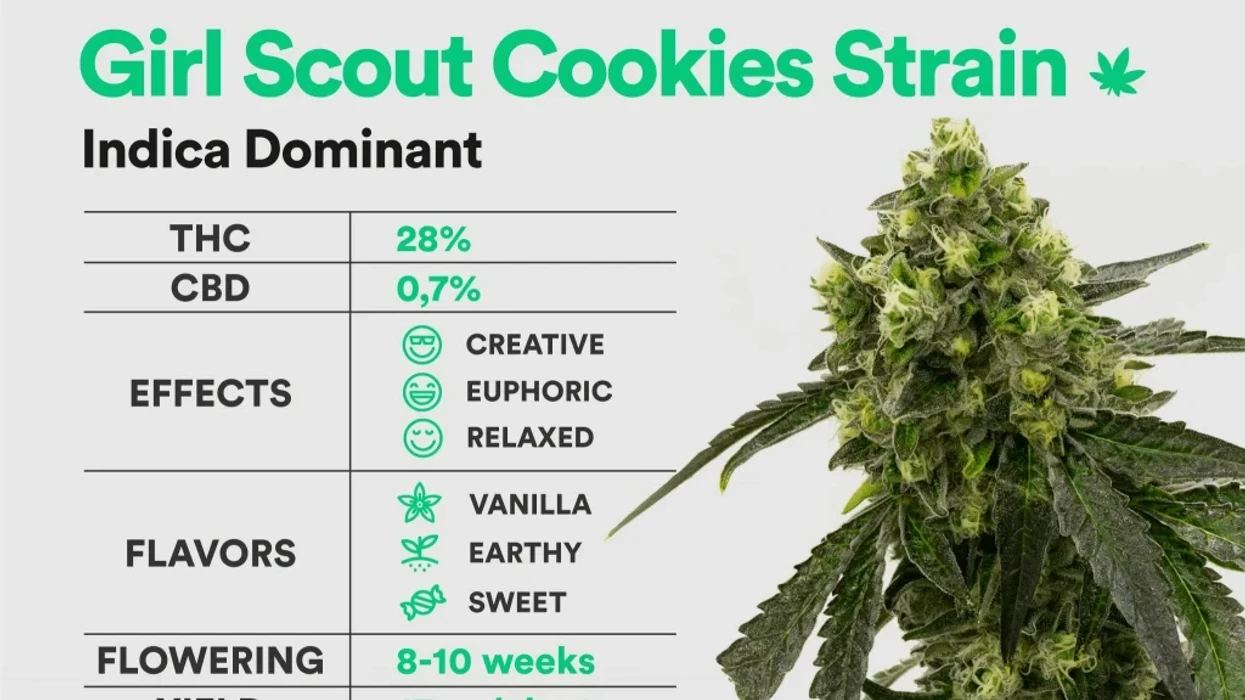
The term ‘greening out’ is a colloquial phrase for when somebody consumes too much cannabis. Yes, our body has a limit to which it can accommodate cannabis/cannabinoids especially THC. With doses that are too large or too frequent, cannabis starts producing some adverse side effects. Understanding the potency of different cannabis strains is crucial, as specific strains can have varying levels of THC, which significantly impacts the likelihood of experiencing negative effects like greening out.

Many regular cannabis consumers will know what it’s like to feel greened out, however the ordeal can be quite overwhelming for newcomers.

Keep ReadingShow less
What to do with all that kief at the bottom of your grinder? Coffee! - The Bluntness

What to do with all that kief at the bottom of your grinder? Coffee! - The Bluntness

DIY: How to Make Kief Coffee

If you’ve been consuming cannabis for a while now, you’ve heard of kief – in fact, you might be scrounging around at the bottom of your grinder for some as we speak. Kief is derived from the trichomes of the cannabis plant, making it a concentrated substance that contains cannabinoids and terpenes.

There are many ways to utilize this part of the plant, but infusing it with coffee is one of the tastiest and most effective methods. If you want to know how to make kief coffee, this one’s for you.

Keep ReadingShow less
The Truth About THC Candle: Cannabis Candles & How to Make Your Own - The Bluntness

The Truth About THC Candle: Cannabis Candles & How to Make Your Own - The Bluntness

Cannabis Candle Facts & DIY

The Truth About THC Candle: Cannabis Candles & How to Make Your Own

There are several different ways to consume cannabis, and some of them don’t even involve actual consumption. Cannabis candles are beginning to take over the candle game, allowing cannabis enthusiasts to enjoy the smells they’re used to having to cover up and hide: the danky goodness of weed.

As cannabis becomes less stigmatized in modern culture, people are beginning to come out and admit to their cannabis use. While smoking weed used to be something people felt they had to keep on the down low, the culture is becoming increasingly mainstream and the scent is now sought after rather than condemned. Many cannabis candles feature complex scent profiles, including notes of amber, which contribute to a rich and layered aromatic experience.

Keep ReadingShow less
Best Smoking Games to Try with Friends - The Bluntness

Best Smoking Games to Try with Friends - The Bluntness

Photo by Rumman Amin on Unsplash

Best Smoking Games to Try with Friends

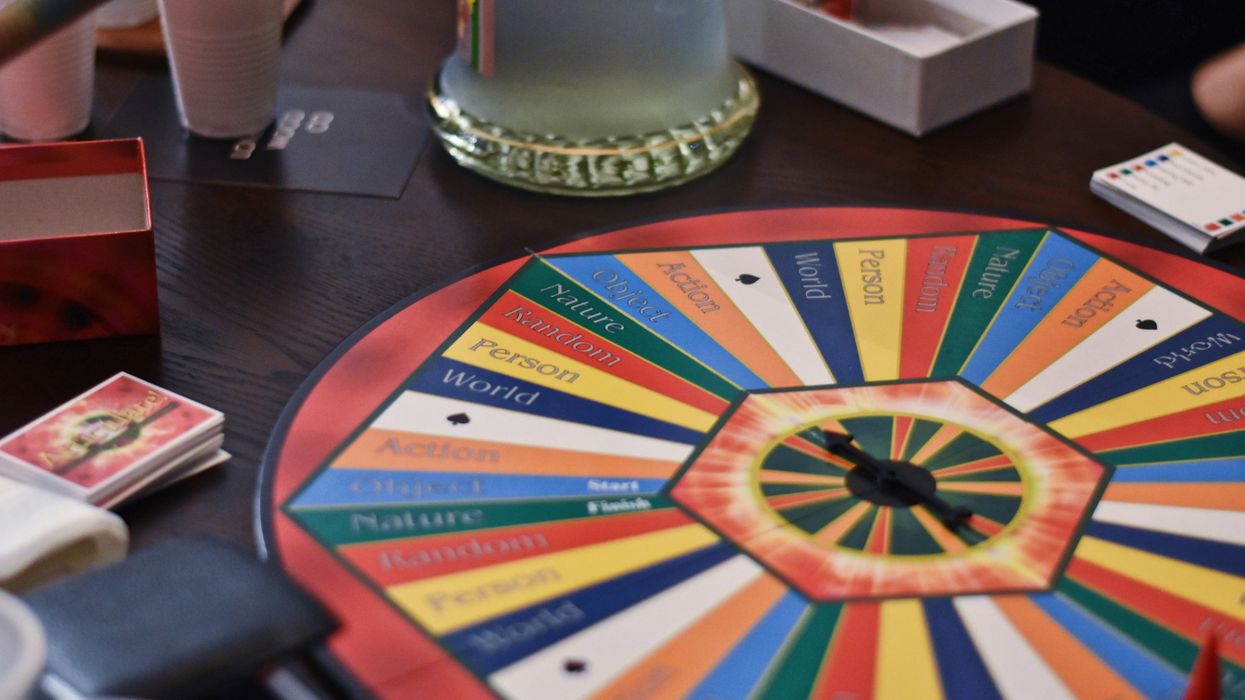
If you’re looking for a fun way to enjoy and celebrate cannabis with your friends, why not get silly competitive with one or more weed games?

You can even adapt your favorite drinking game to include cannabis for a fun twist. There are quite a few ways to combine friendly competition and fire ganja – in fact, you can incorporate cannabis into pretty much any game you want to. That being said, these are our top selections of fun weed games to play with your favorite stony companions.

Keep ReadingShow less
macro image of trainwreck cannabis strain

Trainwreck Strain Review - The Bluntness

Image courtesy of North Atlantic Seed Co

Trainwreck: Creative Daytime Lift

Quick Overview:

CategoryDetails
Strain TypeSativa-dominant hybrid (Mexican × Thai × Afghani)
Typical THC/CBD~17–22% THC, <1% CBD (varies by cut and lab)
Flavor & AromaSweet lemon, spicy pine, earthy/woody notes
Dominant TerpenesTerpinolene (primary), with myrcene and pinene
Common EffectsUplifted, energizing, creative; may cause dry mouth/eyes or dizziness in some
Best ForDaytime creativity, mood lift, getting unstuck on tasks
Notable Children/CrossesPineapple Express, Kandy Kush; many "Trainwreck" hybrids on menus
Grow SnapshotModerate difficulty; indoor harvest ~8–10 weeks; ~450–550 g/m² potential

Trainwreck: the classic "get-moving" strain people still ask for

Trainwreck has decades of staying power because it checks boxes modern shoppers care about: bright, lemon-pine flavor, a terpene profile led by terpinolene, and a fast, cerebral lift that nudges you into action rather than gluing you to the couch. First bred in Northern California by crossing Mexican and Thai sativas with Afghani indica genetics, it delivers a brain-forward buzz with just enough body to keep things grounded. If you like Pineapple Express, there's a good reason, Trainwreck is part of that family tree. In this guide, you'll learn what Trainwreck tastes like, how it feels, who it suits, how it compares to other daytime strains, plus practical grow intel and FAQs.

What exactly is Trainwreck—and why does it remain a menu staple?

Trainwreck is a sativa-leaning hybrid known for an energetic onset and creative, talkative headspace. Its Northern California heritage mixes two landrace sativas (Mexican and Thai) with Afghani, which explains the clear-headed euphoria with a mild body anchor. Consumers often describe a sweet lemon and spicy pine nose, which tracks with its terpene mix and the "fresh forest" vibe on the palate.

Keep ReadingShow less