
If you've ever consumed cannabis and suddenly felt like every glance in your direction was a little too deliberate, you're not alone. Maybe you’ve been there—sitting on the couch, enjoying your high, when suddenly, you’re sure the person across the room is watching you. You turn to check. They’re not. Or are they?
It’s a common experience for cannabis users, often brushed off with a laugh and a casual, “Oh, you’re just high.” But that creeping feeling of being watched? It turns out, there's some actual science behind it.
The “Feeling Watched” Phenomenon: Just in Your Head?
The sensation of being stared at is something nearly everyone has experienced at some point. You might feel a prickling on the back of your neck or a sudden sense of awareness, and you turn around, only to lock eyes with someone. Surveys suggest that anywhere from 68% to 94% of people report feeling this sensation. For a long time, this was chalked up to imagination or coincidence. But it’s a phenomenon that’s fascinated researchers for more than a century, with the first scientific paper on the subject dating back to 1898.
Psychologists like Edward Titchener and, later, researchers throughout the 20th century, conducted experiments to see if humans truly have some kind of “sixth sense” for detecting when they’re being watched. The results? Well, they were mixed. Some studies found no significant ability to detect a gaze, while others, particularly from parapsychology circles, claimed modest success rates. However, modern science generally concludes that this sensation is more psychological than paranormal. In fact, it’s often our brains playing tricks on us—confirmation bias at work. We tend to remember the times we catch someone looking at us and forget the countless instances when no one is.
But what about when you’re high? Why does that feeling of being watched seem so much more intense after consuming cannabis?
Cannabis and Paranoia: A Well-Known Side Effect
If you’ve ever consumed too much THC, you’ve probably experienced it—your heart races, your mind spins, and suddenly, every sound, every movement in your periphery feels suspicious. You can’t shake the feeling that someone is paying a little too much attention to you. For many cannabis users, this sense of paranoia is an all-too-familiar part of the experience, especially when consuming higher doses of THC.
So, why does cannabis sometimes make us feel like we’re the star of a real-life “Truman Show”?
The answer lies in how THC interacts with your brain. When you consume cannabis, the THC binds to receptors in your brain, particularly in the amygdala, the region responsible for processing emotions like fear and anxiety. When THC overstimulates the amygdala, it can make you hyper-aware of your surroundings, heightening feelings of unease, suspicion, and yes—paranoia. In short, cannabis can put your brain’s natural threat detection system into overdrive, leading to that “I’m being watched” sensation.
But here’s where things get really interesting. While cannabis can certainly make these feelings more intense, they aren’t entirely a byproduct of being high. The sensation of being watched is something deeply rooted in human psychology, and cannabis just turns the volume up.
The Science of Feeling Watched: Not Just Paranoia
Even when you’re stone-cold sober, your brain is wired to be on the lookout for threats. It’s a survival mechanism that evolved to keep our ancestors safe from predators. While you’re probably not worried about a saber-toothed tiger sneaking up on you, your brain is still primed to detect potential danger—including someone’s eyes on you from across the room.
This hyper-vigilance is part of what makes humans so good at picking up social cues. In fact, some scientists argue that the sensation of being watched may be tied to the brain’s finely tuned ability to detect subtle changes in our environment. When we feel anxious or uncertain, our threat detection system goes into overdrive, making us more likely to perceive a stare, even if no one is looking at us.
So, while cannabis can intensify these feelings, the sensation of being watched isn’t unique to being high—it’s just a magnified version of a very human experience.
Why Does Cannabis Make It Worse?
Cannabis, specifically THC, enhances your brain’s sensitivity to environmental stimuli. Your mind starts racing, small things feel bigger, and suddenly, the most mundane situation can feel like it’s dripping with meaning. For some, this can be an enjoyable, heightened sense of awareness. For others, especially at higher doses, this overstimulation can tip into paranoia.
The brain’s amygdala, responsible for fear and emotional regulation, plays a major role here. THC overstimulates the amygdala, which is why higher doses can lead to feelings of anxiety, suspicion, and—you guessed it—that creeping sense that someone’s watching you.
But here’s the kicker: This isn’t just “being high.” A study conducted by Oxford University found that THC can indeed make people more likely to interpret neutral faces as threatening and cause paranoid thoughts. So, when you’re feeling particularly watched after consuming cannabis, there’s a scientific explanation for that heightened awareness, even if no one’s really looking.
Can You Avoid Cannabis-Induced Paranoia?
Now that we know the science behind it, how can cannabis users avoid these feelings of paranoia and anxiety?
- Start Low and Go Slow: THC affects everyone differently, and higher doses are more likely to lead to feelings of paranoia. If you're prone to anxiety, consider starting with a low dose and slowly increasing it to find your comfort zone.
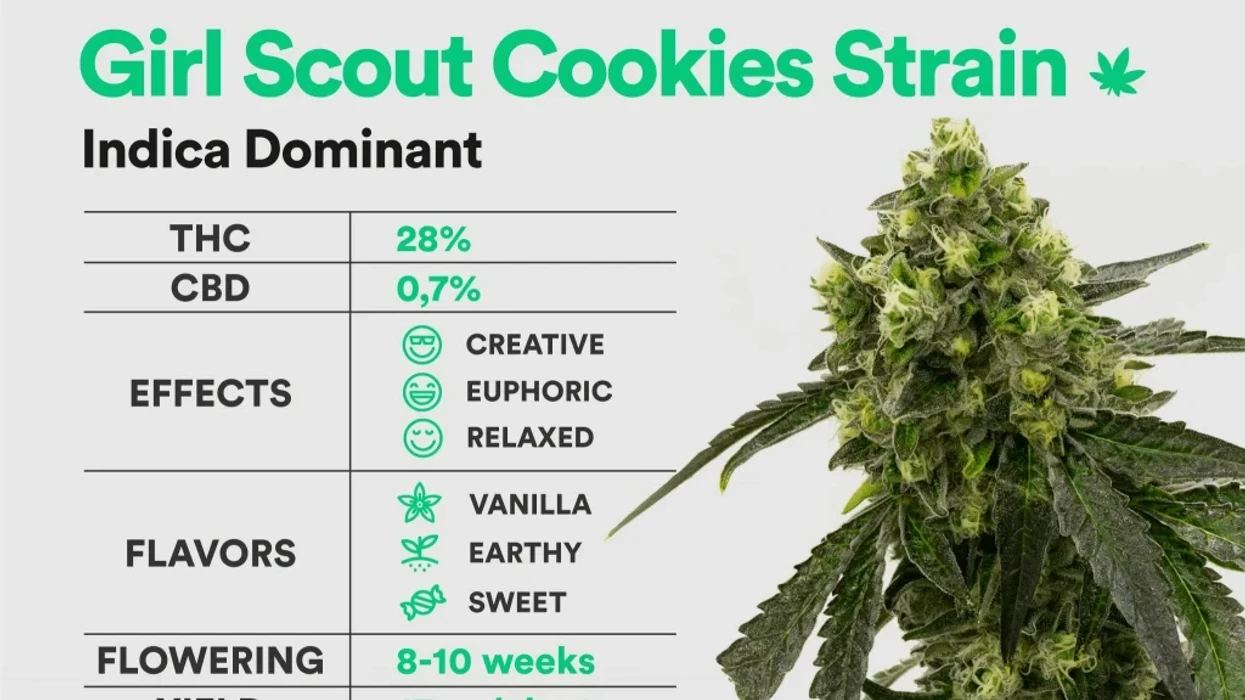
- Consider CBD: Cannabidiol (CBD), another compound found in cannabis, can counteract some of the negative effects of THC, including paranoia. Strains that are higher in CBD and lower in THC may offer a more balanced experience, reducing the likelihood of feeling anxious or paranoid.
- Create a Calm Environment: Set and setting matter. If you’re in a comfortable, familiar environment, you’re less likely to feel on edge. Reducing external stressors can help minimize cannabis-induced anxiety.
- Choose the Right Strain: Different cannabis strains can produce different effects. Some strains are known for their calming, relaxing properties, while others may be more likely to induce anxiety. Experiment with strains that work for your body chemistry.
Final Thoughts: You’re Not Imagining It
So, the next time you consume cannabis and feel like someone’s watching you, take comfort in knowing that the feeling is more than just “being high.” It’s a natural human experience—one that’s rooted in our biology but often amplified by cannabis.
In the end, the sensation of being watched, while uncomfortable, is a reminder of how intricately our minds are wired for survival. And whether you’re sober or high, the feeling is often just that—a feeling, not reality. So, relax, enjoy your high, and remember: sometimes, the only thing watching you is your overactive imagination.