Update to our coverage: Since this article was originally published, the enforcement case against Omnium Health has taken a sharp and unexpected turn. On December 8, 2025, New York’s Office of Cannabis Management abruptly withdrew the charges underpinning the license revocation, triggering leadership shakeups inside the agency and raising new questions about how the case was built and handled.
While regulators moved to step back, an administrative law judge declined to immediately dismiss the matter, leaving the door open to potential future action and lifting the recall order on roughly $30 million in Omnium products. We will continue to update this story as the situation develops.
At-a-Glance
- What’s new: NY’s Office of Cannabis Management (OCM) issued a Notice of Pleading (NOP) charging Omnium Health (d/b/a Omnium Canna) with facilitating unlicensed production under its license and ordered a statewide retail recall tied to products made by unlicensed processors.
- Why it matters: Regulators call it “reverse licensing” - unlicensed operators allegedly producing/packaging cannabis under a licensee’s umbrella, which undermines market integrity and fairness.
- Penalties sought: License revocation (processor + distributor), debarment from future licensure, civil penalties tied to projected revenue, and destruction of unlawfully made products.
- Timeline: Investigation began February 2025; OCM announcement issued October 20, 2025; coverage followed October 22, 2025.
What Exactly Is OCM Alleging?
OCM says Omnium let unlicensed businesses use its facilities and resources, and charged them rent, creating a “rent-a-license” (aka “reverse licensing”) arrangement. Investigators cite contracts, audits, and witness testimony supporting the claim.
The NOP also points to seized materials, including unlabeled THCA isolate (no batch IDs or traceability) and packaging labeled “Omnium d/b/a MFused,” which investigators say reflected space and license rental.
Why this is a big deal: If true, it allows unvetted operators to push product into the legal market without meeting NY’s compliance requirements, disadvantaging operators who follow the rules.
What the State Wants to Do About It
In the NOP, OCM says it will seek:
- Revocation of Omnium’s processor and distributor licenses
- Debarment from future licensure
- Civil penalties tied to projected revenue from the unauthorized products
- Retail recall of products made by unlicensed processors
- Destruction of unlawfully produced cannabis products
OCM leadership framed the alleged conduct as a “blatant breach” of rules designed to ensure transparency and fairness and emphasized that licenses aren’t transferable and only licensed operators may produce and distribute cannabis.
Independent coverage by Ganjapreneur, Cannabis Science & Technology and others highlights the same core facts: the recall order, the “reverse licensing” allegations, and the scope of penalties OCM intends to pursue.
Read the OCM's NOP HERE:
omnium-compliance-action-release.pdf
What Does the Statewide Retail Recall Mean in Practice?
Scope: OCM ordered a retail recall “from the market of all products made by unlicensed processors.” That language is broad; the NOP ties the recall to products associated with the alleged unlicensed production. Licensed retailers should review inventory, manifests, and batch data, and follow OCM’s recall instructions as issued.
Retailer actions (practical steps):
- Isolate inventory potentially linked to the NOP (check supplier, lot/batch IDs, and packaging).
- Follow OCM recall communications (return/hold procedures, signage requirements, and consumer notifications).
- Document everything (chain of custody, quantities, dates, and staff actions) to demonstrate good-faith compliance.
- Proactively communicate with customers about refunds/exchanges per OCM guidance to maintain trust.
- Note: The recall directive and penalties will be finalized through the OCM process; retailers should monitor official OCM updates.
Consumers: If you purchased items later identified in the recall, follow retailer/OCM instructions on returns or disposal and keep purchase receipts where possible.
How “Reverse Licensing” Warps the Market
The “rent-a-license” play gives unlicensed operators a shortcut into store shelves without the costs, controls, and accountability that licensed operators carry. That distorts pricing, erodes consumer confidence, and saps compliant operators’ margins, exactly why OCM’s Trade Practices Bureau was set up to pursue “market integrity” threats like this.
The Timeline: Key Dates to Know
- February 2025: OCM launches the Omnium investigation via the Trade Practices Bureau after a compliance referral.
- October 20, 2025: OCM issues the NOP, outlines alleged “reverse licensing,” and announces the recall and penalties it will seek.
- October 22, 2025: Coverage appears in industry news outlets summarizing OCM’s actions and the recall scope.
What Happens Next?
Omnium can respond to the NOP and contest the allegations through New York’s administrative process. In the meantime, the recall directive stands, and licensees should treat OCM’s communications as active compliance instructions. (For official recall status/updates, check OCM’s site and notices.)
If You’re a Licensed Operator, Use This Moment to Tighten the House
Quick self-audit checklist:
- No “license lending.” Ensure third-party or white-label agreements don’t give operational control or production cover to unlicensed entities.
- Transparent contracts. Every manufacturing/packaging/fulfillment relationship should be documented, disclosed (when required), and readily auditable.
- Lot-level traceability. Batch IDs, manifests, test results, and movement logs must be complete and easily retrievable.
- Visitor/vendor controls. Access logs and SOPs should prevent “shadow” production on your premises.
- Rapid recall readiness. Have a written plan for quarantining product, notifying retailers, and executing returns within 24 hours of a directive.
These aren’t “nice to haves.” They’re the minimum for surviving increased enforcement and for protecting the brand you’re working to build.
Frequently Asked Questions
What is “reverse licensing” (aka “rent-a-license”)?
A scheme where an unlicensed operator uses a licensee’s facilities/resources to produce or package cannabis, often for a fee, then moves that product into retail as if it were the licensee’s. OCM calls this a threat to market integrity.
Did OCM document specific issues?
The NOP references packaging tied to “Omnium d/b/a MFused” and unlabeled THCA isolate with no batch traceability, red flags for illicit production and potency manipulation.
Is every Omnium-related product recalled?
OCM’s order targets products made by unlicensed processors; retailers will receive guidance identifying what to pull. Monitor official OCM communications for SKU/lot specifics.
What penalties is OCM seeking?
Revocation of Omnium’s licenses, debarment, civil penalties linked to revenue from unauthorized products, and destruction of unlawfully produced items.
The Bluntness Take: If you’re running a legit operation in New York, this case is a warning shot. The state is drawing a clear line: no borrowed licenses, no shadow production, no traceability gaps. The market is still fragile, and any shortcuts will be treated like existential threats to the program. Stay tight, stay transparent, and act fast on recall guidance.

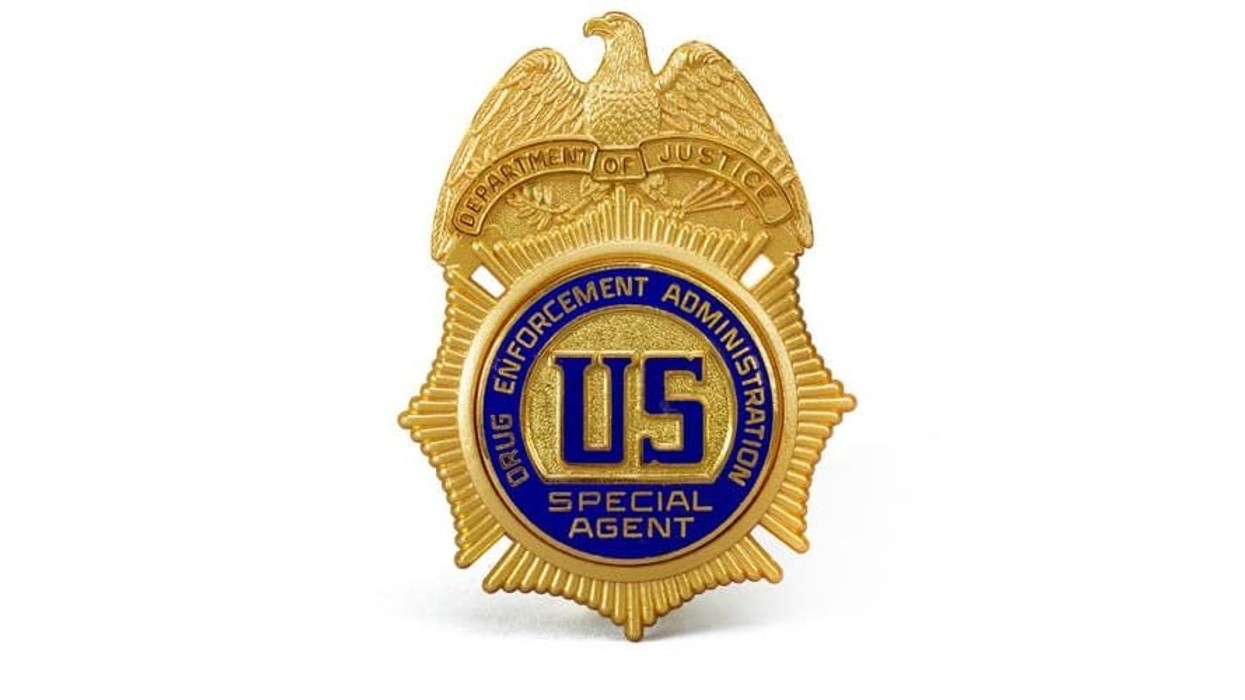

 Apple Fritter Strain - The Bluntness Riverside Greenery
  Indica vs. Sativa: Are These Cannabis Labels Outdated? - The Bluntness
  Georgia Pie Strain Profile: history, effects, and more - The Bluntness
  How many strains of weed are there? - The Bluntness