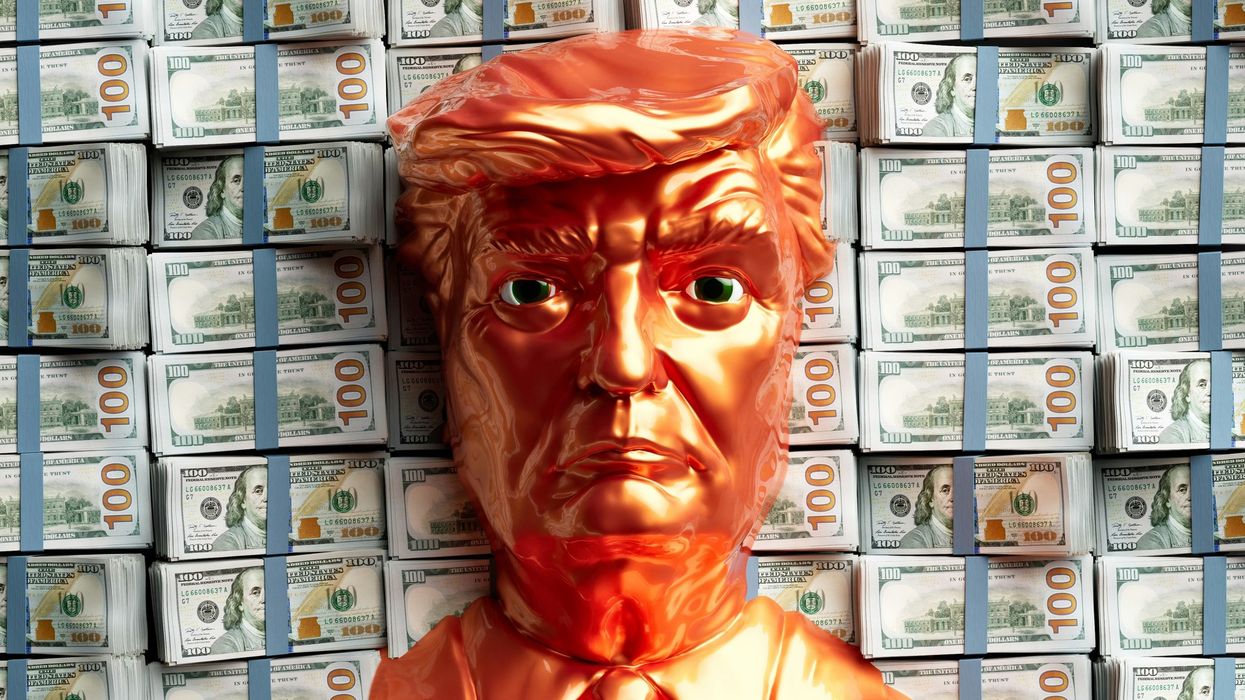
A Major Federal Shift, Decades in the Making
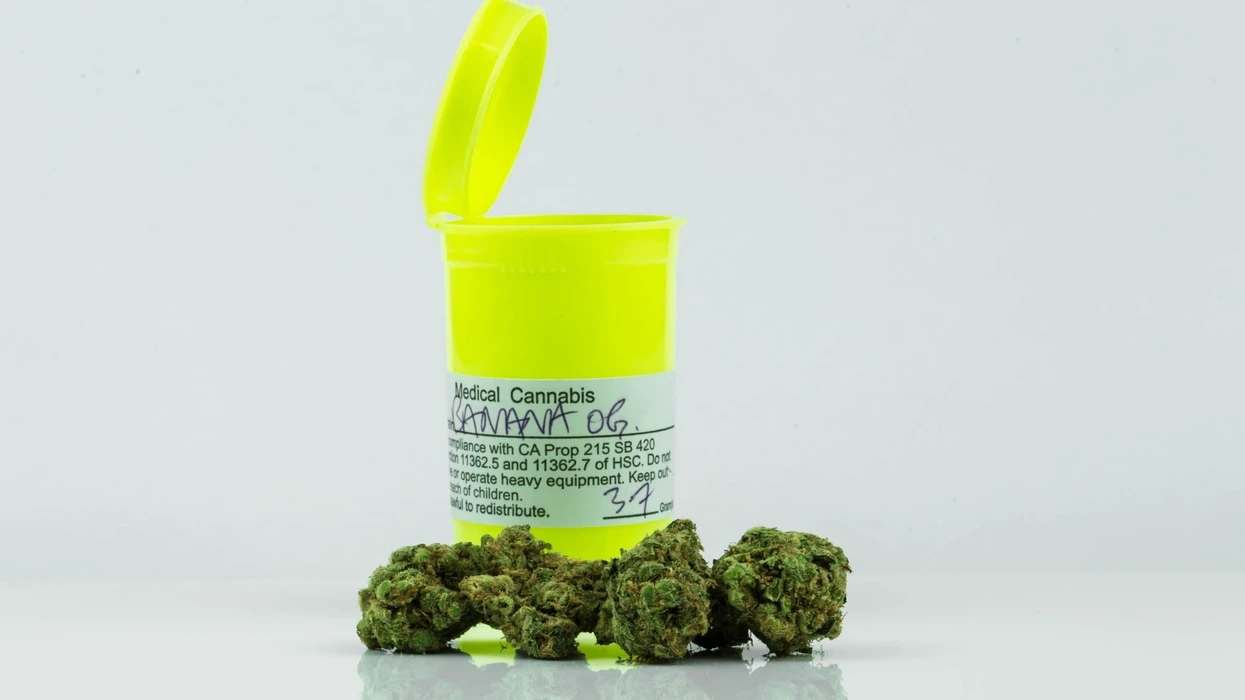
For the first time since federal cannabis prohibition began more than 50 years ago, the White House is moving to formally acknowledge what patients, researchers, and state regulators have argued for decades: cannabis has legitimate medical value.
According to Axios, President Donald Trump has signed an executive order directing the Department of Health and Human Services and the Drug Enforcement Administration to initiate the rulemaking process to reclassify marijuana from Schedule I to Schedule III. This action does not legalize cannabis nationwide, but it materially alters how the federal government defines and regulates the plant.
Schedule I substances are deemed to have no accepted medical use. Schedule III substances are recognized as having medical applications and a lower potential for abuse. That shift carries real operational, financial, and scientific consequences.
What Schedule III Cannabis Changes, and What It Does Not
Rescheduling cannabis reshapes the federal posture toward the industry, but it does so in specific and limited ways.
What rescheduling unlocks
- Expanded federally sanctioned medical and clinical research
- Recognition of cannabis as a legitimate medical product
- Potential relief from punitive federal tax treatment under IRS 280E
- Improved credibility with financial institutions and investors
What rescheduling does not do
- It does not legalize recreational cannabis federally
- It does not override state cannabis laws
- It does not authorize interstate cannabis commerce
The executive order begins a formal rulemaking process, meaning the change is not instantaneous. Public comment periods and agency review still lie ahead.
Markets React as Cannabis Stocks Rally
Even before the rulemaking process begins, markets are responding.
Cannabis equities rose sharply as news of the executive order spread, reflecting investor expectations that federal acknowledgment of medical value reduces long-term regulatory risk. While volatility remains, the rally signals renewed institutional interest in a sector long constrained by federal uncertainty.
For many investors, rescheduling does not solve every problem. It does, however, change the trajectory.
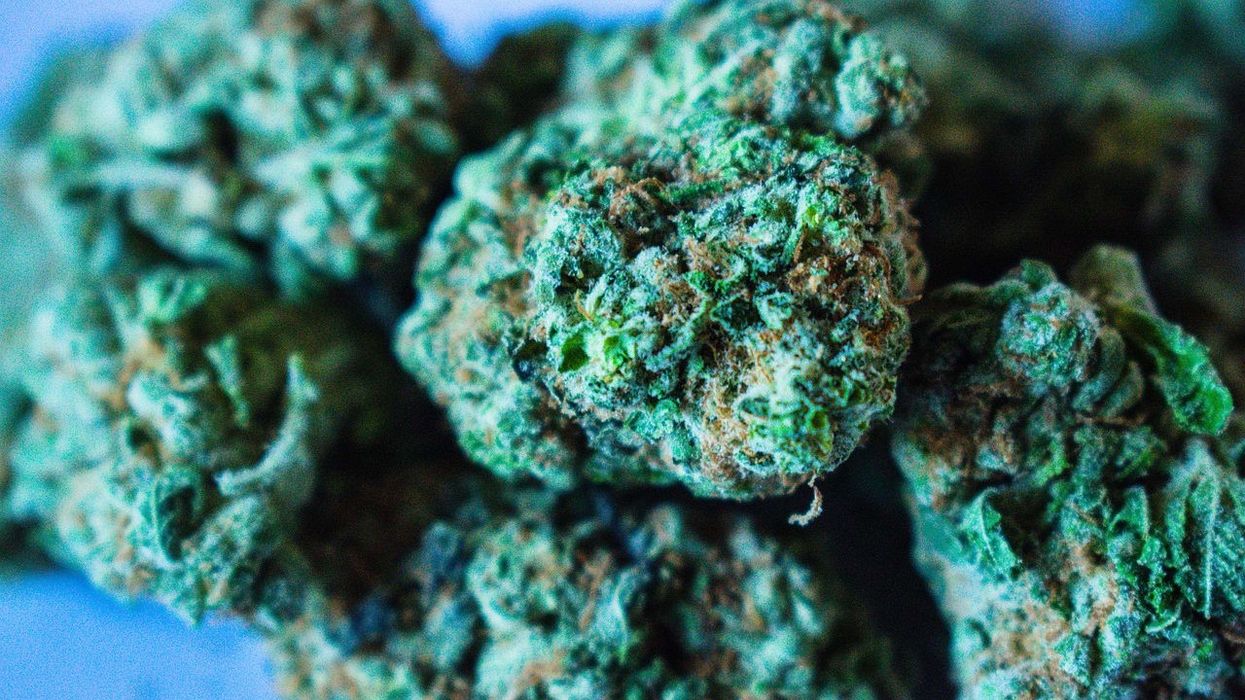
 Markets React to President Trump's Executive Order as Cannabis Stocks Rally - The Bluntness Photo by Tötös Ádám on Unsplash
Industry Reaction: Applause, Relief, and Clear Conditions
Across the cannabis ecosystem, from multi-state operators to data platforms and legacy brands, reaction has been overwhelmingly supportive, with a consistent message: this is real progress, but it must be followed by thoughtful execution.
Boris Jordan, Founder, Chairman, and CEO of Curaleaf, called the move the most impactful federal action on cannabis since prohibition, stating that it finally aligns policy with science, patients, and reality. He emphasized that cannabis never belonged in Schedule I and that rescheduling opens the door to research, investment, and fairer treatment of legal operators.
Sam Brill, CEO of Ascend Wellness Holdings, framed the decision as a critical advancement for public safety and patient access, noting that recognition of medicinal value supports better policymaking and more consistent access to regulated products nationwide.
From a public health and science perspective, Wendy Bronfein, Co-Founder and Chief Brand Officer of Curio Wellness, described the announcement as a turning point after years of political posturing. She highlighted the role of rigorous medical and pharmacological research in shaping policy grounded in data rather than ideology.
Why 280E Relief Matters Right Now
While symbolism matters, operators are focused on economics.
Cy Scott, Co-Founder and CEO of Headset, pointed to federal tax policy as the most immediate pressure point. He noted that 280E forces cannabis retailers to pay taxes on gross profit rather than true operating income, leaving many otherwise healthy businesses operating near breakeven. Rescheduling, he said, could translate into immediate cash flow relief, fewer closures, and a more sustainable legal market.
Kyle Sherman, Founder and CEO of Flowhub, echoed that view, calling rescheduling a meaningful step toward ending the failed War on Drugs. He emphasized that outdated tax policy has crushed plant-touching companies for years and that improved cash flow would allow operators to reinvest in hiring, growth, and patient access, while also encouraging broader participation from traditional financial institutions.
Legacy, Equity, and Cultural Stakes
Not all optimism is unconditional.
Andrew Berman, CEO of Arcana Collective, welcomed rescheduling as meaningful progress while cautioning that it may also invite large pharmaceutical or tobacco interests into the space. He stressed the importance of protecting legacy operators and the culture that built the cannabis industry, describing rescheduling as progress, not a conclusion.
That concern is shared by equity-focused operators. Jasmine Johnson, CEO of GŪD Essence, described rescheduling as a long-overdue shift that opens the door to fairer taxation and real research, while warning that small, minority-owned, and legacy-rooted businesses must not be left behind as federal policy evolves.
Legal and Scientific Implications Beyond Cannabis
Rescheduling also carries implications beyond marijuana alone.
Paula Savchenko, Esq., founding partner of Cannacore Group and PS Law Group, noted that recognizing cannabis’ medical value strengthens the case for science-based regulation across the broader cannabinoid marketplace, including hemp-derived products. She emphasized that rescheduling could bring much-needed clarity and stability to industries long caught between contradictory federal interpretations.
From a life sciences perspective, Marc Beginin, Esq., Founder and CEO of Prodigy Processing Solutions, highlighted that Schedule III status aligns cannabis more closely with global pharmaceutical and GMP standards. He pointed to increased opportunities for research, innovation, and international engagement, with consumers benefiting from safer, more consistent products.
What This Means for State Markets Like New York
In state-regulated markets such as New York, federal rescheduling raises expectations.
Recognition at the federal level strengthens the legitimacy of state-legal programs, but it also increases pressure on regulators to deliver consistency, competence, and clear enforcement. For operators navigating thin margins, evolving compliance mandates, and investor skepticism, rescheduling creates momentum that state execution must now match.
"The most immediate impact is that cannabis businesses can finally be treated like normal businesses, from taxes to access, and that alone is huge. But just as important is what this means for research. This plant is medicine, and there are still so many inner qualities we need to understand. From an industry standpoint, this is long overdue. It is absolutely crazy to think that cannabis is in the same schedule as heroin and fentanyl for over 50 years and no president has acted to correct this wrong. This administration was willing to take decisive action, and that matters. Action speaks louder than words," added Elad Kohen, CEO at The Flowery, one of the fastest-growing cannabis companies in the U.S, operating 22 retail locations across Florida and New York.
Bottom Line
President Trump’s move to reclassify marijuana to Schedule III is the most consequential federal cannabis policy shift in decades. It acknowledges medical reality, improves the outlook for research and operators, and signals a shift toward normalization.
At the same time, the industry is clear-eyed. Rescheduling is a foundation, not the finish line. Real reform will depend on how federal agencies implement the change, how Congress addresses banking and taxation, and whether equity, legacy operators, and patients remain central to the next phase of cannabis policy.
For the first time in a generation, federal cannabis policy is moving forward. What happens next will determine whether momentum becomes lasting change.
The Bluntness is gearing up for big things. Don't miss out! Sign Up for our newsletter to stay in the loop.


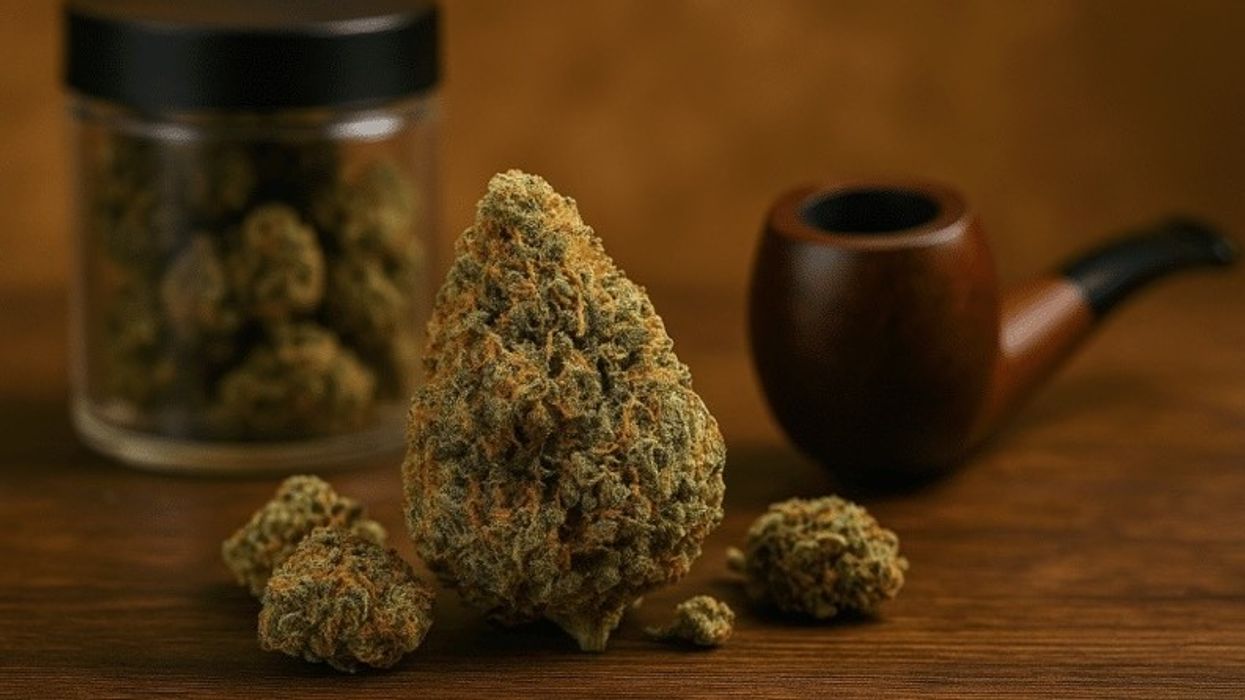
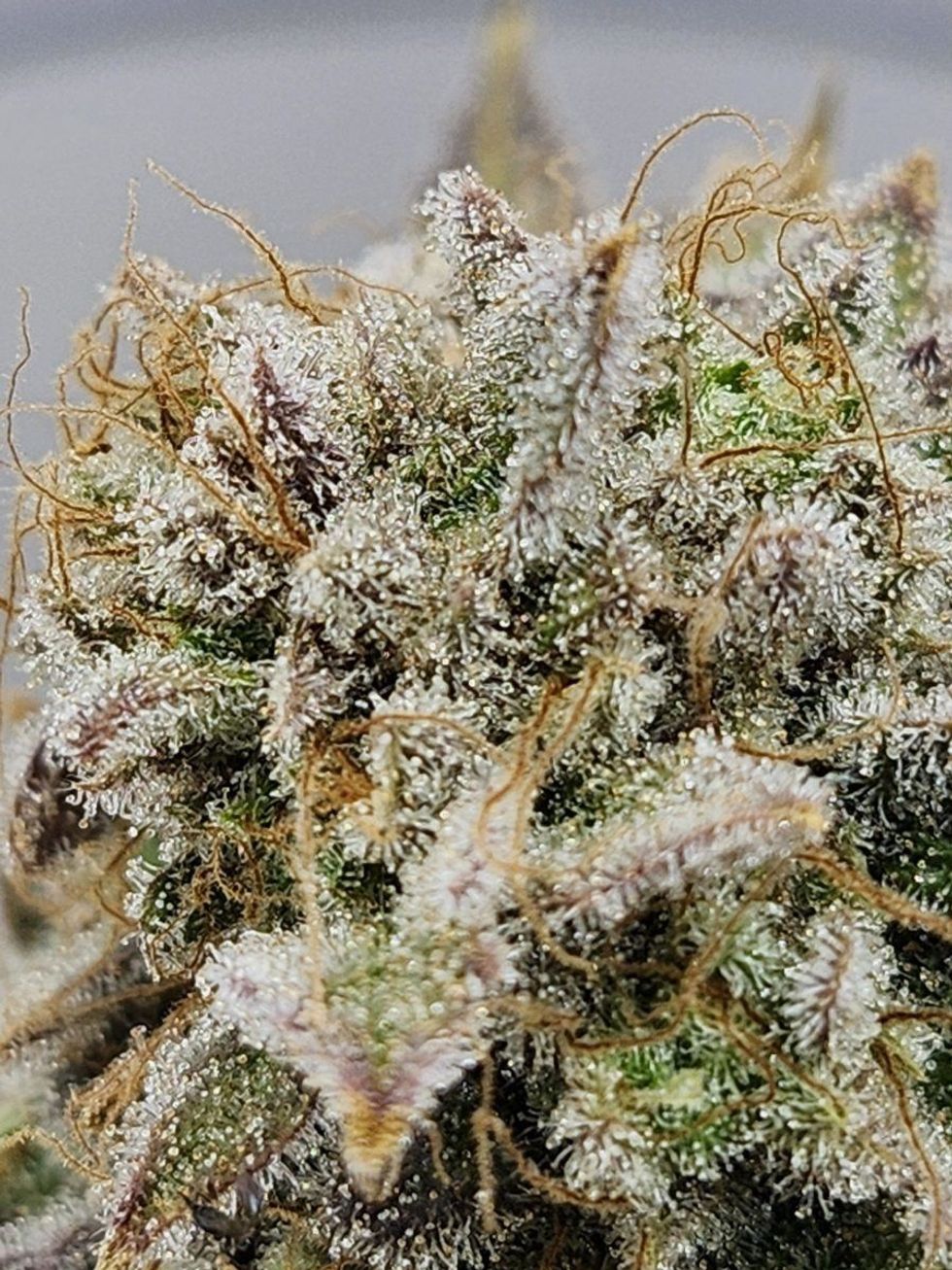 Acapulco Gold Cannabis Strain Review - The Bluntness
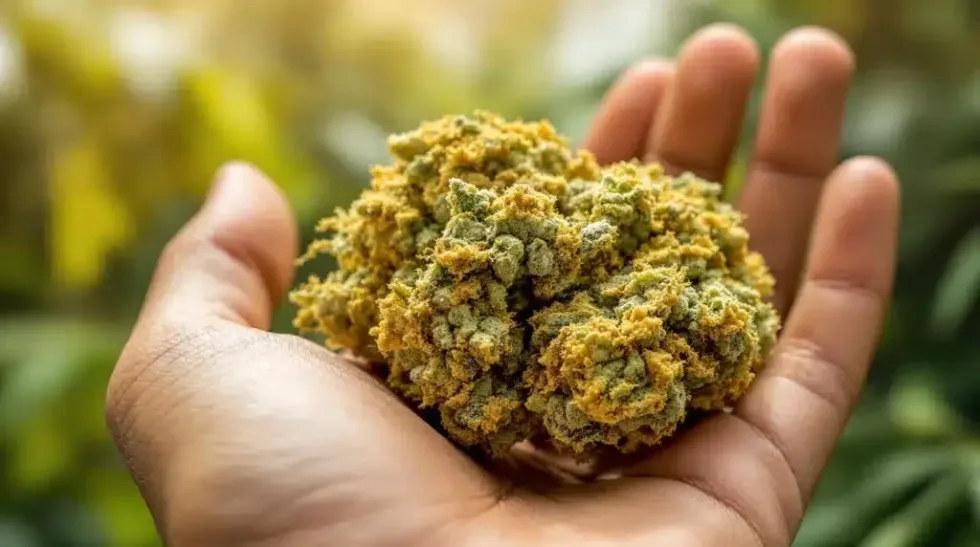 Acapulco Gold Cannabis Strain - The Bluntness Blimburn Seeds