How Much Does Cannabis Actually Cost in 2026?
Quick Cannabis Pricing Reference
| Quantity | Weight | National Average | Cheapest States | Most Expensive States |
|---|---|---|---|---|
| 1 Gram | 1g | $10-$15 | $3-$5 (OR, MI) | $15-$20 (DC, IL, NY) |
| Eighth | 3.5g | $30-$45 | $15-$25 (OR, MI) | $50-$70 (DC, CT, NJ) |
| Quarter | 7g | $50-$75 | $30-$45 (OR, MI, WA) | $90-$120 (DC, IL) |
| Half Ounce | 14g | $90-$130 | $50-$75 (MI, OR, WA) | $150-$200 (DC, IL) |
| Full Ounce | 28g | $150-$300 | $60-$100 (MI, OR, CA) | $500-$600 (DC, ND) |
| Possession Limit | Varies | Most states: 1-2 oz | Check local laws | Violating = penalties |
Last Updated: January 2026 | Sources: State regulatory agencies, Cannabis Business Times, Headset Analytics
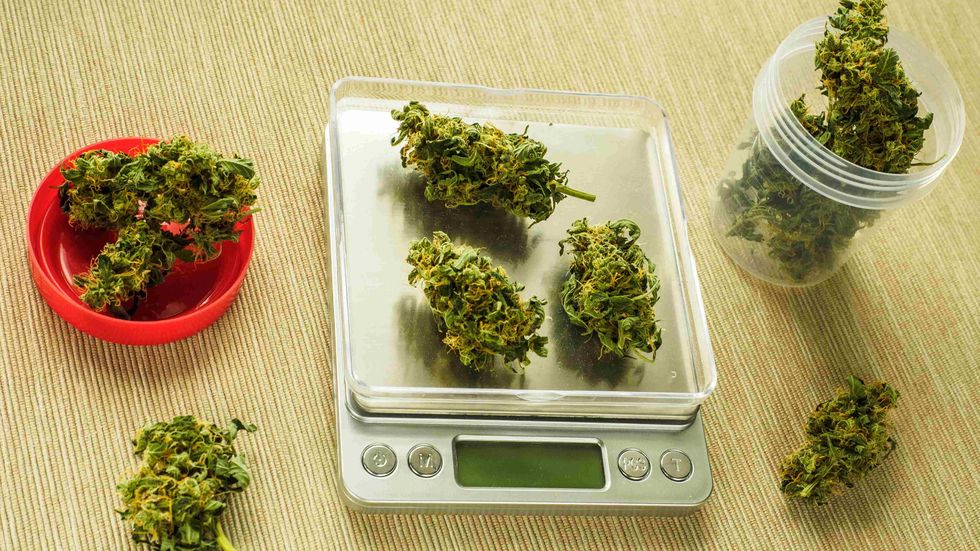 How much are you paying for your weed? www.thebluntness.com
Why Cannabis Prices Swing Wildly Across America
Walk into a Michigan dispensary and you'll find ounces for $60. Drive to Washington D.C. and that same amount costs $590. Same plant, 10x price difference. Welcome to cannabis pricing under prohibition—where state lines matter more than supply and demand.
Here's what actually determines cannabis prices in 2026:
Market Maturity
- Established markets (Colorado, Oregon, Washington, Michigan, California): 6-12 years of legal sales means fierce competition, abundant supply, and rock-bottom prices
- Newer markets (Ohio, New Jersey, Connecticut, Maryland): Limited dispensaries, constrained supply, premium pricing
- Emerging markets (New York, Delaware, Minnesota): Sky-high prices as infrastructure develops
Tax Structures
- Michigan: 10% excise tax - among the lowest
- Washington: 37% excise tax - among the highest
- Illinois: Tiered system (10-25% based on potency) plus local taxes
- Medical patients: Often exempt from excise taxes, saving 15-30%
Supply Dynamics
- Oregon's oversupply: 3 million pounds in storage = $3.50/gram retail
- Illinois' limited licenses: Controlled supply = $8-10/gram retail
- Interstate commerce ban: Each state operates as isolated market
Competition Levels
- Michigan: 843 dispensaries serving 10 million people
- Illinois: 242 dispensaries serving 12.6 million people
- More dispensaries per capita = lower prices through competition
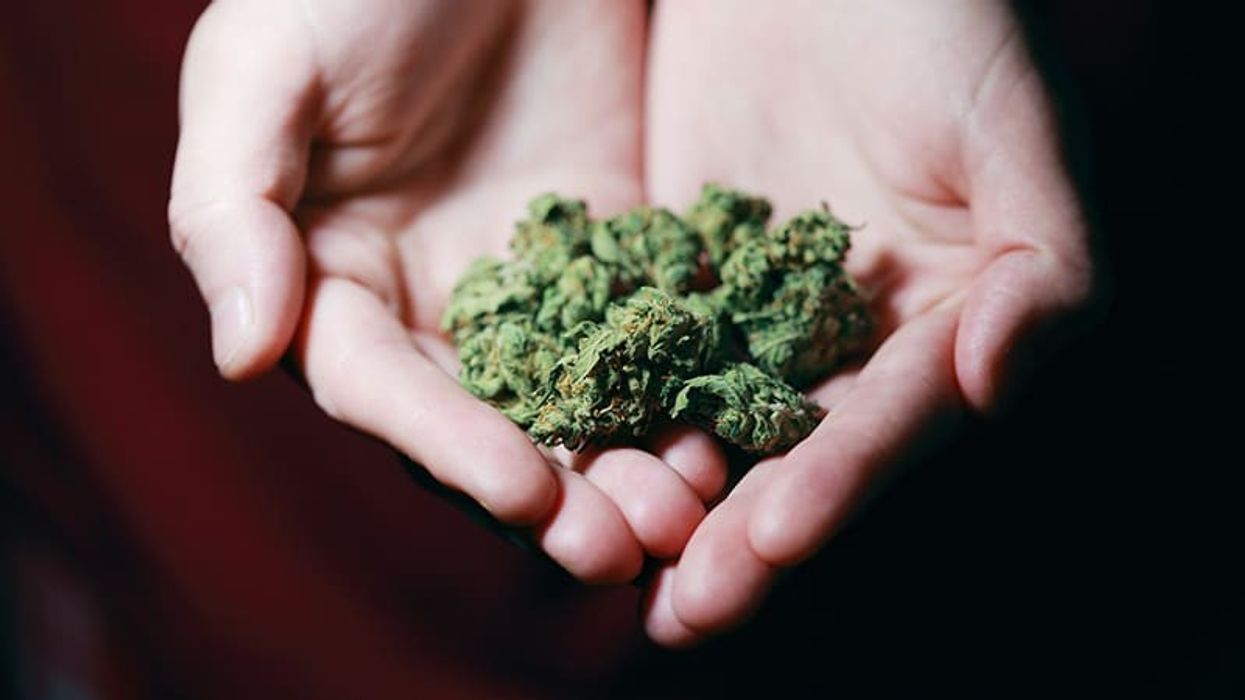
 Complete 2026 cannabis pricing guide - The Bluntness Photo by Piret Ilver on Unsplash
Understanding Cannabis Measurements (Because It's Confusing on Purpose)
Cannabis uses a bizarre hybrid of metric and imperial measurements. Here's the breakdown in plain English:
The Basics: Grams to Ounces
1 Gram (1g)
- Visual: About the size of a grape or large marble
- Rolls: 1-2 decent joints or 3-4 bowls
- Cost: $3-$20 depending on state and quality
- When to buy: Trying new strains, quick smoke, tight budget
Eighth (3.5 grams)
- Actual name: One-eighth of an ounce (⅛ oz)
- Visual: Roughly the size of a kiwi or small apple
- Rolls: 4-7 joints or 10-15 bowls
- Cost: $15-$70 (national average $30-45)
- Duration: 3-7 days for regular users, 1-3 weeks for occasional users
- When to buy: Most popular size - best balance of value and freshness
Quarter (7 grams)
- Actual name: Quarter ounce (¼ oz)
- Visual: Size of a large egg or small orange
- Rolls: 7-14 joints or 20-25 bowls
- Cost: $30-$120 (national average $50-75)
- Savings: Usually 15-25% cheaper per gram than buying two eighths
- When to buy: Regular users, week-long supply
Half Ounce (14 grams)
- Actual name: Half ounce (½ oz)
- Visual: Fills your palm, roughly softball-sized (strain dependent)
- Rolls: 14-28 joints or 40-50 bowls
- Cost: $50-$200 (national average $90-130)
- Savings: 25-35% cheaper per gram than buying grams
- When to buy: Heavy users, 1-2 week supply, serious bulk savings
Full Ounce (28 grams)
- Actual name: One ounce (oz), also called a "zip"
- Visual: Fills a sandwich-size ziplock bag (hence "zip")
- Rolls: 28-56 joints or 80-100 bowls
- Cost: $60-$600 (wild state-to-state variation)
- Savings: 40-60% cheaper per gram than buying singles
- Legal limit: Maximum possession in most legal states
- When to buy: Maximum savings, month+ supply for many users
Slang Terms You'll Still Hear
- Dime/Dub: Historically $10 worth (usually 1g), less common now
- Stick: One gram
- Eighter: Eighth ounce
- Q/Quad: Quarter ounce
- Half-pack/Half-p: Half ounce or half pound
- Zip/O/Zone: Full ounce
- Elbow/L-bow: Pound (from "LB")
Pro tip: In legal dispensaries, these slang terms are fading. Just ask for quantities by weight—budtenders appreciate clarity.
State-by-State Cannabis Pricing (2026 Edition)
Prices vary dramatically by geography. Here's what you'll actually pay across major legal markets:
Cheapest Cannabis States
Oregon - The Budget King
- Per gram: $3.50 (all-time low)
- Eighth: $15-$25
- Ounce: $60-$100
- Why so cheap: Massive oversupply (3M+ pounds in storage), established market since 2015
Michigan - Price Compression Champion
- Per gram: $2-$4 (some dispensaries under $2/g)
- Eighth: $12-$25
- Ounce: $60-$85
- Why so cheap: 843 dispensaries, 1,036 grower licenses, fierce competition, 10% excise tax
Washington State
- Per gram: $5-$8
- Eighth: $20-$35
- Ounce: $100-$150
- Note: Higher excise tax (37%) but mature market keeps wholesale costs low
California - Quality at Volume Pricing
- Per gram: $6-$12 (depends heavily on quality)
- Eighth: $20-$50
- Ounce: $60-$200
- Why variable: Largest market ($4.2B annually), huge quality range from budget to craft
Colorado - The Original Legal Market
- Per gram: $4-$8
- Eighth: $20-$40
- Ounce: $95-$150
- Note: Legalized 2012, stable mature market, moderate taxes
Mid-Range Cannabis States
Massachusetts
- Per gram: $4-$9
- Eighth: $30-$50
- Ounce: $120-$180
- Market: Stabilizing after years of high prices, increasing competition
Ohio - New Market Settling
- Per gram: $6-$10
- Eighth: $35-$55
- Ounce: $180-$250
- Note: Launched adult-use August 2024, prices dropping rapidly
Arizona
- Per gram: $8-$12
- Eighth: $35-$50
- Ounce: $150-$250
Missouri
- Per gram: $9-$14
- Eighth: $40-$60
- Ounce: $200-$300
Most Expensive Cannabis States
Washington D.C. - Prohibitively Expensive
- Per gram: $15-$21
- Eighth: $60-$85
- Ounce: $500-$600 (highest in nation)
- Why: Legal to possess/gift but not sell retail, "gifting economy" inflates prices
Illinois - High Tax Haven
- Per gram: $8-$15
- Eighth: $45-$70
- Ounce: $250-$320
- Why: Tiered excise taxes (10-25% based on potency), limited dispensaries (242 statewide), restrictive licensing
New York - Infrastructure Growing
- Per gram: $10-$18
- Eighth: $30-$75
- Ounce: $300-$400
- Why: Market still developing, limited licensed dispensaries, high demand
Connecticut - New Market Premium
- Per gram: $10-$16
- Eighth: $50-$70
- Ounce: $300-$380
- Why: Recently launched adult-use, supply constraints
New Jersey
- Per gram: $10-$15
- Eighth: $45-$65
- Ounce: $280-$350
- Why: High wholesale costs ($2,298/pound in 2024), newer market
When to Buy What: Strategic Cannabis Purchasing
Buying Single Grams ($3-$20)
Best for:
- Testing new strains before committing
- Occasional users who smoke monthly
- Trying high-end cultivars without dropping $50+
- Quick one-night purchase
Worst value per gram - but worth it when:
- You're sampling multiple strains at once
- You want to try a $15/g top-shelf cultivar
- Freshness matters more than savings
Real talk: At $10-15/gram, you're paying 2-3x what bulk buyers pay per gram. Only buy singles strategically.
Buying Eighths ($15-$70)
Best for:
- Most cannabis consumers - sweet spot of value and freshness
- 3-5 day supply for casual consumers
- Testing a strain you might buy in bulk later
- Balanced freshness and savings
Savings vs. grams: Usually 15-30% cheaper per gram
Example math:
- 3.5 single grams at $12/g = $42
- One eighth of same strain = $30-35
- You save: $7-12 (20-30%)
When to buy: This is the default purchase for 60% of dispensary customers. It just works.
Buying Quarters ($30-$120)
Best for:
- Regular daily users
- Week-long supply
- Strains you know you like
- First real bulk savings
Savings vs. eighths: Usually 20-35% cheaper per gram
Example math:
- Two eighths at $35 each = $70
- One quarter of same strain = $50-60
- You save: $10-20
Storage consideration: At 7g, you want this consumed within 2-3 weeks for peak freshness (unless you're using humidity packs).
Buying Half Ounces ($50-$200)
Best for:
- Committed users who know what they like
- 2-3 week supply for heavy users
- Serious bulk savings unlock here
- Making edibles or concentrates
Savings vs. quarters: Usually 30-45% cheaper per gram than singles
Example math in Michigan:
- 14 single grams at $4/g = $56
- One half ounce = $50-60
- Per gram cost: ~$3.50-4.30
Storage essential: At this quantity, use:
- Airtight glass jars
- Boveda/Integra humidity packs (62% RH)
- Cool, dark storage
- Consume within 4-6 weeks for best quality
Buying Full Ounces ($60-$600)
Best for:
- Maximum legal purchase in most states
- Best possible price per gram
- Month+ supply for regular users
- Making edibles, concentrates, or cannabutter
- Splitting with trusted friends
Savings vs. grams: Often 50-70% cheaper per gram
Example math:
- Michigan: $60-80 ounce = $2.15-2.85/gram (vs. $4/gram retail)
- Illinois: $250 ounce = $8.90/gram (vs. $12-15/gram retail)
Critical considerations:
- Legal limits: Verify your state allows 1 oz possession
- Storage: Must use humidity control and proper containers
- Freshness: 6-8 weeks maximum even with perfect storage
- Commitment: Make sure you actually like the strain
Price warning: Don't judge by price alone. A $100 ounce might be:
- Shake/trim (not whole buds)
- Outdoor/greenhouse quality
- Old crop being cleared out
- Lower THC content (12-16% vs. 20-25%)
Check lab results and reviews before buying bottom-tier bulk.
Quality Tiers: What You're Actually Paying For
Not all cannabis is created equal. Here's what price ranges typically indicate:
Budget Tier ($5-8/gram, $100-150/oz)
What you get:
- Outdoor or greenhouse cultivation
- Lower cannabinoid content (12-18% THC)
- Less developed terpene profiles
- Smaller or "popcorn" nugs
- Last season's harvest
Best for:
- Making edibles (cannabinoid content matters more than appearance)
- Rolling blunts or large joints
- Price-conscious consumers who prioritize savings
Not necessarily bad: Many budget options are perfectly smokable—just less potent and aromatic.
Mid-Tier ($8-12/gram, $150-250/oz)
What you get:
- Indoor or quality greenhouse cultivation
- Moderate cannabinoid content (18-23% THC)
- Good terpene development
- Properly sized, well-cured buds
- Current or recent harvest
Best for:
- Most consumers - quality without premium pricing
- Daily smoking where you want decent potency
- Balanced value and experience
Sweet spot: This is where 70% of sales happen. Quality that delivers without breaking the bank.
Premium/Top-Shelf ($12-20/gram, $250-400/oz)
What you get:
- Craft indoor cultivation
- High cannabinoid content (23-30%+ THC)
- Complex terpene profiles (loudly aromatic)
- Picture-perfect buds (Instagram-worthy)
- Small-batch, carefully cured
- Strain-specific characteristics well-expressed
Best for:
- Connoisseurs who taste the difference
- Special occasions
- Low-tolerance users (high potency means less consumption)
- Making high-end concentrates/rosin
Worth it? If you can taste/smell the difference and have disposable income, yes. If you're rolling blunts and watching TV, probably not.
Ultra-Premium/Exotic ($20-30/gram, $400-600/oz)
What you get:
- Micro-batch craft cultivation
- Rare or exotic genetics
- Lab results showing 28-35% THC
- Competition-quality buds
- Freshly harvested and cured
- Limited availability
Best for:
- True cannabis enthusiasts
- Collectors
- People with money to burn
Real talk: Diminishing returns kick in hard here. The difference between $12/g and $25/g is rarely 2x better in experience.
How to Actually Save Money at Dispensaries
1. Get Your Medical Card (Even If You're Recreational)
Tax savings alone make it worth it:
- Massachusetts: $100 medical card = $250+ annual tax savings
- Illinois: Medical exempt from 20-25% excise taxes
- Arizona: 15-20% savings on every purchase
- California: Varies by county but often 15-30% cheaper
Card usually pays for itself in 2-3 purchases.
Additional perks:
- Higher possession limits
- Access to medical-only products
- Priority entry at some dispensaries
- Compassionate pricing programs
2. Shop Sales and Promotions Religiously
Common dispensary deals:
- First-time patient: Often 15-25% off entire purchase
- Daily specials: "Flower Friday," "Shatterday," rotating category discounts
- Happy hours: Morning or late-night discounts
- Bulk tier pricing: Many dispensaries discount at ½ oz or oz levels
- Loyalty programs: Points toward future purchases
- Text/email lists: Exclusive deals for subscribers
Example savings:
- Regular price eighth: $45
- First-time discount (20%): $36
- Loyalty points (5%): $34
- Flash sale (additional 10%): $30
- Total savings: $15 (33%!)
3. Compare Neighboring State Prices
Border state shopping can save hundreds:
- Illinois residents → Michigan: Save $150-200/ounce
- New York residents → Massachusetts: Save $100-150/ounce
- High-tax states → Oregon/Washington: Massive savings
Considerations:
- Legal: Can you transport across state lines? (Technically no, even between legal states)
- Practical: Is the drive time worth the savings?
- Quantity limits: Each state has different possession limits
Common routes:
- Chicago → Michigan dispensaries (many cater to Illinois tourists)
- NYC → Massachusetts (popular weekend trip)
- Philly → New Jersey or Delaware
4. Buy Bulk, But Smart
The formula:
- Know your consumption rate
- Calculate 3-4 week supply
- Buy that amount to maximize savings without waste
Example: If you smoke 0.5g/day:
- 0.5g × 25 days = 12.5g (~half ounce) per month
- Buy: Half ounces with humidity packs
- Don't buy: Full ounces (will get stale)
5. Consider "Budget" Options Strategically
Shake and trim:
- Price: 40-60% cheaper than flower
- Best for: Edibles, cooking, joints (if you don't mind harshness)
- Avoid for: Bowls, vaping, trying to impress anyone
Popcorn buds:
- Price: 20-30% cheaper than full-size nugs
- Quality: Often identical to regular buds, just smaller
- Best for: Anyone who doesn't care about appearance
Preground flower:
- Price: 15-25% cheaper
- Trade-off: Dries faster, less aromatic
- Best for: Immediate consumption, convenience
6. Use Rewards and Stackable Discounts
Many dispensaries allow stacking:
- Industry discount (25%) + birthday month (15%) + loyalty points (5%)
- Medical discount (15%) + bulk pricing (10%) + first-time (20%)
Ask: "Can I combine discounts?" Many budtenders will help you maximize savings.
7. Grow Your Own (Where Legal)
Most cost-effective option if:
- Your state allows home cultivation (many do with medical cards)
- You have space, time, and patience
- You can invest $200-500 upfront
Potential savings:
- Cost per ounce (homegrown): $20-50
- Cost per ounce (dispensary): $60-400
- Annual savings: $500-2,000+
States allowing home grow:
- Alaska, Arizona (medical), California, Colorado, D.C., Maine, Massachusetts, Michigan, Missouri (medical), Montana, Nevada, New Mexico, Oregon, Rhode Island (medical), Vermont, Virginia, Washington (medical)
Common Cannabis Pricing Questions (2026)
How much is a gram of weed in 2026? National average: $10-15 per gram at retail dispensaries. Actual range: $3-20 depending on state and quality. Oregon and Michigan have the lowest prices ($3-5/g), while D.C., Illinois, and New York have the highest ($12-20/g). Wholesale prices average $2.64/gram nationally but vary by state.
What's the best quantity to buy for value? Half ounces (14g) offer the sweet spot for most users—significant bulk savings (30-40% cheaper per gram than singles) without committing to a full ounce. For maximum savings, full ounces are cheapest per gram but require proper storage and faster consumption.
Why is cannabis so much cheaper in Michigan than Illinois? Market structure. Michigan has 843 dispensaries and 1,036 grower licenses serving 10 million people (fierce competition). Illinois has only 242 dispensaries serving 12.6 million people (limited competition). Michigan charges 10% excise tax vs. Illinois' 10-25% tiered tax. Result: Michigan ounces cost $60-85, Illinois ounces cost $250-320.
Do I really save money buying bulk? Yes—dramatically. Example in Colorado: Single grams cost $8 each ($224/ounce if bought individually). Full ounce costs $110-140. You save $84-114 (40-60% savings). The difference increases in expensive states. Always calculate per-gram cost before buying.
What's the difference between an eighth and 3.5 grams? No difference—they're the same thing. An "eighth" refers to one-eighth of an ounce, which equals exactly 3.5 grams. This naming convention comes from legacy dealers using ounces but consumers thinking in grams.
Can I buy a pound of weed legally? No. Possession limits in legal states max out at 1-2.5 ounces (28-70g) for recreational users. Medical patients may have higher limits (up to 10 ounces in some states). Buying a pound (453g) is typically restricted to licensed businesses with wholesale permissions.
How can I tell if I'm getting ripped off? Red flags: Price drastically below market rate (likely old or poor quality), no lab testing available, unwillingness to show product before purchase, pressure to buy immediately. Green flags: Visible lab results, ability to inspect/smell product, prices within state norms, willingness to explain lineage and grow methods.
Are cannabis prices going up or down? Trending down in mature markets due to oversupply and competition. Prices hit all-time lows in 2025 in Oregon ($3.50/g), Michigan ($2-4/g), and California ($6-8/g). Newer markets like New York and Connecticut remain expensive but are gradually decreasing. Federal rescheduling could impact prices either direction.
Do medical patients get discounts? Yes, significantly. Medical cardholders typically pay 15-30% less through tax exemptions and patient discounts. Many dispensaries offer additional "compassionate care" pricing (10-20% off) for specific conditions. In states like Illinois and Massachusetts, medical savings exceed $250 annually.
What's a "zip" and why is it called that? A "zip" is one ounce (28g) of cannabis. Two origin theories: (1) An ounce fills a standard ziplock sandwich bag perfectly, or (2) it's slang from "oz" → "z" → "zip." Both explanations are used—pick your favorite.
Is it legal to buy weed in one state and take it to another? No. Even if both states have legal cannabis, crossing state lines with cannabis is a federal offense. Each state's legal cannabis must stay within that state's borders. Many border-area dispensaries post warnings about this.
How long does cannabis stay fresh after buying? Properly stored: 6-12 months with minimal degradation using airtight containers and humidity packs (62% RH). Without humidity control: 2-4 weeks before becoming noticeably dry and harsh. Poorly stored: 1-2 weeks before degradation. Heat, light, and air are cannabis's enemies.
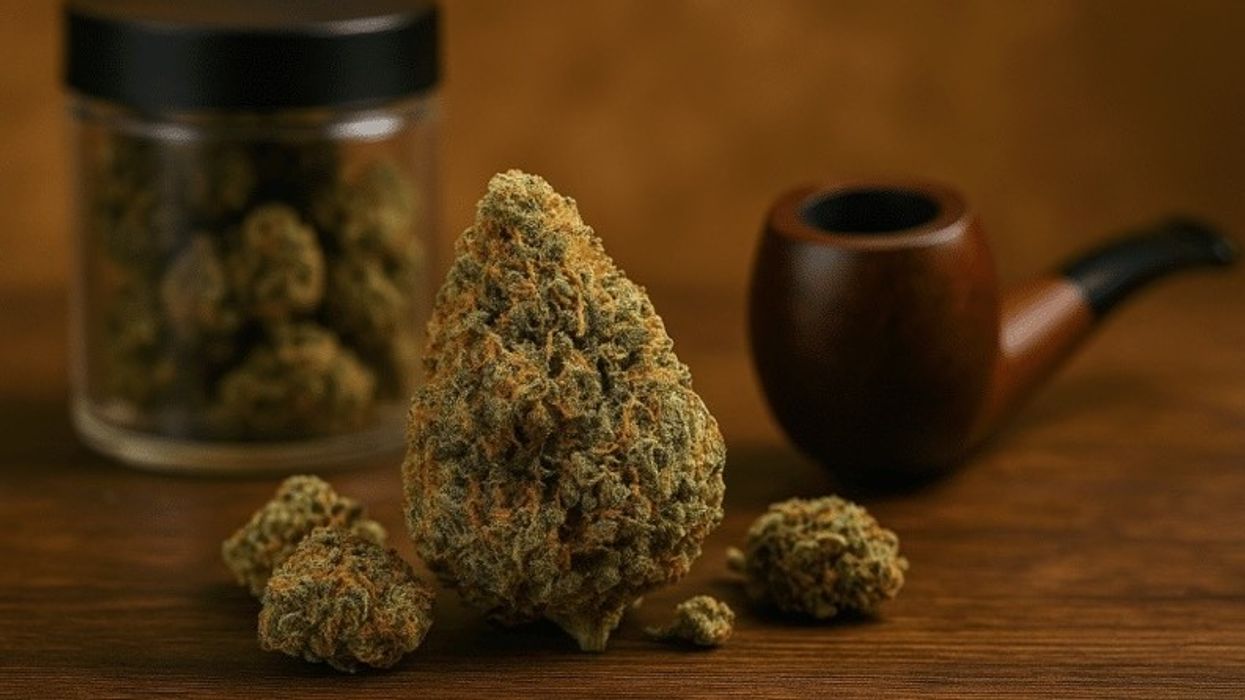
 How Much Does Cannabis Actually Cost in 2026? The Complete Price Guide by State and Quantity - The Bluntness Photo by Allef Vinicius on Unsplash
The Economic Reality: Why Prices Vary So Wildly
Cannabis operates in a unique economic environment—legal state-by-state but federally prohibited. This creates bizarre market dynamics:
Interstate Commerce Ban
- Each state is an isolated market
- Oregon's 3M pound surplus can't be shipped to Illinois' shortage
- Artificial scarcity in some states, oversupply in others
Wildly Different Regulations
- Oklahoma: Easy licensing, flooded market → low prices
- Illinois: $100,000 license fees, complex applications → high prices
- Oregon: Nearly unlimited cultivation licenses → oversupply → rock-bottom prices
Tax Structure Chaos
- Washington: 37% excise tax adds $20-40/ounce
- Michigan: 10% excise tax adds $5-10/ounce
- D.C.: Can't legally sell, only "gift" → inflated "donation" prices
Banking Restrictions
- Cash-only operations increase costs
- No traditional business loans
- Security expenses higher
- These costs get passed to consumers
Result: Geographic lottery determines what you pay. Living in Michigan vs. D.C. can mean 10x price difference for identical quality.
Looking Forward: Cannabis Pricing Trends for 2026
Expect continued price compression in mature markets:
- Michigan, Oregon, Washington, California will see further decreases
- Competition and oversupply driving prices toward commodity levels
- $50 ounces may become standard in some markets
Newer markets will stabilize:
- New York, New Jersey, Connecticut prices should drop 20-40% as supply increases
- Ohio already down 26% in first year—expect further decreases
- Minnesota and Delaware launching 2025-2026 will start high, then fall
Federal rescheduling impact:
- If cannabis moves from Schedule I to Schedule III, tax implications could reduce prices 10-30%
- Interstate commerce remains unlikely even with rescheduling
- Banking access would reduce operational costs passed to consumers
Product innovation affecting prices:
- Concentrates and vapes maintaining stable pricing
- Edibles seeing price increases due to more sophisticated formulations
- THC beverages showing explosive growth despite premium pricing
- Flower continues price wars in oversupplied markets
Bottom Line: Smart Cannabis Buying in 2026
The fundamentals:
- Know your state's pricing tier - Michigan/Oregon/California are budget havens; D.C./Illinois/New York are premium markets
- Buy in bulk - Half ounces or full ounces offer 40-60% savings per gram
- Get medical status if possible - Tax savings alone justify the card cost
- Shop sales religiously - Dispensaries run constant promotions
- Store properly - Bulk purchases waste money if they go stale
- Calculate per-gram cost - Always divide price by grams to compare true value
Final reality check: Cannabis pricing is irrational because prohibition is irrational. The same plant costs $2/gram in Michigan and $20/gram in D.C. This isn't about quality—it's about regulations, taxes, and artificial market constraints.
Until federal legalization allows interstate commerce, these wild price variations will continue. Shop smart, buy bulk when you can, and vote for sensible cannabis policy.
Resources:
- Price tracking: Cannabis Benchmarks U.S. Spot Index
- State regulations: NORML State Laws
- Dispensary finder: Weedmaps, Leafly
Disclaimer: Prices reflect January 2026 market data and will continue to evolve. Cannabis remains federally prohibited—follow your local laws. Possession limits vary by state. This article provides market information only, not legal or medical advice.
Need a little more Bluntness in your life? Check out our YouTube page!