

Delta-8 gummies are psychoactive edibles that produce a cannabis-like high, yet they sit on gas station and convenience store shelves next to CBD products while regulated THC edibles require a dispensary visit. This disconnect confuses millions of consumers who encounter similar packaging, overlapping “THC” terminology, and conflicting claims about legality and safety. Many products labeled as 'hemp products' may contain psychoactive compounds like delta-8 THC, which can be misleading to those who associate hemp solely with non-psychoactive CBD or industrial uses.
This article explains what delta-8 THC gummies actually are, how they differ from state-legal delta-9 THC products sold through licensed cannabis programs, and what safety considerations matter before consuming them.
Direct answer: Delta-8 gummies contain a hemp-derived form of THC that produces milder psychoactive effects than delta-9 THC but exists in a legal gray area with inconsistent regulation, variable product quality, and limited safety oversight compared to state-licensed cannabis products. Delta-8 THC is not found in significant amounts in cannabis plants and is often synthesized from CBD due to its low natural occurrence.
By the end of this article, you will understand:
- What delta-8 THC is and how it’s manufactured
- The chemical, legal, and experiential differences between delta-8 and delta-9 gummies
- Why delta-8 products emerged in the market and who regulates them
- Safety concerns specific to hemp-derived cannabinoids
- How to make informed decisions if you choose to consume delta-8 products
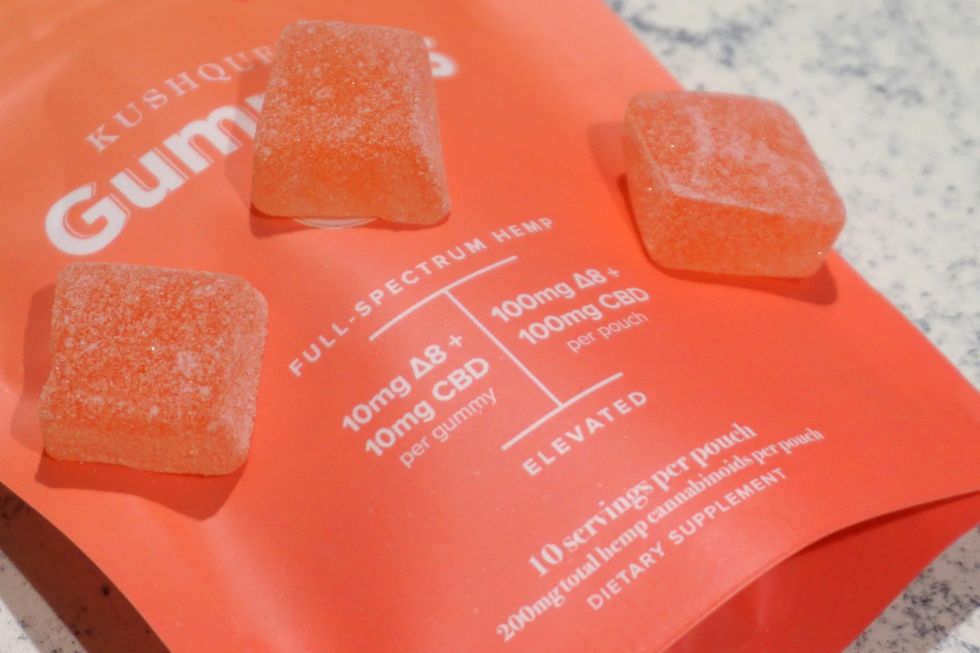 Delta 8 Gummies Explained - The Bluntness Photo by Elsa Olofsson on Unsplash
Understanding Delta-8 THC
Delta-8 THC is a psychoactive substance found naturally in the cannabis sativa plant, but not in significant amounts—typically less than 1% of the plant’s cannabinoid content. Unlike CBD, which is among the most abundant cannabinoids in hemp and produces no intoxicating effects, delta-8 is closely related to delta-9 THC (the primary psychoactive compound in marijuana) and does produce a high.
The relevance for consumers is straightforward: delta-8 gummies are not wellness supplements like CBD products. They are intoxicating edibles that can impair coordination, alter perception, and affect your ability to drive or operate machinery. Understanding this distinction matters because marketing often blurs the line between hemp-derived products and non-psychoactive options.
Chemical Structure and Manufacturing
Delta-8 THC and delta-9 THC share the same molecular formula (C₂₁H₃₀O₂) but differ in the placement of a single double bond—at the 8th carbon atom for delta-8 versus the 9th for delta-9. This small structural variation changes how the compound binds to CB1 receptors in your body’s endocannabinoid system, resulting in different potency and subjective effects.
Because natural delta-8 concentrations in cannabis plants are so low, extracting it directly isn’t commercially viable. Instead, manufacturers produce delta-8 through chemical conversion of hemp-derived cannabidiol (CBD). This process, called acid-catalyzed isomerization, uses solvents and chemicals to transform CBD’s molecular structure into delta-8 THC.
This manufacturing reality carries important implications: most delta-8 gummies are semi-synthetic products. They start with federally legal hemp but undergo significant chemical processing before becoming the gummy in your bag. The quality of that process—and whether harmful byproducts are removed—varies dramatically across manufacturers.
Psychoactive Effects and Potency
Consumer-reported experiences consistently describe delta-8 as producing a milder high than delta-9 THC. Users often report feeling relaxed and euphoric but with less intensity, less anxiety, and a clearer mental state compared to equivalent doses of traditional marijuana edibles. Some describe it as a “lighter” or more “functional” intoxication.
Research suggests delta-8 binds to CB1 receptors with lower affinity than delta-9, which may explain these differences. Rough estimates place delta-8’s potency at approximately 50-75% that of delta-9 on a milligram-for-milligram basis, though individual responses vary considerably.
Like all edibles, delta-8 gummies have a delayed onset—typically 30-60 minutes, with full effects potentially taking 2-4 hours to manifest. The high can last 4-8 hours or longer. This slow onset makes overconsumption a significant risk, as first-time users may take additional doses before the initial gummy has peaked.
Common effects reported include euphoria, relaxation, altered time perception, increased appetite, and sleepiness at higher doses. Adverse effects can include drowsiness, confusion, impaired coordination, anxiety, nausea, dry mouth, red eyes, and rapid heart rate—similar to delta-9 THC.
Other Cannabinoids and Compounds
Delta-8 THC is just one of the many abundant cannabinoids produced by the cannabis sativa plant, which includes both hemp and marijuana varieties. While delta-8 has gained popularity for its unique effects, it shares the spotlight with other cannabinoids such as delta-9 THC, CBD (cannabidiol), and CBG (cannabigerol). Each of these compounds interacts with the body in different ways, offering a range of potential benefits and experiences.
Hemp-derived products, including delta-8 gummies, are created by extracting cannabinoids from the hemp plant. Most delta-8 THC on the market is produced by converting hemp-derived cannabidiol (CBD) into delta-8 through a specialized chemical process. This method allows manufacturers to create delta-8 THC products that are federally legal, as long as they are sourced from hemp and contain less than 0.3% delta-9 THC by dry weight.
Beyond delta-8, other cannabinoids like CBN (cannabinol) and HHC (hexahydrocannabinol) are also being explored for their potential health benefits. Some edibles combine these compounds with delta-8 THC to enhance effects or target specific wellness goals. As research into the cannabis sativa plant continues, consumers can expect to see a growing variety of hemp-derived products featuring different cannabinoids, each with its own profile of effects and potential benefits.
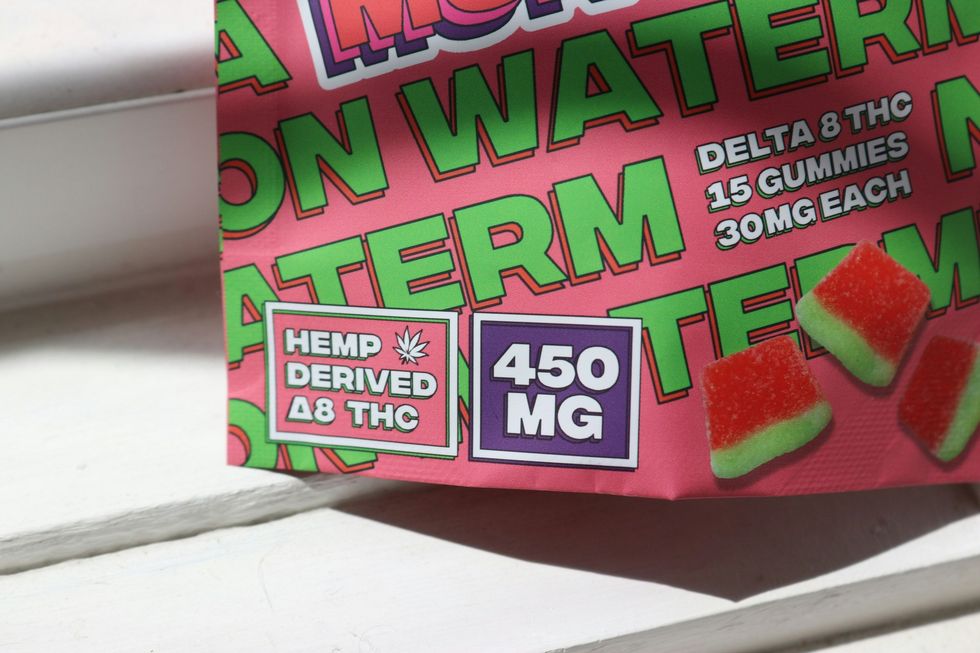 Delta 8 Gummies Explained - The Bluntness Photo by Elsa Olofsson on Unsplash
Delta-8 vs Delta-9 THC Gummies: Key Differences
Understanding the differences between delta-8 and delta-9 gummies matters because these products occupy fundamentally different market positions despite producing similar effects. One exists in a regulated framework with mandatory quality controls; the other often doesn’t.
Delta-8 THC gummies are available in a variety of flavors such as Black Raspberry, Watermelon, and Strawberry, making them appealing to consumers who value both taste and sensory experience. The flavor options provide a bright pop with each bite, delivering a vibrant, flavorful burst that enhances the enjoyment of the product.
Potency and User Experience
Delta-9 THC is the reference standard for cannabis intoxication. Regulated markets typically offer edibles with 5-10 mg of delta-9 per serving for new users, with clear labeling and consistent dosing.
Delta-8 gummies commonly contain higher milligram amounts per piece—often 20-50 mg or more—partially to compensate for lower potency. However, because these products lack standardized testing requirements, the actual delta-8 content may differ significantly from what the label claims. Some products test substantially higher or lower than advertised.
First-time users often find delta-8 produces less intense anxiety and paranoia than delta-9, though this isn’t universal. Both compounds can cause uncomfortable psychological effects at high doses, particularly in people sensitive to THC or those with anxiety disorders.
Duration and onset are similar between the two when consumed as edibles: both take 30 minutes to 2 hours to kick in, peak around 2-4 hours, and can last 4-8+ hours total. The metabolic process is comparable, as your liver converts both compounds into potent metabolites.
Source and Regulation
This is where the most significant differences emerge.
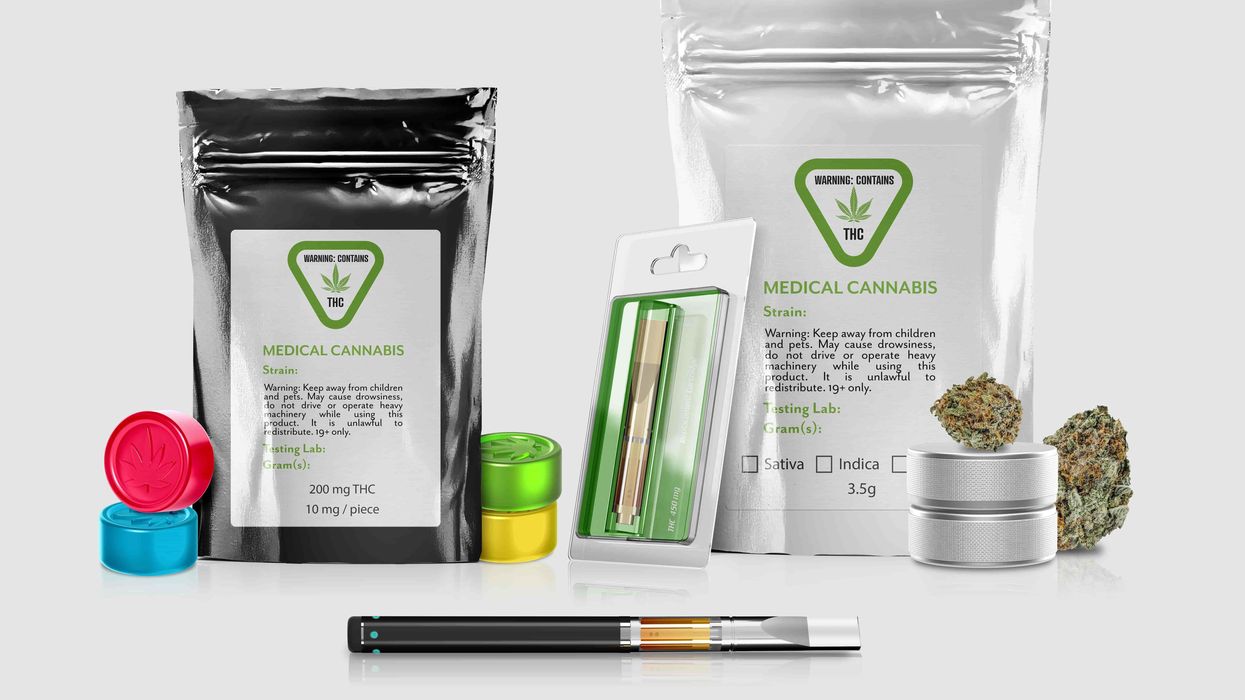
Delta-9 THC gummies sold in states with legal cannabis programs come from licensed manufacturers subject to comprehensive regulation. These products must undergo testing for potency accuracy, pesticides, heavy metals, residual solvents, and microbial contamination. Packaging must be child-resistant, clearly labeled with cannabinoid content per serving, and include required warnings. Purchases happen at licensed dispensaries with strict age restrictions and ID verification.
Delta-8 THC gummies typically enter the market through hemp product channels. Under federal law (the 2018 Farm Bill), hemp and its derivatives are legal if they contain no more than 0.3% delta-9 THC by dry weight. The law didn’t explicitly address other cannabinoids like delta-8, creating a gap that manufacturers exploited. Other cannabinoids, such as delta-10 THC and hexahydrocannabinol (HHC), are also synthesized from hemp in a similar way, further complicating the regulatory landscape.
As a result, hemp products containing delta-8 are often sold: to consumers who may be concerned about how long edibles stay in your system.
- Online with minimal age verification
- In convenience stores, gas stations, and vape shops
- Without mandatory lab testing or potency verification
- In packaging that may resemble candy and lack child-resistant features
- With labels that may be inaccurate or misleading, making it difficult for consumers to distinguish between non-psychoactive and psychoactive hemp products
Some states have implemented their own regulations—requiring testing, limiting potency, or banning delta-8 entirely—but there is no federal standard governing these products.
Detailed Comparison Table
Factor | Delta-8 THC Gummies | Delta-9 THC Gummies |
|---|---|---|
Chemical Structure | Double bond at 8th carbon | Double bond at 9th carbon |
Natural Occurrence | Trace amounts in hemp plant | Primary psychoactive cannabinoid in marijuana |
Manufacturing | Chemically converted from hemp-derived CBD | Extracted from cannabis plants bred for THC content |
Relative Potency | Approximately 50-75% as potent per milligram | Reference standard for cannabis potency |
Federal Legal Status | Gray area under hemp law; DEA maintains synthetic THC is controlled | Schedule I federally; legal in state-licensed programs |
State Regulation | Varies widely: banned, unregulated, or partially regulated | Comprehensive licensing, testing, and packaging requirements |
Testing Requirements | Often none; voluntary third-party testing by some brands | Mandatory batch testing for potency and contaminants |
Purchase Locations | Online, convenience stores, gas stations, vape shops | Licensed dispensaries only |
Typical Dosing | 5-50+ mg per gummy (variable and often unverified) | 5-10 mg per serving (standardized and verified) |
Drug Test Detection | Will trigger positive THC result on many drug tests | Will trigger positive THC result |
Practical implications: If you purchase delta-9 gummies from a licensed dispensary, you have reasonable confidence the product contains what the label says and has been tested for safety. With delta-8 products, that confidence depends entirely on the manufacturer’s voluntary practices—and those practices vary dramatically across the market.
Legal Status and Safety Considerations
The delta-8 market exists because of a specific gap in federal law, not because regulators evaluated these products and found them safe. Delta-8 THC products are legal to use in most states because they are extracted from hemp-derived CBD, which is legal to farm across the U.S.
However, recent changes in federal law are set to impact the status of these hemp products. The Continuing Appropriations Act (FY2026) has redefined hemp to exclude delta-8 and other synthetic cannabinoids. Effective January 1, 2026, any hemp products that exceed 0.4mg of total THC per container will be federally illegal. As a result, new federal rules are expected to ban nearly 95% of delta-8 products due to these total THC caps.
Legal Gray Area Explanation
The 2018 Farm Bill removed hemp from the federal Controlled Substances Act, defining hemp as cannabis with no more than 0.3% delta-9 THC by dry weight. The law legalized hemp derivatives but didn’t specifically address delta-8 or other cannabinoids.
Manufacturers interpreted this as permission to sell hemp-derived delta-8 products nationally, reasoning that if the source material (hemp) and the final product (under 0.3% delta-9) met legal definitions, the delta-8 content was permissible.
This interpretation is contested. The DEA has indicated that synthetically derived tetrahydrocannabinols remain Schedule I controlled substances. Since commercial delta-8 is produced through chemical conversion rather than direct extraction, its legal status under federal law remains genuinely uncertain.
State laws vary significantly:
- Some states have explicitly banned delta-8 THC
- Others regulate it as part of their cannabis programs
- Some allow sales under hemp law with minimal oversight
- Several are actively changing their policies
This patchwork means a product legal to purchase in one state may be prohibited in another. Consumers who buy delta-8 online may inadvertently possess illegal products depending on their shipping address or travel plans.
The contrast with regulated delta-9 is important: State-legal cannabis programs operate under comprehensive frameworks. While delta-9 remains federally illegal, states have built robust regulatory systems with licensed producers, mandatory testing, tracked supply chains, and enforced quality standards. Delta-8’s federal “legality” paradoxically comes with far less consumer protection.
Quality and Safety Concerns
The FDA has not evaluated or approved any delta-8 THC products for safe use. The agency has issued consumer warnings specifically about delta-8, citing concerns about manufacturing safety and adverse event reports. As with other food products containing substances like delta-8 THC, these edibles are not subject to FDA approval, and no health claims should be assumed. Consumers should report any adverse effects from delta-8 food products to the appropriate safety authorities.
Manufacturing risks include:
- Residual chemicals: The conversion process from CBD to delta-8 uses solvents and acid catalysts. Without proper purification, finished products may contain residual chemicals harmful to health.
- Unidentified byproducts: Chemical reactions can produce unintended compounds. Some testing has found unknown substances in delta-8 products that weren’t present in the starting material.
- Inconsistent potency: Without standardized testing, what’s on the label may not match what’s in the gummy. Independent analyses have found products with significantly more or less delta-8 than claimed, plus unexpected amounts of delta-9 THC or other cannabinoids.
- Ingredients: Citric acid is commonly used in delta-8 gummies as a natural preservative and flavor enhancer, helping to balance acidity and enhance taste in these food products.
There is little research on the long-term effects of delta-8 THC, and its safety is not well established.
Third-party lab testing matters but has limitations in unregulated markets:
- Look for Certificates of Analysis (COAs) that show potency and test for contaminants
- Verify the COA matches the specific batch/lot number of your product
- Check that testing includes residual solvents, pesticides, and heavy metals—not just cannabinoid content
- Be aware that COAs can be outdated, incomplete, or occasionally falsified
Pediatric exposure is a serious concern. America’s Poison Centers and the FDA have documented increases in adverse event reports involving delta-8 products, with a significant portion involving children. Delta-8 gummies in delicious flavors like blue raspberry, packaged in bright, colorful bags, can look indistinguishable from regular candy. Without child-resistant packaging requirements, accidental ingestion poses real risks including severe drowsiness, confusion, vomiting, and in some cases, hospitalization requiring medical care. Delta-8 THC can be dangerous for both children and pets.
Youth access is another documented problem. Research from USC found that more than 11% of U.S. 12th graders reported using delta-8 products in the prior year. These products create a parallel intoxicating market accessible to adolescents outside state cannabis frameworks with their age restrictions and ID requirements.
 Delta 8 Gummies Explained - The Bluntness Photo by Liana S on Unsplash
Drug Testing and Detection
Many drug tests are designed to detect the presence of THC metabolites in the body, which are produced after consuming cannabis products—including those containing delta-8 THC. Importantly, most drug tests do not distinguish between delta-8 and delta-9 THC, meaning that using delta-8 THC products can still result in a positive test result for THC.
This is a crucial consideration for anyone subject to workplace or legal drug tests. The detection window and sensitivity of many drug tests can vary depending on the type of test used, the amount of delta-8 consumed, and individual factors like metabolism. Because there is no standardized testing specifically for delta-8, results can be unpredictable.
If you are required to take drug tests for employment or other reasons, it is wise to consult a healthcare professional before using any delta-8 THC products. In many cases, abstaining from delta-8 and other cannabis products is the safest way to avoid potential complications with drug testing.
Potential Health Benefits
Delta-8 THC has attracted attention for its potential health benefits, with some users reporting relief from anxiety, chronic migraines, and sleep disturbances. Many people are drawn to delta-8 because it can produce a calming, relaxing effect without the intense psychoactive experience often associated with delta-9 THC. This makes delta-8 an appealing option for those seeking therapeutic benefits while maintaining a clearer headspace.
In addition to its potential for anxiety and stress relief, delta-8 THC may help with pain management and inflammation, though scientific research is still in the early stages. As with all cannabis products, individual experiences can vary, and more research is needed to fully understand the health benefits and risks of delta-8.
If you are considering delta-8 THC for health reasons, especially if you have chronic migraines, anxiety, or other medical conditions, it is essential to consult with a healthcare professional. They can help you determine whether delta-8 is appropriate for your needs, discuss possible interactions with prescription medications, and guide you on safe usage.
Common Consumer Confusion and Solutions
The confusion surrounding delta-8 gummies isn’t a failure of consumer intelligence—it’s a market and regulatory failure. Many products are labeled as 'hemp products,' which can be misleading because these may contain psychoactive compounds like Delta-8 THC. This blurs important distinctions and can confuse consumers who associate hemp products with non-psychoactive CBD or industrial uses. Products are designed and marketed in ways that contribute to this confusion.
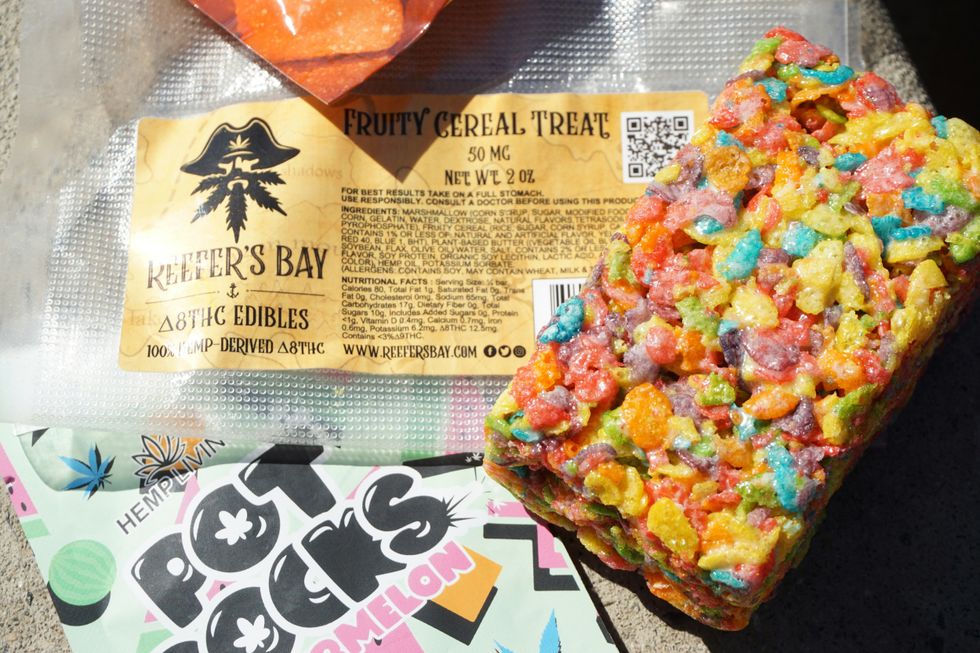 Delta 8 Gummies Explained - Misleading Marketing & Packaging Photo by Elsa Olofsson on Unsplash
Misleading Marketing and Packaging
The problem: Delta-8 gummies often mimic the appearance of dispensary cannabis products or popular candy brands. They may feature cannabis leaf imagery, strain names, and prominent “THC” labeling without clarifying that the active compound is delta-8 rather than delta-9.
The solution: Before purchasing, examine the product and packaging carefully:
- Look for explicit labeling identifying “delta-8 THC” as the active ingredient
- Check whether the product claims to be “hemp-derived” versus sold through a state cannabis program
- Be skeptical of vague terms like “hemp THC” or “legal THC” without further specification
- Recognize that colorful, candy-like packaging and natural ingredients claims don’t indicate safety or quality
Red flags include products that emphasize being “federally legal” without discussing state-specific regulations, make therapeutic claims about treating conditions like chronic migraines or anxiety, or lack any verifiable testing information.
“Legal THC” Misconceptions
The problem: Marketing frequently positions delta-8 as “legal THC” or “legal weed,” implying federal approval or equivalence to state-regulated cannabis. Consumers may assume these products are vetted for safety.
The solution: Understand the distinction between legal status and regulatory oversight. Delta-8’s disputed federal legality under hemp law doesn’t mean:
- The FDA has approved it
- Products meet any safety standards
- It’s legal in your specific state
- It won’t show up on drug tests
Regarding drug tests specifically: standard THC screening detects metabolites common to multiple THC forms. Delta-8 consumption will likely produce a positive result on many drug tests, potentially affecting employment even where delta-8 purchase is legal.
Quality and Safety Verification
The problem: Without mandatory testing, consumers can’t easily distinguish between products manufactured responsibly and those with contamination, inaccurate dosing, or harmful residues.
The solution: If you choose to purchase delta-8 products:
- Only buy from companies that provide accessible, recent COAs from accredited third-party labs
- Verify the COA includes the batch number matching your product
- Look for testing that covers potency, residual solvents, pesticides, heavy metals, and microbial contamination
- Research the manufacturer: established companies with transparent practices are lower risk than unknown brands
- Consider that products sold exclusively through gas stations or convenience stores with no online presence often lack verifiable testing
These steps reduce but don’t eliminate risk. The highest quality delta-8 products from reputable manufacturers still operate outside the comprehensive safety framework governing state-licensed cannabis.
Conclusion and Next Steps
Delta-8 gummies are psychoactive edibles that produce intoxicating effects similar to—though generally milder than—delta-9 THC products sold in licensed dispensaries. They emerged from a gap in federal hemp law rather than from any regulatory determination of safety, and they exist in a market with highly variable quality control and inconsistent legal status across states.
The key distinction isn’t simply chemical (delta-8 versus delta-9) but regulatory: state-legal cannabis products undergo mandatory testing, accurate labeling, and child-resistant packaging requirements. Hemp-derived delta-8 products typically don’t.
Immediate actionable steps:
- Check your local laws: State regulations on delta-8 change frequently. Verify current legality in your state before purchasing or possessing these products.
- Verify product testing: If you choose to use delta-8, only purchase products with accessible, current third-party lab testing that includes contaminant screening—not just cannabinoid content.
- Consult a healthcare professional: Discuss delta-8 use with your doctor, especially if you take prescription medications, have cardiovascular or psychiatric conditions, or are pregnant or breastfeeding. Research on interactions remains limited.
- Start with extreme caution: If you do consume delta-8 gummies, use very low doses (5 mg or less), wait several hours before redosing, and never use before driving or operating machinery.
- Secure products safely: Keep delta-8 products in their original packaging, stored securely away from children, pets, and anyone who might mistake them for regular candy.
Related topics worth exploring: Consumers interested in cannabinoid products may also want to understand the differences between CBD products and psychoactive THC forms, how state cannabis programs work in legal jurisdictions, and how evolving federal and state hemp regulations may change the delta-8 market in coming years.
Frequently Asked Questions
Will Delta-8 gummies show up on drug tests?
Yes. Standard drug tests detect THC metabolites that are common across THC forms, including delta-8. Consuming delta-8 gummies will likely produce a positive result on many drug tests, which may have consequences for employment or other situations requiring drug screening.
How much Delta-8 should beginners take?
Harm-reduction guidance suggests starting with very low doses—2.5 to 5 mg—and waiting at least 4 hours before considering additional consumption. Because delta-8 product labels may be inaccurate and edibles typically have delayed onset, beginning conservatively is essential. Many products on the market contain 20-50 mg per gummy, which is far too much for someone without THC tolerance.
Are Delta-8 gummies legal in my state?
State laws vary widely and change frequently. Some states have banned delta-8, others regulate it within their cannabis programs, and some allow relatively unregulated sales under hemp law. Check your state’s current hemp and cannabis regulations, recognizing that what was legal last year may not be today.
What’s the difference between hemp-derived and dispensary THC products?
Hemp-derived products (like most delta-8 gummies) come from plants containing less than 0.3% delta-9 THC and are sold outside licensed cannabis channels—often online, in vape shops, or at gas stations. Dispensary THC products are sold through state-licensed cannabis programs with mandatory testing, potency verification, child-resistant packaging, and other consumer protections. The active compounds may produce similar effects, but the regulatory oversight differs dramatically.
How can I verify if Delta-8 gummies are safe?
No unregulated consumer product carries guarantees of safety. You can reduce risk by purchasing only from manufacturers who provide accessible, recent Certificates of Analysis from accredited third-party labs, verifying that testing covers contaminants (not just potency), and researching company reputation. However, even products labeled as lab tested may have quality issues that testing missed or didn’t address.
Can I travel with Delta-8 gummies?
This is legally risky. Delta-8’s legal status varies by state, and traveling across state lines with a product that’s legal in your departure state but prohibited in your destination (or any state you pass through) could result in legal consequences. Air travel adds federal jurisdiction complications. Generally, traveling with delta-8 products is inadvisable unless you’ve verified legality at every point in your journey.
Disclaimer
Do not use delta-8 THC products if you are pregnant or breastfeeding, as there is limited research on their safety for unborn babies or infants. If you are taking prescription medications or have a medical condition, always consult with a healthcare professional before trying delta-8 THC. This compound can impair your ability to drive or operate machinery, so avoid these activities while under its influence.
The FDA has not evaluated the statements regarding delta-8 THC products, and their safety or effectiveness has not been confirmed by FDA-approved research. These products are not intended to diagnose, treat, cure, or prevent any disease. Always follow the recommended dosage, and if you experience any adverse effects, seek medical care immediately.
State laws regarding delta-8 THC products can vary, so be sure to check the regulations in your area before purchasing or using these products. Your safety and compliance with local laws should always come first.


 11 Signs You've Greened Out and How to Handle It - The Bluntness
Photo by
11 Signs You've Greened Out and How to Handle It - The Bluntness
Photo by  11 Signs You've Greened Out and How to Handle It - The Bluntness
Photo by
11 Signs You've Greened Out and How to Handle It - The Bluntness
Photo by 







 What will you do with that cannabis kief collection? - Make Coffee! The Bluntness
 DIY: How to Make Kief Coffee - The Bluntness
Photo by
DIY: How to Make Kief Coffee - The Bluntness
Photo by 
 Ayrloom Orchard Sunrise Cannabis Infused Gummies
 Ayrloom Island Time THC Gummies - Pineapple Mango Flavor
 Ayrloom Pillow Talk - Sleep Gummies
 What is reggie weed? - The Bluntness
Photo by
What is reggie weed? - The Bluntness
Photo by