

(This is a sponsored post and does not necessarily reflect the views of The Bluntness Media, Inc.)
If you’ve yet to hear of THC-O—or simply want to know more—you’ve come to the right place. Find out why this novel cannabinoid is adored by many, and questioned by some. Is it really three times more potent than Delta-9 THC? Read on to find out why this cannabinoid is different from other hemp-derived compounds and where you can buy some.
THC-O Overview
THC-O acetate, or just THC-O for short, is a synthetic analog to Delta-9 THC. It is not naturally occurring and you won’t find it in any hemp or marijuana plant. THC-O is created synthetically, and to some people, this disqualifies it as a true cannabinoid. However, it is synthesized from hemp and has many similar traits to its sister cannabinoids, Delta 8, Delta 9, and Delta 10 and even HHC.
THC-O Effects
THC-O is a “prodrug”, which means that it becomes more active after it has been metabolized. What’s left after metabolization is a highly bioavailable variety of Delta-9 THC that is readily absorbed throughout the body. It’s believed that the extreme bioavailability is what increases the potency to nearly three times higher than Delta-9.
Some people have claimed that THC-O borders on psychedelic as opposed to merely psychoactive. Its effects may mirror other THC variants in some ways, such as physical relaxation and relief from pain and tension, improved sleep quality, and enhanced feelings of bliss and euphoria.
Yet, this is not for the faint of heart. For newcomers to cannabis products, THC-O will likely blast you off into an uncomfortably intense high. While this is suitable for many medical marijuana patients who require a higher dose of medicine, THC-O might transcend ‘recreational’ for many people.
THC-O Legalities
Legality is one of the biggest reasons why people love THC-O. Any THC-O products made from hemp are protected under the 2018 Farm Bill. This allows for the production and sale of hemp-derived products so long as they contain less than 0.3% Delta-9 THC. You must be over 18 to buy THC-O or any other hemp-derived cannabinoid. However, some states have implemented their own rules governing hemp-derived cannabinoids that make THC-O illegal, including:
- Alaska
- Colorado
- Delaware
- Idaho
- Iowa
- Montana
- New York
- Nevada
- North Dakota
- Rhode Island
- Utah
- Vermont
- Washington
How THC-O is Made
THC-O is manufactured in a lab in a multi-step process. First, hemp is processed in a closed-loop extraction machine to obtain CBD. Then, small amounts of Delta-8 THC are extracted from the CBD. Finally, the highly flammable organic compound, acetic anhydride, is added to the Delta-8 molecule. The resulting product is a totally flavorless, odorless, THC-O isolate.
THC-O Safety
Because THC-O is still new to the market, there is limited research about side effects. We do know that the side effects are similar to other cannabinoids and include dry mouth, dry eyes, drowsiness, loss of motor coordination, and feelings of paranoia or anxiety. To consume THC-O safely, do so in small quantities until you become comfortable with its effects. As with all cannabis products, only buy from trusted producers who supply testing analysis for all of their products.
THC-O vs. THC
THC-O is an ester of THC. They are related, but not the same. Delta-8, Delta-9, and Delta-10 are all naturally occurring cannabinoids found in hemp and marijuana. THC-O is fully synthetic and can only be obtained in a lab. In terms of effect, the two are similar. They are both intoxicating, psychoactive substances that will get you stoned.
Is Delta-10 the Same as THC-O?
Delta-10 is also a hemp-derived cannabinoid, but it is not the same as THC-O. In fact, Delta-10 is naturally occurring, but in such small quantities that it must be further extracted in a lab. To do so, a special isomerization process is used to convert Delta-8 or Delta-9 into Delta-10.
Delta-10 is significantly less potent than THC-O. Both will get you high, but Delta-10 has mild intoxicating effects in comparison to the hefty punch of THC-O.
Ways to Consume THC-O
THC-O is typically used to infuse other products. The oil that results from the manufacturing process is very thick and without any flavor or smell. The best way to use this oil is in vape pens or edibles. However, you’ll also find some THC-O tinctures and they will likely make their way into other products as the market matures. Right now, one of the best ways to experience THC-O is in vape pens.
THC-O Cartridges
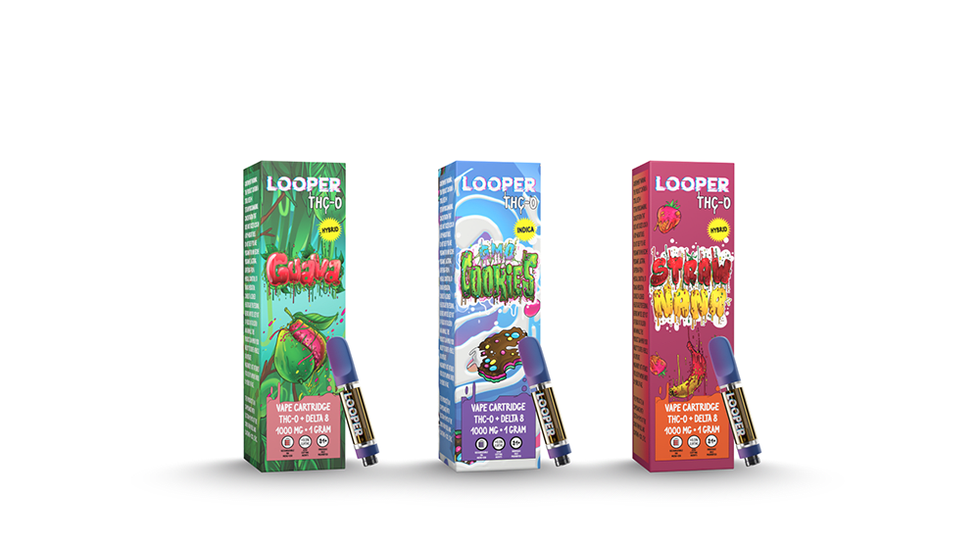
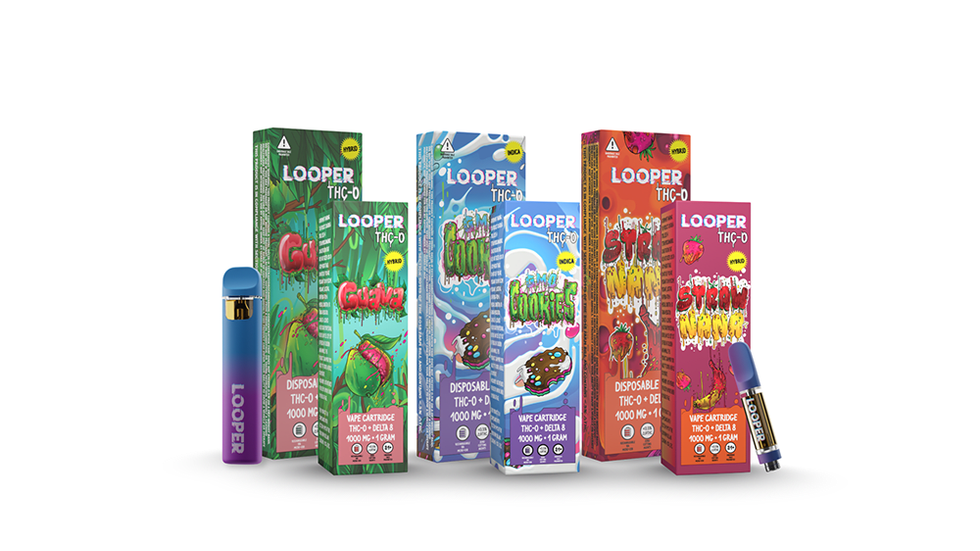
Dimo THC-O cartridges contain one gram of distillate and come in three potent strains. Try out StrawNana for a fruity flavored hybrid that is sure to please. Guava is an excellent tropical sativa to start your day out right, and GMO Cookies is the perfect hybrid to wind down in the evening.
THC-O Disposables
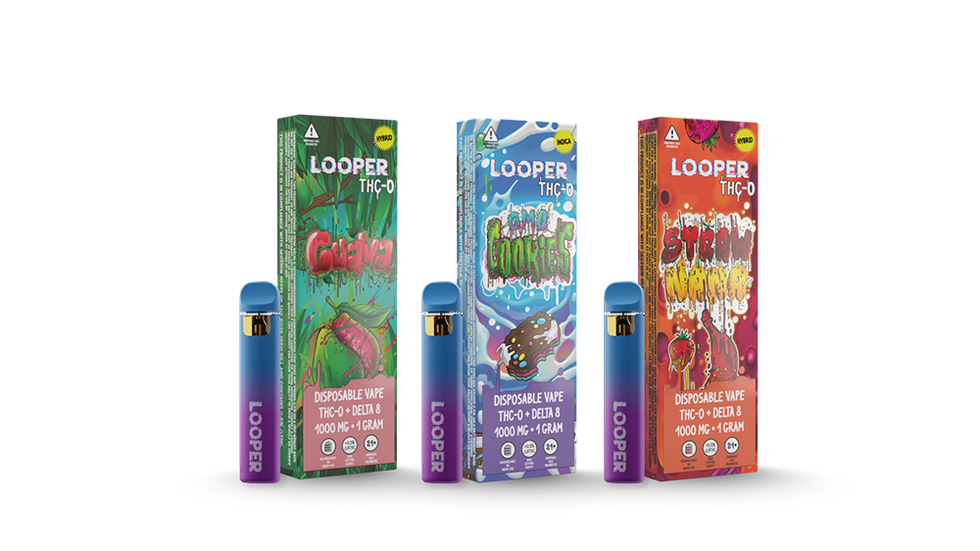
If you like cartridges but prefer the convenience of something simpler, opt for a disposable pen. These come fully charged and ready to go. Simply toss them once you’ve finished the oil. Dimo makes THC-O disposables in the same great strains as their cartridges.
THC-O Dosing
There is no tried and true dose for THC-O. The best thing to do when trying any new cannabinoid for the first time is to start with a very small dose. If you are trying a THC-O vape pen, take one or two small puffs and wait up to ten minutes to see how you feel before trying more.
If you are experimenting with THC-O edibles, portion out a smaller than average amount to test. This could be as low as two to five milligrams of THC-O. Remember to wait at least 90 minutes before consuming any more to make sure you’ve given the THC-O enough time to kick in. Edibles must pass through the digestive system, so if you feel like you waited long enough, wait a little bit longer.
How to Purchase THC-O
THC-O is available for sale to adults over 18 in most states. However, be sure to check the legality where you live. Despite the fact that THC-O comes from hemp, many states prohibit its use.
If you live somewhere where THC-O is legal, you can shop THC-O online. As popularity continues to grow, THC-O products will soon be available throughout convenience stores, head shops, smoke shops, and some grocery stores. Check your local retailers and ask if they currently have any or plan to stock some in the future.
How Long Does THC-O Stay in Your System?
When you need to pass a drug test, you instantly start thinking about what you’ve recently consumed that can cause you to fail. When trying to figure out how long weed stays in your system, you have to ask yourself a few questions. How frequently do you consume cannabinoid products? What dosage do you take or how many hits per session? Are you a chronic, long-time user?
The standard safety net for detoxing from THC is 30 days. Keep in mind that this is a pretty broad window. For someone that hit a vape pen only a few times once, they will probably detox in a few days. If you eat cannabinoid edibles every single day, it may take several weeks. While there’s no conclusive evidence to back this theory, some claim that because THC-O is much more potent than THC, it can cause an even greater buildup of metabolites and take longer to detox.
Can THC-O Cause a Failed Drug Test?
Yes, THC-O can lead to a failed drug test. Most standard drug tests look for any kind of THC metabolites. When broken down in the body, THC-O metabolites look just like those from Delta-9. While It seems unfair that a hemp-derived cannabinoid could cause you to fail a drug test, there has been limited evolution in the sophistication of standard drug testing.
When you need to beat a test, it’s important to know what kind of test you’ll be taking. This can help you best prepare because each type of test has a varying window of detection.
- Urine: Urinalysis is the most common testing method, and it can detect THC metabolites up to 30 days after last use.
- Blood: Blood testing is more invasive and not often used. However, THC will show up in blood for as little as a few hours and up to one day after last use.
- Saliva: THC metabolites are present in saliva up to 24 hours after last use.
- Hair Follicle: This is the toughest test to beat because THC metabolites linger in hair follicles for up to 90 days.
If you feel you have a drug test coming up, it’s best to avoid all THC-O products, as well as all other cannabinoids.
The Bottom Line
THC-O is one of the newest cannabinoids to hit the mainstream. It’s highly potent and readily available, making it an excellent choice for those looking to experience the psychoactive effects of THC in a state that might not yet have been legalized. If you decide to try out this cannabinoid just remember that it is quite strong. Start small and increase your dosage slowly. You can always take more, but you can’t take less!
Need a little more Bluntness in your life? Subscribe for our newsletter to stay in the loop.





 Super Boof Strain: 2024 Strain of the Year - The Bluntness
 Super Boof Strain: 2024 Strain of the Year - The Bluntness