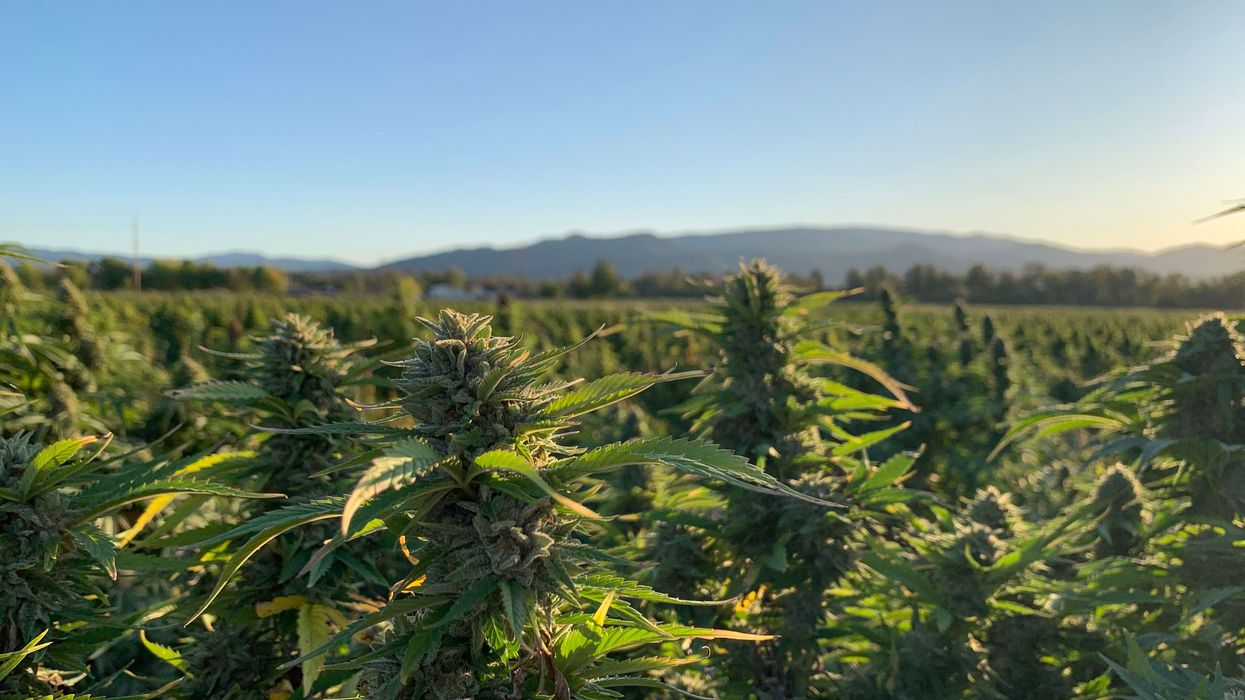

THC and CBD — if you’re reading us here on The Bluntness, we’re sure these ring a bell. But CBG?
This cannabinoid might not be as known as CBD and psychoactive like THC, but it still packs a punch.
According to a white paper by cannabis expert Curt Robbins and published by Hemptown USA, Cannabigerol or CBG “produces no overt psychoactive effect. It does, however, deliver a broad spectrum of health and wellness value.”
Here are 5 must-know facts about CBG:
1. It Is The “Pre-Cursor” to Other Cannabinoids
Before CBD, THC, CBC, etc., cannabis plants produce “the acidic precursor analog of CBG, CBGA, to other cannabinoids."
According to Robbins: “If not for CBGA, molecules such as CBD and THC would not exist.”
2. It’s “Minor But Common”
According to Robbin’s research, CBG might not be as well known as CBD and THC, but it is certainly common. Though CBG is technically “categorized as a minor cannabinoid,” it’s available in “relatively low quantities from most strains of cannabis.”
This is a good thing too for those looking for potential medical value as cannabinoids are known to work more effectively when combined.
3. The “Entourage Effect”
According to Robbins, there is a theory that different cannabinoids act synergistically and that, in essence, the whole is greater than the sum of its parts.” This phenomenon has been dubbed the “entourage effect.”
This synergy between cannabinoids can enhance the potential medicinal benefits of the plant, according to Robbins.
4. CBG is Thought to Be Antifungal and Antibacterial
As with CBD, CBG have long been known to have antifungal properties, according to Robbins.
Though studies haven’t specifically narrowed down the mechanism, there is indication CBG has the potential to fight MRSA. According to Robbins, “researchers [have] found clear and potent antibacterial benefits.”
5. CBG Could Have a Multitude of Medical Benefits
Though we must be careful to make claims about the medical benefits of cannabinoids, Robbins' whitepaper indicates researchers have found indication CBG could be helpful in treating the following:
Inflammatory Bowel Disease, Huntington’s Disease, various bladder disorders, breast cancer, oral cancer, bone cancer, pancreatic cancer, lung cancer, lymphoma, and thyroid carcinoma among other diseases and conditions.



 Super Boof Strain: 2024 Strain of the Year - The Bluntness
 Super Boof Strain: 2024 Strain of the Year - The Bluntness





 Acapulco Gold Cannabis Strain Review - The Bluntness
 Acapulco Gold Cannabis Strain - The Bluntness Blimburn Seeds
 How to Make a Cannagar Without a Mold: A Comprehensive Guide - The Bluntness
Photo by
How to Make a Cannagar Without a Mold: A Comprehensive Guide - The Bluntness
Photo by 
 What is reggie weed? - The Bluntness
Photo by
What is reggie weed? - The Bluntness
Photo by 
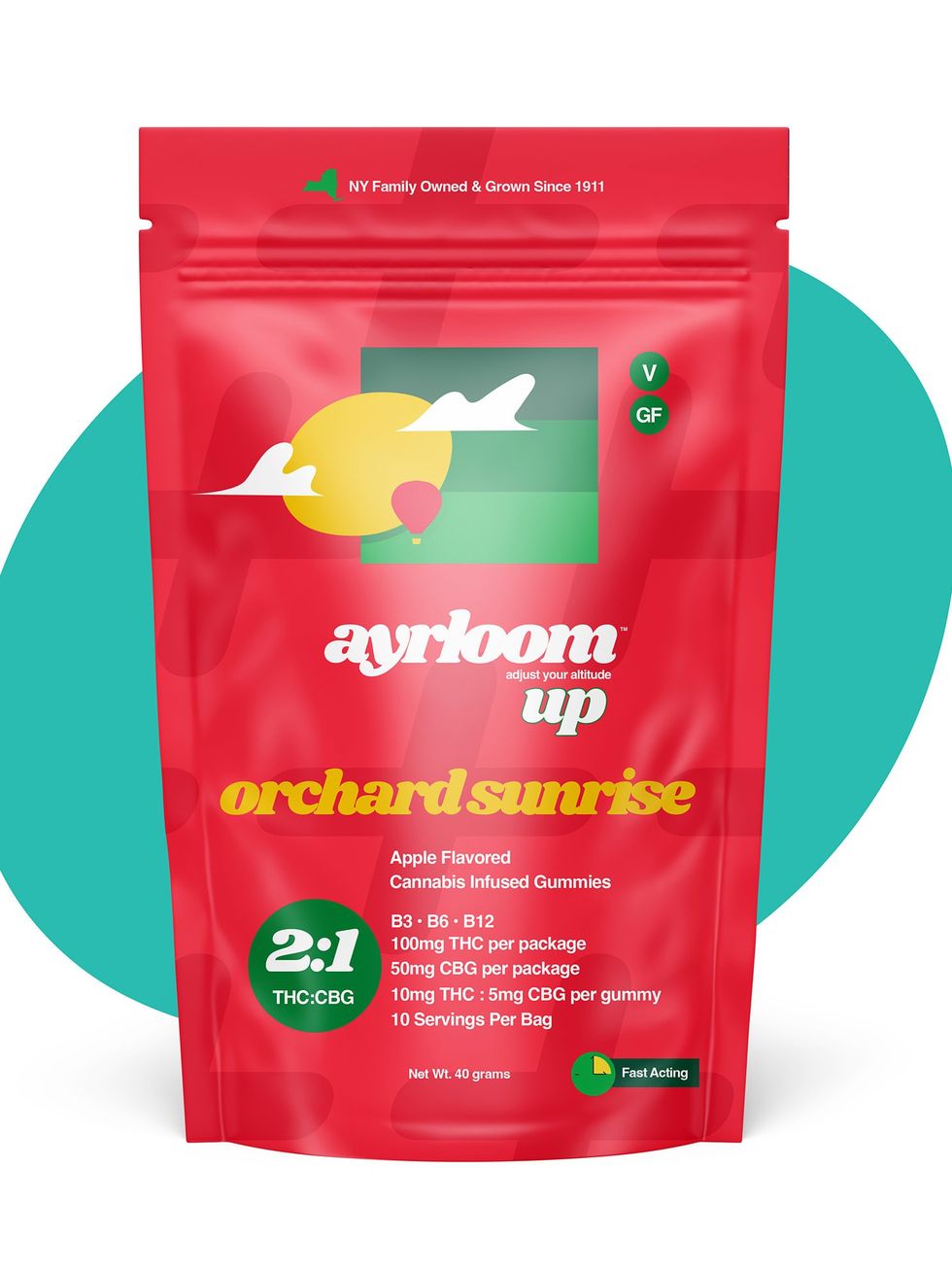 Ayrloom Orchard Sunrise Cannabis Infused Gummies
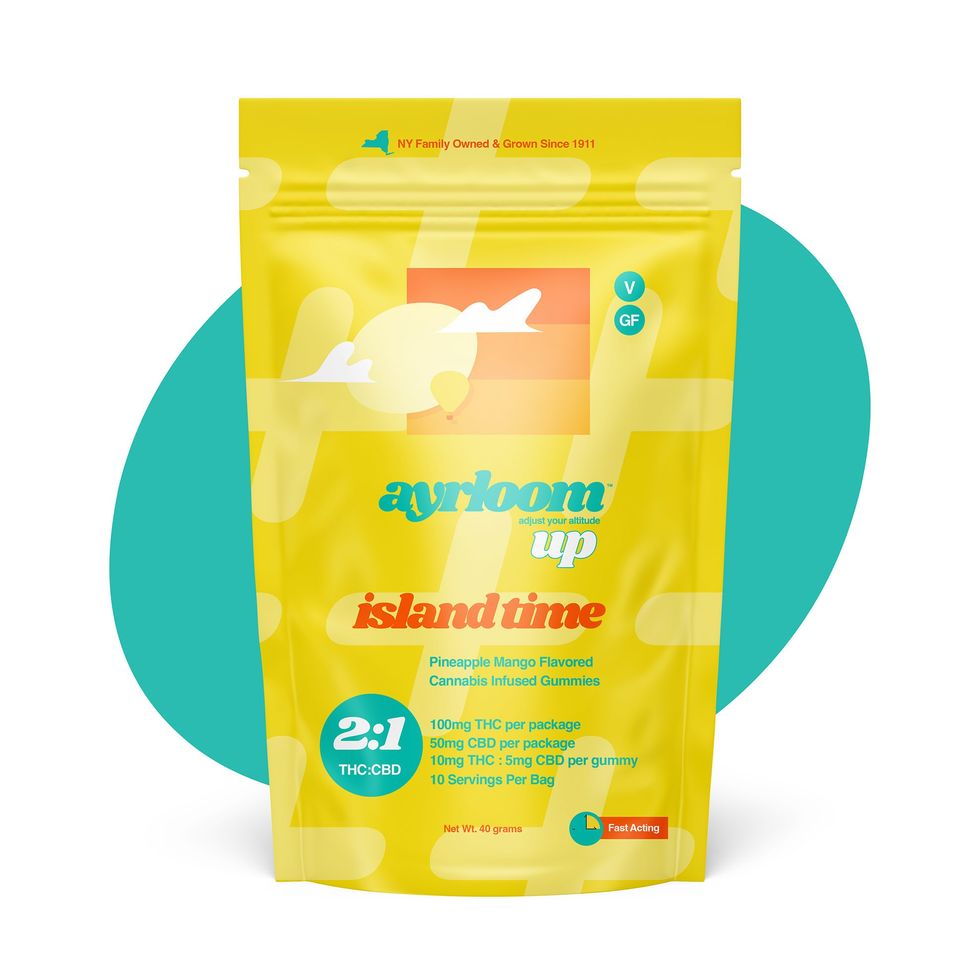 Ayrloom Island Time THC Gummies - Pineapple Mango Flavor
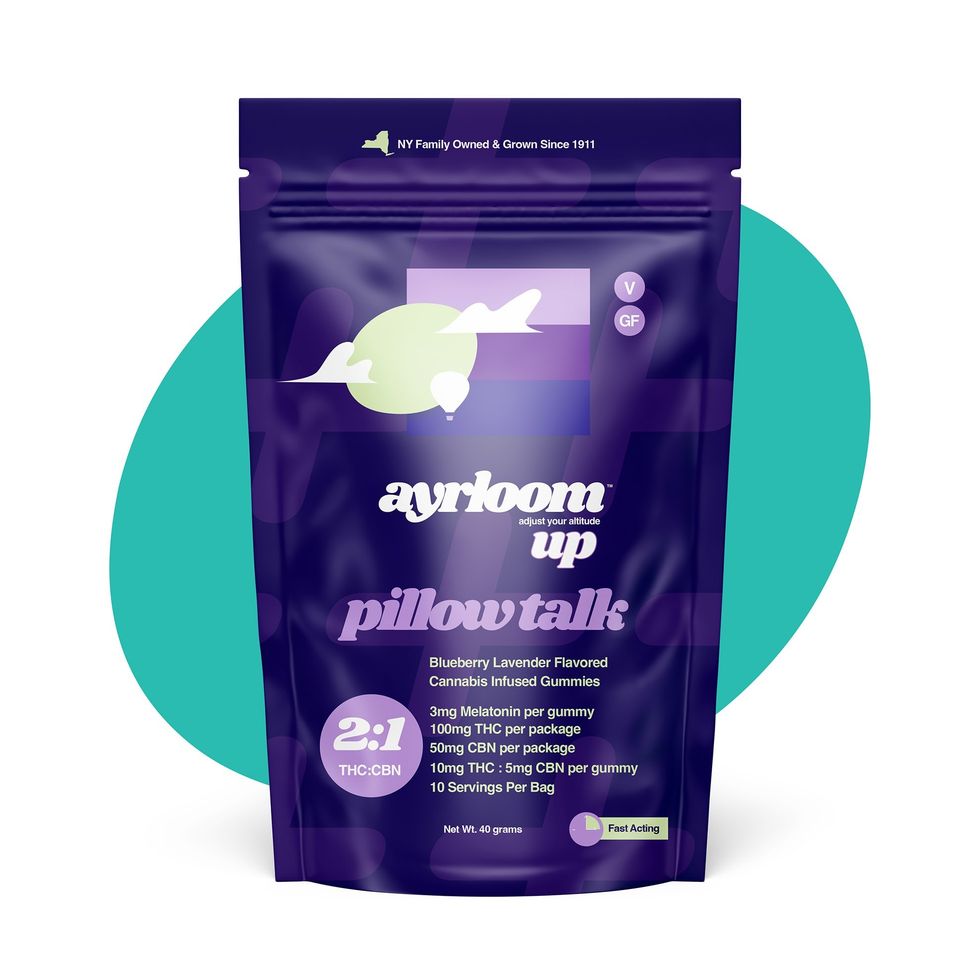 Ayrloom Pillow Talk - Sleep Gummies