
Skip to content
Search AI Powered

Latest Stories

Green Crack: Strain History, Effects, Benefits, and Cultivation

Have you ever tried Green Crack? The strain seems hard to find these days...

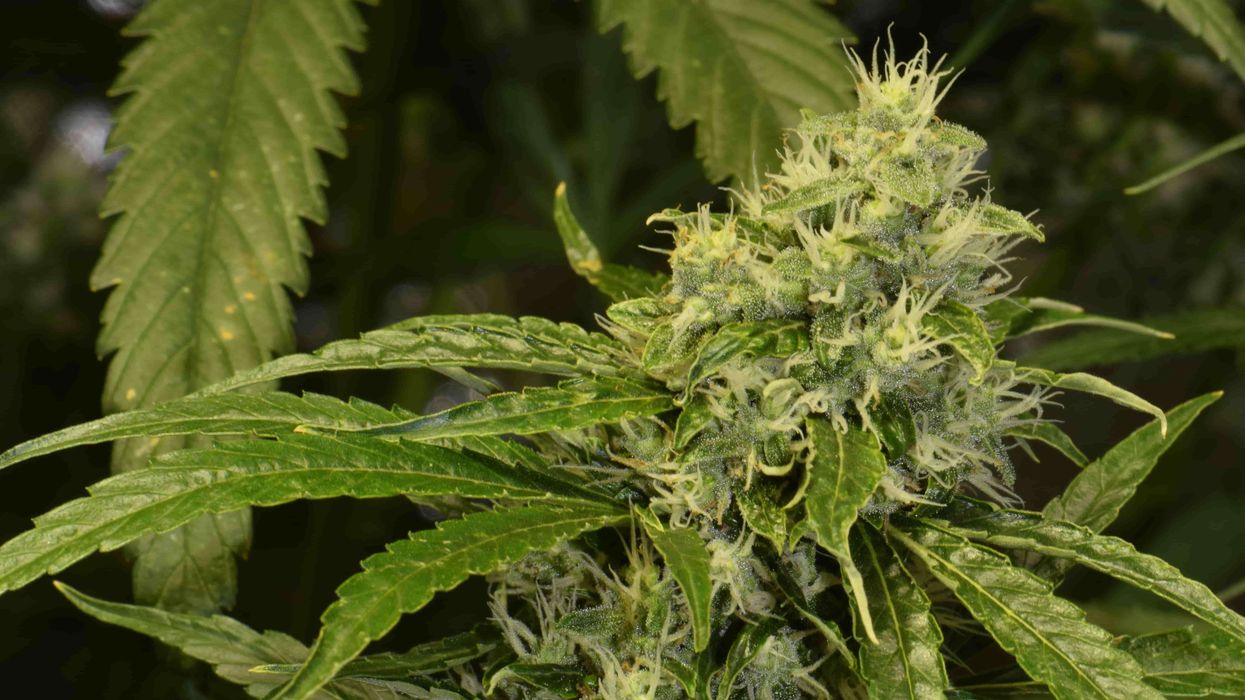
Green Crack is a legendary cannabis strain and one of the original sativas that gained worldwide acclaim.

People love it for its unique taste, uplifting effects, and overall experience. With its long standing reputation, Green Crack is probably one of the many reasons that people associate sativas with happy daytime effects versus the indicas that people consider for a sleepy nighttime feel.


Throughout time, the strain has disappeared from shelves as the world of “exotic” hybrids takes over cannabis, but some legacy growers have been looking to bring it back as the market begins to crave historical cannabis strains again.

Here are some details about the famous sativa.

What is Green Crack and where did it come from?

Green Crack is a sativa that’s been around since way back in the late ‘80s, early ‘90s. There is often debate around who originally bred the strain, but as far as the internet says, this strain was created by a breeder named Cecil B. (or Cecil C.) out in Athens, Ohio.

Legend has it that the cultivar was originally called Green Cush, however, in the early 2000s, Snoop Dogg got his hands and lungs on it, then deemed the potent sativa Crack, Green Crack, because of its super duper head high. And so Green Cush became Green Crack forever more.

Being such an older strain, it’s pretty hard to pinpoint Green Crack’s exact genetics. The sativa is commonly believed to be a cross between a Skunk #1 hybrid, named 1989 Super Sativa Seed Club Skunk #1, and an Afghani landrace indica. You can peep Leafly, Weedmaps, and Wikileaf for their varying genetic guesses.

Since its birth, Green Crack has gone on to win multiple Cannabis Cups. The strain won 3rd place for Best Sativa at the Denver High Times Cannabis Cup in 2015. In 2017, Rolling Stones named Green Crack one of the top five cannabis strains of the year.

How to grow Green Crack

If you want to find Green Crack, it’ll be pretty hard. It’s not exactly flooding shelves like Gelato crosses, so instead of buying from a store, your best bet might be to grow it yourself. Peep online seed banks like Cali Connection and Growers Choice for seeds. Or, if you can find a Green Crack clone somewhere, even better (since you won’t have to phenohunt).

Historically, Green Crack has been a pretty easy strain for people to grow. As a sativa, it's expected to grow best outdoors in warm climates and takes a little while to flower.

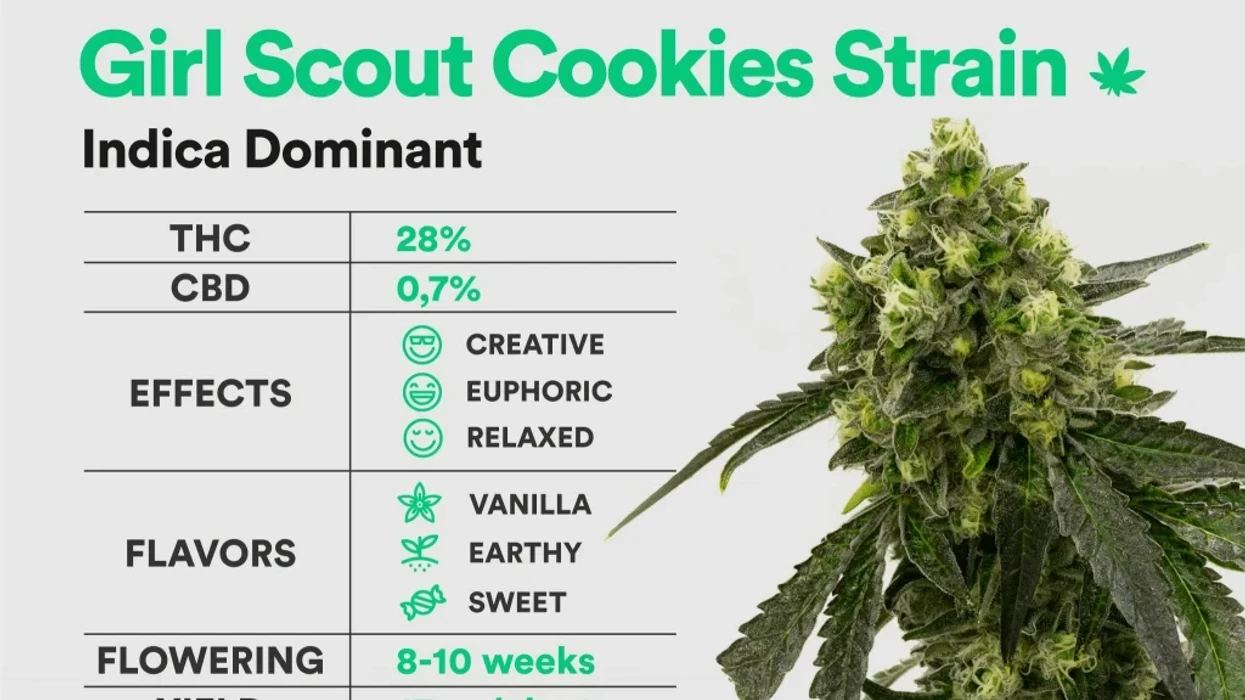
An infographic from Leafly suggests that Green Crack’s flowering time is about 8 weeks with a moderate-to-high yield. Renowned strains database Seedfinder agrees that when grown outdoors, Green Crack is a high yield. So basically, if you plan on growing this strain at home, put it in the backyard, treat it right, and watch your plant(s) flourish. 

The Green Crack effects and experience 

Green Crack comes through with a variety of flavors. Some phenotypes have an earthy, somewhat sour aroma and flavor to them; some have a somewhat tangy and mango flavor to them; other Green Cracks have a spicy smell and taste to them. Like all cannabis, the final product largely depends on who grew the Green Crack, where, and how.

Green Crack is wildly famous for its energetic, cerebral effects. That’s why you’ll find it on every “best sativa strains” or “best daytime strains” list you could ever find on Google. Because of its perceived effects, Green Crack is thought to be an essential strain in treating medical patients that are fighting stress, depression, and fatigue. It’s one of those strains that gets people up and moving with a smile on their face.

While these are the effects people traditionally expect from Green Crack, it’s important to remember that each human reacts to cannabis differently. We all have endocannabinoid systems that process weed compounds differently, which means that Green Crack might be uplifting and happy for you, but sedative and sleepy for others. Do not come for me if you smoke Green Crack to get hyped for a 5K run, but it actually makes you want to sleep for 5 hours. Our relationships with cannabis are all individualistic. 

Why you should smoke Green Crack

In the end, more than 30 years after it popped on the scene, Green Crack is still one of the most searched cannabis strains in the world. It’s a sign that legends truly never die in a world of Wedding Cake, Apple Fritter, Gelato, and other extremely hybridized cannabis strains. That’s because no matter what, Green Crack is still damn good. 

You should smoke Green Crack if you love sativas. You should smoke (or vape) Green Crack if you’re feeling down and uninspired emotionally, or physically sluggish. You should smoke Green Crack if you want a strain that pairs greatly with outdoor activities like hiking and biking. You should smoke Green Crack if you want a strain that pairs greatly with indoor activities like making sketchbooks and whipping up Bob Ross-caliber paintings. You should smoke Green Crack if after all these years of cannabis, all you want is to taste a true piece of history and culture.

For more, check out our complete collection of cannabis strain reviews.

Need a little more Bluntness in your life? Check out our YouTube page

More For You

Super Boof: 2024 Strain of the Year

Super Boof Strain: 2024 Strain of the Year - The Bluntness

2024's Top Strain: Super Boof

Super Boof at a Glance

What You're GettingThe Details
Hybrid TypeBalanced 50/50 hybrid
THC RangeMid to high 20s% (some batches push 30%+)
CBD ContentLess than 1%
Signature FlavorTangy orange, sweet cherry, nutty undertones
Key TerpenesLimonene, Myrcene, Caryophyllene
Primary EffectsGiggly, euphoric, focused, sociable
Ideal UseDaytime creativity through evening socializing
GeneticsBlack Cherry Punch × Tropicana Cookies
BreederBlockhead (San Diego)
Original NameBlockberry
Flowering Time8-10 weeks

The Accidental Phenomenon That Became Strain of the Year

Here's something most people don't realize about Super Boof: the name that eventually won Leafly's 2024 Strain of the Year wasn't even the breeder's original choice.

San Diego cultivator Blockhead created this Black Cherry Punch and Tropicana Cookies cross as "Blockberry" - a straightforward nod to his breeding handle and the cherry genetics. But as cuts circulated through California's cannabis community, "Super Boof" caught on instead. The internet loves what the internet loves, and sometimes a less refined name just sticks.

Keep ReadingShow less
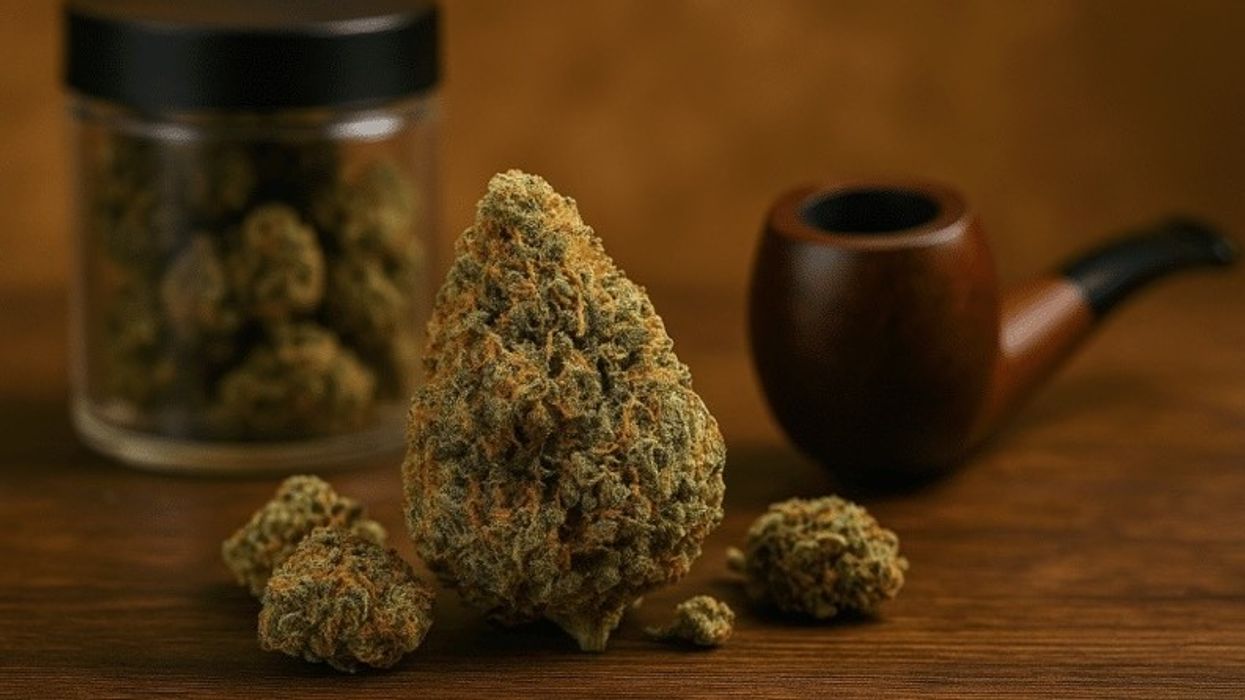
image of harvested cannabis, sitting next to a pipe and a sealed jar of cannabis

Acapulco Gold Strain Review - The Bluntness

Acapulco Gold: Effects, Tips, Benefits

Quick Facts About Acapulco Gold

Strain DetailsInformation
TypeSativa-dominant landrace (70-80% sativa)
THC Content18-25%
CBD Content<1-2%
EffectsEnergetic, creative, uplifting, focused
FlavorEarthy, coffee, honey, citrus
Best Time to UseDaytime
Growing DifficultyIntermediate to advanced
Flowering Time10-11 weeks

What Is Acapulco Gold Cannabis?

Acapulco Gold is a legendary sativa-dominant cannabis landrace that originated in Mexico's Guerrero region during the 1960s. Known for its distinctive golden-colored buds and potent cerebral effects, this strain has maintained its reputation as one of the most sought-after varieties among cannabis connoisseurs for over five decades.

What makes Acapulco Gold truly special isn't just its effects—it's the cultural moment it captured. According to the folks at Beard Bros Pharms, Acapulco Gold "holds a rare place in history because it entered the scene long before commercial genetics, indoor grow systems, and the global breeding network that defines the industry today."

Keep ReadingShow less
Trop Cherry Strain Review - The Bluntness

Trop Cherry Strain Review - The Bluntness

Balanced Hybrid: Trop Cherry


The Trop Cherry cannabis strain is a slightly Sativa-dominant hybrid (60% Sativa, 40% Indica), created from Tropicana Cookies and Cherry Cookies F3. This strain is known for its THC levels, which range from 16% to 24%, offering a blend of cerebral stimulation and body relaxation. Its terpene profile features beta-caryophyllene, limonene, linalool, humulene, and beta-pinene, giving it a unique flavor that combines sweet citrus, ripe cherries, and earthy undertones. Trop Cherry's resin production makes it popular among users exploring the benefits of cannabis concentrates.

Keep ReadingShow less
The vast number of different cannabis varieties are a real treat but can be overwhelming to newcomers.
Photo by Jeff W on Unsplash

Different Strains of Weed: How Many Are There?

Sour Diesel. Purple Kush. Amnesia Haze. If you’re a fan of cannabis, you’ve probably noticed that there are many different types to choose from, and most of them have funny names. And yes—they are all different. But, what makes them different, exactly? And how many marijuana strains are there, really? Well, let’s find out. 

What Are Cannabis Strains?

In popular culture, different cannabis cultivars are referred to as “strains.” Each individual strain is a cannabis variety that has been bred for its specific characteristics by a cannabis breeder. So, Granddaddy Purple is a strain. Harlequin is another strain. The former is a sleepy strain that produces a high percentage of the psychoactive tetrahydrocannabinol (THC). The latter is a mellow flower that produces both THC and cannabidiol (CBD). The plants both have different lineages and different characteristics. Hence, they are different strains. 

But, the word “strain” comes with a fair share of controversy. From a scientific perspective, referring to cannabis varieties as “strains” makes very little sense. And yet, “strain” is the word that remains in popular culture. The difference is mainly semantic—in the world of botany, different plant varieties are called cultivars, not strains. The word “strains” is usually reserved for bacteria and viruses, not plants. 

Keep ReadingShow less
Jack Herer: The Legendary Daytime Strain

Jack Herer Strain: The Daytime Champion Named After Cannabis Royalty - The Bluntness

Wikimedia - https://commons.wikimedia.org/wiki/Category:Jack_Herer_(strain)#/media/File:Jackherer.jpg

Jack Herer: Cannabis Royalty

Jack Herer At a Glance

Key DetailsWhat You're Getting
Strain TypeSativa-dominant hybrid (phenotypes vary)
THC Range15-24% (averages around 18%)
CBD ContentLess than 1%
Signature FlavorPine, lemon zest, woody herbs, earthy-skunky base
Dominant TerpenesTerpinolene, Pinene, Caryophyllene
Primary EffectsMental clarity, creative focus, uplifted mood, light body ease
Optimal UseDaytime productivity, creative work, social activities
GeneticsHaze × (Northern Lights #5 × Shiva Skunk)
BreederSensi Seeds (Netherlands, 1990s)
Flowering Time8-10 weeks indoor
Growing DifficultyBeginner-friendly to moderate
Notable AchievementSold in Dutch pharmacies

The Activist Who Became a Legend Twice

Jack Herer the strain carries the weight of Jack Herer the man - and that's not an accident. The Dutch breeders at Sensi Seeds named this cultivar after the author of "The Emperor Wears No Clothes," the 1985 book that became cannabis legalization's unofficial bible. Herer spent decades advocating for hemp and cannabis reform before modern legalization made it fashionable. The strain bearing his name arrived in the 1990s and immediately started collecting awards.

What makes this more than respectful tribute is how well the flower lives up to the name. Jack Herer the activist was energetic, focused, and relentlessly productive in pursuing his mission. Jack Herer the strain delivers almost identical qualities - clear-headed energy, sustained focus, and the mental clarity to actually accomplish things while high. It's functional cannabis that honors a functional activist.

Keep ReadingShow less