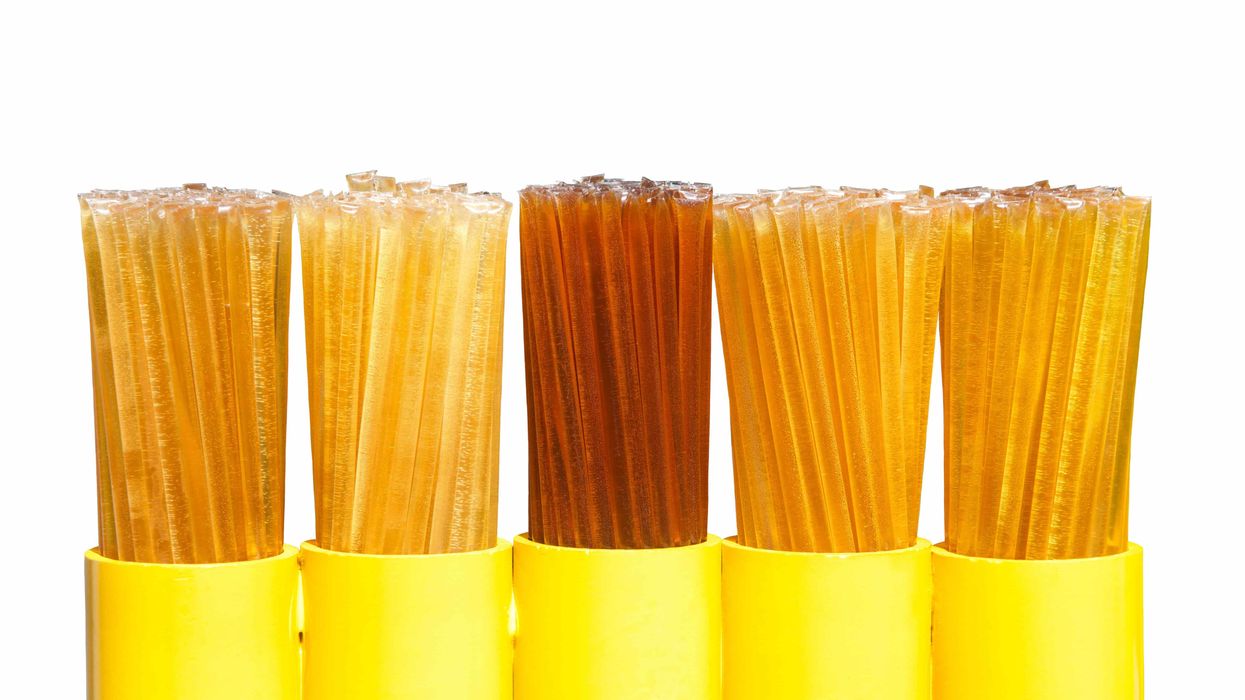

What are CBD honey sticks, and how are they prepared?
CBD honey sticks refer to honey infused with pure CBD over low heat and packaged in a straw-like tube. They are an innovative way to introduce CBD into our bodies without dealing with the smell and taste of CBD oils.
Unlike oils, CBD-infused foods like CBD honey sticks may come in different flavors, making CBD administration fun. Apart from serving as easy-to-use CBD products, edibles like CBD honey sticks come in handy in delivering an accurate dose of CBD while combining the therapeutic effects of CBD and honey in one product.
The need to infuse honey sticks with CBD came from the fact that honey and CBD share a pool of possible therapeutic activities that, when combined, can provide a better outcome in humans.
Honey as a Superfood
Honey, for instance, has served as a superfood for centuries. It has a long history of serving as a sweetening and therapeutic agent. It was widely used in the ancient Egyptian and Roman Empires as a healing agent due to its antibacterial and anti-inflammatory properties.
The anti-inflammatory activities of honey were widely used for eye diseases and treating skin conditions. The antibacterial properties of honey were utilized for embalming the dead in ancient Egypt.
Information from the National Nutrient Database from the United States Department of Agriculture shows that honey contains many nutrients that may be useful in maintaining a healthy immune system, promoting wound healing, and providing energy.
The Therapeutic Role of CBD
CBD, meanwhile, has been identified to possess several therapeutic activities which may play a vital role in dealing with some disease conditions. Some of these activities include but are not limited to the following;
- Antibacterial
- Anticancer
- Anti-inflammatory,
- Antidepressant
- Antioxidant
- Antiemetic
- Anti-psychotic
- Anti-convulsant
- Antiparkinsonian
- Neuroprotective
- Antiepileptic
- Anti-aging
The therapeutic role of CBD and other cannabinoids has been reported in over 50 disease conditions, and this is just the tip of the iceberg.
Although CBD and honey possess some similarities in their activity with immune cells in the body, their mode of interaction with other receptors may differ. It is also pertinent to note that, unlike honey, CBD is not a food but a chemical constituent of the cannabis or hemp plant.
In addition, while the therapeutic profile of CBD and honey may overlap at some point, there is little to no data reporting any adverse drug-drug interaction between them. This makes the combination safe for consumption with a more pronounced activity than when consumed apart from each other.
Let's take a look at their possible therapeutic potential.
Benefits of CBD honey sticks
Honey has evolved as one of the most appreciated and valued natural products identified by humankind. It contains more than 180 substances identified as sugars, vitamins, minerals, and phytochemicals like flavonoids and phenolic acids.
CBD, on the other hand, is one of the most researched components of the cannabis/hemp plant. It has a vast array of therapeutic potentials which may be improved via combination with honey. Some of the possible therapeutic roles of CBD honey sticks, according to research, are discussed below.
1. Antioxidant properties
CBD honey possesses a high level of antioxidant properties since it can neutralize the harmful effects of free radicals. Several researchers have reported this activity.
Like every other antioxidant agent, CBD honey can interrupt the free radical chain reactions and capture and transform them into less active forms. This possible activity can help in promoting internal balance.
The accumulation of free radicals is responsible for several disease conditions such as cardiovascular and inflammatory diseases, cataracts, and cancer.
The combined antioxidant effect of CBD and honey can come in handy in creating a balanced system, thus reducing the possible chances of developing such disease conditions. For example, the antioxidant properties of CBD honey may slow down the signs of aging while promoting the development of healthy skin.
2. Anxiolytic and Antidepressant properties
Anxiety and depression are one of the leading causes of suicide globally.
CBD and honey are both antidepressants and anxiolytics. They can trigger the release of feel-good hormones to help people manage stress.
Evidence from animal models suggests that CBD has a complex interaction with multiple neurotransmitter systems like the endocannabinoid, glutamatergic and serotonergic systems to promote relaxation.
3. Sleep disorders
Several researchers have widely discussed the sleep-promoting properties of CBD. Information from the American Sleep Association shows that CBD edibles can trigger the release of melatonin, the sleep hormone.
However, this activity depends on the time of administration and dosage. Using CBD honey 30 minutes before sleep time may release just enough melatonin to help with insomnia and other sleep-related disorders.
4. Pain relief
CBD and pain relief are inseparable. A 2020 survey suggests that over 64% of active CBD users in the United States use it for pain relief and inflammation.
Essentially, CBD can trigger the endocannabinoid system to play modulatory roles in the pain cycle. The ECS and its receptors have an immunomodulatory effect on pain, thus supporting the pain relief role of CBD.
A 2018 research shows how oral ingestion of CBD effectively relieves chronic pain associated with kidney transplantation.
5. Anti-inflammatory properties
The anti-inflammatory properties of Cannabis/hemp and honey have been widely utilized for centuries. Whole plant extracts of CBD were used topically in treating battle wounds and promoting wound healing.
This was the same with honey. By interacting with the CB2 receptor, CBD can improve its immunomodulatory role, thus reducing inflammation.
6. Digestive disorders
Using CBD honey sticks may improve digestive health. For example, oral ingestion of CBD may decrease gut motility or movement in the digestive system in people with irritable bowel syndrome (IBS).
Reports also show how honey may help with digestive issues like peptic ulcers and diarrhea.
7. Cardiovascular health
CBD and honey can serve as cardioprotective agents. Their antioxidant, anti-inflammatory, and antimicrobial activity may come in handy in improving lipid metabolism, regulation of blood pressure, attenuation of cell apoptosis, and heartbeat restoration.
Studies suggest that CBD can improve blood flow, ease the strain on the heart, and may prevent heart failure.
8. Neurological disorders
CBD and honey have been reported as a possible alternative medicine for managing neurological disorders like multiple sclerosis, Alzheimer's disease, Parkinson's disease, and Huntington's disease.
The role of CBD in neuroinflammatory diseases like schizophrenia and epilepsy is well documented.
9. Potential relief from headache
Studies show that orally ingested CBD can promote pain relief from headaches and may treat migraine.
10. Antimicrobial properties
CBD and honey are highly antimicrobial agents. As topicals, they can form an extra layer of protection on the skin to promote wound healing and prevent microbial invasion.
How to use CBD honey sticks
CBD honey sticks are commercially available and very easy to use. It is similar to how you would use instant coffee. Just follow the instructions on the product label, and you are good to go. CBD honey sticks can be used in the following ways;
- As edibles: You can consume CBD honey sticks directly or mix it with your favorite beverage, coffee, or tea.
- As topicals: CBD honey sticks can be used as topicals for skincare and pain relief.
Is CBD Honey Stick legal?
Yes, CBD honey sticks are legal as they contain pure CBD. Unless stated otherwise, most CBD honey sticks contain zero THC, thus making them legal in most regions of the world.
Can I get high from CBD honey Sticks?
No, it is almost impossible to get high from CBD honey sticks since they contain zero THC.
Who can use CBD honey sticks?
Although CBD honey sticks are safe for almost all adults and children above one year, there are certain exceptions. These include;
- Children below one year: Honey consumption by infants below one year can lead to infant botulism, a rare but serious gastrointestinal condition.
- People allergic to pollen: honey from pollen can trigger an allergic reaction in people allergic to pollen.
- When pregnant or breastfeeding: while honey is likely safe when taken in food amounts, there is no adequate information to support CBD honey's beneficial or adverse effect on this group.
- Diabetics: using large amounts of honey may increase blood sugar levels in people with type 2 diabetes.
What are the side effects of CBD Honey Sticks?
Although CBD honey sticks are quite safe, they tend to exhibit similar side effects to other CBD products. However, these side effects are determined by the concentration of CBD in the honey sticks.
Some of the most prominent side effects of CBD honey sticks include but are not limited to the following;
- Nausea.
- Dry mouth.
- Irregular eating habits or large appetite.
- Negative drug-to-drug interaction which may be life-threatening. The concomitant administration of CBD with high doses of medications like aspirin, clobazam, and theophylline may lead to drug overdose and prolonged dosage. In high doses CBD can limit the activity of liver enzymes to metabolize certain medications in a similar manner as grapefruit. So if you’re on medication where you need to avoid grapefruit, check with your doctor.
How long does it take for CBD honey sticks to start work?
This is largely dependent on the mode of administration. On average, it takes about 15 to 45 minutes for the effects to kick in. This effect can last for several hours.
Need a little more Bluntness in your life? Subscribe for our newsletter to stay in the loop.

 What will you do with that cannabis kief collection? - Make Coffee! The Bluntness
 DIY: How to Make Kief Coffee - The Bluntness
Photo by
DIY: How to Make Kief Coffee - The Bluntness
Photo by 



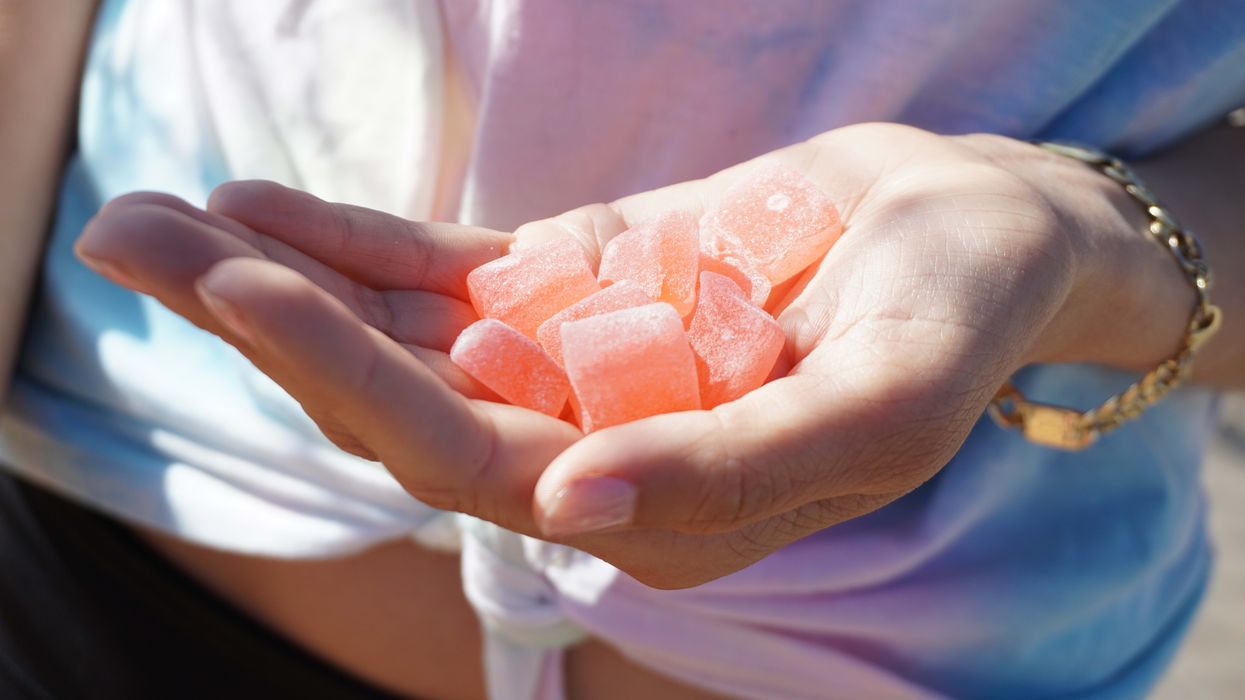
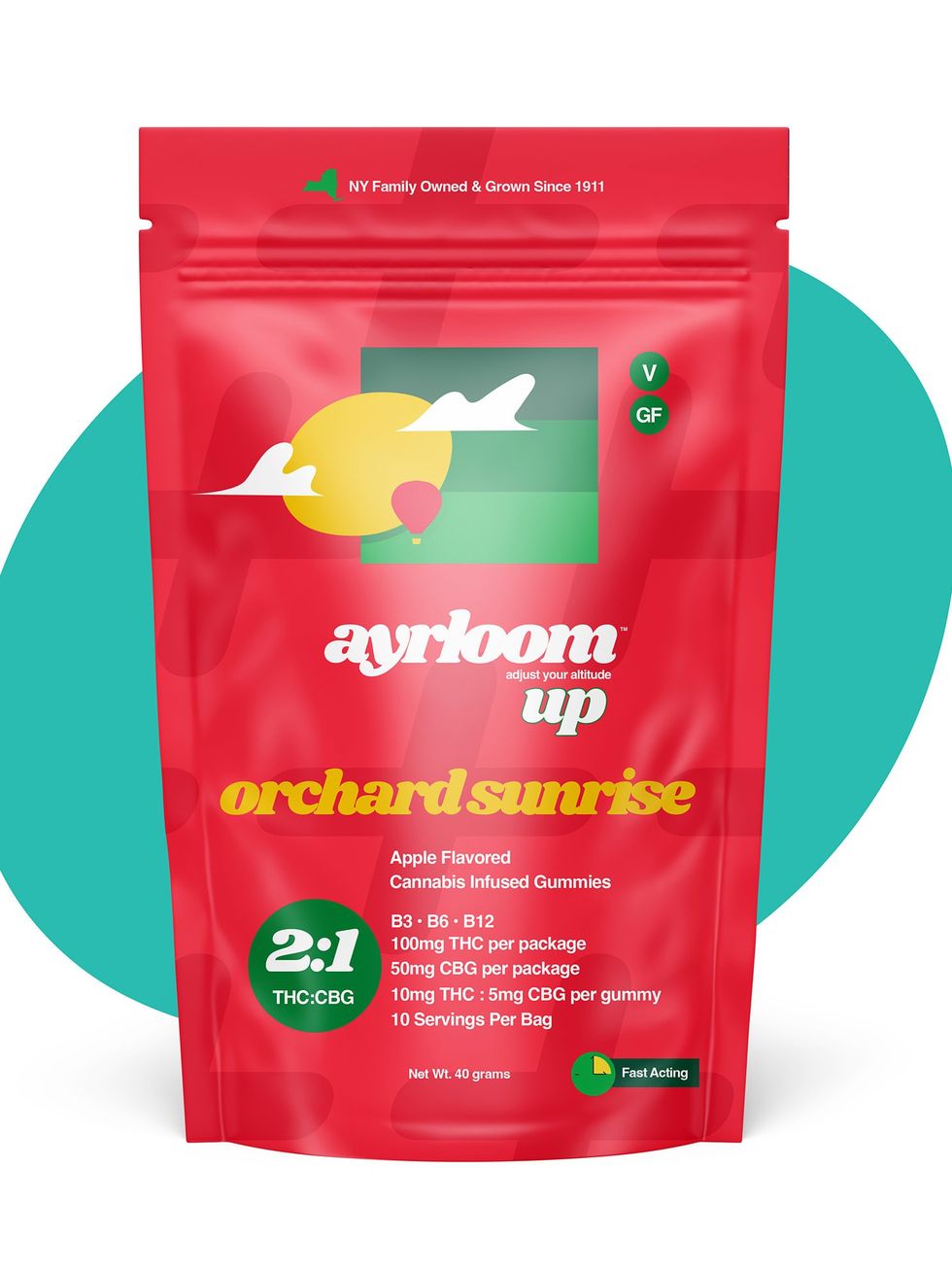 Ayrloom Orchard Sunrise Cannabis Infused Gummies
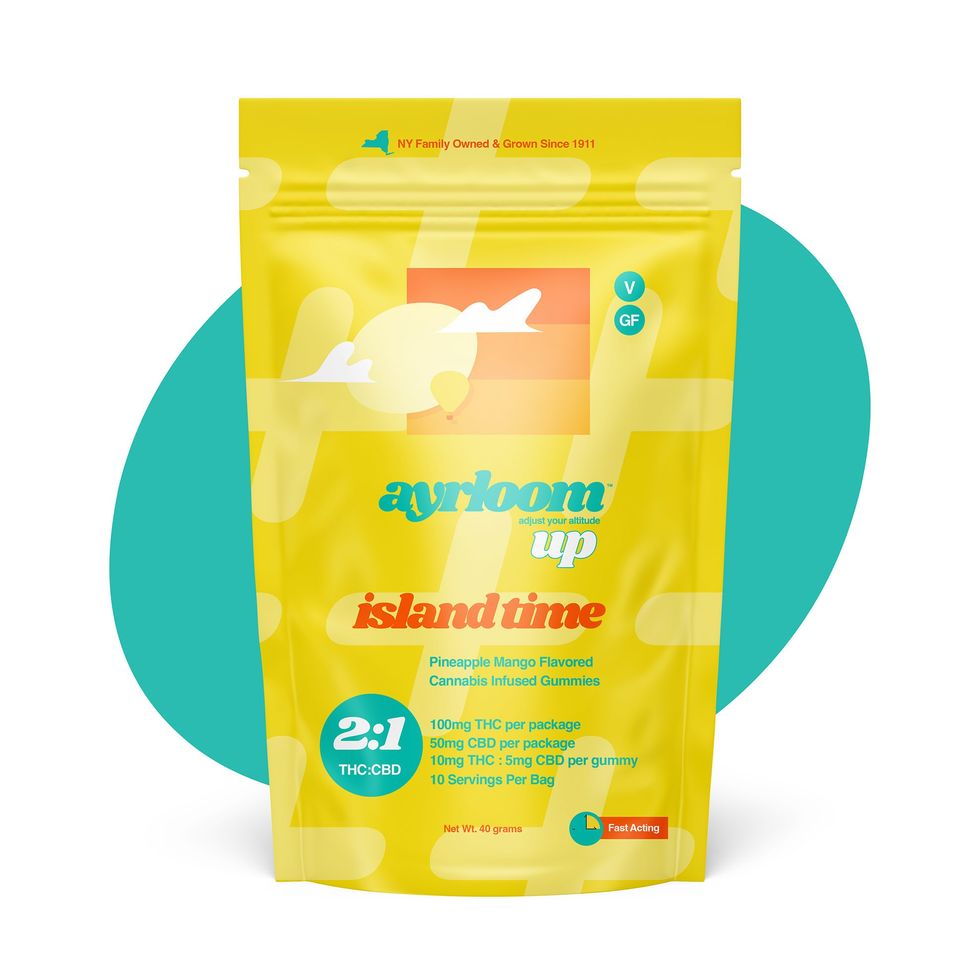 Ayrloom Island Time THC Gummies - Pineapple Mango Flavor
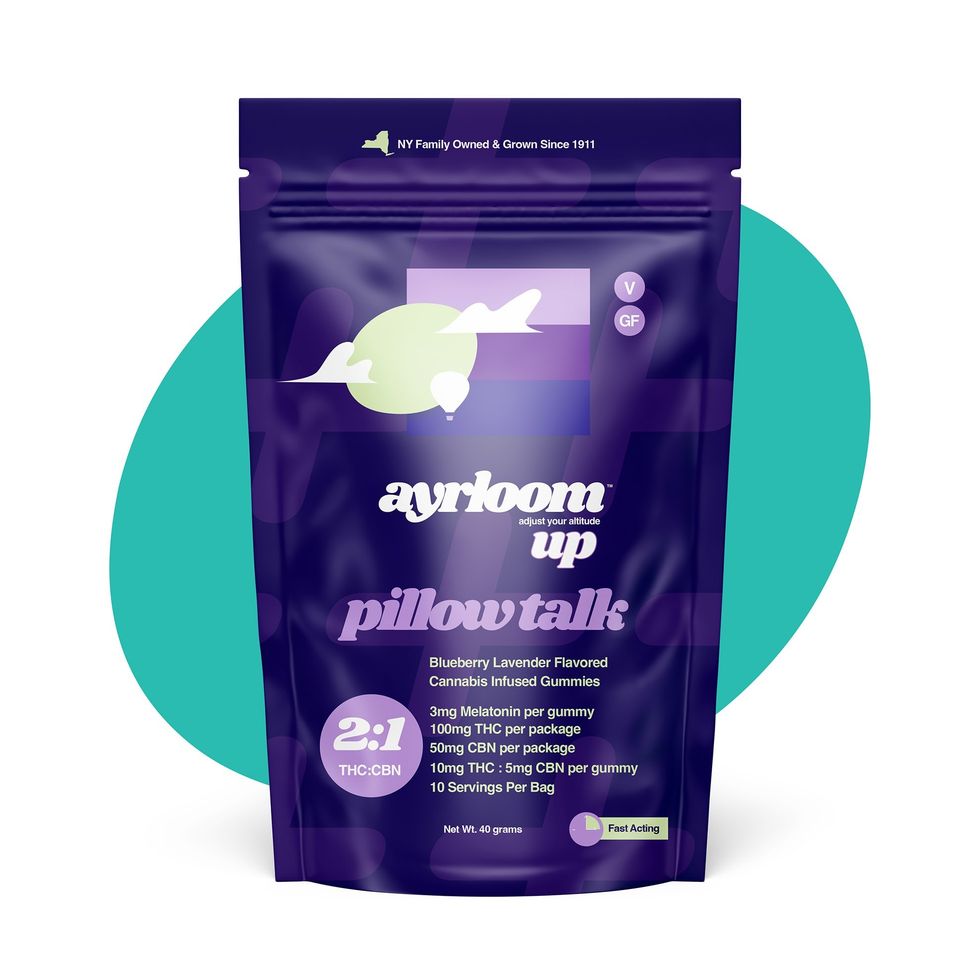 Ayrloom Pillow Talk - Sleep Gummies
 What is reggie weed? - The Bluntness
Photo by
What is reggie weed? - The Bluntness
Photo by 
 OG Kush Strain: The West Coast Classic That Defined a Generation - The BluntnessAlien Labs
 OG Kush Strain: The West Coast Classic That Defined a Generation - The Bluntness