
Skip to content
Search AI Powered

Latest Stories

FORMER SEN. TOM DASCHLE: LEGALIZING CANNABIS WILL CURE AILING ECONOMY

One cure for an ailing American economy: Legalize cannabis says former Sen. Tom Daschle

In an Op-Ed for The Hill, former Senator Tom Daschle (D-S.D.) believes the reevaluation of the cannabis regulatory frameworks is imperative as our country begins the recovery process from the COVID-19 pandemic. Now more than ever, states need new businesses, new jobs and additional tax revenues. They need the next president to legalize cannabis, and the sooner, the better, according to the article.

Daschle acknowledges that legalizing cannabis — as 40 states have already done for either medical or recreational purposes— can’t cure all that ails America. Yet, for the next president, he believes it can help drive progress on multiple critical issues. Here's how Sen. Daschle sees legalization helping drive progress on critical issues facing the country right now:


1. Job Creation
null

First, legal cannabis will help create new businesses and new jobs and generate additional tax revenues. It’s already a $16 billion-dollar market where it is legal, with the total market worth an estimated $75 billion. We’re well on the path to de facto legalization on a state level; in fact, many states deemed access to cannabis to be an essential service at the start of the COVID-19 pandemic. The next president can take us the rest of the way.

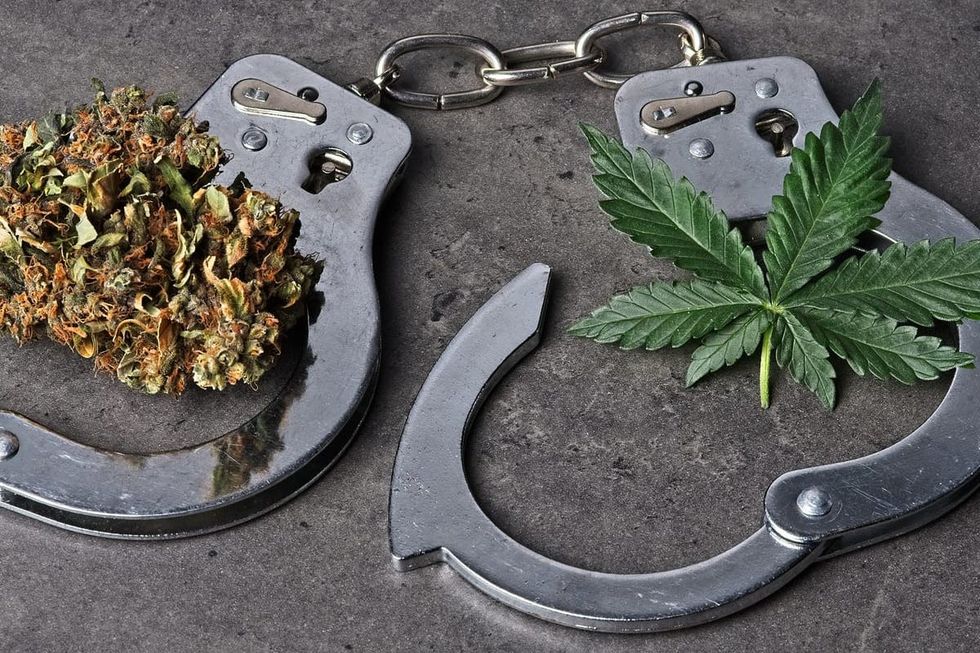
2. Decriminalization
null

Second, criminalizing cannabis has created more social ills than it has cured. Without access to mainstream banking, the thriving illicit cannabis market is more susceptible to organized crime and poses a serious threat to public safety. America ended Prohibition because it simply didn’t work, and it is clear that the current criminalization of cannabis at the federal level doesn’t work either.

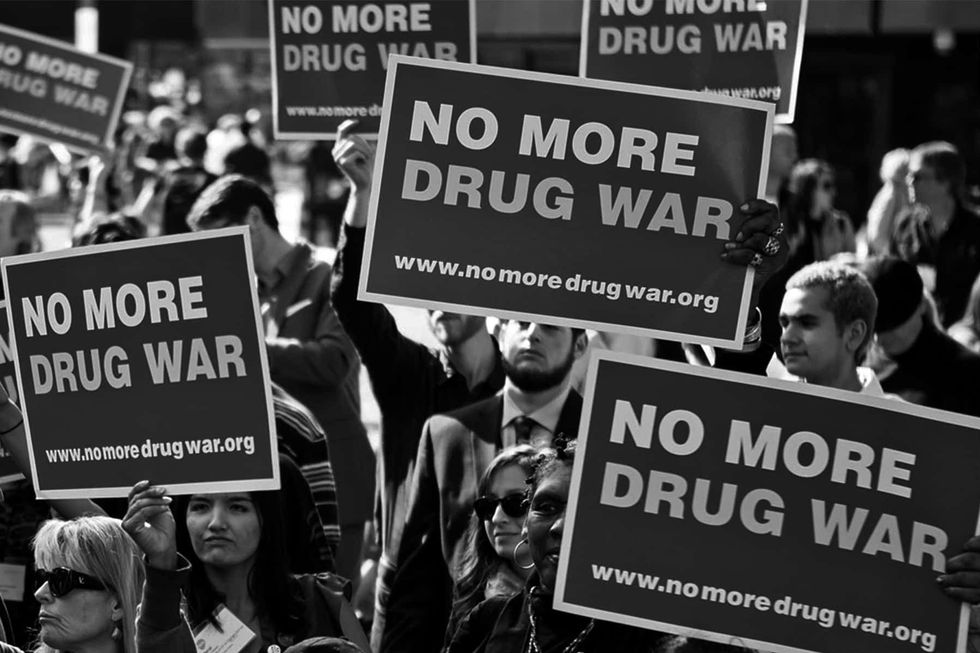
3. Ending the (Lost) War on Drugs
null

Third, the war on drugs (however well intentioned) has destroyed more lives than it has saved. Local law enforcement has been transformed into a paramilitary force focused on arresting low-level users, with overwhelming racial disparity in possession arrests skewed toward people of color. Incarceration for nonviolent drug crimes is often unjust. It creates long-term consequences throughout that person’s lifetime, namely the obvious challenge of getting a job and an average reduction of wage growth by about 30 percent for those who can find work. Nationally, police dedicate nearly $4 billion annually to enforce cannabis possession laws. Can we honestly say the staggering human and economic costs are worth it?

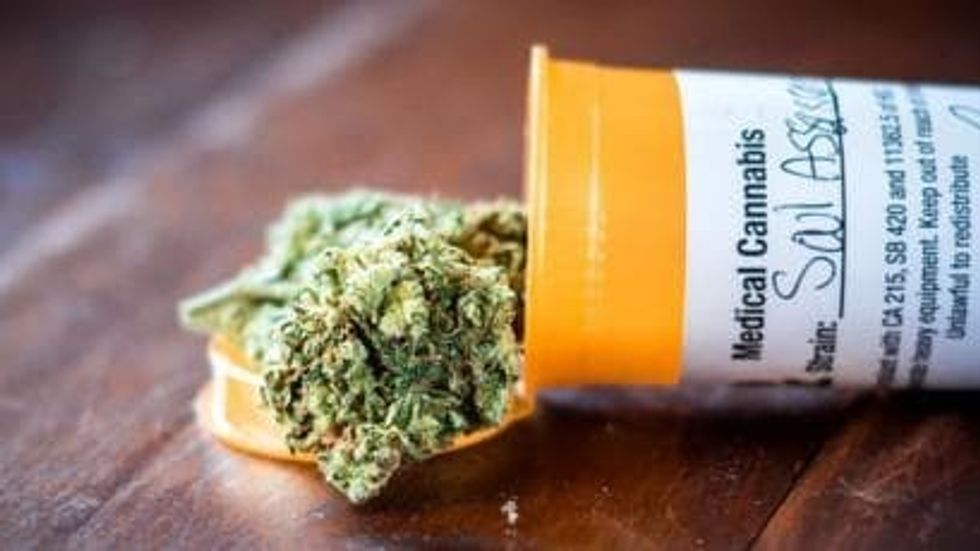
4. Cannabis = Medicine
null

Lastly, cannabis offers potential that legalization can help explore. While we have a handful of Food and Drug Administration-approved medications derived from cannabis, anecdotal evidence is giving way to clinical data illustrating promise in a variety of therapeutic areas. This is, of course, in addition to mounting evidence that cannabis has reduced opioid use and harm from opioid use.

Daschle points out that Politicians on the fringes will rail that nobody wants legalization and everyone fears it. However, we need to stand up and call that what it is: nonsense. Legalization of cannabis, far from being unpopular with voters, is already overwhelmingly supported by Americans and well on its way to being a de facto reality in most states.  


Are you still missing out on The Bluntness newsletter? Sign Up today to stay in the loop.
More For You

11 Movies to Watch While Tripping on Your Next Shroom Trip

11 Movies to Watch While Tripping on Your Next Shroom Trip

Many activities are amplified for the better when you're tripping on magic mushrooms, and watching trippy movies is definitely near the top of that list.

Shrooms provide consumers with an almost otherworldly experience: one where colors are brighter, music is magical, and everything is open to a seemingly unprecedented interpretation.

Keep ReadingShow less
Rescheduling vs. Descheduling Marijuana

High Stakes: Rescheduling vs. Descheduling Marijuana – Navigating the New Drug War

In a recent and groundbreaking development just before the U.S. Labor Day weekend, the Department of Health and Human Services (HHS) called upon the Drug Enforcement Agency (DEA) to reassess marijuana's classification under the Controlled Substances Act

This unexpected move sent shockwaves through the cannabis industry, igniting a fervent debate that could reshape the landscape of federal marijuana regulation in the United States.

Keep ReadingShow less
Getting you ready for your first magic mushroom trip - The Bluntness

Getting you ready for your first magic mushroom trip - The Bluntness

How Long Do Shrooms Last? Magic Mushroom Guide for Beginners

In 2022, general interest in magic mushrooms has spiked to unprecedented levels not seen since the 1960s. Thanks to research showing promising results for patients, lawmakers a handful of states and cities already have or are considering loosening psilocybin restrictions.

A few states such as Oregon have fully legalized psilocybin treatment for all adult patients, while others want to limit it to veterans or others with PTSD.

Keep ReadingShow less
The vast number of different cannabis varieties are a real treat but can be overwhelming to newcomers.
Photo by Jeff W on Unsplash

Different Strains of Weed: How Many Are There?

Sour Diesel. Purple Kush. Amnesia Haze. If you’re a fan of cannabis, you’ve probably noticed that there are many different types to choose from, and most of them have funny names. And yes—they are all different. But, what makes them different, exactly? And how many marijuana strains are there, really? Well, let’s find out. 

What Are Cannabis Strains?

In popular culture, different cannabis cultivars are referred to as “strains.” Each individual strain is a cannabis variety that has been bred for its specific characteristics by a cannabis breeder. So, Granddaddy Purple is a strain. Harlequin is another strain. The former is a sleepy strain that produces a high percentage of the psychoactive tetrahydrocannabinol (THC). The latter is a mellow flower that produces both THC and cannabidiol (CBD). The plants both have different lineages and different characteristics. Hence, they are different strains. 

But, the word “strain” comes with a fair share of controversy. From a scientific perspective, referring to cannabis varieties as “strains” makes very little sense. And yet, “strain” is the word that remains in popular culture. The difference is mainly semantic—in the world of botany, different plant varieties are called cultivars, not strains. The word “strains” is usually reserved for bacteria and viruses, not plants. 

Keep ReadingShow less
How to Make a Cannagar Without a Mold: A Comprehensive Guide. - The Bluntness

How to Make a Cannagar Without a Mold: A Comprehensive Guide. - The Bluntness

How to Make a Cannagar Without a Mold: A Comprehensive Guide

There are so many different ways to consume cannabis, and each method speaks to the kind of consumer you might be. If you're the type of cannoisseur to opt for a blunt, chances are you like your weed with a little kick, which is why a cannagar is the perfect product for you.

What Is A Cannabis Cigar? aka Cannagar

Made from a cannagar mold, cannabis oil, cannabis leaves, and about 4-12 grams of ground flower (depending on how hard you’re willing to go), cannagars are designed to knock you on your ass with sophistication.

Keep ReadingShow less