
Skip to content
Search AI Powered

Latest Stories

Canopy Growth Files Lawsuit Against GW Pharma Over Intellectual Property Claims

This is a lawsuit you'll want to keep your eye on.
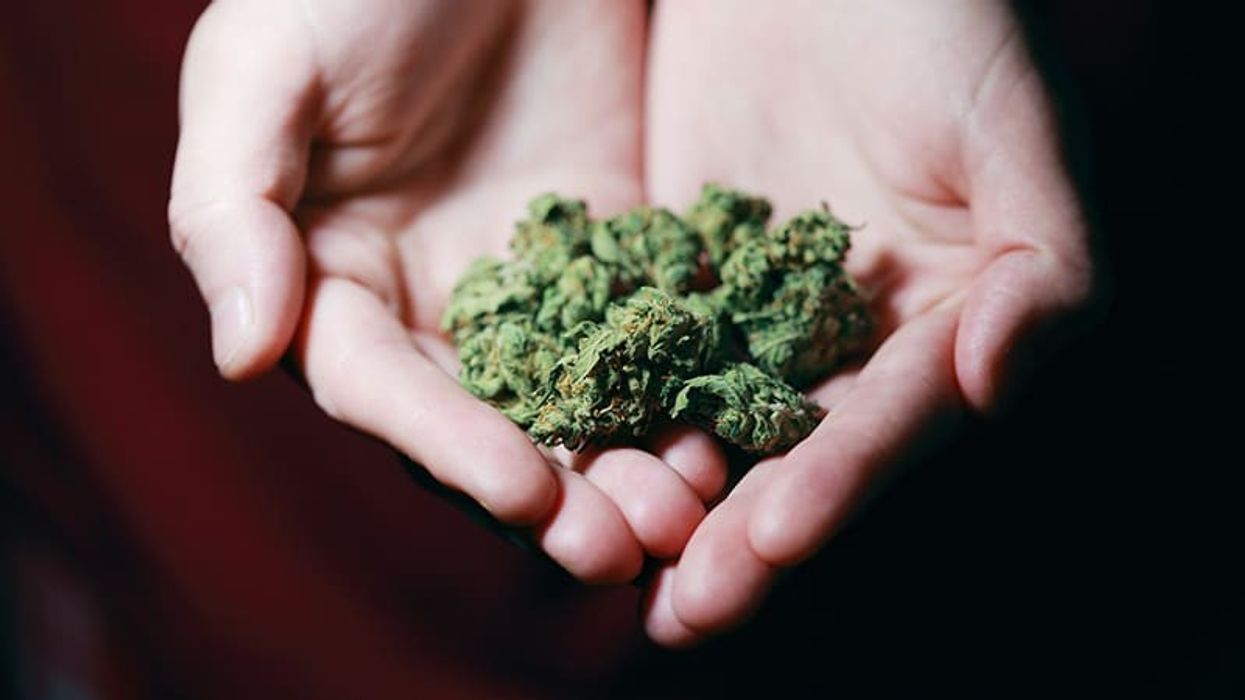
Photo by Melinda Gimpel on Unsplash

This article was first published with Benzinga by Nina Zdinjak.

Canadian cannabis giant Canopy Growth Corp filed a federal lawsuit last week against Britain’s GW Pharma.


In the lawsuit filed in the U.S. District Court for the Western District of Texas, Canopy accuses GW Pharma of unauthorized usage of Canopy’s intellectual property related to a CBD extraction method.

Canopy Growth said it has obtained the intellectual property with its acquisition of Germany’s C3 Cannabinoid Compound Co. in 2019 for more than $250 million, reports Marijuana Business Daily. The same day the lawsuit was filed, Canopy was issued the U.S. patent.

According to Canopy, GW Pharma has been relying on the extraction method in question for the production of its flagship epilepsy drug Epidiolex.

Canopy said that “GW has been monitoring the ’632 Patent family for over fourteen years.”

The complaint has only one goal, which is to end GW’s “unauthorized use of Canopy’s intellectual property” — not to limit “patient access to Epidiolex,” Canopy said. 

Epidiolex is the first FDA-authorized CBD medicine for treating children with severe forms of epilepsy. The medicine was first approved for treatments of seizures connected to Lennox-Gastaut syndrome and Dravet syndrome.

In July, the FDA also approved Epidiolex for managing seizures related to tuberous sclerosis complex.

“As a policy, we do not comment on any pending litigation except to say that based on our preliminary review of the complaint, we are confident in our position and will vigorously defend against this lawsuit,” GW Pharma said in a statement emailed to Marijuana Business Daily.

Are you still missing out on The Bluntness newsletter? Sign Up today to stay in the loop.

More For You

Are you paying too much attention to THC percentage? - The Bluntness

Are you paying too much attention to THC percentage? - The Bluntness

High-THC: Is % Important?

If this comes as a surprise, you’re not alone. The value of a simple number on a label receives too much credit from consumers and budtenders alike. It seems no matter how many times we think we understand cannabis, science manages to throw us off - in a good way, of course.

The question of whether percentage matter is often debated, as THC percentage alone is not a reliable indicator of overall quality or experience. Like it or not, the way cannabis interacts with the mind and body makes a simple THC measurement inaccurate to tell how high you’ll get. Potency - like many things about cannabis - is complicated.

Keep ReadingShow less
Comprehensive Glossary of Cannabis Terminology - The Bluntness
Cannabis Terminology - The Bluntness
Photo by Margo Amala on Unsplash

Cannabis Glossary: 120+ Terms

Cannabis terminology can be overwhelming for new consumers. This glossary defines 120+ essential terms including cannabinoids (THC, CBD), consumption methods (vaping, edibles), and industry concepts to help you navigate dispensaries and products confidently.

Why Cannabis Terminology Matters

Cannabis terminology can feel overwhelming when you first step into a dispensary or browse online menus. Understanding the language helps you:

  • Communicate effectively with budtenders and medical professionals
  • Make informed decisions about products and consumption methods
  • Navigate dispensary menus with confidence
  • Understand product labels and lab results
  • Find products that match your needs and preferences
  • Stay safe by recognizing quality indicators and potential issues

This glossary provides clear, accurate definitions for over 120 cannabis terms, from basic concepts to advanced cultivation and processing terminology. Whether you're a first-time consumer or an experienced enthusiast, this guide will enhance your cannabis knowledge.

Keep ReadingShow less
gif of actor Kevin James from King of Queens; asking "How Much Does That Cost?"
Why Is Some Weed More Expensive Than Others? Understanding Cannabis Pricing
Giphy

Unraveling Cannabis Pricing: Factors Behind the Cost of Weed


Step inside a cannabis dispensary for the first time and the experience can be overwhelming. The meticulously labeled glass jars showcase dozens of strains with names like "Wedding Cake" and "Blue Dream," while refrigerated cases display concentrates, edibles, and tinctures at wildly different price points. Unlike the days when consumers were limited to whatever their neighborhood dealer offered, today's legal market presents a dazzling array of options that might leave newcomers with both wonder and sticker shock.

Keep ReadingShow less
image of California coast, pacific coast highway at sunset
How Overregulation Crushed California’s Gold Flora—And Why Other States Should Be Worried
Photo by Matthew Hamilton on Unsplash

Overregulation Kills Gold Flora

When California-based Gold Flora entered the legal cannabis scene, the company was poised to dominate. Backed by serious money and a sprawling, vertically integrated operation—from a 100,000-square-foot cultivation campus in the desert to marquee dispensaries in West Hollywood and San Jose—Gold Flora wasn't just riding the green wave. It was supposed to be the wave.

But by the end of March 2025, the company had filed for receivership, its assets now headed to auction. And while headlines cite "merger woes" and "market conditions," the real culprit behind Gold Flora’s collapse is far more systemic: a regulatory stranglehold that has quietly choked the life out of California’s once-promising cannabis economy.

Keep ReadingShow less
80s anti-drug ad, egg cooking in frying pan, indicates your "brain on drugs"
DEA's 2025 'Anti-420 Day' Campaign: A Misguided Step Backward
Giphy

DEA's Anti-420 Fail

In a move that seems more like a relic from the “Just Say No” era than a contemporary public health initiative, the Drug Enforcement Administration (DEA) is backing an “Anti-420 Day” campaign aimed at recruiting high school and college students to produce anti-cannabis content for Instagram. This initiative, which also aims to address drug abuse among high school and college students by highlighting its impact on education and behavior, is spearheaded by the anti-cannabis nonprofit Johnny’s Ambassadors. It offers modest incentives—$25 to $50 Amazon gift cards—for videos warning peers about the purported dangers of THC use.

A Disconnect from Current Drug Policy Realities

At a time when more than 23 states have embraced full cannabis legalization and public opinion has shifted significantly in favor of reform, the DEA’s endorsement of this campaign appears tone-deaf and regressive. The agency’s attempt to “flood” social media with anti-THC messages not only disregards the evolving legal landscape but also undermines efforts toward normalization and informed discourse surrounding cannabis use. A multifaceted approach to drug abuse prevention, which includes increased resources for prevention and rehabilitation, is necessary to address the complexities of drug addiction. This contrasts sharply with the DEA's current strategies that emphasize law enforcement and interdiction over public health-focused measures.

Keep ReadingShow less