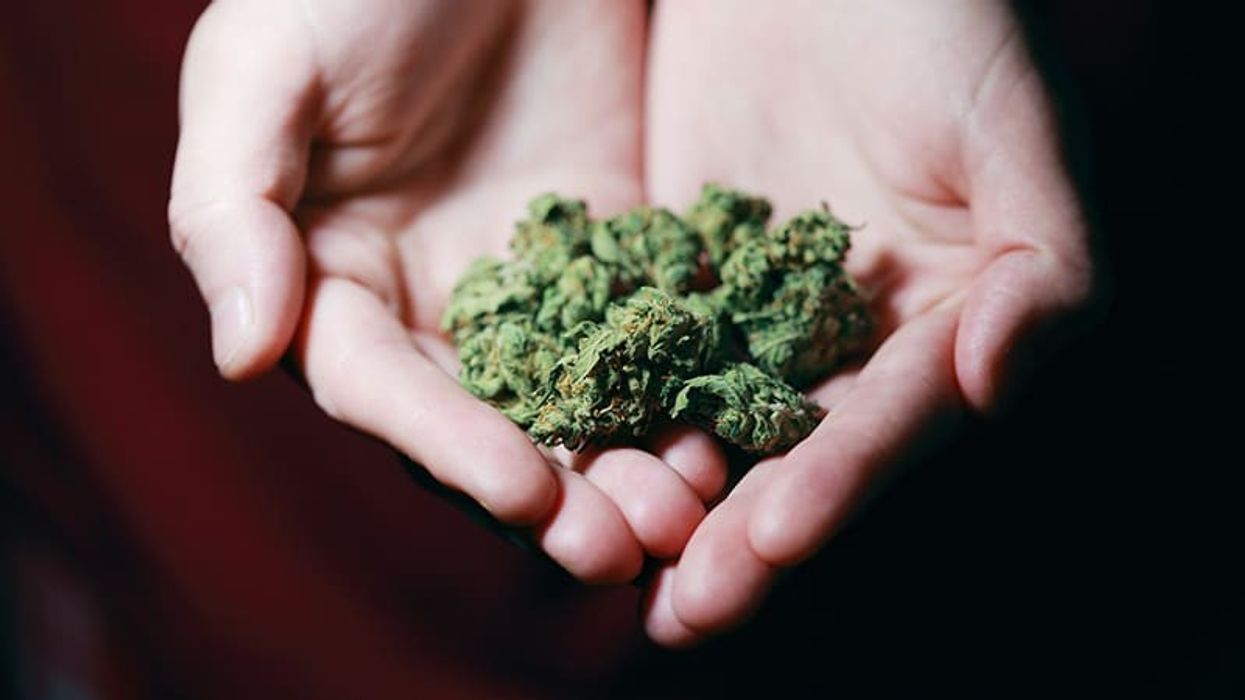
It finally happened.
After decades of stalled hearings, political football, bureaucratic inertia, and enough legislative near-misses to fill a very depressing highlight reel, the federal government has officially moved marijuana off Schedule I. Acting Attorney General Todd Blanche signed the order on Thursday, April 23, 2026, rescheduling state-licensed medical marijuana and any FDA-approved marijuana products from Schedule I to Schedule III under the Controlled Substances Act.
Let that sink in for a second. Marijuana — which has shared a federal classification with heroin since the Nixon administration — is no longer in that category. That's not a small thing.
But it's also not everything.
Two years ago, when we first broke down the rescheduling vs. descheduling debate after HHS blindsided the industry with its recommendation letter, the core question was: which path forward actually fixes the problem? Rescheduling advocates said Schedule III was a practical, achievable step. Descheduling advocates, including NORML, said anything short of full removal from the CSA was intellectually dishonest — a half-measure that would leave the industry's structural problems intact.
Both sides were right. And now that we're actually here, it's time to be honest about exactly what just changed and what didn't.
What Just Happened, Exactly
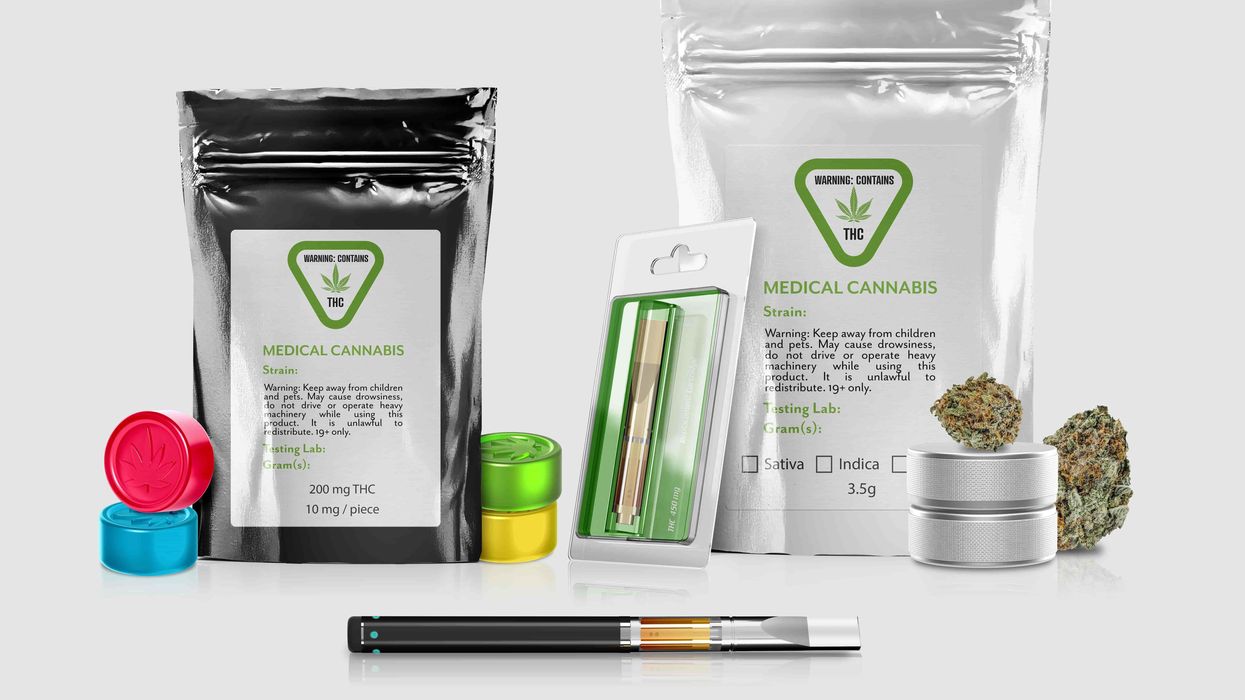
Blanche's order is phased. State-licensed medical marijuana products and any FDA-approved marijuana products move to Schedule III immediately. A formal DEA hearing on broader rescheduling is set for June 29, 2026, which will address the full scope of cannabis classification under federal law.
"The Department of Justice is delivering on President Trump's promise to expand Americans' access to medical treatment options," Blanche said in a statement. "This rescheduling action allows for research on the safety and efficacy of this substance, ultimately providing patients with better care and doctors with more reliable information."
This is the culmination of a process that technically started under Biden. In August 2023, the Department of Health and Human Services published a 252-page report concluding that marijuana did not meet the criteria for Schedule I. The DOJ issued a proposed rule to move it to Schedule III. Then the administrative hearing process collapsed in a slow-motion bureaucratic disaster, with accusations of DEA bias and improper communications clouding the record.
Trump picked up where Biden left off — though he got there by a different route. On December 18, 2025, he signed an executive order directing the attorney general to complete the rescheduling process "in the most expeditious manner possible." He even complained publicly just days before this announcement that federal agencies were "slow-walking" him on the issue. Billionaire Howard Kessler, a Mar-a-Lago member who credits CBD with helping him during cancer treatment, was present in the Oval Office alongside Trulieve CEO Kim Rivers for that December signing. Personal relationships shaped national drug policy. Welcome to how Washington actually works.
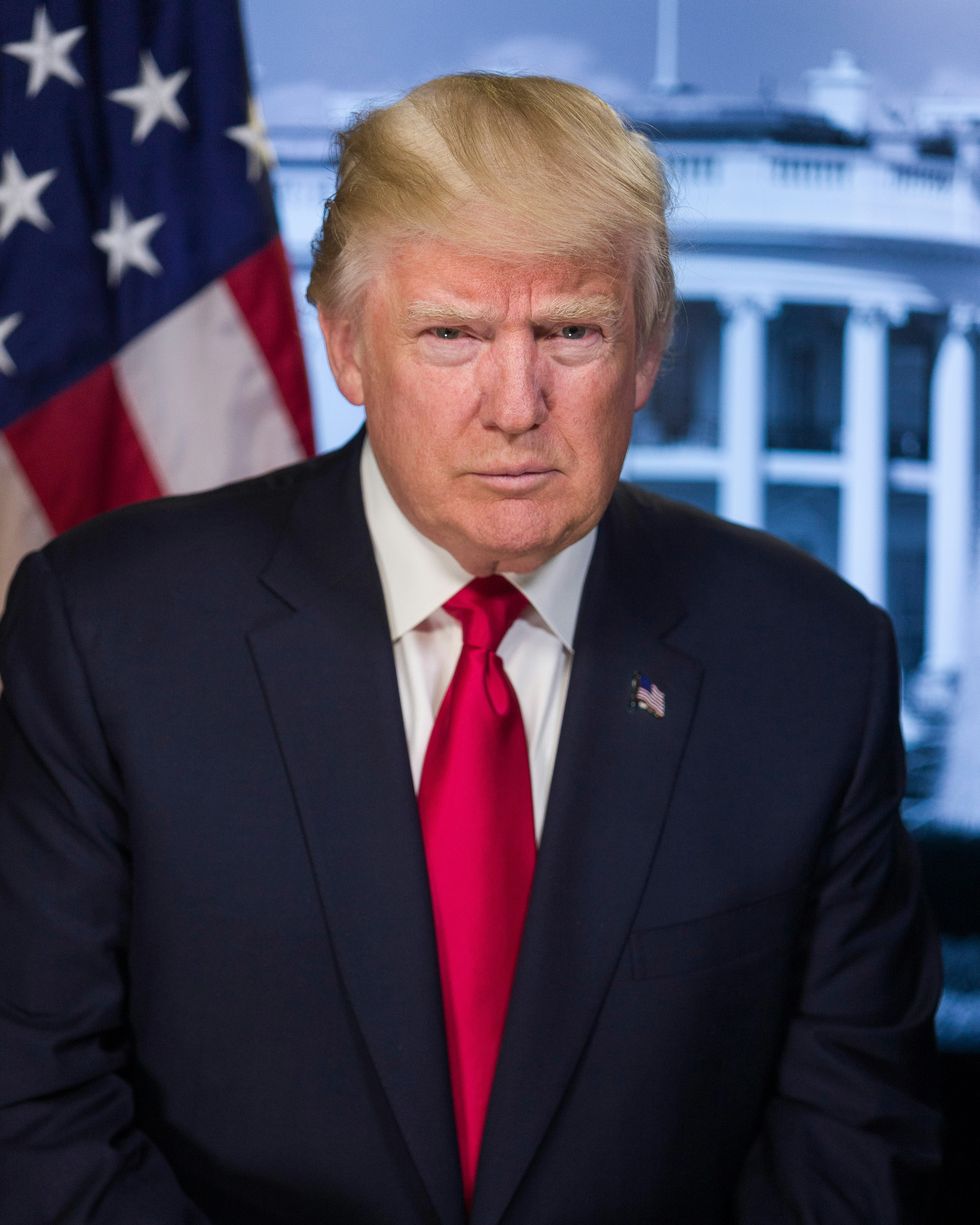 The Department of Justice is delivering on President Trump's promise to expand Americans' access to medical treatment options Photo by Library of Congress on Unsplash
The One Thing That Actually Changes Everything for Industry: 280E Is Dead
For state-licensed cannabis operators, the most consequential sentence in Thursday's order is about Section 280E of the Internal Revenue Code.
280E has been the industry's financial noose since it was extended to cannabis after a 1982 court case. Because marijuana was a Schedule I or II substance, the IRS prohibited cannabis businesses from deducting ordinary business expenses — rent, payroll, marketing, professional fees. The only cost basis allowed was cost of goods sold. In practice, this pushed effective federal tax rates above 70% for many operators, making a business that is profitable on paper functionally insolvent on paper filed with the IRS.
That's over. Schedule III removes the 280E burden for state-licensed medical cannabis sales.
The numbers are staggering. Industry analysis shows the top five U.S. cannabis operators could collectively deploy more than $9 billion in capital over the next two years from 280E relief alone. Cannabis retailers in higher-volume states like Maryland are projected to save an average of $805,000 annually per store. For a mid-sized operator doing $10 million annually, the 280E burden has historically translated to roughly $2.5 million in excess taxes. That's survival capital suddenly redirected to payroll, expansion, and operations.
"With the move to Schedule III, cannabis companies should be able to claim the same deductions as ordinary businesses," said Nick Richards, co-chair of the cannabis practice at Greenspoon Marder.
There are important caveats. The relief is prospective, not retroactive. The IRS has not historically allowed retroactive amendments to prior-year returns based on legal changes. If your tax year matches the calendar year and the final rule becomes effective in 2026, your 2025 return still falls under 280E — you were Schedule I for that entire year. Some operators are reportedly considering filing 2025 returns free of 280E or pursuing amended returns for prior years, but tax attorneys are warning that path leads directly to a tax court fight. Operators should get with a cannabis-specialized CPA immediately if they haven't already.
What Rescheduling Does NOT Do
This matters. A lot of people are about to be confused, and misinformation spreads fast.
Rescheduling does not federally legalize marijuana. Cannabis remains a controlled substance. You still cannot ship it across state lines. You cannot use the postal service to send it. Recreational use remains a matter of state law only, with zero federal change.
Rescheduling does not affect people currently incarcerated on marijuana charges. More than 200,000 Americans were arrested for cannabis-related offenses last year, according to the Marijuana Policy Project. Rescheduling doesn't touch a single one of those cases or convictions. The racial disparities baked into decades of Schedule I enforcement don't get undone by a regulatory classification change.
Rescheduling does not fully solve banking. Financial institutions will still evaluate cannabis businesses as high-risk under the Bank Secrecy Act. Many banks will wait for a final rule before revisiting their cannabis policies. Full banking normalization still requires the SAFE Banking Act or comparable legislation — which Congress has repeatedly failed to pass.
Rescheduling does not simplify your state compliance. The patchwork of state-by-state regulations doesn't change because the DEA changed a number. If you operate across multiple states, your compliance burden is the same tomorrow as it was yesterday.
Rescheduling does not resolve the pharmaceutical question. A Schedule III classification puts cannabis under increased FDA oversight for medical products. What that means for existing state-market products, whether dispensary products will need to be dispensed through pharmacies, and whether interstate commerce opens up — none of that is settled. These questions go to the June 29 hearing and beyond.
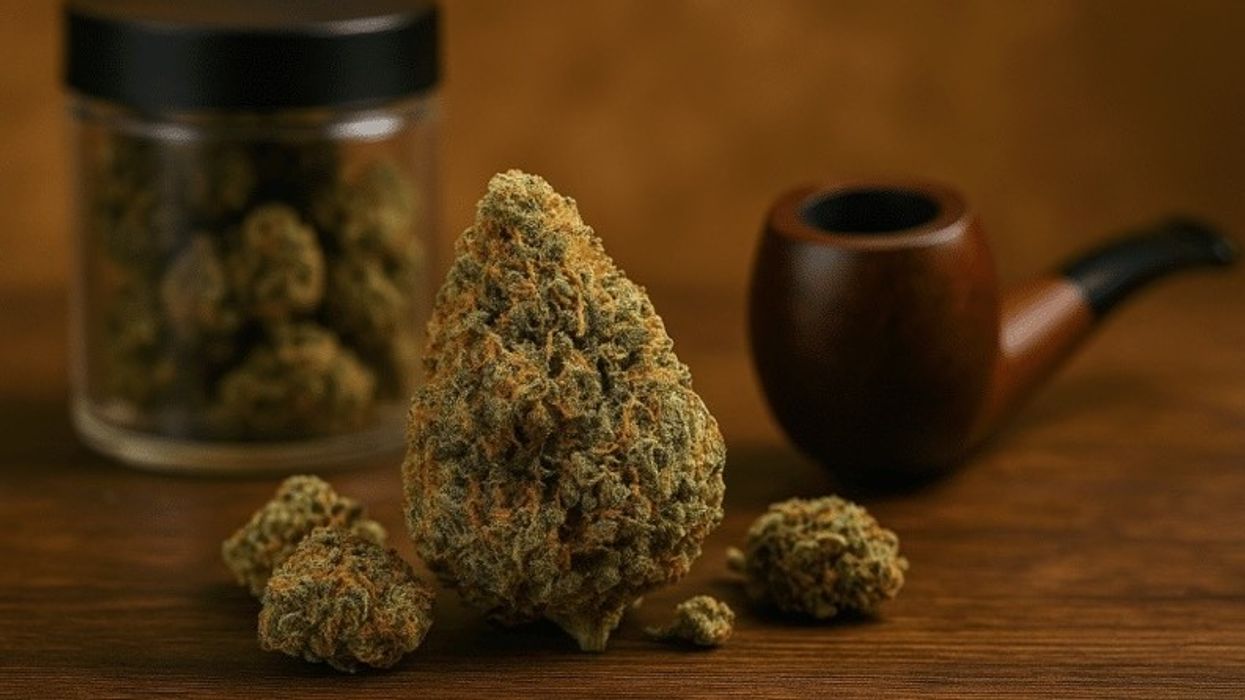
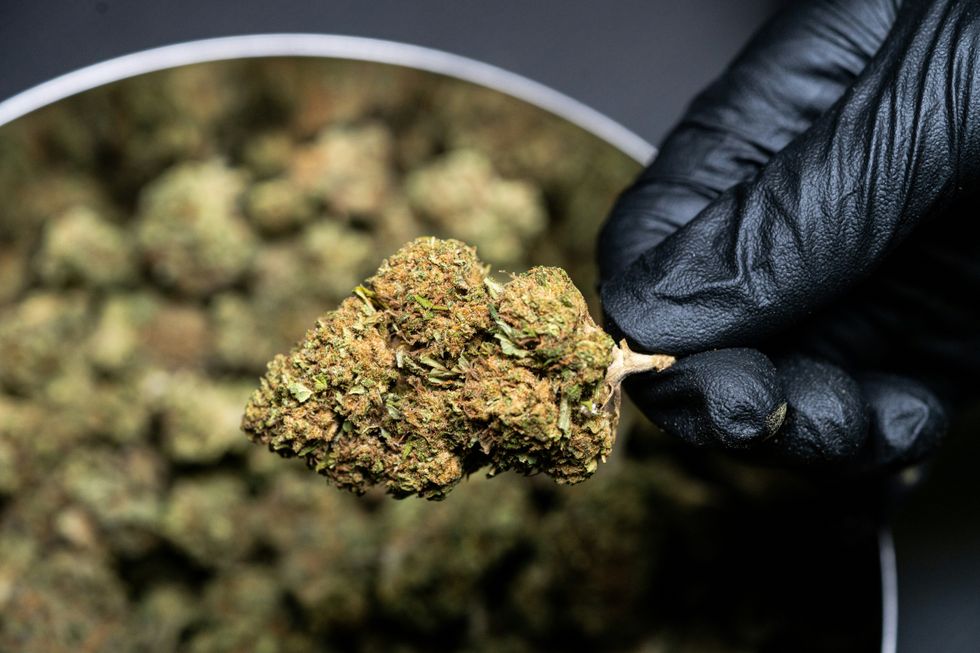 Rescheduling does not federally legalize marijuana. Cannabis remains a controlled substance. - The Bluntness Photo by CRYSTALWEED cannabis on Unsplash
What the Industry Is Actually Saying
The reaction from operators has been measured. Optimistic, but not naive.
Omar Delgado, VP of Retail at Ivy Hall Dispensary, put it plainly. Ivy Hall launched as the first social equity dispensary in Illinois and now operates ten locations across the state. "Today's DOJ announcement is meaningful progress, even if the work isn't done," Delgado said. "Moving FDA-approved and state-licensed cannabis to Schedule III is a real step forward: it eases research barriers, opens the door to 280E relief for compliant operators, and signals that the federal government is finally taking cannabis seriously as medicine. A full rescheduling hearing in June is the next hurdle, and we'll be watching closely. At Ivy Hall, we're encouraged and ready to build on this momentum."
That framing — encouraged, not euphoric — reflects where most serious operators are. They've been burned by false starts before. Biden's process stalled. DEA hearings collapsed. This one landed, but the June 29 hearing looms, and the industry knows better than to pop champagne before the rule-making is final.
On the compliance and infrastructure side, the implications are just as significant. Metrc, which provides the track-and-trace technology backbone for regulated cannabis markets across the country, sees Thursday's action as a turning point that raises the stakes on operational standards. "Today's decision to advance cannabis rescheduling represents one of the most consequential shifts in policy for legal cannabis in decades, removing some of the key roadblocks the industry has long faced," said Michael Johnson, CEO of Metrc. "While this is not full federal legalization, this move makes meaningful progress towards standardizing the industry and setting the stage for much needed policy frameworks. Next, as the industry grows and evolves in the coming years, ensuring the traceability and safety of cannabis products reaching shelves will be critically important."
That last point matters and tends to get glossed over in the celebration. More federal recognition means more federal scrutiny. Operators who have run loose compliance programs because "we're already illegal federally anyway" are going to find that posture increasingly untenable. Schedule III means the FDA has more to say. DEA registration pathways are opening. Traceability requirements will tighten. The businesses built for the gray zone will have to professionalize fast.
The Descheduling Crowd Was Right (Even Though They Lost)
NORML's position in 2023 was that rescheduling was intellectually dishonest — that cannabis doesn't fit any CSA schedule, and that the right comparison isn't heroin vs. ketamine but cannabis vs. alcohol and tobacco, neither of which appears in the CSA at all.
They weren't wrong. Every problem that rescheduling doesn't fix — banking, interstate commerce, criminal justice, the patchwork compliance nightmare — stems from the fact that cannabis is still a controlled substance under federal law. The state-federal conflict that NORML warned about still exists. Dispensaries operating in legal states are still technically in violation of federal law.
Rescheduling is real progress. But the descheduling advocates should be credited for naming accurately what this moment isn't.
"Rescheduling is a great step, but it does not solve all the problems," said Chris Smith of the Marijuana Policy Project. "We have thousands of people whose lives were interrupted and upended by an arrest for possession of a plant."
The finish line is still out there. Thursday's order is a significant checkpoint. Not the destination.
Why This Happened Now (And Why Trump Is Doing It)
The political calculus here is real. More than two-thirds of U.S. states and territories regulate marijuana for medical or adult use. Public polling consistently shows over 80% of Americans support medical marijuana access. No president has shut down state-legal cannabis programs precisely because the economic and political cost would be catastrophic.
Trump had personal incentive. His Oval Office signing ceremony in December included Kessler and Rivers, not random cannabis advocates — these are personal relationships. And Trump, who ordered agencies to act "in the most expeditious manner possible" and then complained they were slow-walking him, clearly wanted this done.
It's also worth noting: acting AG Blanche drove this across the finish line, not Pam Bondi, Trump's original AG pick. Bondi opposed cannabis reform as Florida's AG and notably skipped the December signing ceremony. The personnel who executed this mattered.
The psychedelics connection is also worth watching. Just days before Thursday's rescheduling announcement, Trump signed a separate executive order on psychedelics, directing accelerated research, clinical trials, and "Right to Try" access for drugs like psilocybin, MDMA, and ibogaine. There is a broader policy shift underway around controlled substances. Cannabis is the opening act, not the whole show.
What Happens Next
The June 29 hearing is the next major milestone. That proceeding will address the full scope of cannabis rescheduling under federal law — including what happens to recreational-market cannabis, which Thursday's order does not explicitly cover for products that aren't state-licensed medical or FDA-approved.
The rule-making process that began in 2024 under Biden continues under an expedited timeline. Legal challenges are likely from anti-rescheduling parties who have already alleged agency bias and improper communications during the Biden-era review. Federal courts could create delays.
For businesses, the immediate priority is talking to a cannabis-specialized tax attorney or CPA to understand how 280E relief applies to your specific entity structure, tax year, and revenue mix. The timing of when the IRS considers 280E eliminated — upon publication of the final rule, at the start of your next tax year, or via some deferred approach — is not yet settled guidance.
For patients and consumers, expanded research access means better clinical evidence is coming. Scientists have faced strict approval processes, limited supply access, and heavy compliance requirements when studying cannabis for chronic pain, PTSD, and neurological disorders. Those barriers are coming down.
For the industry as a whole, the financial oxygen that 280E relief provides could help stabilize a sector that has been running a marathon in cement shoes for the better part of a decade.
Frequently Asked Questions
Does Trump's marijuana rescheduling legalize weed? No. Moving cannabis to Schedule III means it is still a federally controlled substance. Recreational use remains governed entirely by state law. Federal legalization would require an act of Congress.
What does Schedule III mean for marijuana? Schedule III drugs are defined as having moderate to low potential for physical and psychological dependence and accepted medical use. Cannabis now sits alongside drugs like ketamine and anabolic steroids, rather than heroin and LSD.
Does rescheduling eliminate the 280E tax burden for cannabis businesses? Yes, for state-licensed medical cannabis sales, rescheduling removes the Section 280E prohibition on deducting ordinary business expenses. The relief is prospective, meaning it applies going forward from the effective date of the final rule, not retroactively to prior years.
What is Section 280E and why does it matter? 280E is an IRS code provision that prohibited businesses "trafficking" in Schedule I or II controlled substances from deducting standard business expenses like rent, payroll, and utilities. It has pushed effective federal tax rates above 70% for many cannabis operators.
Does rescheduling affect people incarcerated for marijuana? No. The rescheduling order does not expunge prior convictions or release anyone from incarceration on cannabis charges. That would require separate congressional or executive action.
Will cannabis banking improve after rescheduling? Partially. Rescheduling may encourage some financial institutions to reconsider cannabis clients, but full banking normalization still requires legislation like the SAFE Banking Act. Banks will continue operating cautiously until a final rule is in place and legal challenges are resolved.
What is the difference between rescheduling and descheduling? Rescheduling moves cannabis to a lower schedule within the Controlled Substances Act, where it remains a regulated drug with federal restrictions. Descheduling would remove cannabis from the CSA entirely, similar to how alcohol and tobacco are handled — regulated outside the drug scheduling system. Thursday's action is rescheduling, not descheduling.
What happens at the June 29 hearing? The DEA will hold a hearing to evaluate broader changes to marijuana's status under federal law, including questions that Thursday's order did not fully resolve about adult-use recreational cannabis and the full scope of implementation.
Have thoughts on rescheduling? Reach out to The Bluntness at editor@thebluntness.com. Stay locked in — this story is just getting started.
Related Reading:

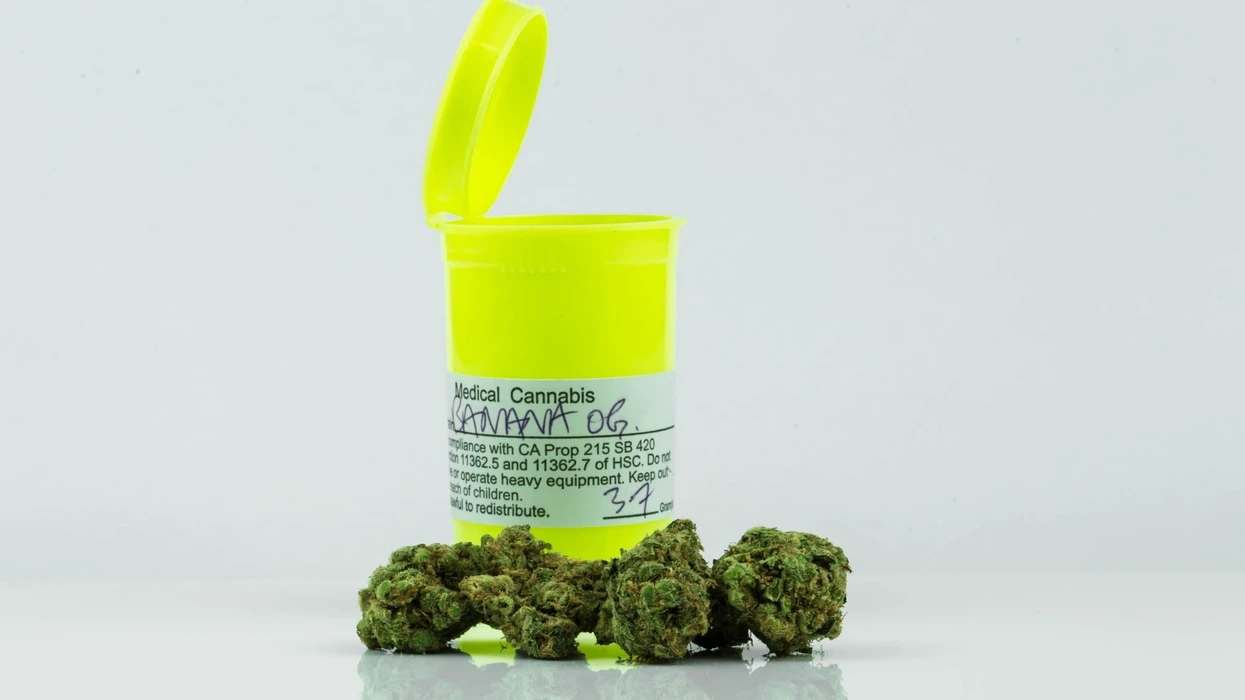
 Apple Fritter Strain - The Bluntness Riverside Greenery
  Indica vs. Sativa: Are These Cannabis Labels Outdated? - The Bluntness
 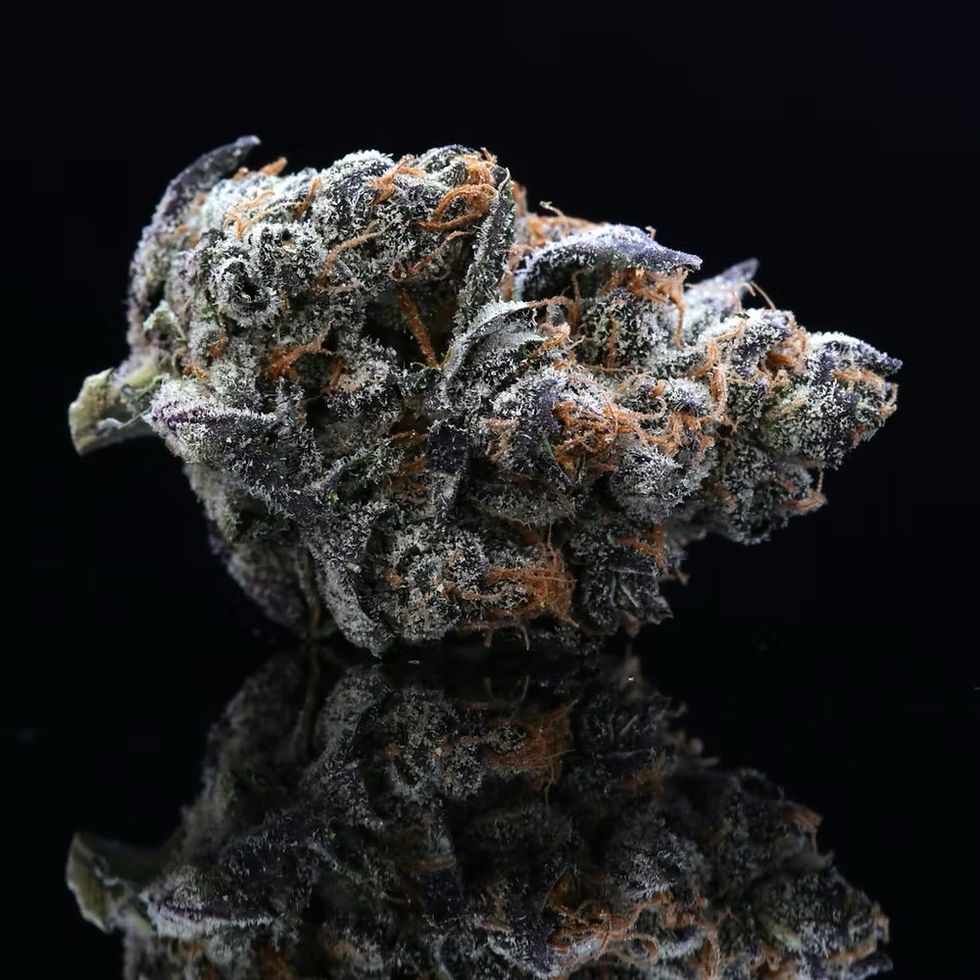 Georgia Pie Strain Profile: history, effects, and more - The Bluntness
 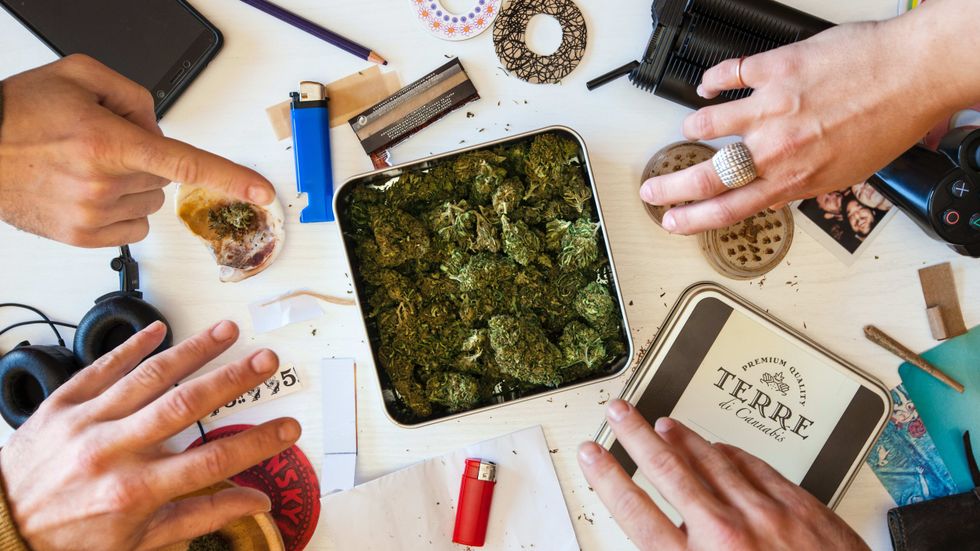 How many strains of weed are there? - The Bluntness