
Skip to content
Search AI Powered

Latest Stories

Meet Micah Tatum President of Infinity Broadcast Network

Micah Tatum, President of Infinity Broadcast Network
Photo credit: Leon Green/Elegee Photo


Sign up for theBluntness newsletter for all your latest cannabis news


Meet Micah Tatum, President of Infinity Broadcast network, which produces Cannabis Broadcast Station (CBS). The station's variety of shows are available on Roku, YouTube and in over 130 dispensaries nationwide.


Based in the Los Angeles area, Micah is a graduate of Chapman University's George L. Argyros School of Business and Economics. He has extensive background in online marketing and advertising, social media, film, event management, strategic partnerships and production.


Beyond his professional experience, Micah's involvement in the cannabis industry also hits close to home. We caught up with the cannapreneur to learn more about Cannabis Broadcast Station, what inspires him and where he sees the industry heading.

1. Why did you get involved in the cannabis industry? What motivates you?


There were only a couple of reasons why initially I got into the cannabis industry. Then, after getting involved, those reasons grew.


My wife has had lupus for more than 25 years and up until the last three, she was dramatically running out of options to help with her conditions. As I began to research to help her, cannabis started to look like a huge option. I introduced her to a few CBD options, [a] handful of THC/CBD products, various delivery methods of those products and found a regiment that worked for her.


What we began to see was a small quality of life improvement — whether it was a week or just a couple of days, it was better than before, and that’s all that mattered.


Furthermore, there is such a bad stigma surrounding cannabis and you could say we had a great experience with it, so I feel there is a responsibility to share the benefits of what cannabis can do for others. If there are others suffering with lupus, it’s our opportunity to help improve their quality of life, even if it’s just by one day. The education, my wife, and the people all motivate me.

2. Can you tell us about Cannabis Broadcast Station? Where do you draw your inspiration? What is your mission?


Cannabis Broadcast Station is a platform to deliver high-quality information, education, news, and entertainment. We are unique in the industry because the blueprint we have laid [is one] not a lot of media outlets have chosen.


Most media delivered in this industry is textual, while ours is visual. We are striving to be the Golf/CNN channel of cannabis. We are broadcasted in more than 130 dispensaries across the U.S. and reach over 7 million impressions a month. Our Roku station is highly active daily, and our Youtube channel is consistently growing as with the rest of our social media.


Our inspiration is drawn for the need to deliver the news in this industry as often as the rules change and education for as much as it changes people's lives. In today’s society, everyone wants their news delivered quickly and under three minutes. No one wants to read what is going on — they want a summary to be in-the-know while still making money or cooking dinner.


As of right now, that’s what our main focus is. The Cannabis Newsroom is our show [dedicated] to accomplishing our mission of briefing the world on what is happening in this industry.

3. What advice do you have for pioneers in the cannabis space?


Be progressive, keep setting the bar in the industry and continue to break the stigma of cannabis, because it’s much more than what the past has told us.

4. Where do you see yourself and the industry in 5 years?


In five years, I see Cannabis Broadcast Station as a major network — a household name across the world. I would like the industry to have reached a point where medication is paid for by insurance companies, but I’m not sure if we will be at that point.


Cannabis Broadcast Station is available for download on Roku and can be followed on YouTube.



More For You

Super Boof: 2024 Strain of the Year

Super Boof Strain: 2024 Strain of the Year - The Bluntness
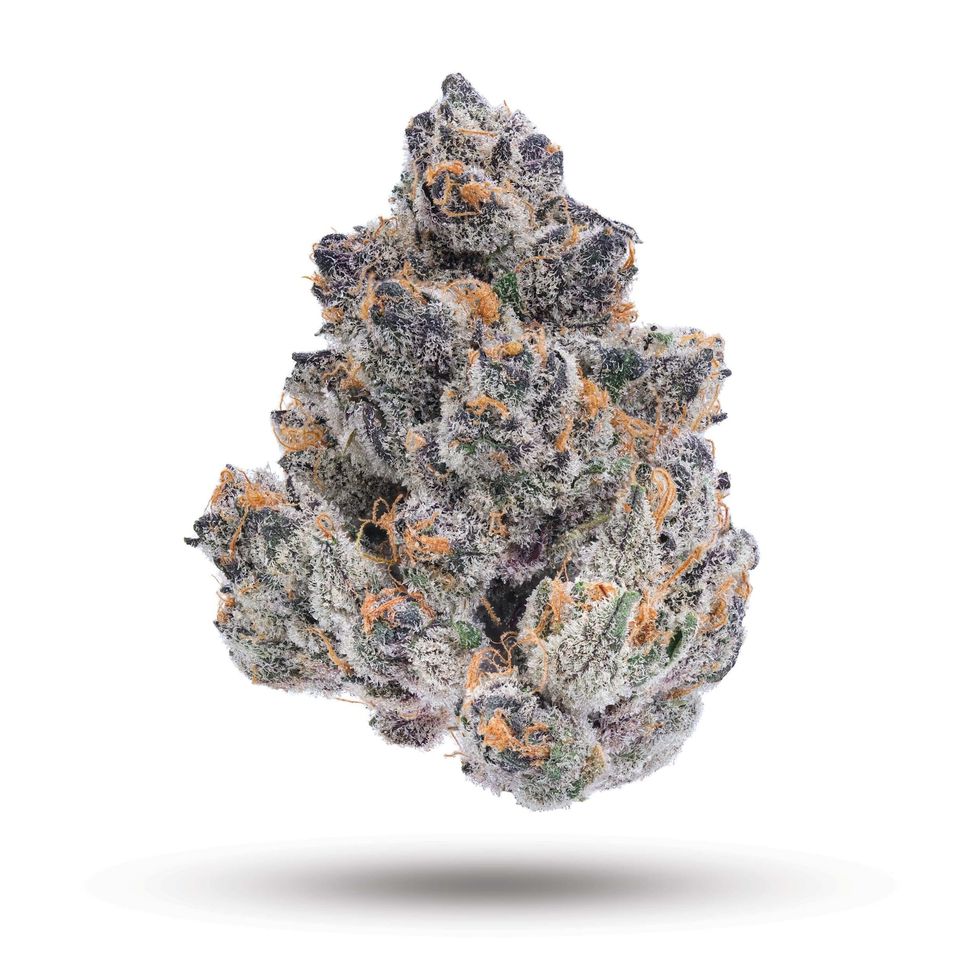
2024's Top Strain: Super Boof

Super Boof at a Glance

What You're GettingThe Details
Hybrid TypeBalanced 50/50 hybrid
THC RangeMid to high 20s% (some batches push 30%+)
CBD ContentLess than 1%
Signature FlavorTangy orange, sweet cherry, nutty undertones
Key TerpenesLimonene, Myrcene, Caryophyllene
Primary EffectsGiggly, euphoric, focused, sociable
Ideal UseDaytime creativity through evening socializing
GeneticsBlack Cherry Punch × Tropicana Cookies
BreederBlockhead (San Diego)
Original NameBlockberry
Flowering Time8-10 weeks

The Accidental Phenomenon That Became Strain of the Year

Here's something most people don't realize about Super Boof: the name that eventually won Leafly's 2024 Strain of the Year wasn't even the breeder's original choice.

San Diego cultivator Blockhead created this Black Cherry Punch and Tropicana Cookies cross as "Blockberry" - a straightforward nod to his breeding handle and the cherry genetics. But as cuts circulated through California's cannabis community, "Super Boof" caught on instead. The internet loves what the internet loves, and sometimes a less refined name just sticks.

Keep ReadingShow less
If the THCV cannabinoid can really help with obesity and diabetes, what are we waiting for?

THCV? This Cannabinoid Could Help With Weight Loss and Diabetes

Most of us are familiar with cannabinoids like THC or CBD, but have you ever heard of THCV? Not a lot of research has been done on this novel cannabinoid quite yet, but researchers are already excited about its potential, specifically for people struggling with diabetes and weight issues. 

What is THCV?

Tetrahydrocannabivarin (a.k.a., THCV) is one of more than a hundred cannabinoids found within the cannabis plant, each with its own makeup and potential benefits to health and overall wellbeing.

Keep ReadingShow less
Rescheduling vs. Descheduling Marijuana

High Stakes: Rescheduling vs. Descheduling Marijuana – Navigating the New Drug War

In a recent and groundbreaking development just before the U.S. Labor Day weekend, the Department of Health and Human Services (HHS) called upon the Drug Enforcement Agency (DEA) to reassess marijuana's classification under the Controlled Substances Act

This unexpected move sent shockwaves through the cannabis industry, igniting a fervent debate that could reshape the landscape of federal marijuana regulation in the United States.

Keep ReadingShow less
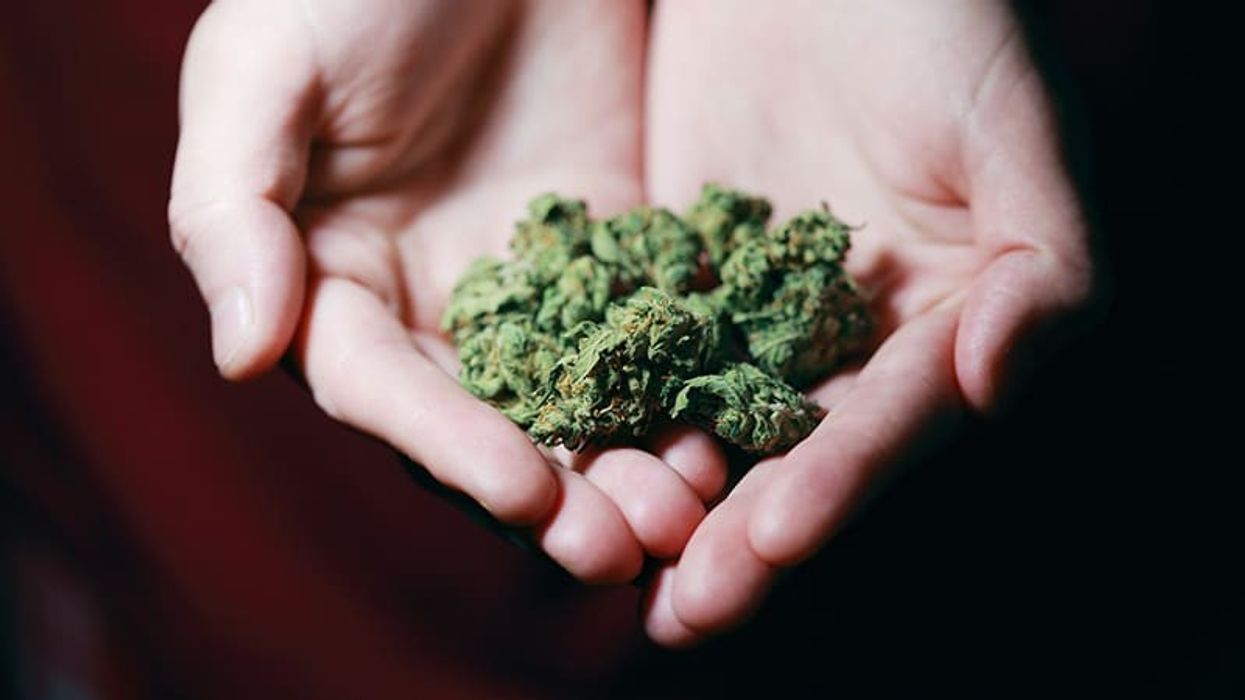
The vast number of different cannabis varieties are a real treat but can be overwhelming to newcomers.
Photo by Jeff W on Unsplash

Different Strains of Weed: How Many Are There?

Sour Diesel. Purple Kush. Amnesia Haze. If you’re a fan of cannabis, you’ve probably noticed that there are many different types to choose from, and most of them have funny names. And yes—they are all different. But, what makes them different, exactly? And how many marijuana strains are there, really? Well, let’s find out. 

What Are Cannabis Strains?

In popular culture, different cannabis cultivars are referred to as “strains.” Each individual strain is a cannabis variety that has been bred for its specific characteristics by a cannabis breeder. So, Granddaddy Purple is a strain. Harlequin is another strain. The former is a sleepy strain that produces a high percentage of the psychoactive tetrahydrocannabinol (THC). The latter is a mellow flower that produces both THC and cannabidiol (CBD). The plants both have different lineages and different characteristics. Hence, they are different strains. 

But, the word “strain” comes with a fair share of controversy. From a scientific perspective, referring to cannabis varieties as “strains” makes very little sense. And yet, “strain” is the word that remains in popular culture. The difference is mainly semantic—in the world of botany, different plant varieties are called cultivars, not strains. The word “strains” is usually reserved for bacteria and viruses, not plants. 

Keep ReadingShow less
Weed Makes Me Antisocial: What To Do - The Bluntness

Weed Makes Me Antisocial: What To Do - The Bluntness

Weed Makes Me Antisocial: Help!

Many people can relate to the experience of “hitting a wall” socially. Introverts, you especially know what I mean. But when self-enforced isolation is weed-induced, does that mean it’s time to reconsider a few habits or routines? Maybe even take a break from weed entirely?

Cannabis has long been negatively associated with laziness and haziness, and although that isn’t always the case with cannabis consumers, it also isn’t that far off from the truth if you haven’t optimized your regimen. Marijuana use, in particular, has occasionally been linked to various mental health and behavioral effects, such as anxiety, paranoia, and antisocial behavior, while also being linked to alleviating these same symptoms. So it's important to understand how cannabis works with and for your body and needs.

Keep ReadingShow less