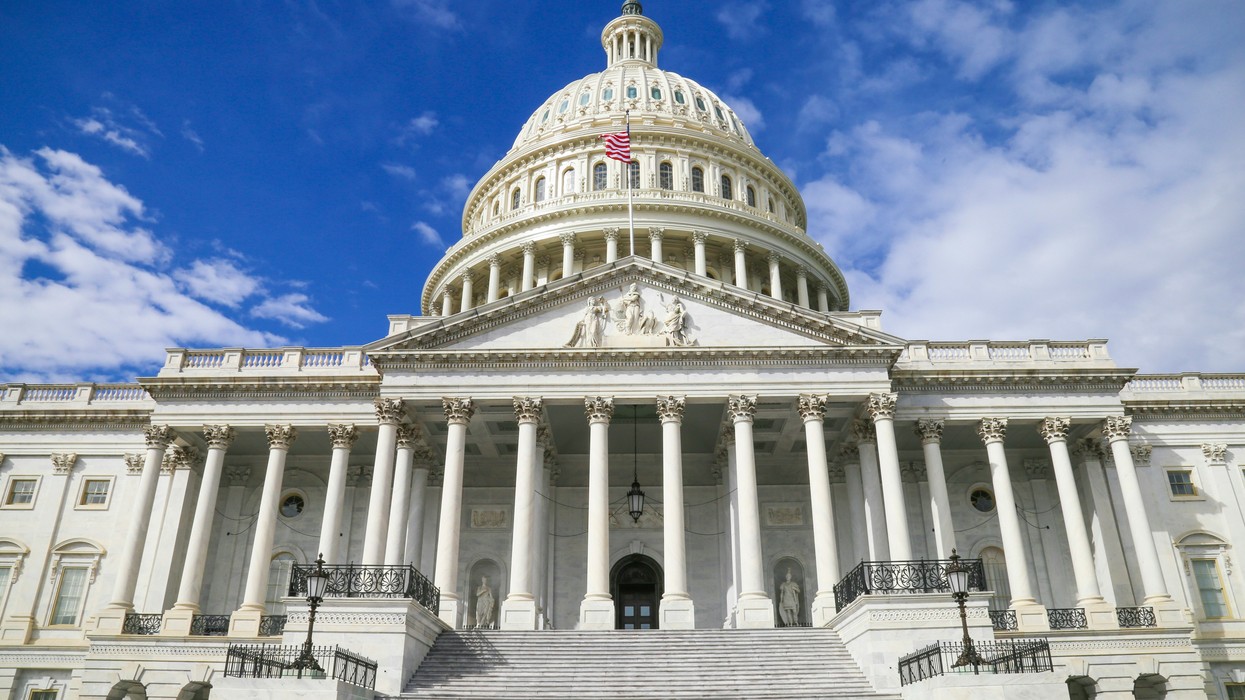

For most of this year, November 12 has been circled on calendars across the cannabis and hemp industries as the day federal law redefines what "hemp" legally means. As of today, that date just moved. The House passed a Senate-approved funding bill pushing the deadline to December 11, and it now heads to the President's desk. The delay buys the hemp industry one more month. It does not settle the underlying fight, and for licensed cannabis operators watching their biggest source of unregulated competition, that fight is the one that actually matters.
What the law actually changes
Section 781 of the fiscal 2026 Agriculture Appropriations Act, signed into law last November, rewrites the federal definition of hemp for the first time since the 2018 Farm Bill. The old rule measured only delta-9 THC, capped at 0.3% on a dry-weight basis. That narrow definition is why products like THCA flower and delta-8 gummies could call themselves federally legal hemp: labs simply kept delta-9 under the line while every other cannabinoid ran wild.
The new rule closes that door. It measures total THC, meaning delta-9 plus 0.877 times the THCA concentration, still capped at 0.3% by dry weight. On top of that, finished products intended for human use face a hard ceiling of 0.4 milligrams of total THC per container. A typical 10-milligram gummy contains roughly 25 times that limit. Synthetic and chemically converted cannabinoids, the category covering most delta-8 and HHC products on gas station shelves, lose hemp status entirely and get no benefit from the delay at all. That piece of the law still takes effect November 12 no matter what happens with the broader deadline.
Legal analysts at Vicente LLP have estimated the redefinition would render somewhere around 95% of hemp-derived cannabinoid products currently on the market federally unlawful once it takes hold.
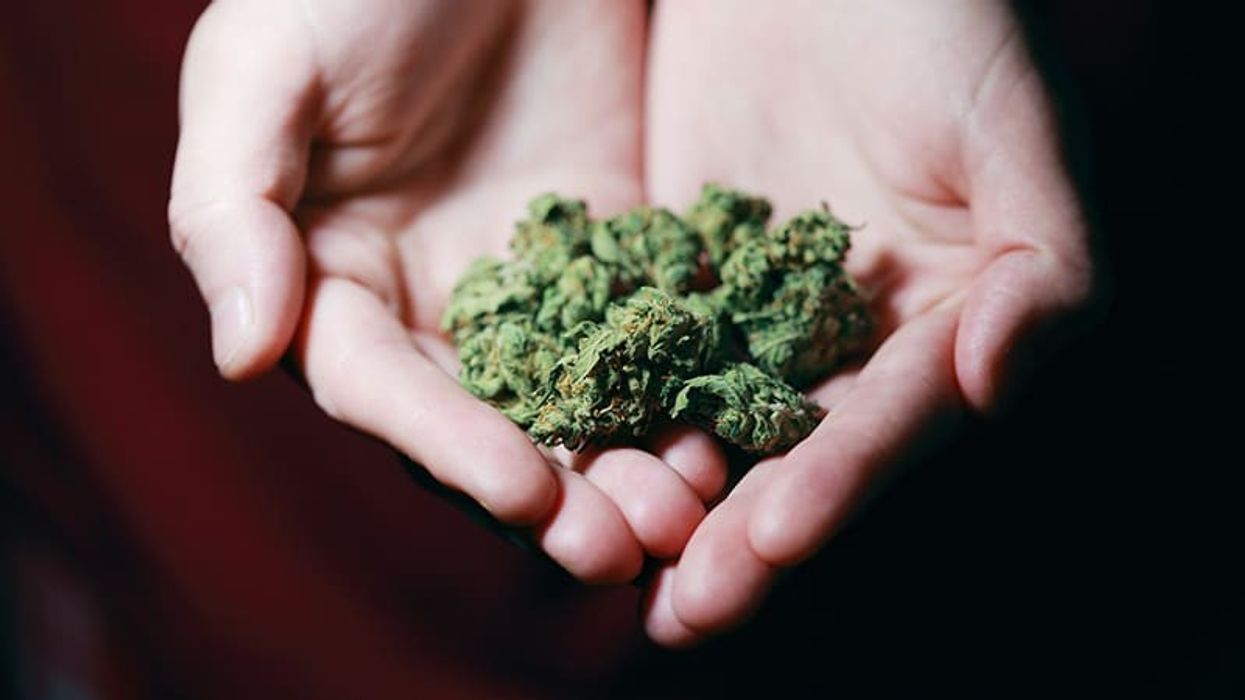
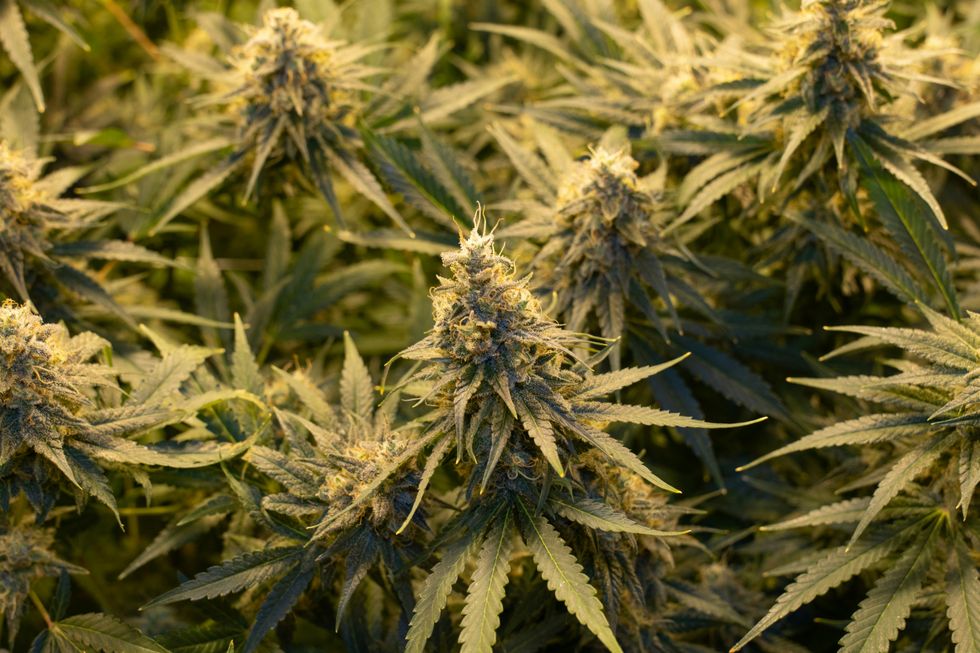 Section 781 of the fiscal 2026 Agriculture Appropriations Act, signed into law last November, rewrites the federal definition of hemp for the first time since the 2018 Farm Bill Photo by CRYSTALWEED cannabis on Unsplash
Why the deadline moved
The Senate voted 90-6 on August 8 to attach a one-month delay, pushing most of the new restrictions to December 11, as part of a broader government funding package. An amendment from Senator Ted Budd of North Carolina to strip the delay and let the November 12 date stand failed 61-32. Budd argued the products at issue represent a public health threat to kids and called the delay a giveaway to industry lobbying. The hemp industry, represented largely by the U.S. Hemp Roundtable, called the Senate vote its biggest legislative win since the 2018 Farm Bill itself.
The House, which had passed its own funding bill with no hemp language at all, took up the Senate's version this week and approved it, sending the delay to the President's desk. White House officials have reportedly told senators not to expect a second extension once this one runs out.
That gives Congress roughly one more month to do one of three things: let the total-THC standard and the 0.4 milligram cap take effect as written, pass a full ban on intoxicating hemp products, or replace the current framework with something like the Lawful Hemp Protection Act, which would create a federally taxed and regulated hemp product category instead of an outright prohibition. Nobody in Washington is confident which of those three outcomes wins.
Where New York actually stands in this
Here's the part that gets lost in most national coverage of this story: New York was not waiting on Congress to deal with intoxicating hemp. OCM's own Cannabinoid Hemp Regulations already ban smokable hemp flower at retail statewide and already cap hemp-derived edibles at 1 milligram of THC per serving and 25 milligrams per package, regardless of what the federal government does. High-THCA flower has never been legal to sell in a New York hemp shop under OCM's total-THC interpretation of its own rules, years before Congress caught up to the same math.
That doesn't mean the federal change is irrelevant here. It means the fight in New York was never really about licensed, compliant hemp retailers. It's about the products moving through unlicensed smoke shops, the interstate shipments coming in from states with looser hemp laws, and the illicit storefronts OCM has spent the past two years trying to shut down through inspections and enforcement actions, some of which have themselves ended up in court over search authority. A federal total-THC standard gives OCM and federal partners one more tool against exactly that channel, on top of the state rules already on the books.
Whether that's good news for licensed dispensaries depends on who you ask. Cannabis attorneys who spoke with Crain's New York Business about the broader hemp ban framed it as a straightforward net benefit for the licensed market, since it narrows the supply chain competing against state-licensed shelf space. Hemp economist Beau Whitney has made a similar point nationally, calling a ban a plus for the marijuana industry, while cautioning it would likely land as close to a wash overall because so many multi-state cannabis operators have quietly built their own hemp-derived product lines in the meantime.
The cost on the other side of the ledger
None of this is free, and dismissing the hemp industry's objections would be its own kind of dishonesty. Whitney Economics has projected the hemp-derived cannabinoid market reached somewhere between $47 billion and $64 billion in national sales in 2025 alone, nearly double its size just two years earlier. The same research has projected job losses north of 320,000 nationally if the ban takes full effect as written, spanning farmers, extraction technicians, and retail workers, plus an estimated $28 billion hit to U.S. GDP. In Texas alone, Whitney has put the potential toll at more than 40,000 displaced workers and over 6,000 shuttered businesses, a figure he described in blunter terms to Houston Public Media as an extinction-level event for that state's hemp sector.
Hemp advocates also raise a point worth taking seriously on its own terms: prohibition doesn't reliably eliminate demand. In states that have already restricted intoxicating hemp products, consumers didn't switch to licensed cannabis in meaningful numbers. They ordered online from states with looser rules, or the market found its way underground. A federal ban closes the interstate shipping option entirely, which cuts both ways: it could meaningfully starve the illicit channel feeding New York's unlicensed shops, or it could simply push more of that activity into an unregulated gray market with even less oversight than exists today.
What to actually watch next
The one-month runway everyone is describing as a "delay" is a narrow window, not a resolution. If Congress does nothing further, the total-THC standard and the 0.4 milligram cap take effect December 11 by default. If Andy Harris and the House Freedom Caucus succeed in forcing another fight before then, the original November 12 date could theoretically come roaring back for the pieces currently paused. And if the Lawful Hemp Protection Act or something like it gains real traction, the entire framework could shift from a ban to a regulated federal category before either deadline arrives.
For New York's licensed operators, the practical stakes are narrower than the national headlines suggest, but they're real. The products this law targets were mostly already illegal here. What changes is how much federal muscle backs up the state's existing enforcement against everything still slipping through the cracks.


 Can Drug Dogs Smell Edibles? - The Bluntness
Photo by
Can Drug Dogs Smell Edibles? - The Bluntness
Photo by 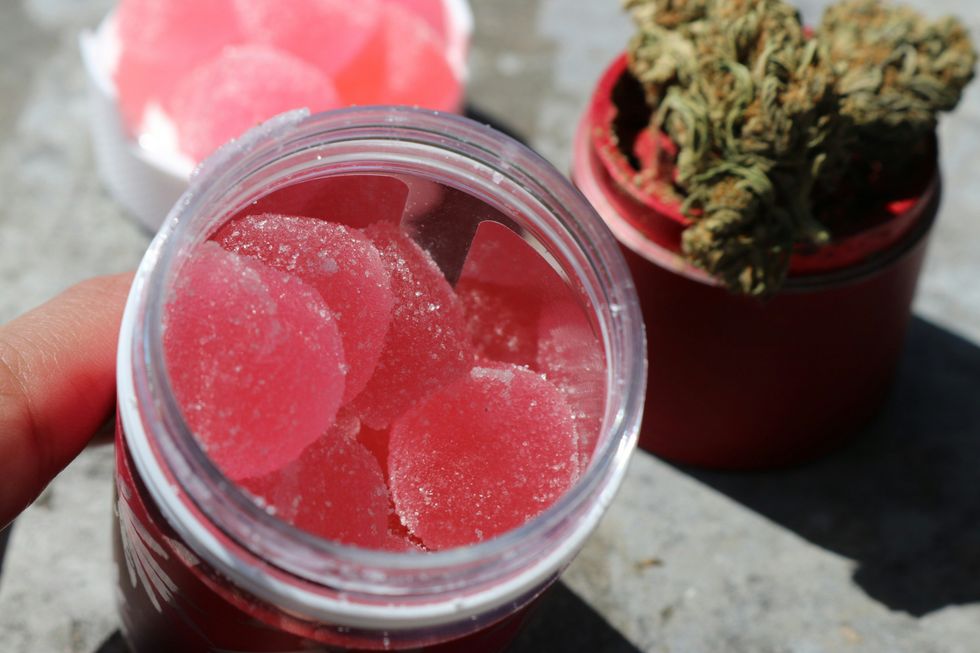 Can Drug Dogs Smell Edibles? - The Bluntness
Photo by
Can Drug Dogs Smell Edibles? - The Bluntness
Photo by