In this recipe, Chef Nick E from the Herbal Creative KiTHCen gives us a twist on an American classic: Galletas de chocolate y mantequilla oscura con caramello de cannamamajuana, otherwise known as Brown Butter and Chocolate Chip Cookies with a luxurious cannamamajuana caramel dipping sauce. He Incorporates an optional infusion, in multiple ways, using distillate at home. This recipe is one of Chef Nick's favorites to make and eat!
Mamajuana is a traditional concoction that’s made by combining rum, red wine and honey, and then allowing that mixture to soak with tree bark and herbs. The result is an elixir that some say tastes similar to Port or Amaro. In this recipe, we have one that Chef Nick makes with the same roots and herbs that are used in his native Dominican Republic - featuring leftover stems, some flower, and a little distillate to make a lovely spiced tincture to apply in multiple recipes.
Ingredients for Cookie Dough
- 2 1/4 cup all-purpose flour
- 1 teaspoon baking soda
- 1/2 teaspoon salt
- 1 cup unsalted butter (2 sticks)
- 1 1/2 cups packed dark brown sugar
- 1/4 cup granulated sugar
- 1 large egg + 1 additional egg yolk, at room temperature
- 1 tablespoon vanilla extract
- 1 tablespoon plain Greek yogurt
- 3/4 cup semi-sweet chocolate chips
- 3/4 cup dark chocolate chips
- Maldon sea salt or fleur de sel, for sprinkling on top
Ingredients for Caramel Sauce
- 1 cup granulated sugar
- 1/4 cup water
- 6 tablespoons butter butter
- 1/2 cup heavy cream
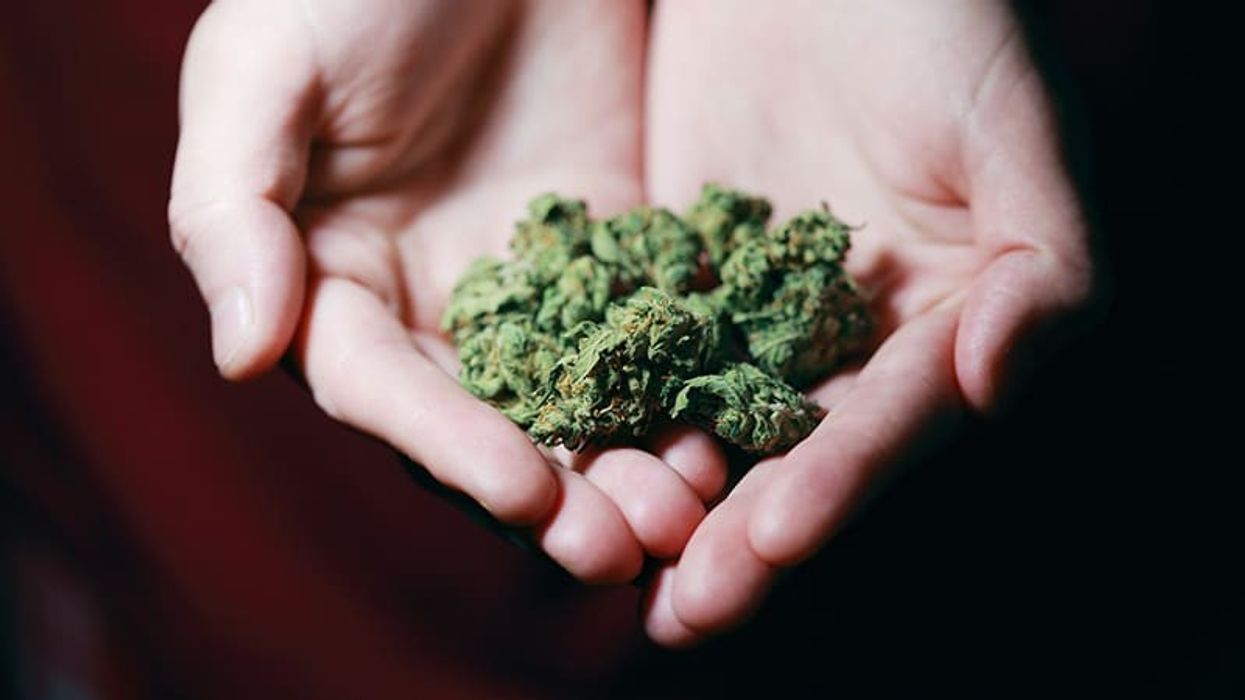
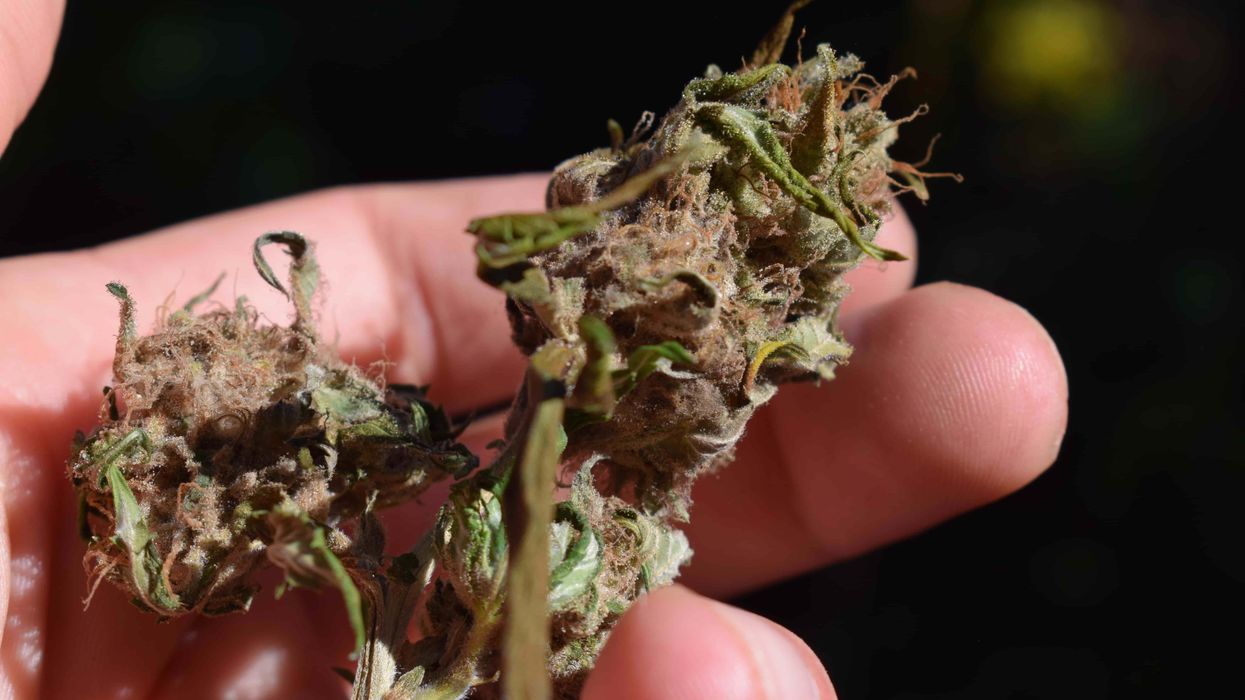
- Decarboxylated plant material
- 1 teaspoon of cannamamajuana, or Dominican rum
- pinch of salt
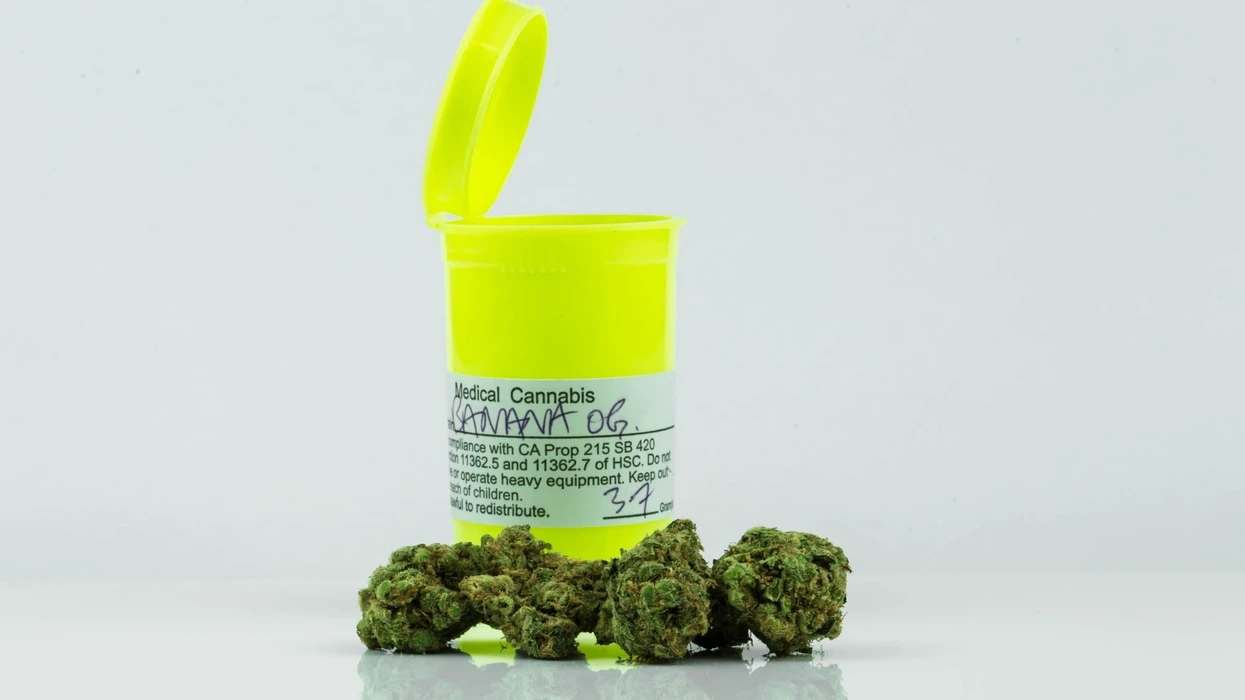
Serves 24-36. Approximately 5mg per serving -2.5mg cookie/2.5mg caramel sauce (recommended Banana Mints VL Bubble Hash - Bask 79% THC)
Cookie Recipe:
- First, brown your butter: add butter and decarboxylated plant material to a large saucepan and place over medium heat. The butter will begin to crackle, and then eventually foam. Whisk constantly during this process and after a couple of minutes, the butter will begin to brown and turn a golden color on the bottom of the saucepan. Continue to whisk and remove from heat as soon as the butter begins to brown and give off a nutty aroma. Immediately transfer the butter to a separate bowl to prevent burning. Set aside to cool enough to touch. Then strain and ready to use for the recipe.
- With an electric mixer, mix the brown butter and sugars until well combined, about 1 minute. Beat in the egg, egg yolk, vanilla, and yogurt until combined.
- In a separate large bowl, whisk together the flour, baking soda, and salt. Slowly add the dry ingredients to the wet ingredients and beat on low speed just until combined. Add both chocolate chips and mix on low speed until just incorporated into the dough.
- Chill your dough for 2 hours in the refrigerator, or up to 12-24 hours. Do not try to speed up this process. The dough needs to chill to be perfect.
- Once the dough is chilled, preheat the oven to 350 degrees F and line a baking sheet with parchment paper. You might need to take out the dough and thaw it out a bit before measuring the dough if it is super hard and you did not already roll the cookie dough into balls. This should take about 20 minutes. Once ready to bake, measure 2 heaping tablespoons of the dough or use a medium cookie scoop. It doesn't have to be perfectly rolled. Place dough balls on a cookie sheet, 2 inches apart.
- Bake the cookies 9-11 minutes or until the edges of the cookies begin to turn golden brown. They will look a bit underdone in the middle but will continue to cook once out of the oven.
- Cool the cookies on the sheets for 5 minutes to allow them to set up, then sprinkle each cookie with sea salt. Remove the cooled cookies from the baking sheets and transfer to a wire rack to cool completely. Makes 24-36 cookies.
Recipe for Caramel Sauce:
- First, brown your butter: add butter and decarboxylated plant material to a medium saucepan and place over medium heat. The butter will begin to crackle, and then eventually foam. Whisk constantly during this process and after a couple of minutes, the butter will begin to brown and turn a golden color on the bottom of the saucepan. Continue to whisk and remove from heat as soon as the butter begins to brown and give off a nutty aroma. Immediately transfer the butter to a separate bowl to prevent burning. Set aside to cool enough to touch. Then strain and ready to use for the recipe.
- Add the sugar and water to a 3-quart heavy-bottomed saucepan; stir a little so it sits in a flat, even layer.
- Warm pot over medium heat and cook until the sugar dissolves, appears to be clear, and starts to bubble. This takes about 3-4 minutes then do not stir again and allow to bubble, swirl the saucepan occasionally and brush down the sides of the pan, as needed, to prevent crystallization.
- Sugar will form clumps but continue swirling and cooking until the mixture thickens and turns a deep amber color like honey (this can take anywhere from 8-12 minutes), keeping a watchful eye so the mixture doesn’t burn.
- Carefully add the butter and whisk until completely melted. (The caramel will bubble up rapidly, so be careful and continue to whisk.)
- Remove the saucepan from the heat and slowly pour in the cream, whisking continuously until all of the cream has been incorporated.
- Whisk in the cannamamajuana and salt.
- Set aside to cool in the pan for 10 minutes.
- Then pour into a separate heat-proof container such as a glass jar or small pyrex and allow to cool completely. (It will thicken as it cools.)
Infusion:
In this recipe, Chef Nicke E infused the brown butter that is used for the recipe in the cookies and in the caramel sauce. Cannamamajuana contains unwanted stems and roots and spices soaked in alcohol (rum in this recipe) and will be used to give additional flavor and dosage to caramel. Cannamamajuana can also be used to make an infused sea salt by allowing the alcohol to completely evaporate. Sea salt will then be used on garnish on cookies.
Enjoy! Want more recipes like this delivered to your inbox? Subscribe to our newsletter to stay in the loop.