
New York’s legal cannabis retail sector is slowly taking shape after some major setbacks.
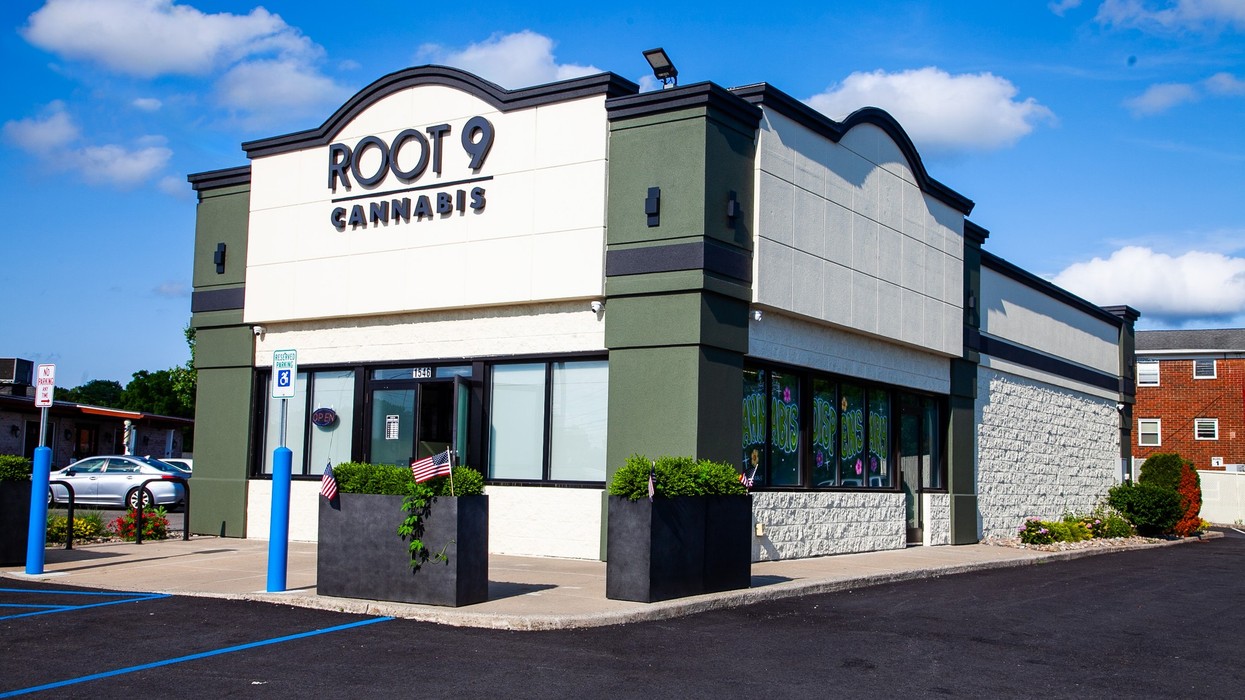
In late December, the state’s first legal adult-use dispensary opened for business and appears to be thriving.
As we wait for more adult-use dispensaries to come online, the state’s proposed cannabis potency tax has already taken effect.
At first glance, this potency tax doesn’t seem like much, taxing distributors:
- Half a cent per milligram of the amount of total THC for flower
- Eight-tenths of one cent per milligram for concentrates
- Three cents per milligram for edibles.
This tax is on top of the 9 percent sales tax, as well as any additional municipal taxes.
In March 2022, tax attorney Jason Klimek spoke to New York Cannabis Insider about the issue, suggesting this potency tax will have a negative impact on every front.
Klimek, who co-leads the Cannabis Team at the Barclay Damon law firm and is a member of the New York State Bar Association Committee on Cannabis Law, estimates that thanks to the potency tax, overall tax rates for flower could reach 30 percent, and perhaps even 55 percent for edibles.
Forcing consumers to pay $70 for an eighth of weed will put the legal market at a serious disadvantage. Why pay so much when you can get it for half the price from your neighborhood dealer?
California has crippled their legal cannabis industry by driving up the price of legal cannabis through an overly complex model that has forced craft growers out of the picture.
New York’s cannabis potency tax could do the same.
More Reasons Against a Cannabis Potency Tax
In addition to impacting consumer prices at the retail level, the cannabis potency tax is going to lead to a heap of other problems.
For example, different buds on different parts of the same cannabis plant will have varying levels of THC (which will actually still be mostly non-psychoactive THCa until someone smokes, vapes, or decarbs the plant material).
This will create all sorts of headaches around accurate vs inaccurate reporting and “lab shopping” for cannabis testing labs that can promise desired results.
This hyper-focus on THC content could also mislead consumers into overlooking the value of cannabis’s other properties, including other cannabinoids and the varying effects of different terpene profiles.
“Out of the gate, we will be educating New Yorkers that THC is the driver of their experience, and we all know that is not entirely true,” Sally Nicholes, president of THC CBD for Bloom Farms, told NY Cannabis Insider.
“If you’re only going to look at THC and you’re going to tax based on THC content, you’re going to create an environment where only THC is valued.”
While some think this potency tax will encourage low-potency innovation, most believe its negative impact will ripple up and down the supply chain as the market matures.
Critical White Paper on NY Potency Tax
In December 2022, Klimek co-authored a white paper on all this with James Mann, tax attorney with the firm Lucosky Brookman.
The white paper is called: “New York’s THC-Potency Excite Tax – Analysis and Recommendations.”
Below you can check out the paper’s executive summary, which outlines all the specific concerns with this potency tax:
The THC tax, untried by any other state, is excessively complex, costly to cannabis enterprises and costly to collect, and will lead to shopping for the best lab results.
These essential attributes of the THC tax result in burdens that fall disproportionately on small business and social equity applicants, burdens that can more easily be borne by large cannabis businesses.
The amount of the THC tax does not vary with changing market conditions and therefore exacerbates the boom-and-bust cycle that has been experienced by other states with fixed tax burdens.
The large amount of data now available from other cannabis-legal states strongly suggests that lower overall rates and simpler tax structures facilitate higher tax revenues and create an environment in which smaller businesses can thrive.
Proponents of the current tax regime point to all the good things they can do with the tax revenue, but that is irrelevant to the structure of the tax. Further, if the tax burden is too high, as it seems to be, that will only result in lesser tax revenues and greater illicit market activity.
New York State already has a massive and well-established illicit market that has flourished after cannabis was "legalized" under MRTA, and the THC tax and total tax burden will make this problem far worse.
We advocate a single tax at the final point of cannabis sale as it is easier to administer and less burdensome for cannabis operators.
Need a little more Bluntness in your life? Subscribe for our newsletter to stay in the loop.