
Is marijuana legal in Mexico? Not quite. The world is watching as Mexico toes the line toward what could become the globe's most lucrative cannabis market.
After repeated delays and extended deadlines, the Mexican Chamber of Deputies approved legislation to legalize cannabis across the country on Mar. 10, 2021. The bill, which includes new amendments will now go back to the Senate either for approval or further revision.
The new amendments, as reported by Marijuana Moment, include a proposal not to establish a regulatory body, which would oversee the rollout of the cannabis program. Instead, the lower house is proposing to give that responsibility to the National Commission Against Addictions.
The chamber has also approved amendments that would increase the penalties for anybody caught with large amounts of unauthorized cannabis and would also require the coordination of permanent campaigns to offset "problematic cannabis use" among "minors and vulnerable groups."
"Advocates had hoped for more," Kyle Jaeger writers for Marijuana Moment. "Throughout this legislative process, they’ve called for changes to further promote social equity and eliminate strict penalties for violating the law. They were also frustrated to see a provision added in committee that requires people who want to grow their own cannabis at home to register with the government for approval."
Mexico Senate to Review Latest Amendments to Cannabis Bill
Mexico's Senate had initially approved the bill on Nov. 19, 2020, for the national legalization of cannabis, as reported by Tom Angell from Marijuana Moment.
The proposed legislation "would establish a regulated cannabis market in Mexico, allowing adults 18 and older to purchase and possess up to 28 grams of marijuana and cultivate up to six plants for personal use," Angell reported.
The Senate had added amendments added to the legislation including the stipulation that all previous cannabis convictions are to be expunged from peoples' criminal records within six months.
"Lawmakers also removed a prohibition on owning more than one type of marijuana license, allowing for vertical integration of cannabis businesses. A previous version of the bill would have only allowed people from vulnerable communities to hold more than one license type," Angell wrote.
The latest draft of the cannabis bill actually includes a new licensing category for vertical integration, which takes this a step further.
"While advocates have celebrated the advancement of cannabis reform through the legislature, they have fought hard for changes to better protect consumers’ rights and promote social equity in the legal market. Namely, they remain concerned about high penalties that can be imposed for violating the cannabis rules and feel the bill should do more to allow opportunities for small farmers," Angell continued, adding that a lot of the requested changes had not made it into the legislation approved by the Senate.
April Deadline Looming to Make Marijuana Legal
Lawmakers are facing an April 2021 deadline to legalize cannabis, which is the fourth extension since the Supreme Court's initial mandate.
In October, 2018, the Mexican Supreme Court had ruled that prohibiting the cultivation and possession of marijuana was unconstitutional. In making anti-marijuana laws unenforceable, the Court gave legislators one year to change the law and develop a national framework for the buying and selling of adult-use cannabis.
Since then, lawmakers have listened to the public, consulted with cannabis corporations, drafted bills, and missed deadlines. Toward the end of March, COVID-19 chaos brought legalization hopes to a screeching halt when the Mexican Senate postponed all legislative activity.
However, when the Senate returned to session on September 1st and Mexican President Andrés Manuel López Obrador offered no resistance, it indeed looked like cannabis legalization would soon become the law of the land in Mexico, a nation of over 87 million adults.
Yes, they [the legislators] are going to decide freely, listening to the opinion of all the parties. There have already been consultations, and if they are going to decide on this matter, that is, there is going to be a legal reform.”
Mexican President Obrador
Sen. Julio Ramón Menchaca Salazar of the ruling Morena party had said that while legislators must still resolve certain disagreements about the legislation, legalizing cannabis could fill treasury coffers at a time when the economy is recovering from the pandemic, according to Marijuana Moment.
In November 2020, Sen. Ricardo Monreal of the Morena party, also argued that the current cannabis laws have filled the country's detention centers with people who'd possessed only a few grams of cannabis. The Senator has also revealed that this monumental moment in Mexico's history – and that lawmakers have shown a strong desire to figure out the cannabis issue in a country that has been plagued by drug trafficking violence, and that legal cannabis can expand the nation's economic development.
Just before the start of the new session on September 1st, Senator Jesusa Rodríguez of the Morena party displayed a marijuana plant on her desk to show her support for legalization.
“Priority issue in the Senate for this period,” Rodríguez said in a tweet, referring to cannabis reform.
What is in Mexico's Cannabis Legalization Bill ?
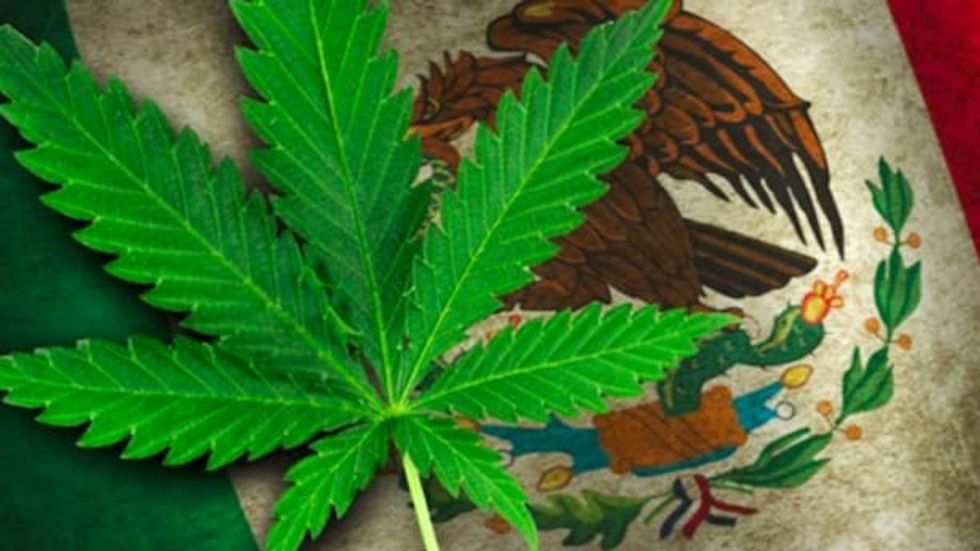
Below are some of key points of Mexico's current cannabis legalization bill.
1. The National Commission Against Drug Addiction to regulate the industry & award licenses
This is the chamber's amendment to the proposed establishment of The Mexican Institute of Regulation and Control of Cannabis.
2. Adults 18+ could possess & cultivate marijuana for personal use and grow up to six plants
The chamber has added a measure that would require adults to register with the authorities before cultivating cannabis at home.
3. Households with more than one adult would be limited to eight plants maximum;
4. Personal possession would be capped at 28 grams, but possession of up to 200 grams would be decriminalized;
5. Public consumption would be permitted except in places where tobacco is prohibited.
The chamber has apparently scrapped a proposal that would have guaranteed 40 percent of cannabis licenses go to indigenous, marginalized, or low-income communities for the first five years of the industry.
What Will be the Impact of Legal Cannabis In Mexico?
According to Motley Fool, Mexico's entry into the adult use cannabis marketplace would drive total global sales to $104 billion by 2024, a +850 percent increase when compared to today's figures. At the same time, economists have forecasted that, with a potential base of over 1.4 million regular domestic users, Mexico could receive over $1.2 Billion in new, annual tax revenue.
Beyond sales, New Frontier Data estimates the country could reduce cannabis-related related law enforcement by nearly $200 million per year, while also creating 75,000 new jobs. Tourism may also get a bump from neighboring U.S. states such as Texas, Arizona and New Mexico, where adult use cannabis remains illegal.
How Will Legal Cannabis in Mexico Impact the United States?
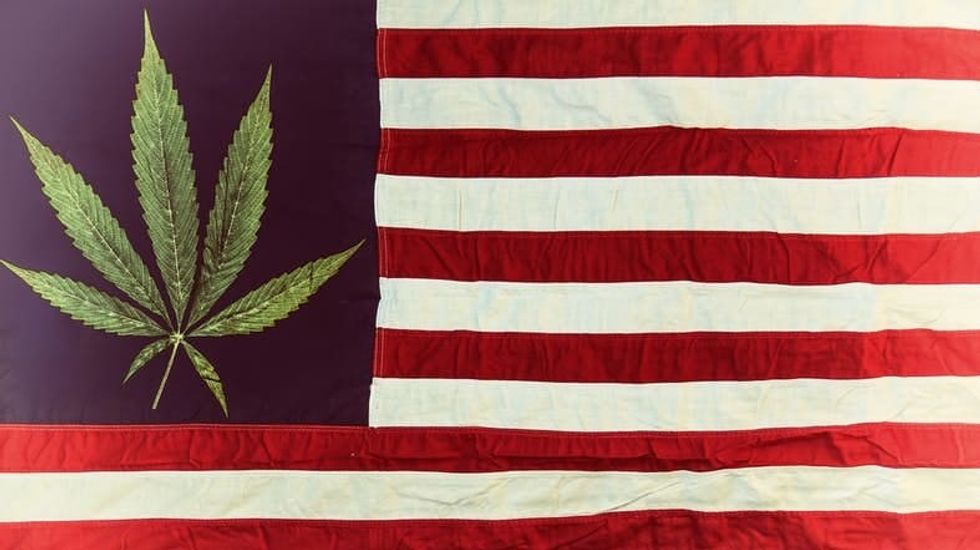
Once Mexico ends cannabis prohibition, the United States will be in the middle of two countries with scaled, legalized industries. And, despite every reason for optimism in 2021 at the state level, the timetable for federal legalization remains unclear. However, Vice President-Elect Kamala Harris has voiced a commitment to at least decriminalizing cannabis at the federal level.
After it settles on the new law, Mexico will add to its current worldwide trade surplus by being able to export its product to any country with a legalized medical marijuana program. At least 30 nations have some type of reform in-place including Germany, Poland, Australia, Netherlands, and Italy. American companies will, of course, be shut out.
Assuming it can gain a significant head start, Mexico will also have the ability to invest heavily in R&D, marketing, and distribution, while taking advantage of wider access to investment capital and financial services. They will also have the opportunity to optimize and lower product costs taking full advantage of their cheaper labor pool - a difference that the U.S. may never be able to address.
Sadly, American companies may never be able to catch-up, unless the incoming Biden administration manages to legalize cannabis before Mexico after so many delays.
Either way, 2021 is poised to be another big year for cannabis progress.
Are you missing out on great cannabis content? Sign Up for The Bluntness Newsletter today.


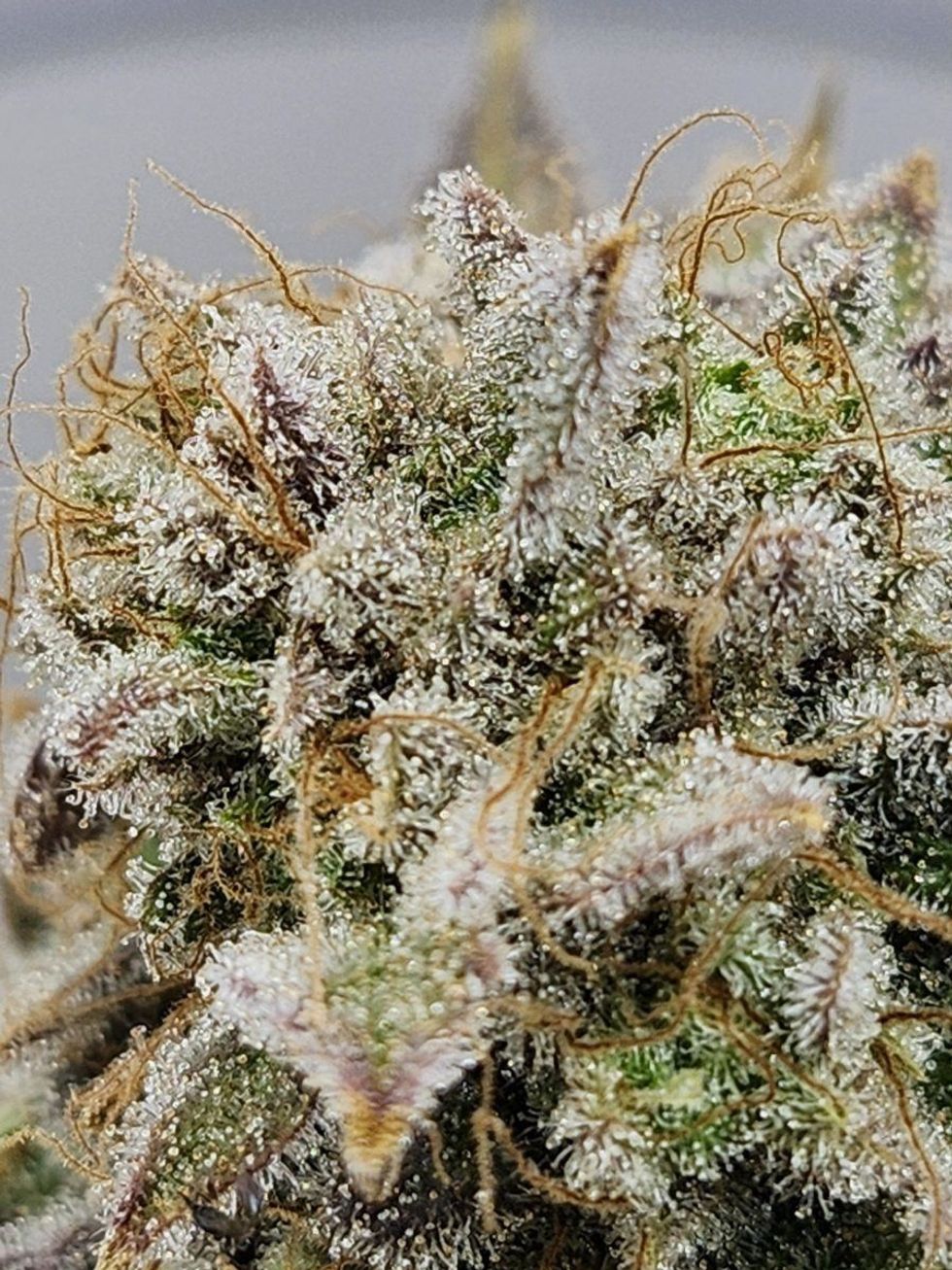 Acapulco Gold Cannabis Strain Review - The Bluntness
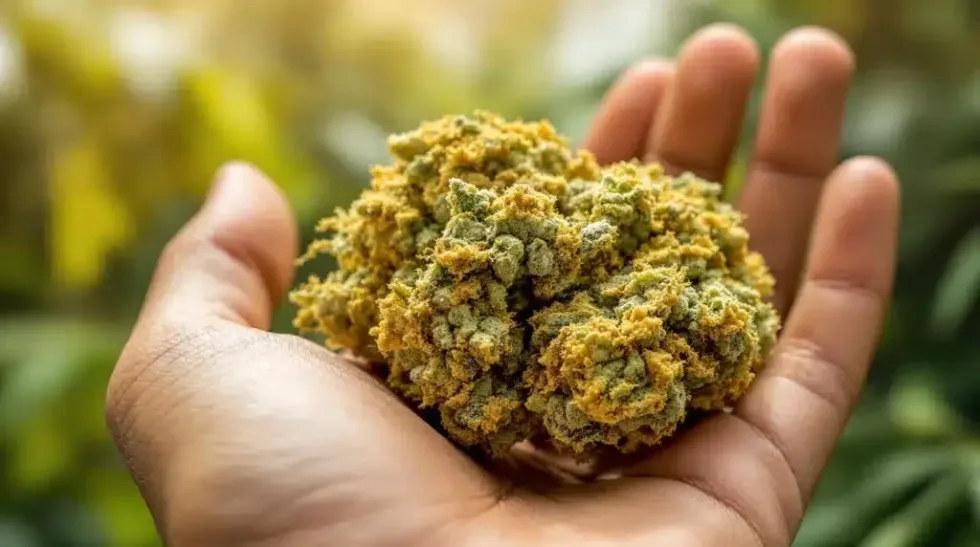 Acapulco Gold Cannabis Strain - The Bluntness Blimburn Seeds