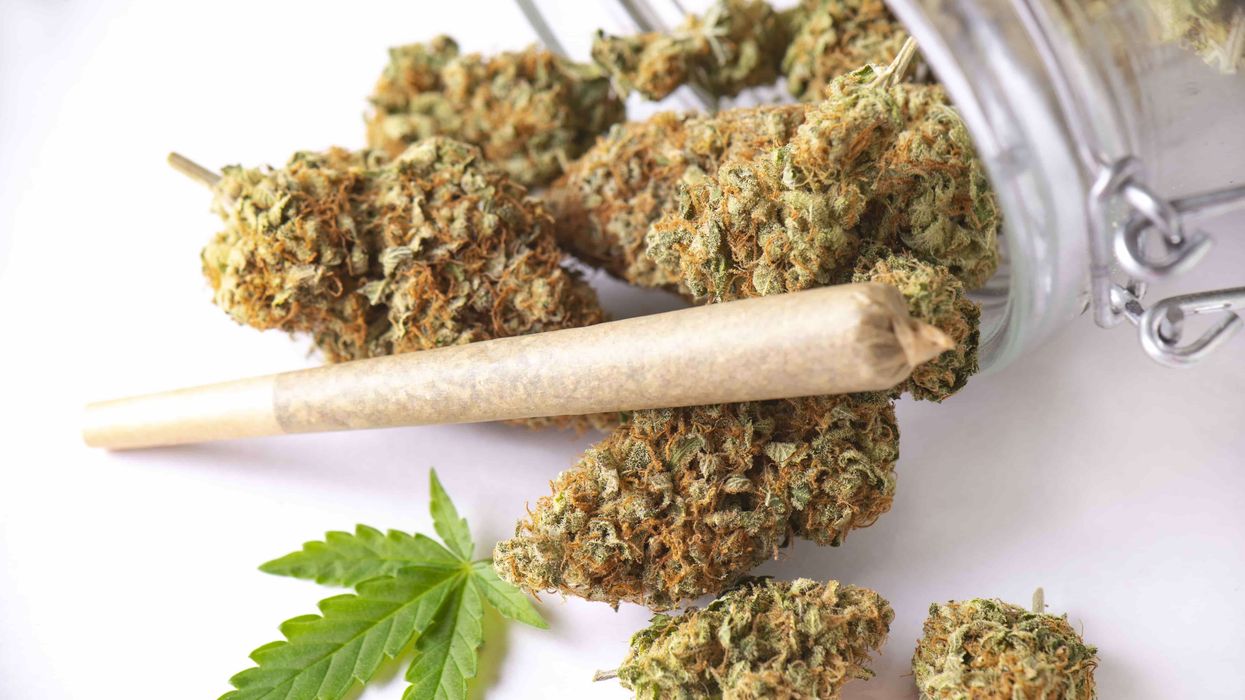

The Crème Brulee strain is just desserts. This cannabis cultivar is a perfect companion for a lazy Sunday, an antidote for a busy Monday, or to chase away any stressful day that ends in “y.”
Despite its relatively short history, Crème Brulee has made a name for itself as a delicious, dreamy treat for OGs and newbies alike. If you're searching for a new favorite or just want to try as many cannabis strains as possible, here’s what you should know.
History of the Crème Brulee Strain
Crème Brulee is the result of mixing the old with the new. While it hasn’t been around as long as other classic strains, it has made a name for itself as a top choice for an afternoon delight within the last decade. There is some dispute regarding its genetics, but Crème Brulee is most known for its relaxing effects and sweet flavor profile.
Its exact origins are a bit confusing, as more than one breeder has claimed to have bred a “Crème Brulee” cultivar.
There’s one version, bred by Leo Stone of Aficionado Estates, that claims a cross of OGKB Cookies x Royal Sour x Chemdawg Special Reserve. Based on these parent strains, this version imparts a balanced or even sativa-dominant high and may have a sharper, more sour terpene profile.
However, most point to Emerald Family Farms and their cross of Platinum Kush x OG Kush x Girl Scout Cookies for first producing this tasty strain. Numerous sources describe this Crème Brulee as an indica-dominant hybrid with an earthy, vanilla scent and nutty flavor.
Be sure to double check or ask a budtender so as not to pick up the wrong version, or a strain with a similar confection name. For example, despite a similar name, Crème Brulee is not genetically similar to the high-CBD strain Cherry Crème Brulee.
Crème Brulee Strain Medical Uses & Effects
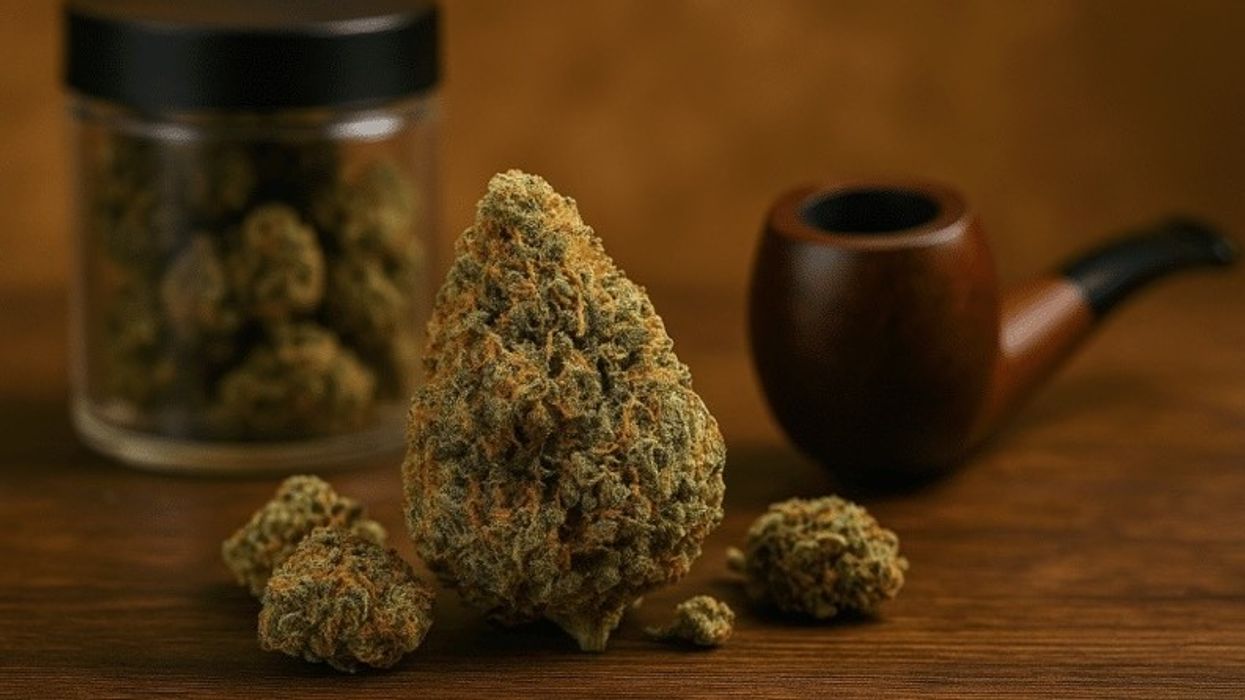
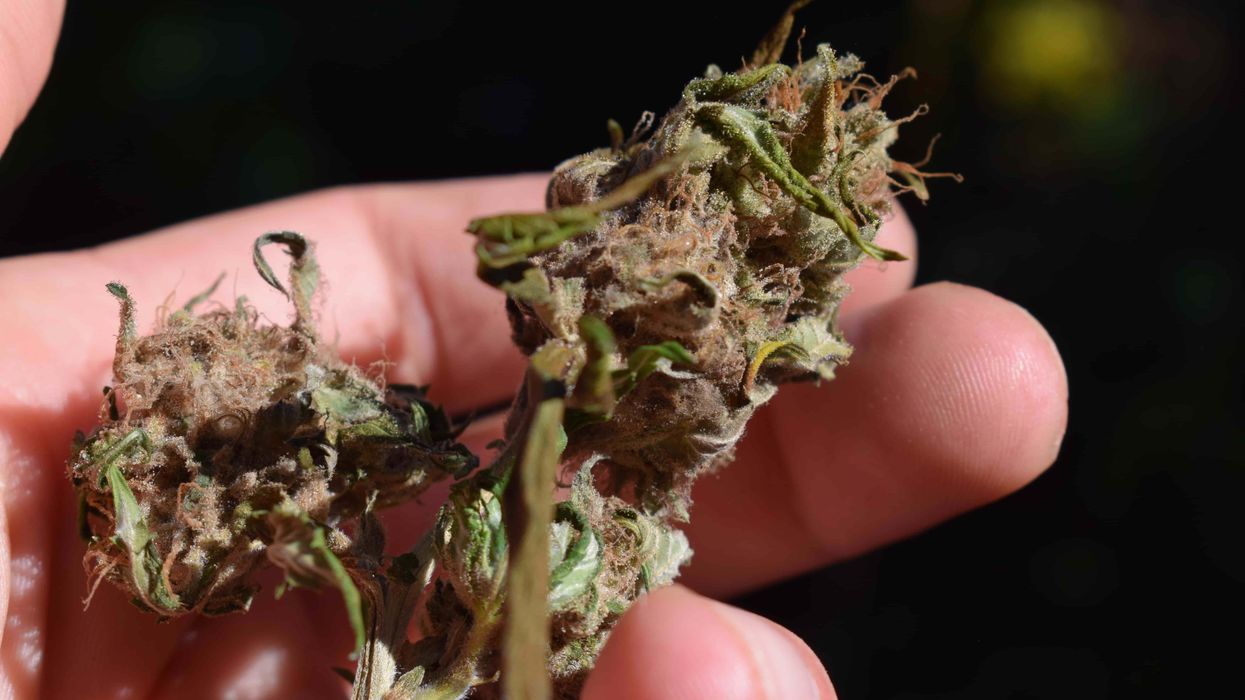
Due to its prominent Kush ancestry, Crème Brulee trichomes often present with musky and earthen terpenes, indicating a likely indica effect. When smoked or vaped, it imparts a body high that is not overly sedating and works wonders to quell anxiety and stress due to its low psychoactivity.
While Girl Scout Cookies and OG Kush are known as high-THC producers, Crème Brulee yields an average of 15 percent THC, making it ideal for both new and seasoned consumers. It can also boast a significant amount of CBD compared to other indicas, enhancing its anti-anxiety, anti-nausea and pain-relieving effects. This makes it an attractive option for patients and adults dealing with both physical and mental conditions, as it soothes physical ailments without over-stimulating the mind.
While Crème Brulee isn’t a knockout indica, its couch-lock effect often creeps up on the consumer after an initial burst of uplifting euphoria. Users who need strong cerebral focus and high productivity during the day should probably steer clear.
Recommended Reading: What is THC?
Crème Brulee Terpene Breakdown
This myriad of beneficial effects comes from the combination of Crème Brulee’s cannabinoids and terpenes, the oil-based compounds of the plant responsible for aroma and flavor. This combination, called “the entourage effect,” produces the distinct highs in each strain for any cannabis lover to choose from.
1. D-Limonene
Limonene is a prominent terpene in citrus fruits like lemons and oranges as well as cannabis. Research has shown D-limonene has numerous health benefits, including anti-inflammatory and antioxidant properties. It has also been used in clinical trials to treat heartburn, and may even help mitigate multiple forms of cancer.
2. Myrcene
Myrcene is the most commonly occurring terpene across the spectrum of cannabis, evoking a musky, spicy aroma found in plants like eucalyptus, ylang-ylang, and mangoes. Myrcene is largely responsible for the “couch-lock” effect in numerous indica-dominant strains, and it has shown to help patients with insomnia and even diabetes.
3. Beta-Caryophyllene
This unique terpene goes above and beyond, interacting with CB2 receptors in the body like a cannabinoid. Studies have shown its efficacy for inflammatory conditions like colitis and osteoporosis in addition to pain management. It is also a “dietary terpene,” and FDA-approved for use in foods and flavorings for black pepper, cloves and hops due to its pungent aroma.
4. Linalool
While not as prominent as the other terpenes, linalool contributes greatly to a strain’s soothing and relaxing effects. It is also the primary terpene in lavender, creating a multisensory zen feeling. In addition to soothing stress and aiding with sleep, studies have shown linalool to have anti-convulsant properties that may benefit epileptic patients.
Similar strains
- 13th Ghost
- Louis XIII OG x {Ghost OG x (Ghost OG x Crème Brulee)}
- Offwhite OG
- Ghost OG x {Ghost OG x Crème Brulee Family-Only Male}
- Apple Toffee
- Crème Brulee x Sour Apple IBL
- Chem Cookies
- GSC x Chemdawg #4
Are you still missing out on The Bluntness newsletter? Sign Up today to stay in the loop.




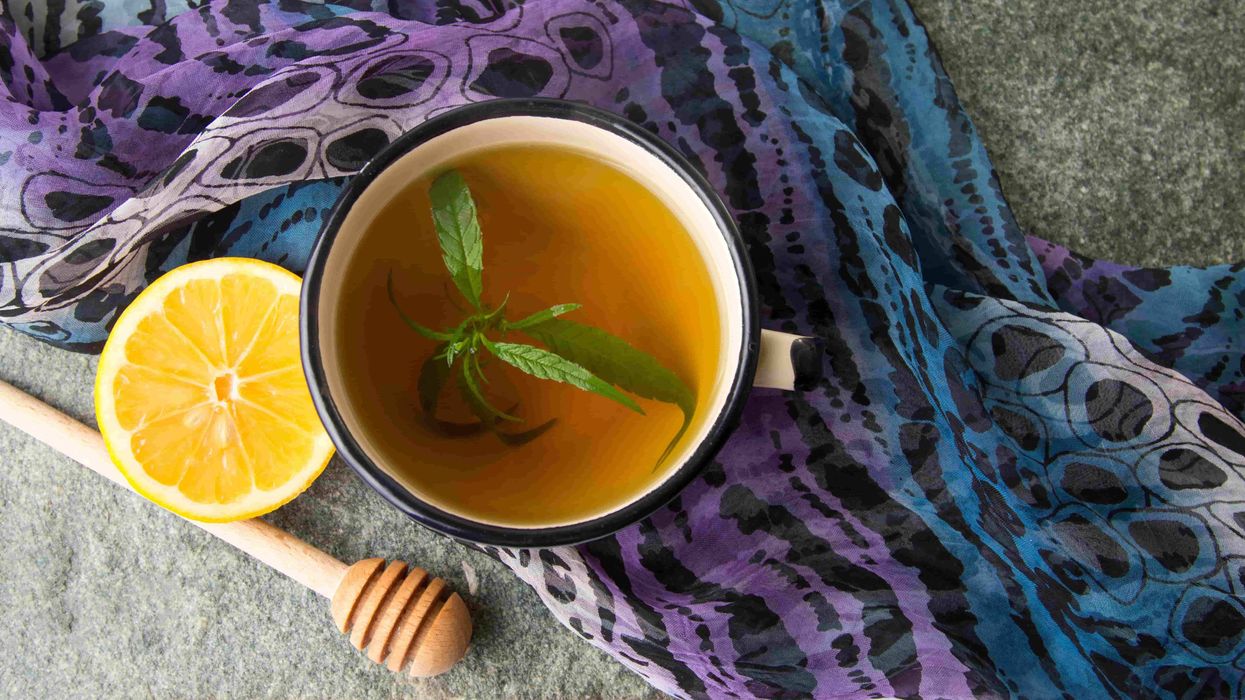
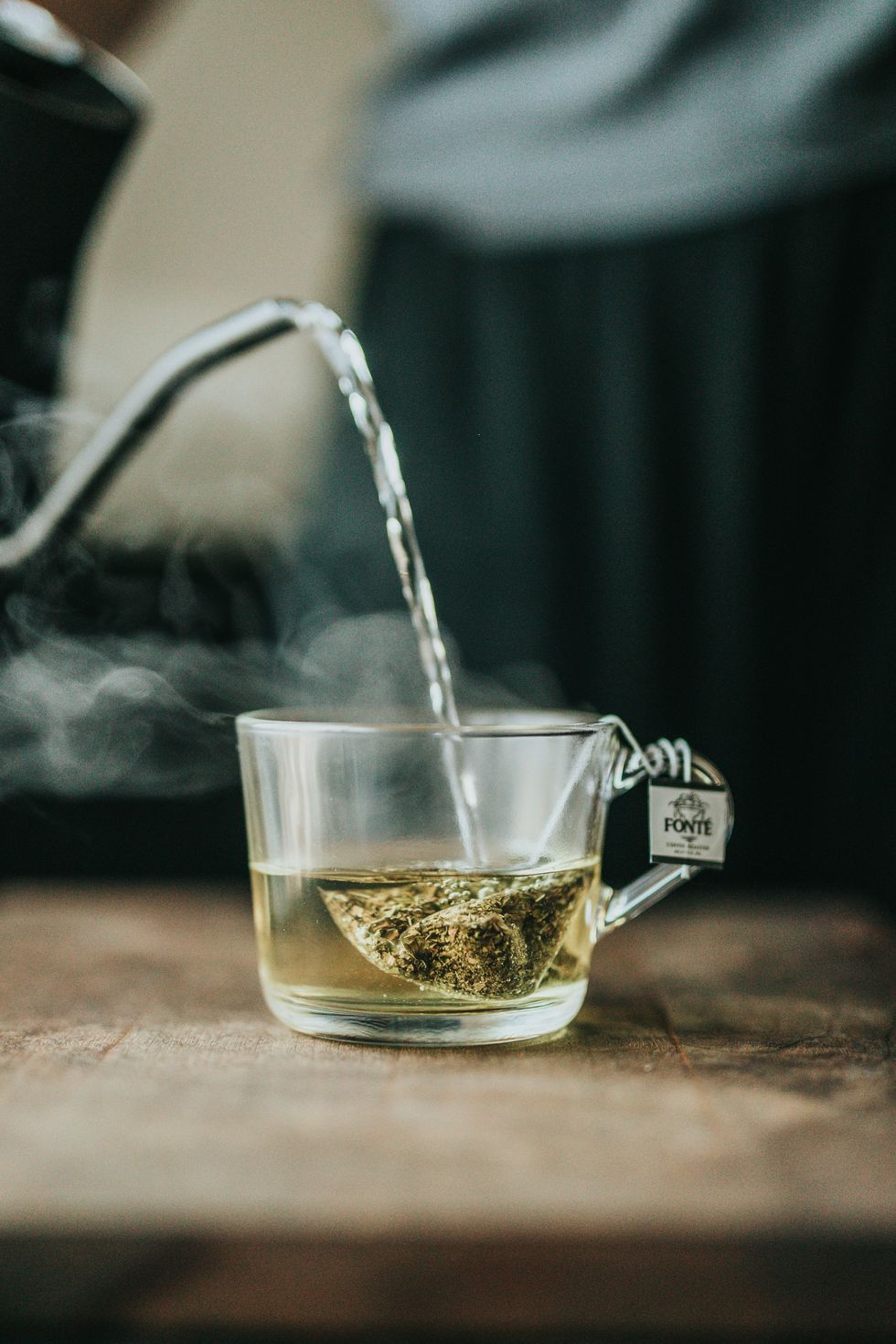 How to Make Weed Stem Tea in 5 Easy Steps - Potent Recipe - The Bluntness
Photo by
How to Make Weed Stem Tea in 5 Easy Steps - Potent Recipe - The Bluntness
Photo by  How to Make Weed Stem Tea in 5 Easy Steps - Potent Recipe - The Bluntness
Photo by
How to Make Weed Stem Tea in 5 Easy Steps - Potent Recipe - The Bluntness
Photo by