
After pouring more than 2 billion Canadian dollars into Canopy Growth, a leader in the cannabis sector, Constellation has decided to drastically reel back its investment. This move comes after a series of financial setbacks and reflects a broader uncertainty within the cannabis-infused beverage market.
Six years ago, Constellation Brands saw an opportunity. The investment of 245 million Canadian dollars into Canopy Growth wasn't just a financial endorsement; it was a statement of belief in the future of cannabis and cannabis beverages specifically.
The alcohol giant wasn't alone in its enthusiasm. Across the industry, companies anticipated a wave of legalization and a new frontier of consumer habits. The promise was of a market brimming with innovation—a future where cannabis-infused drinks could sit alongside beers and spirits as social staples.
A Rocky Road
However, the path to a cannabis-infused future proved more challenging than expected. Despite significant investments and the acquisition of substantial shares in Canopy Growth, the returns did not materialize as hoped.
The market faced regulatory roadblocks and slower-than-expected legal progress. Moreover, the anticipated consumer demand didn't swell as forecasted, leading to a significant devaluation in the stock market.
Constellation's decision to forgo the option to acquire an additional 139 million common shares is a telling shift. The decision not only lowers its stake in Canopy but also reflects a broader strategic pivot. The refusal to engage in future plans with Canopy, alongside the potential sell-off of existing shares, suggests a reassessment of the market's viability.
Industry Implications
The implications of Constellation's decision reverberate beyond its own portfolio. The move could signal a lack of confidence in the sector, potentially influencing other investors and companies considering similar ventures. The relationship between alcohol and cannabis, once seen as complementary, might now be viewed as competitors for market share.
The Cost of Ambition
Canopy Growth's cash burn, estimated at around 600 million Canadian dollars annually, is alarming for investors. Constellation's step back raises questions about the sustainability of cannabis companies relying on external investment for growth.
Furthermore, even with the possibility of U.S. federal legalization, the required investment to scale up production and distribution is daunting.
Constellation's Strategic Focus
Despite the cannabis setbacks, Constellation Brands is flourishing in its core sectors. With Modelo Especial overtaking Bud Light as the best-selling beer brand in the U.S., Constellation's strengths are clear.
The company predicts growth and improved operating margins, underscoring the resilience and potential of its primary business. Additionally, a 2 billion dollar stock buyback program reflects confidence in its financial position and a commitment to shareholder returns.
Marketplace Realities
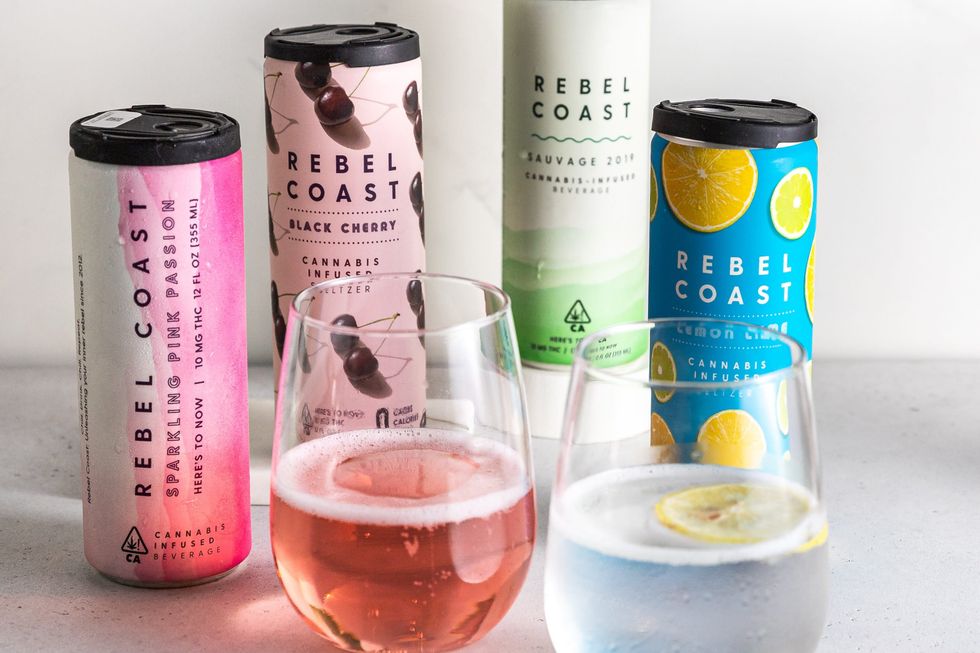 Constellation Brands Stops Drinking Infused-Beverages
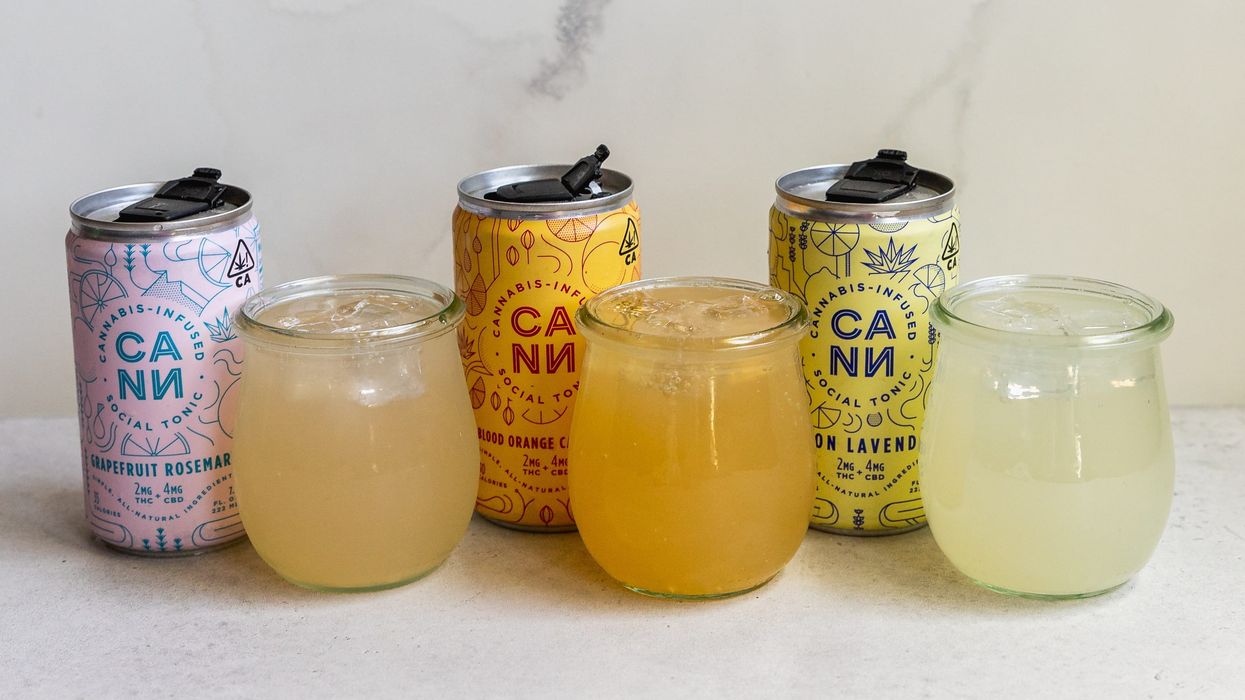
The marketplace for THC-infused drinks is burgeoning, with the sector appealing as a 'healthier high.' However, regulatory inconsistencies and public health concerns, especially regarding underage consumption, shadow the industry's growth.
The differentiation between THC and CBD beverages is significant, with the former carrying intoxicating effects and the latter being non-intoxicating. This has led to a bifurcation in the market, with CBD and Hemp-derived products enjoying broader acceptance.
The Public Health Angle
Public health advocates, like Dr. Kevin Sabet, voice concerns over the rush towards THC-infused products. With limited studies on the long-term effects of THC beverages, the rush for profit may overshadow potential health risks. The comparison with alcohol, a regulated but often harmful substance, illustrates the complexity of introducing another psychoactive product into mainstream markets.
Constellation Brands' decision marks a strategic recalibration rather than a complete retreat. Holding onto a 20% stake in Canopy Growth, the company maintains a foothold in the cannabis sector, albeit a less assertive one. The industry, still in its formative years, is likely to see further fluctuations as businesses, regulators, and consumers navigate the evolving landscape of cannabis consumption.
As for Constellation, its future shines bright with or without cannabis beverages. With solid growth in its beer, wines, and spirits divisions, the company's focus appears to be on fortifying its traditional stronghold while keeping an eye on the horizon for emerging opportunities. Constellation's experience in the cannabis market serves as a case study in corporate investment in nascent sectors—highlighting the potential rewards and the undeniable risks.
In a market as unpredictable as it is innovative, Constellation Brands' journey with Canopy Growth teaches a valuable lesson. It underscores the need for flexibility in strategic investment and an understanding that not all ventures, no matter how promising at the outset, lead to fruitful harvests. The stars, it seems, are not always aligned, even for the most experienced navigators in the market's vast constellation.