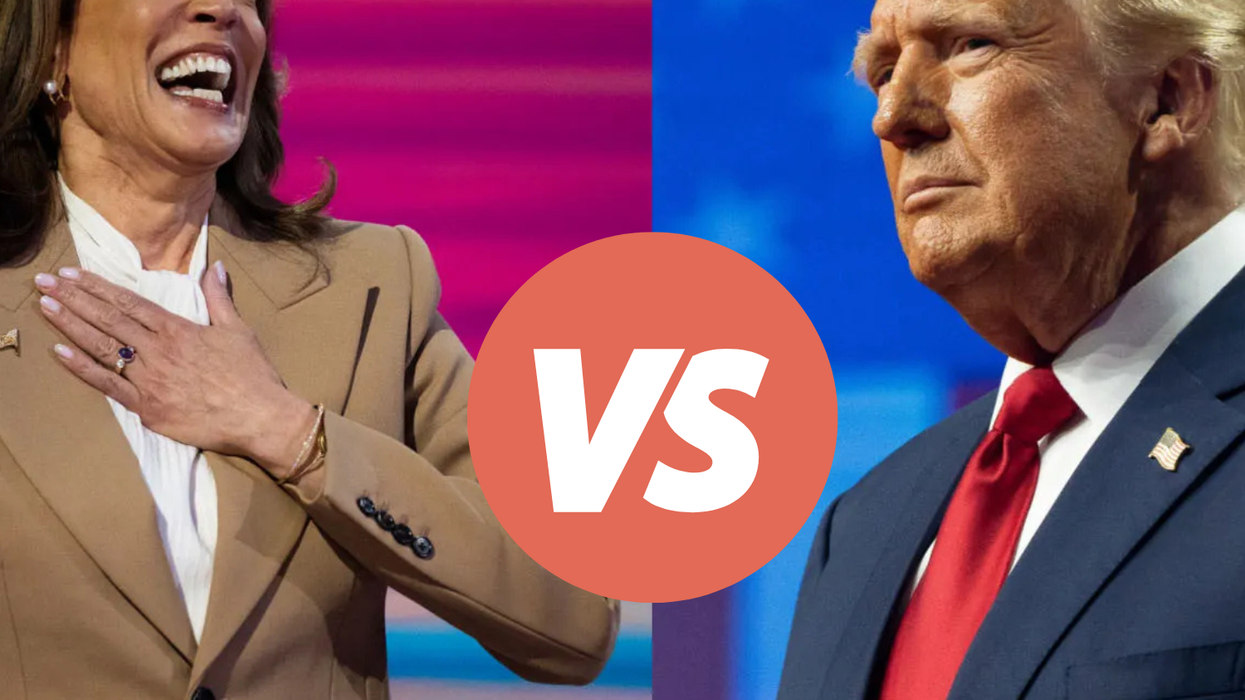

Cannabis Legalization: Where Do Harris and Trump Stand?
Kamala Harris, now the Democratic presidential nominee, has recently expressed full support for federal marijuana legalization. During an interview on the podcast All the Smoke, she emphasized that "we need to legalize it and stop criminalizing this behavior." Harris's current stance marks a shift from her past as a prosecutor, where she was known for a tough stance on drug-related crimes. As a senator, she co-sponsored federal legislation to end cannabis prohibition and supported initiatives to expunge nonviolent marijuana convictions. Harris has consistently highlighted the racial disparities in cannabis-related arrests, advocating for a legalization framework that addresses social inequities.
Her approach represents an effort to align federal law with state policies, as nearly half of the U.S. states have already legalized either medical or recreational cannabis. However, critics point out that simply decriminalizing possession does not go far enough, as thousands of people remain incarcerated for marijuana-related offenses. Organizations like the Last Prisoner Project estimate that over 40,000 people are currently imprisoned for cannabis, despite broader acceptance and legalization.
Donald Trump, on the other hand, has shown an evolving stance on marijuana. As president, his administration generally supported a states’ rights approach to legalization, allowing states to implement their own cannabis policies without federal interference. In a recent shift, Trump endorsed Florida's Amendment 3, which would legalize recreational cannabis possession for adults over 21. Yet, this endorsement has sparked controversy due to the significant involvement of Trulieve, a major cannabis company that has spent millions on the campaign, raising concerns about the potential creation of a cannabis oligopoly.
While Trump has voiced support for rescheduling marijuana and implementing "smart regulations," his recent backing of corporate-friendly initiatives has raised questions about the potential influence of large cannabis corporations over future policy.
Social Equity vs. Corporate Cannabis
A crucial issue in cannabis reform is whether legalization efforts will primarily benefit big corporations or promote social equity. A survey by the Parabola Center for Law and Policy found that 68% of American adults prioritize social equity in cannabis policies, favoring measures that address the legacy of prohibition, rather than allowing large corporations to dominate the industry. This sentiment is echoed across the political spectrum, with 80% of Democrats supporting government efforts to combat corporate monopoly power, according to Public Policy Polling.
The Florida Amendment 3 controversy illustrates these concerns. While the amendment would allow existing medical cannabis companies to enter the recreational market, it lacks provisions for home cultivation, small business access, or social equity programs. Critics, including Florida Governor Ron DeSantis, have referred to it as a step toward establishing a "Big Weed cartel," where only a few large companies control the market. DeSantis's stance on supporting home cultivation rights adds another layer of complexity to the conversation, contrasting with Trump's endorsement of the amendment.
The Role of Rescheduling and Federal Policy
Both candidates have addressed the federal scheduling of marijuana, with Harris calling it "absurd" during a meeting in the Roosevelt Room earlier this year. Rescheduling marijuana from Schedule I to a lower classification would potentially allow for more research, banking access, and a legal pathway for federal regulation. However, many advocates argue that rescheduling alone does not address the broader issues related to social justice, economic access, and legacy market operators.
Trump has also endorsed rescheduling, but his focus has leaned more toward deregulating the cannabis industry and resolving banking restrictions through measures like the SAFER Banking Act. This approach could facilitate easier access to financial services for cannabis businesses, but it may not directly impact expungement efforts or address racial disparities in cannabis-related arrests.
Voters’ Views on Legalization and Corporate Interests
Recent polling data indicates strong support for cannabis legalization across demographics, with Gallup reporting that 70% of American adults now favor legalization. Support is particularly high among younger voters, who are critical in key battleground states. The increase in daily or near-daily cannabis use — from less than 1 million people in 1992 to nearly 17.7 million in 2022 — reflects a significant cultural shift.
Yet, there is a disconnect between voters' support for legalization and concerns about the corporatization of the cannabis industry. Many voters seek a balanced approach that includes fair market access for small businesses, social equity provisions, and consumer protections to avoid market domination by a few large players. This stance challenges the idea that legalization alone is sufficient, pushing for reforms that extend beyond simply decriminalizing possession.
The Debate Over Corporate Influence
The potential impact of corporate interests on cannabis policy is a key point of contention in this election cycle. The Parabola Center's analysis highlights a significant gap in the current approach to legalization, with the risk of policies favoring large companies over equitable market structures. The support of candidates like Trump for initiatives backed by major cannabis corporations, such as Trulieve's $92 million campaign for Amendment 3, has fueled concerns about the influence of corporate money on policy outcomes.
Conversely, Harris's endorsement of legalization with a focus on expungement and social equity aims to address these concerns by incorporating justice reform into the broader conversation. While her critics argue that her record as a prosecutor conflicts with her current stance, she has taken steps to acknowledge past injustices and advocate for policies that include reparative measures.
Florida's Amendment 3 and the National Implications
The outcome of Amendment 3 in Florida could set a precedent for other states considering similar legislation. If passed, it may pave the way for limited-market cannabis regulation, where a few companies control the majority of sales. Critics argue that this model could stifle innovation and competition, while proponents claim it is a pragmatic approach to expanding access.
The debate around Amendment 3 reflects broader questions about the future of cannabis regulation in America. Should legalization prioritize corporate profits and state revenue, or should it focus on creating a market that includes opportunities for small businesses and historically marginalized communities? The decisions made in Florida and on the national stage will shape the landscape of cannabis reform for years to come.
The 2024 Election’s Impact on Cannabis Reform
As the 2024 election approaches, cannabis reform stands at a critical juncture. The policies advocated by Harris and Trump reflect contrasting visions for the future of legalization. Harris's emphasis on social equity and justice reform seeks to address the harms of prohibition while moving toward federal legalization. Trump's evolving position, while supportive of rescheduling and deregulation, aligns more closely with corporate-friendly policies that may favor established industry players.
Ultimately, voters will decide which vision aligns with their values. The outcome will not only impact the future of cannabis legalization but also address broader issues of social justice, economic fairness, and the role of corporate influence in American policy.
The 2024 election presents an opportunity for the nation to chart a path toward a more inclusive and equitable cannabis industry, or to continue along a trajectory where corporate interests shape policy outcomes. The question remains whether candidates will rise to meet the public’s demand for comprehensive, justice-oriented reform, or if the promise of legalization will be diluted by the interests of a powerful few.