Skip to content
Search AI Powered

Latest Stories

Videos

Kevin Garnett: Anything Is Possible (2021) | Official Trailer | Friday, November 12th at 8pm ET/PT
SHOWTIME Basketball
Culture

Basketball Legend Kevin Garnett on Cannabis

Kevin Garnet published an excellent memoir in early 2021 called KG: A to Z: An Uncensored Encyclopedia of Life, Basketball, and Everything in Between.

If you’re unaware, Garnett spent 21 years in the NBA, was a 15-time all-star, and won a championship with the 2008 Boston Celtics.


Garnett created a lot of buzz when he skipped college and went straight into the NBA in 1995, drafted fifth overall by the Minnesota Timberwolves.

In 1997, Garnett signed what was then the richest, long-term contract in sports history: $126 million for six years. It was larger than Shaquille O’Neal’s contract signed the previous summer – a nuance which no doubt irked the Big Diesel.

Garnett retired from the league in 2016 and was recently enshrined into the Basketball Hall of Fame along with Kobe Bryant and Tim Duncan.

On Nov. 12, 2021, SHOWTIME will debut a documentary about his career and life.

Garnett Reveals Cannabis Experience in New Memoir

Throughout the book, Garnett takes a non-linear approach. For example, in the ‘A’ chapter, he covers: “Anything Is Possible!” / Arm Wrestling / Arrival / Atlanta / Red Auerbach.

In the introduction, Garnett explains this approach was perfect for how his ADHD brain is wired. And the result is a compelling read for anyone interested in hoops, culture, race, and the insights of a man who spent 21 years in the NBA.

The ‘W’ chapter has a section on ‘Weed’, and what Garnett reveals here is most interesting.

And there are a few other cannabis references in other sections of the book, most notably Garnett enjoying the smell of ganja while vacationing in Jamaica during the offseason, and “smoking and hooping” with Snoop Dogg during his post-NBA years.

What Does KG Say About Cannabis?

While KG is not the first NBA player to get candid about cannabis -- current superstar Kevin Durant recently signed a deal with Weedmaps -- Garnett's remarks on the plant combined with his legendary accomplishments in the athletic world are remarkable.

Garnett recalls how his earliest memories of weed were during childhood. He remembers playing outside and smelling the ganja from inside the house where aunts and uncles were listening to Al Green.

However, he was careful to stay away from the herb growing up. He knew he wanted to play basketball and was very strict about avoiding drugs.

In fact, Garnett reveals he didn’t smoke his first joint until 2004, when a friend suggested it would help calm his nerves over his upcoming marriage.

After that, Garnett writes that he was careful only to indulge in cannabis during the off-season.

“In the league, I know players who’ve used weed to improve themselves. Whether it mellowed out cats who were too hyper, or whether it gave them a new perspective, the right joint can put you in the right frame of mind. Just be careful. It’s tricky. But it’s worth investigating,” he writes.

Garnett also adds that CBD works for him in more ways than one. “It’s a healer and a calmer. It also adjusts my dyslexia. Because I see written words backwards, I can get spoken words jumbled up in my mind. Weed helps straighten that shit out.”

KG doesn’t stop there. He also condemns the so-called war on drugs, praises open-minded thinking on cannabis, emphasizing that the culture shift in this direction is a positive thing.

 And, most beautiful of all, Garnett talks about the importance of learning how to cultivate quality cannabis.

“Cats I know who appreciate pot know how to grow it. Growing it requires not only knowledge but tender loving care…You give the right attention. You give the right nourishment. You seek the right balance. You make it a priority. You never stop monitoring the progress. And then you let nature takes it course.”

At the end of the section, KG references the Stevie Wonder album Journey through the Secret Life of Plants.

“It talked about how plants can feel. He said that a seed is a star. A seed can take us to heaven. When we cultivate seeds in the right way, life blossoms. Love blossoms. The world becomes a better place.”

Need a little more Bluntness in your life? Sign Up for our newsletter to stay in the loop.

Up Next

image of Drug Enforcement Agency Special Agent Badge

President Trump has just rescheduled marijuana - the biggest federal cannabis shift in 50 years - The Bluntness

Rescheduling vs. Descheduling Marijuana
News

Schedule III Official!

Trump's DOJ just rescheduled marijuana. It's the biggest federal cannabis shift in 50 years — and it still doesn't legalize your weed.

It finally happened.

After decades of stalled hearings, political football, bureaucratic inertia, and enough legislative near-misses to fill a very depressing highlight reel, the federal government has officially moved marijuana off Schedule I. Acting Attorney General Todd Blanche signed the order on Thursday, April 23, 2026, rescheduling state-licensed medical marijuana and any FDA-approved marijuana products from Schedule I to Schedule III under the Controlled Substances Act.

Let that sink in for a second. Marijuana — which has shared a federal classification with heroin since the Nixon administration — is no longer in that category. That's not a small thing.

But it's also not everything.

Two years ago, when we first broke down the rescheduling vs. descheduling debate after HHS blindsided the industry with its recommendation letter, the core question was: which path forward actually fixes the problem? Rescheduling advocates said Schedule III was a practical, achievable step. Descheduling advocates, including NORML, said anything short of full removal from the CSA was intellectually dishonest — a half-measure that would leave the industry's structural problems intact.

Both sides were right. And now that we're actually here, it's time to be honest about exactly what just changed and what didn't.

What Just Happened, Exactly

Blanche's order is phased. State-licensed medical marijuana products and any FDA-approved marijuana products move to Schedule III immediately. A formal DEA hearing on broader rescheduling is set for June 29, 2026, which will address the full scope of cannabis classification under federal law.

"The Department of Justice is delivering on President Trump's promise to expand Americans' access to medical treatment options," Blanche said in a statement. "This rescheduling action allows for research on the safety and efficacy of this substance, ultimately providing patients with better care and doctors with more reliable information."

This is the culmination of a process that technically started under Biden. In August 2023, the Department of Health and Human Services published a 252-page report concluding that marijuana did not meet the criteria for Schedule I. The DOJ issued a proposed rule to move it to Schedule III. Then the administrative hearing process collapsed in a slow-motion bureaucratic disaster, with accusations of DEA bias and improper communications clouding the record.

Trump picked up where Biden left off — though he got there by a different route. On December 18, 2025, he signed an executive order directing the attorney general to complete the rescheduling process "in the most expeditious manner possible." He even complained publicly just days before this announcement that federal agencies were "slow-walking" him on the issue. Billionaire Howard Kessler, a Mar-a-Lago member who credits CBD with helping him during cancer treatment, was present in the Oval Office alongside Trulieve CEO Kim Rivers for that December signing. Personal relationships shaped national drug policy. Welcome to how Washington actually works.

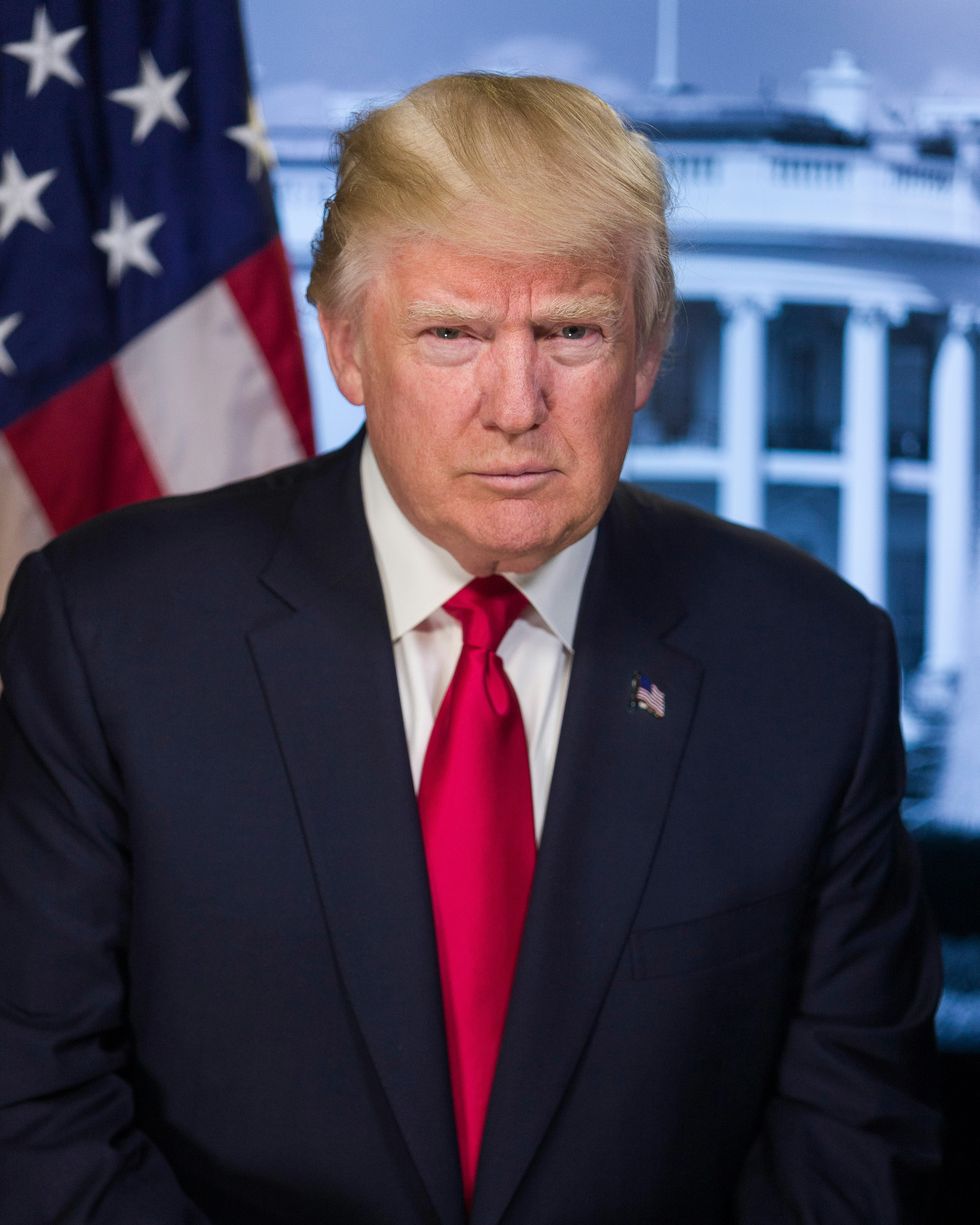
image of President Donald Trump The Department of Justice is delivering on President Trump's promise to expand Americans' access to medical treatment options Photo by Library of Congress on Unsplash
The One Thing That Actually Changes Everything for Industry: 280E Is Dead

For state-licensed cannabis operators, the most consequential sentence in Thursday's order is about Section 280E of the Internal Revenue Code.

280E has been the industry's financial noose since it was extended to cannabis after a 1982 court case. Because marijuana was a Schedule I or II substance, the IRS prohibited cannabis businesses from deducting ordinary business expenses — rent, payroll, marketing, professional fees. The only cost basis allowed was cost of goods sold. In practice, this pushed effective federal tax rates above 70% for many operators, making a business that is profitable on paper functionally insolvent on paper filed with the IRS.

That's over. Schedule III removes the 280E burden for state-licensed medical cannabis sales.

The numbers are staggering. Industry analysis shows the top five U.S. cannabis operators could collectively deploy more than $9 billion in capital over the next two years from 280E relief alone. Cannabis retailers in higher-volume states like Maryland are projected to save an average of $805,000 annually per store. For a mid-sized operator doing $10 million annually, the 280E burden has historically translated to roughly $2.5 million in excess taxes. That's survival capital suddenly redirected to payroll, expansion, and operations.

"With the move to Schedule III, cannabis companies should be able to claim the same deductions as ordinary businesses," said Nick Richards, co-chair of the cannabis practice at Greenspoon Marder.

There are important caveats. The relief is prospective, not retroactive. The IRS has not historically allowed retroactive amendments to prior-year returns based on legal changes. If your tax year matches the calendar year and the final rule becomes effective in 2026, your 2025 return still falls under 280E — you were Schedule I for that entire year. Some operators are reportedly considering filing 2025 returns free of 280E or pursuing amended returns for prior years, but tax attorneys are warning that path leads directly to a tax court fight. Operators should get with a cannabis-specialized CPA immediately if they haven't already.

What Rescheduling Does NOT Do

This matters. A lot of people are about to be confused, and misinformation spreads fast.

Rescheduling does not federally legalize marijuana. Cannabis remains a controlled substance. You still cannot ship it across state lines. You cannot use the postal service to send it. Recreational use remains a matter of state law only, with zero federal change.

Rescheduling does not affect people currently incarcerated on marijuana charges. More than 200,000 Americans were arrested for cannabis-related offenses last year, according to the Marijuana Policy Project. Rescheduling doesn't touch a single one of those cases or convictions. The racial disparities baked into decades of Schedule I enforcement don't get undone by a regulatory classification change.

Rescheduling does not fully solve banking. Financial institutions will still evaluate cannabis businesses as high-risk under the Bank Secrecy Act. Many banks will wait for a final rule before revisiting their cannabis policies. Full banking normalization still requires the SAFE Banking Act or comparable legislation — which Congress has repeatedly failed to pass.

Rescheduling does not simplify your state compliance. The patchwork of state-by-state regulations doesn't change because the DEA changed a number. If you operate across multiple states, your compliance burden is the same tomorrow as it was yesterday.

Rescheduling does not resolve the pharmaceutical question. A Schedule III classification puts cannabis under increased FDA oversight for medical products. What that means for existing state-market products, whether dispensary products will need to be dispensed through pharmacies, and whether interstate commerce opens up — none of that is settled. These questions go to the June 29 hearing and beyond.

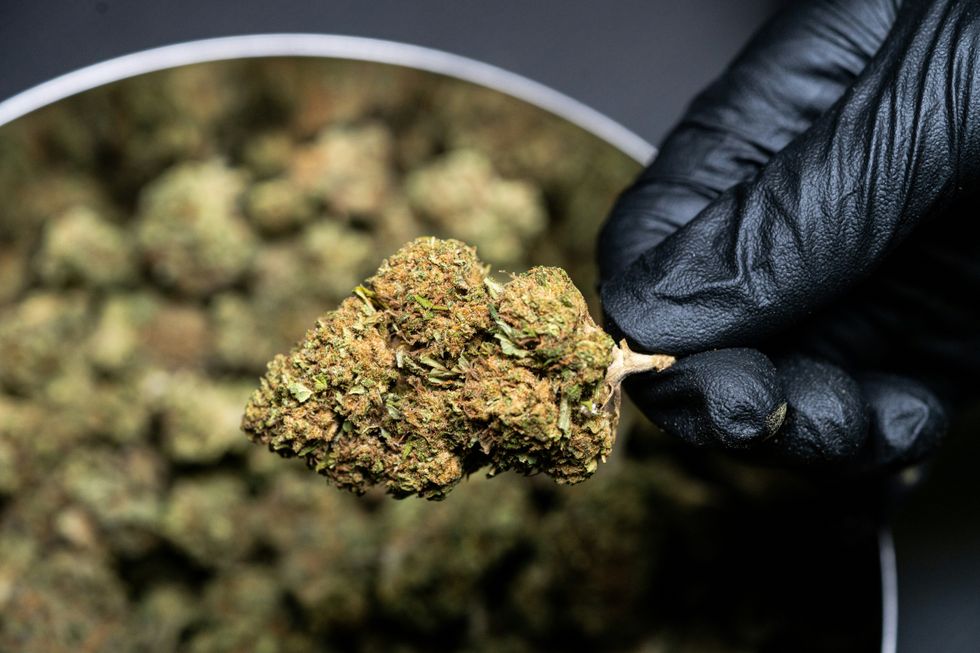
image close up of cannabis bud, post harvest Rescheduling does not federally legalize marijuana. Cannabis remains a controlled substance. - The Bluntness Photo by CRYSTALWEED cannabis on Unsplash

What the Industry Is Actually Saying

The reaction from operators has been measured. Optimistic, but not naive.

Omar Delgado, VP of Retail at Ivy Hall Dispensary, put it plainly. Ivy Hall launched as the first social equity dispensary in Illinois and now operates ten locations across the state. "Today's DOJ announcement is meaningful progress, even if the work isn't done," Delgado said. "Moving FDA-approved and state-licensed cannabis to Schedule III is a real step forward: it eases research barriers, opens the door to 280E relief for compliant operators, and signals that the federal government is finally taking cannabis seriously as medicine. A full rescheduling hearing in June is the next hurdle, and we'll be watching closely. At Ivy Hall, we're encouraged and ready to build on this momentum."

That framing — encouraged, not euphoric — reflects where most serious operators are. They've been burned by false starts before. Biden's process stalled. DEA hearings collapsed. This one landed, but the June 29 hearing looms, and the industry knows better than to pop champagne before the rule-making is final.

On the compliance and infrastructure side, the implications are just as significant. Metrc, which provides the track-and-trace technology backbone for regulated cannabis markets across the country, sees Thursday's action as a turning point that raises the stakes on operational standards. "Today's decision to advance cannabis rescheduling represents one of the most consequential shifts in policy for legal cannabis in decades, removing some of the key roadblocks the industry has long faced," said Michael Johnson, CEO of Metrc. "While this is not full federal legalization, this move makes meaningful progress towards standardizing the industry and setting the stage for much needed policy frameworks. Next, as the industry grows and evolves in the coming years, ensuring the traceability and safety of cannabis products reaching shelves will be critically important."

That last point matters and tends to get glossed over in the celebration. More federal recognition means more federal scrutiny. Operators who have run loose compliance programs because "we're already illegal federally anyway" are going to find that posture increasingly untenable. Schedule III means the FDA has more to say. DEA registration pathways are opening. Traceability requirements will tighten. The businesses built for the gray zone will have to professionalize fast.

The Descheduling Crowd Was Right (Even Though They Lost)

NORML's position in 2023 was that rescheduling was intellectually dishonest — that cannabis doesn't fit any CSA schedule, and that the right comparison isn't heroin vs. ketamine but cannabis vs. alcohol and tobacco, neither of which appears in the CSA at all.

They weren't wrong. Every problem that rescheduling doesn't fix — banking, interstate commerce, criminal justice, the patchwork compliance nightmare — stems from the fact that cannabis is still a controlled substance under federal law. The state-federal conflict that NORML warned about still exists. Dispensaries operating in legal states are still technically in violation of federal law.

Rescheduling is real progress. But the descheduling advocates should be credited for naming accurately what this moment isn't.

"Rescheduling is a great step, but it does not solve all the problems," said Chris Smith of the Marijuana Policy Project. "We have thousands of people whose lives were interrupted and upended by an arrest for possession of a plant."

The finish line is still out there. Thursday's order is a significant checkpoint. Not the destination.

Why This Happened Now (And Why Trump Is Doing It)

The political calculus here is real. More than two-thirds of U.S. states and territories regulate marijuana for medical or adult use. Public polling consistently shows over 80% of Americans support medical marijuana access. No president has shut down state-legal cannabis programs precisely because the economic and political cost would be catastrophic.

Trump had personal incentive. His Oval Office signing ceremony in December included Kessler and Rivers, not random cannabis advocates — these are personal relationships. And Trump, who ordered agencies to act "in the most expeditious manner possible" and then complained they were slow-walking him, clearly wanted this done.

It's also worth noting: acting AG Blanche drove this across the finish line, not Pam Bondi, Trump's original AG pick. Bondi opposed cannabis reform as Florida's AG and notably skipped the December signing ceremony. The personnel who executed this mattered.

The psychedelics connection is also worth watching. Just days before Thursday's rescheduling announcement, Trump signed a separate executive order on psychedelics, directing accelerated research, clinical trials, and "Right to Try" access for drugs like psilocybin, MDMA, and ibogaine. There is a broader policy shift underway around controlled substances. Cannabis is the opening act, not the whole show.

What Happens Next

The June 29 hearing is the next major milestone. That proceeding will address the full scope of cannabis rescheduling under federal law — including what happens to recreational-market cannabis, which Thursday's order does not explicitly cover for products that aren't state-licensed medical or FDA-approved.

The rule-making process that began in 2024 under Biden continues under an expedited timeline. Legal challenges are likely from anti-rescheduling parties who have already alleged agency bias and improper communications during the Biden-era review. Federal courts could create delays.

For businesses, the immediate priority is talking to a cannabis-specialized tax attorney or CPA to understand how 280E relief applies to your specific entity structure, tax year, and revenue mix. The timing of when the IRS considers 280E eliminated — upon publication of the final rule, at the start of your next tax year, or via some deferred approach — is not yet settled guidance.

For patients and consumers, expanded research access means better clinical evidence is coming. Scientists have faced strict approval processes, limited supply access, and heavy compliance requirements when studying cannabis for chronic pain, PTSD, and neurological disorders. Those barriers are coming down.

For the industry as a whole, the financial oxygen that 280E relief provides could help stabilize a sector that has been running a marathon in cement shoes for the better part of a decade.

Frequently Asked Questions

Does Trump's marijuana rescheduling legalize weed? No. Moving cannabis to Schedule III means it is still a federally controlled substance. Recreational use remains governed entirely by state law. Federal legalization would require an act of Congress.

What does Schedule III mean for marijuana? Schedule III drugs are defined as having moderate to low potential for physical and psychological dependence and accepted medical use. Cannabis now sits alongside drugs like ketamine and anabolic steroids, rather than heroin and LSD.

Does rescheduling eliminate the 280E tax burden for cannabis businesses? Yes, for state-licensed medical cannabis sales, rescheduling removes the Section 280E prohibition on deducting ordinary business expenses. The relief is prospective, meaning it applies going forward from the effective date of the final rule, not retroactively to prior years.

What is Section 280E and why does it matter? 280E is an IRS code provision that prohibited businesses "trafficking" in Schedule I or II controlled substances from deducting standard business expenses like rent, payroll, and utilities. It has pushed effective federal tax rates above 70% for many cannabis operators.

Does rescheduling affect people incarcerated for marijuana? No. The rescheduling order does not expunge prior convictions or release anyone from incarceration on cannabis charges. That would require separate congressional or executive action.

Will cannabis banking improve after rescheduling? Partially. Rescheduling may encourage some financial institutions to reconsider cannabis clients, but full banking normalization still requires legislation like the SAFE Banking Act. Banks will continue operating cautiously until a final rule is in place and legal challenges are resolved.

What is the difference between rescheduling and descheduling? Rescheduling moves cannabis to a lower schedule within the Controlled Substances Act, where it remains a regulated drug with federal restrictions. Descheduling would remove cannabis from the CSA entirely, similar to how alcohol and tobacco are handled — regulated outside the drug scheduling system. Thursday's action is rescheduling, not descheduling.

What happens at the June 29 hearing? The DEA will hold a hearing to evaluate broader changes to marijuana's status under federal law, including questions that Thursday's order did not fully resolve about adult-use recreational cannabis and the full scope of implementation.

Have thoughts on rescheduling? Reach out to The Bluntness at editor@thebluntness.com. Stay locked in — this story is just getting started.

Related Reading:

Actor/Comedian Awkwafina smoking a joint held with chopsticks
Getting high w/ Awkwafina
Giphy
News

4/20 in 2026: A Holiday That Hits Differently Now

From coded slang to billion-dollar holiday, April 20th has never meant more—or carried more unfinished business.


April 20, 2026. Across 24 states, tens of thousands of people are legally reaching for a joint, hitting a dispensary, or gathering at festivals that look nothing like the underground celebrations of a decade ago. Denver's Mile High 420 Festival packs 50,000 people into Civic Center Park. KannaFest NYC lights up Long Island City. Washington Square Park fills with the kind of crowd that would've been arrested a generation ago.

And yet.

A brand-new survey from NORML asked more than 3,200 cannabis consumers one blunt question: where you live, how free do you actually feel? Only 16% said completely free. Nearly 60% described their cannabis freedom as restricted or prohibited. More than 80% said they have at least some concern about legal consequences—even now, in 2026, with marijuana legal in some form in most of the country.

"Marijuana culture may be mainstream, but cannabis freedom is not," said NORML Development Director JM Pedini. "For too many consumers, legalization still comes with the fear of legal consequences."

That gap is the story of 4/20 right now. Celebration and consequence, sitting side by side.

Where Did 4/20 Actually Come From?

Let's get this out of the way. It wasn't a police code. It had nothing to do with Bob Marley's death, Hitler's birthday, or the number of active chemicals in cannabis. None of that.

The real story starts in 1971 at San Rafael High School in California. Five teenagers—Steve Capper, Dave Reddix, Jeffrey Noel, Larry Schwartz, and Mark Gravich—called themselves "the Waldos." They'd heard about an abandoned cannabis crop near Point Reyes and made a plan: meet after football practice at 4:20 PM, by the school's statue of Louis Pasteur, and go find it.

They called their mission "the 4:20 Louis." They never found the plants. But the code stuck.

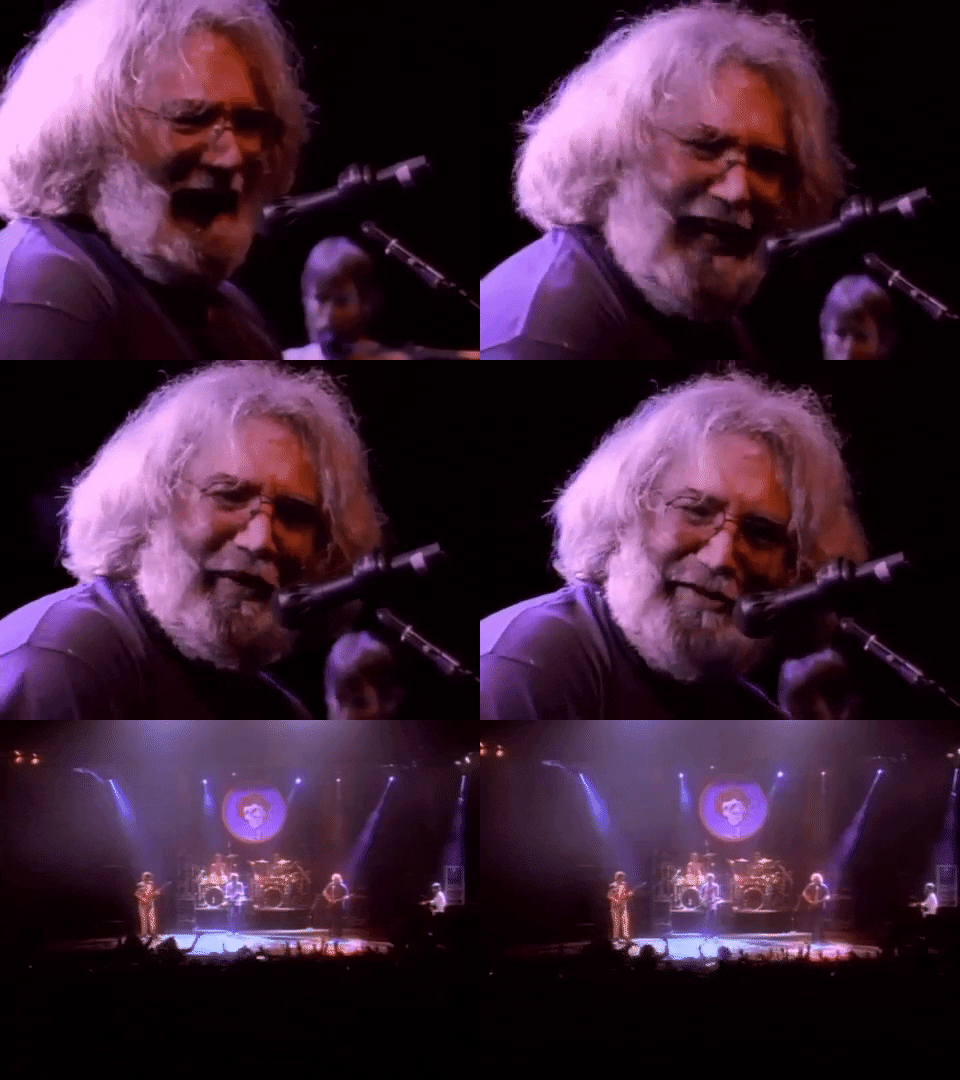
It might have stayed local slang if not for a crucial connection. Dave Reddix's brother was close friends with Phil Lesh, the bassist for the Grateful Dead. The Waldos started running in the Dead's orbit. The phrase spread through the Deadhead community. It went from five guys in Marin County to a subculture of millions.

By 1991, High Times magazine had picked it up. A reporter named Steve Bloom found a flyer at a Grateful Dead show inviting people to "smoke 420" on April 20th at 4:20 PM. The magazine ran with it. April 20th became a date, not just a time. The Oxford English Dictionary officially added "420" in 2017, citing documents from the 1970s. The Waldos keep their original postmarked letters in a bank vault.

A code invented by five bored teenagers is now recognized by one of the world's most authoritative dictionaries. That's the origin story.

Grateful Dead's Jerry Garcia Giphy

4/20 in 2026: A Four-Day Holiday

Something shifted this year. Because April 20th falls on a Monday, the cannabis industry treated 4/20 weekend (April 17-20) as a four-day national event. Dispensaries ran "Early Bird" specials starting Friday. The "Sunday Funday" peak hit on April 19th, giving consumers time to celebrate before Monday arrived.

The scale is hard to overstate. Denver's Civic Center Park hosted its flagship Mile High 420 Festival with two stages of live music, art installations, and 50,000 attendees—a number that felt impossible to imagine back when universities like Colorado Boulder were still banning 4/20 gatherings on campus. Wiz Khalifa played Red Rocks on 4/20 Eve. Ice Cube headlined the festival itself.

In New York, Washington Square Park drew its annual grassroots crowd while KannaFest NYC in Long Island City offered a more structured three-day experience of brand activations and cultural programming. A massive 4/20 event at RFK Stadium in Washington, D.C. featured an "Advocacy Village" alongside live music and the National Cannabis Championship.

The industry knows what this day means commercially. In states with adult-use markets, April 20th drives sales comparable to Black Friday in retail. Brands launch products. Dispensaries push 30-50% deals. Even mainstream companies give knowing nods to the holiday in their marketing.

But here's the tension: while 4/20 feels more celebrated than ever, the NORML survey reveals that millions of people watching those celebrations are still living under prohibition. Nearly two-thirds of survey respondents said federal cannabis policy is either stuck or moving backward. Cannabis freedom, the survey found, still depends on your zip code.

The People the Industry Left Behind

Every 4/20, the cannabis industry celebrates how far it's come. Billions in revenue. Dispensaries on Main Street. Celebrity brands. Craft cultivars with tasting notes.

And every 4/20, thousands of Americans sit in prison for actions that are now perfectly legal—even celebrated.

Stephanie Shepard knows that reality as well as anyone. She's the Executive Director of the Last Prisoner Project. Before that, she spent nine years in federal prison after a 2010 conviction for conspiracy to distribute marijuana. First-time offender. Nonviolent. Her conviction grew out of a personal relationship that put her in the crosshairs of the War on Drugs.

"I saw how the system grinds people down," Shepard says. "I watched people serve decade after decade for actions that, today, are not only legal but celebrated. Those are the kinds of things that don't leave you."

When she came home, she channeled that experience into Last Prisoner Project, an organization working on legal advocacy, clemency support, family assistance, and reentry programs for people still serving time for cannabis offenses.

One of those people was Leonel Villaseñor. After nearly 22 years behind bars for a cannabis offense, Leonel walked free and reunited with his three sisters after more than two decades apart. Last Prisoner Project's legal team helped make his clemency possible. His words were simple: "I'm so grateful to be free and able to breathe fresh air."

Leonel's story is one of the good ones. There are thousands still waiting for theirs.

The cannabis industry is now worth billions. It's legal in much of this country. The people sentenced under the old laws should not be left behind while that industry grows around them. As Shepard puts it, Last Prisoner Project works on that every day.

This 4/20, Last Prisoner Project set a goal of raising $10,000. An anonymous donor has stepped forward to match the first $5,000. If you've ever thought about supporting this work, today is a meaningful day to do it. Even a small gift goes twice as far. You can give at lastprisonerproject.org.

gif of scene from Reefer Madness; woman smoking weed, black and white movie Scene from Reefer Madness Giphy

The Politics Haven't Kept Up

Here's where things stand in 2026.

Marijuana remains federally illegal, classified as a Schedule I controlled substance alongside heroin. Twenty-four states have adult-use markets. Fourteen more allow medical marijuana only. Nineteen states still jail residents for simple possession.

Public support for legalization has never been higher. Two-thirds of American adults favor federal legalization. Nearly 90% support medical access. And yet lawmakers continue to lag behind those numbers, sometimes dramatically.

The NORML survey captured that frustration clearly. When asked what single reform would do the most to increase their cannabis freedom, respondents pointed overwhelmingly to two things: legalize marijuana for adults where they live, and change federal cannabis laws. Together, those two priorities accounted for nearly two-thirds of all answers.

"Cannabis freedom should not depend on your zip code," Pedini said. "But for millions of Americans, where you live still determines whether marijuana comes with freedom or with consequences."

The Biden administration's record expungements and the proposed reclassification to Schedule III were steps forward. The current political environment has created new uncertainty about that trajectory. Federal enforcement priorities on public lands have tightened. The rescheduling process remains incomplete.

Meanwhile, Florida's 2026 legalization effort failed to gather enough verified signatures. Arizona and Massachusetts are seeing prohibitionist counter-campaigns trying to roll back existing laws. In some states, the fight is still entirely uphill.

The map is moving, but it's moving unevenly. And behind every percentage point, there are real people either gaining freedom or still waiting for it.

From Counterculture to Commerce

None of this complexity diminishes the genuine cultural achievement 4/20 represents. What started as slang invented by five California teenagers in 1971 has achieved something rare: staying power.

Most cultural moments burn bright and disappear. 4/20 keeps growing. The Oxford English Dictionary defines it. Lagunitas Brewing releases its annual "Waldos' Special Ale" every April 20th in partnership with the term's original coiners. SweetWater Brewing in Atlanta built an entire brand identity around it. Ben & Jerry's has offered free samples at exactly 4:20 PM and released flavors that wink at cannabis culture.

Sociologists note that 4/20 has developed all the hallmarks of a traditional holiday: shared rituals, communal gathering, special foods (often infused), music, and a sense of collective identity that crosses generational and economic lines. When linguists talk about "semantic broadening"—a term expanding beyond its literal meaning—"420" is a textbook example. Even people who have never consumed cannabis recognize what it means.

That cultural penetration is real. And it matters. Public attitudes toward cannabis shifted in part because of how normalized and humanized cannabis culture became, with 4/20 serving as an annual demonstration that consumers weren't the "dangerous drug users" of anti-drug propaganda.

The Dual Nature of the Holiday

4/20 has always carried two things at once: celebration and protest. In places where cannabis remains criminalized, gathering publicly to celebrate 4/20 is itself a political act. In places where legalization has happened, the holiday is both a victory lap and a reminder that the work isn't finished.

The advocacy dimension has gotten louder in recent years, not quieter. Events increasingly incorporate criminal justice panels, expungement clinics, and calls to action alongside live music and product launches. Last Prisoner Project, NORML, and the Marijuana Policy Project use 4/20 as a fundraising and visibility moment specifically because the concentrated public attention creates an opening to say: look at what's still unfinished.

That dual nature is part of what makes 4/20 interesting as a cultural phenomenon. It isn't just a party. It never was. The Waldos were teenagers searching for something they'd been told was forbidden. That small act of defiance, repeated by millions across fifty-plus years, has reshaped drug policy, generated billions in legal commerce, and still hasn't quite finished what it started.

Frequently Asked Questions About 4/20

What does 4/20 mean? 4/20 is cultural code for cannabis, originating with a group of California high school students in 1971 who used "4:20" as a meetup code for smoking marijuana after school. Today it refers both to 4:20 PM as a consumption time and April 20th as cannabis culture's unofficial annual holiday.

Where did 4/20 come from? The term originated with five students at San Rafael High School in California, who called themselves "the Waldos." They met at 4:20 PM to search for an abandoned cannabis crop. The term spread through the Grateful Dead community and was popularized nationally by High Times magazine in 1991.

Is 4/20 an official holiday? No. April 20th is not a federal or state public holiday. It's an informal cultural observance within cannabis communities, though in legal states it functions as a major commercial event with deals, product launches, and large public gatherings.

Is cannabis legal on 4/20 in 2026? That depends entirely on where you are. In 2026, 24 U.S. states have adult-use legal cannabis markets. Fourteen more allow medical marijuana. The remaining states still prohibit recreational use, and cannabis remains federally illegal regardless of state law.

Why do people celebrate 4/20? People celebrate 4/20 as a mix of cultural expression, community gathering, and political advocacy. For consumers in legal states, it's a chance to celebrate mainstream acceptance and access dispensary deals. For advocates, it's an annual reminder that millions of people remain incarcerated for cannabis offenses and that federal reform is still incomplete.

What are the biggest 4/20 events in 2026? Major 2026 celebrations include the Mile High 420 Festival at Civic Center Park in Denver (50,000 attendees), KannaFest NYC in Long Island City, a massive 4/20 event at RFK Stadium in Washington, D.C., and the annual grassroots gathering at Washington Square Park in New York City. With 4/20 falling on a Monday this year, most major events centered on the April 18-20 weekend.

Who is still in prison for cannabis in 2026? Thousands of people remain incarcerated for cannabis offenses despite widespread legalization. Organizations like the Last Prisoner Project work on legal advocacy, clemency support, and reentry programs for those still serving time under laws that no longer reflect current public policy or legal reality.

How can I support cannabis justice on 4/20? You can donate to organizations like Last Prisoner Project (lastprisonerproject.org), which provides clemency support and reentry assistance to people still imprisoned for cannabis offenses. This 4/20, an anonymous donor is matching the first $5,000 in donations, doubling your impact.

The Bluntness is committed to covering cannabis culture the way it actually is—not the sanitized version. That means celebrating the wins and staying honest about what's still broken.

Actor/Comedian Awkwafina smoking a joint held with chopsticks Getting high w/ Awkwafina Giphy

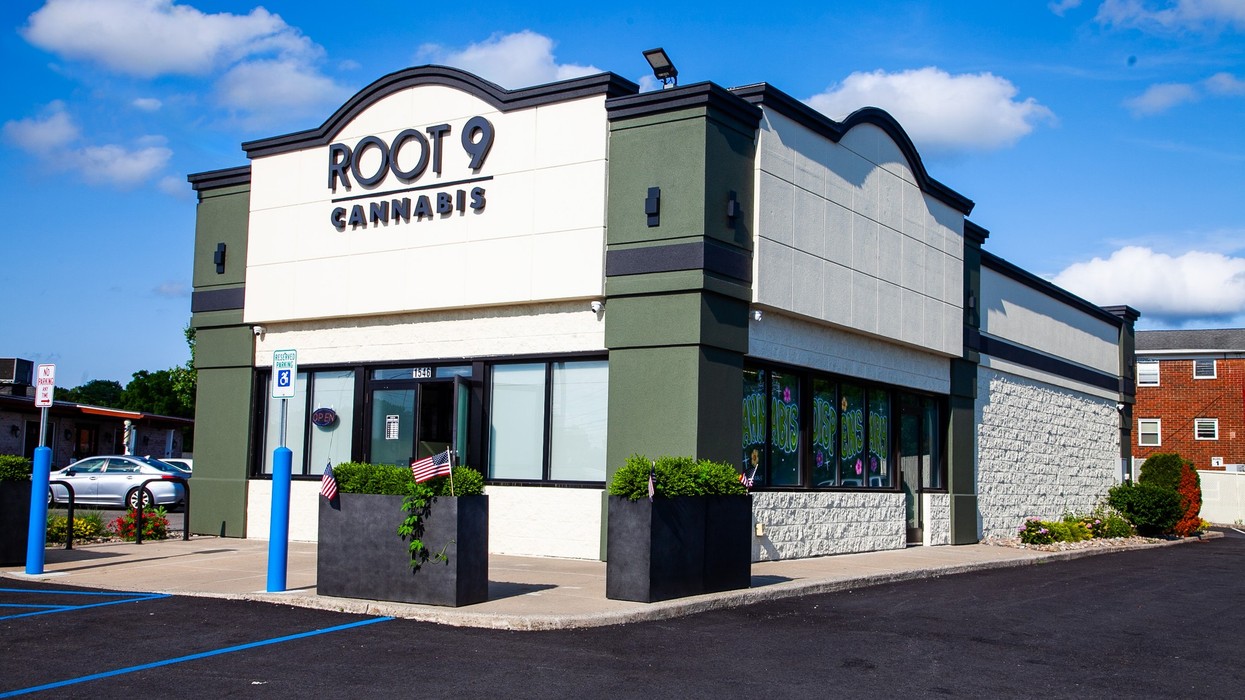
exterior image of Root 9 Dispensary in Wappingers Falls, NY

Root 9 Dispensary in Wappingers Falls, NY - The Bluntness

Photo courtesy of Root 9 Dispensary
Dispensary Spotlights

Root 9 Dispensary: Dutchess County's Top Spot

Two Siblings, One Pivot, and the Best Dispensary in Wappingers Falls

There's a vacant Planet Wings building on Route 9 in Wappingers Falls that Frank Bocci couldn't stop thinking about. High visibility. Constant traffic. A north-south corridor connecting half of Dutchess County to the heart of the Hudson Valley. Frank had already survived a failed hemp farm, a global pandemic, and two regulatory pivots. He wasn't looking for easy. He was looking for right.

That building was right.

Root 9 Dispensary opened at 1546 Route 9 in November 2024, and it's already become one of the most talked-about cannabis shops in the Hudson Valley. The story behind it is worth knowing.

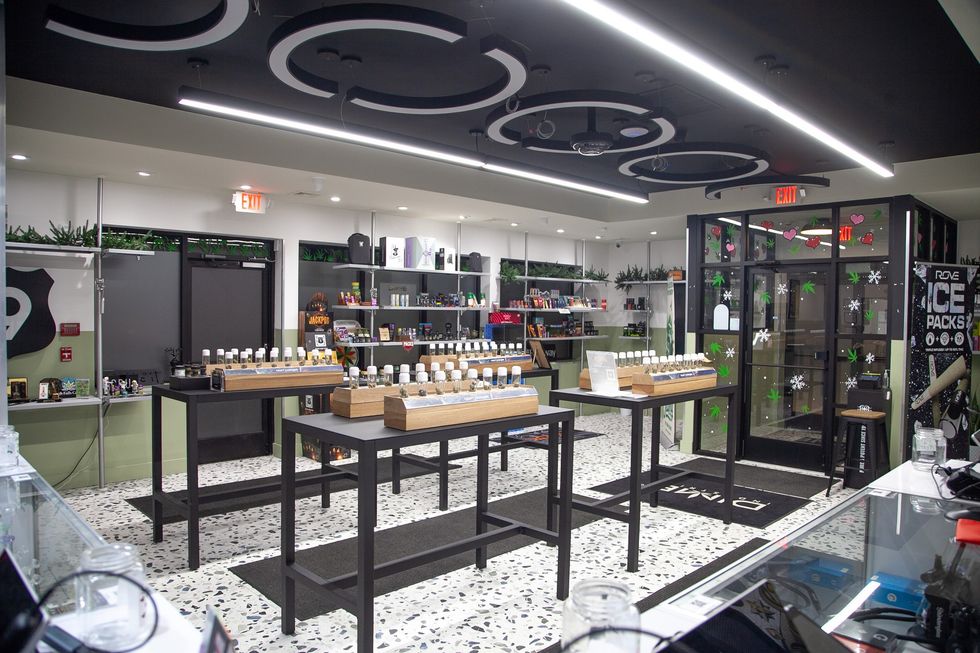
interior image of Root 9 Dispensary in Wappingers Falls NY Inside Root 9 Dispensary in Wappingers Falls, NY - The BluntnessPhoto courtesy of Root 9 Dispensary in Wappingers Falls, NY
Long Island Roots, Hudson Valley Vision

Frank and Susan Bocci didn't grow up in the cannabis industry. They grew up in Nassau County on Long Island, doing things the old-fashioned way. Frank built a successful construction and landscaping business. Together, the siblings developed a track record for hard work, entrepreneurship, and the ability to spot an opportunity before it became obvious to everyone else.

In 2019, Frank secured a New York State hemp growing license and launched a farm in South New Berlin, a small town in Chenango County in upstate New York. The goal was direct: get into a growing industry early, build something real, and use the same instincts that drove the landscaping business into a new category. Cultivating plants wasn't unfamiliar territory. Cannabis felt like a natural extension.

But New York's hemp program was still finding its footing. Unpredictable weather hit hard. And then COVID-19 arrived in 2020 and complicated everything further. The CBD venture became unsustainable.

A lot of people would have walked away. Frank and Susan didn't. They pivoted from green thumbs to green buds.

Susan, who handles operations and community engagement at Root 9 today, has described those early years as the education they couldn't have gotten any other way. The hemp farm didn't become the business they planned. It became the foundation for the business they are building now.

The Pivot That Paid Off

When New York legalized adult-use recreational cannabis in 2021, the Bocci siblings saw their opening. Their first instinct was to pursue a cultivation license, staying close to their agricultural background. But regulatory delays and extended wait times made it clear: that path could take years.

The decision came down to one question. Do you wait for permission, or do you build something? They chose to build.

They shifted focus to retail. Frank secured an OCM adult-use retail license at the end of 2022, becoming one of the earlier CAURD operators in New York's licensed dispensary rollout. That license was the starting line. What followed was a year of planning, construction, and finding the right location.

Finding the Right Address

The location question got answered with help from a trusted source. Phil Percespe, founder of Leadfarmer, a cannabis industry consulting and media firm with deep Hudson Valley roots, pointed the Bocci's toward Wappingers Falls. His reasoning was specific: the area sits at the geographic center of Dutchess County, pulls traffic from Poughkeepsie, Beacon, Fishkill, and East Fishkill, and had an underserved consumer base ready for a quality licensed retailer.

Route 9 runs north-south through the Hudson Valley and connects directly to Interstate 84, giving Root 9 easy access from both east and west Dutchess County. For a new dispensary trying to build a regular customer base across a wide regional footprint, the corridor is ideal.

The specific building clinched it. A vacant Planet Wings location at 1546 Route 9 had the visibility, the parking, and the flow. The property owner, Danny, turned out to be more than a landlord. He became the third partner. The trio was complete.

Root 9 Dispensary officially opened its doors in November 2024.

The Name Is the Mission

Root 9 Dispensary takes its name from Route 9, the highway that runs directly past the shop in Wappingers Falls, NY. The name also nods to the roots of the cannabis plant itself, and to the foundational values Frank, Susan, and Danny built this around: community, transparency, and staying grounded in the place you serve. It's location, identity, and purpose compressed into two words.

That's not branding for branding's sake. You feel it inside the shop.

What the Experience Actually Looks Like

Walk into Root 9 and the design signals something deliberate. The space is bright and airy, with clean shelves and a thoughtful product layout that doesn't overwhelm first-time visitors. One detail stands out: the flower display cases let customers press the lid to release the aroma of each strain before buying. It's a small touch with a big effect, especially for newcomers still learning how to shop for cannabis.

The staff runs the same way. Root 9 trains its team to lead with curiosity, not sales pressure. Budtenders ask about your experience level, your goals, and your lifestyle before making a single recommendation. One regular customer put it plainly: every visit feels like going to see a friend who happens to know a lot about cannabis.

Multiple reviewers have called Root 9 the best dispensary they've visited anywhere on the East Coast. That's a strong claim. But it shows up consistently across platforms, which suggests it reflects something structural about how the shop operates rather than a handful of exceptional visits.

Online ordering is available with curbside pickup for those who want a faster experience. Root 9 also runs a loyalty rewards program that lets customers earn points toward future purchases.

Hours: Mon-Thurs 10am-9pm, Fri-Sat 10am-10pm, Sun 11am-7pm.

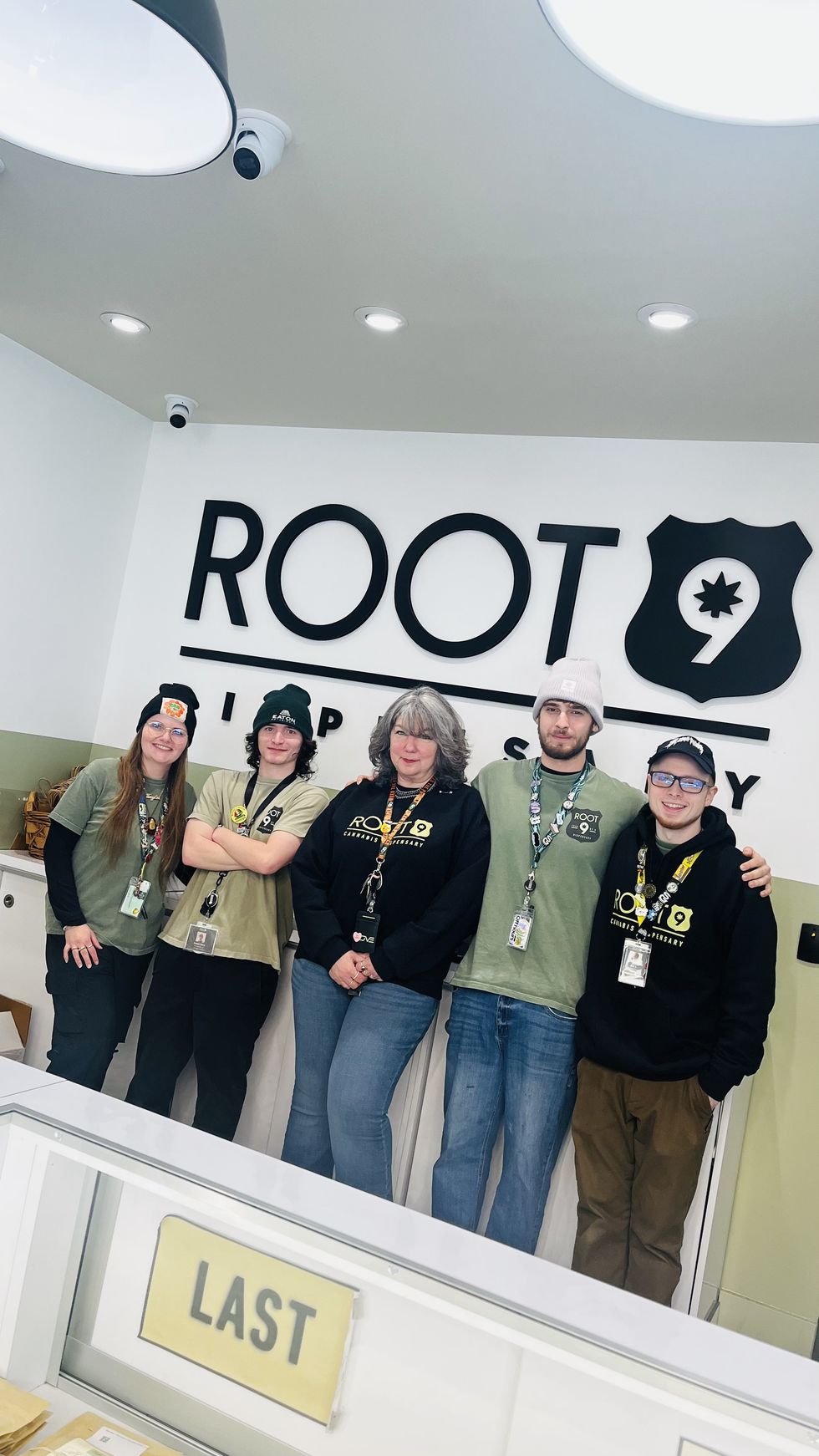
image of staff at Root 9 Dispensary in Wappingers Falls, NY The team of budtenders at Root 9 Dispensary in Wappingers Falls, NY - The BluntnessPhoto courtesy of Root 9 Dispensary in Wappingers Falls, NY
The Brands on the Shelf

Root 9 curates its menu with real intention. Every brand on the shelf was chosen to serve a specific type of consumer, from the first-timer exploring effects for the first time to the experienced consumer who knows exactly what terpene profile they want. Here's what you'll find:

Untitled | One of the most requested brands at Root 9. Untitled is a New York-operation focused on terpene transparency and small-batch cultivation. Their flower is precisely cured, and their vape cartridges use hydro-carbon extraction to preserve the natural cannabinoid and terpene profile of the plant. For consumers who want to know exactly what they're smoking, Untitled delivers it and at a price point that's budget friendly.

Dime Industries | A premium concentrate brand built for experienced consumers who want potency without sacrificing flavor. Dime's live resin and distillate products carry a loyal following among Hudson Valley consumers who've done their homework.

Jetpacks | Infused pre-rolls, THC-A Diamond Infused Flower and concentrates built for consumers who already know what they want and want more of it. Jetpacks operates under a simple premise: take a half-gram or more of strain-specific flower, infuse it with concentrate or Live Resin AND coat it in kief, terpenes, concentrates and/or THC-A Diamonds, and deliver a consistent, high-potency experience at a price that doesn't require an explanation. The concentrate range follows the same philosophy, with Badder, and Diamond formats that preserve real terpene character without inflating the price tag. This is the brand Root 9 reaches for when a customer already knows the basics and is ready to go further.

Ayrloom | Beverages and edibles designed around precise, predictable dosing. Ayrloom is the brand Root 9 reaches for when a customer wants a clean, reliable experience without combustion. Ideal for consumers managing wellness goals or exploring cannabis for the first time through a lower-risk format.

Ruby Farms | Small-batch flower grown with an emphasis on cultivation quality over commercial volume. Ruby Farms products tend to move quickly at Root 9 because the inventory is limited by design. If it's on the shelf, it's worth trying.

Dada Exotics & Dada Daily | Born from New York’s underground smoking culture, Dada was never about hype, it was about respect. Respect for quality. For growers. For the plant. And for the people who truly know what they’re smoking. DADA is craft cannabis, through and through that's doesn’t mass-produce. Every flower drop is small-batch, hand-selected, and meticulously curated to keep the quality high and the consistency tight across all our products. Dada flower isn’t just candy terps from out west. It’s real indoor heat, grown for heads, right here in New York.

Florist Farms | Cannabis grown with a feminine lens and a commitment to intentional cultivation. Florist Farms brings a distinct perspective to the menu and consistently draws customers looking for products that reflect care at the cultivation level, not just at packaging.

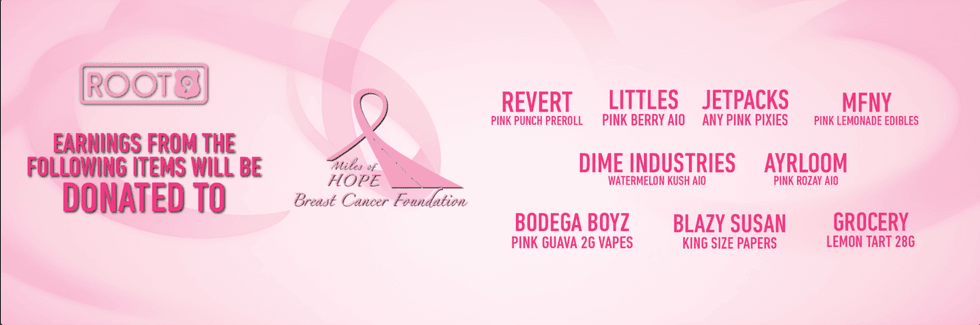
image listing the brands Root 9 Dispensary donates earnings from - Littles, Jetpacks, Ayrloom and others Root 9 Dispensary prides itself on giving back to the community and to good causes such as Miles of Hope Breast Cancer Foundation - The BluntnessPhoto courtesy of Root 9 Dispensary in Wappingers Falls, NY
Staying Ahead in a Moving Industry

Operating a dispensary in New York means operating in a regulatory environment that hasn't stopped evolving. The state's Office of Cannabis Management has updated advertising rules, promotional guidelines, and online sales policies multiple times since adult-use legalization passed. Billboards that were permitted one year were prohibited the next. Promotional listings that couldn't appear online suddenly could.

For a small, family-run operation, that kind of volatility requires genuine attention. Root 9's approach has been to stay close to the information, adapt quickly, and treat compliance as a competitive edge rather than an obligation. The same entrepreneurial instinct that drove the pivot from hemp farming to retail now drives how the team navigates an industry that keeps changing the rules.

What's Next for Root 9

Root 9 is not standing still. Delivery services are in development, and the team has its eye on additional locations as the brand grows its footprint across the Hudson Valley. The goal is to scale without losing the family-first character that made the first location work.

Root 9 is also an active participant in the local Dutchess County community, hosting educational events, supporting local initiatives, and working to normalize cannabis access for the full range of consumers, including those who come in nervous and leave with exactly what they needed.

As New York's legal cannabis market continues to mature, the shops that will last are the ones that built real relationships with their communities before the market got crowded. Root 9 started that work early.

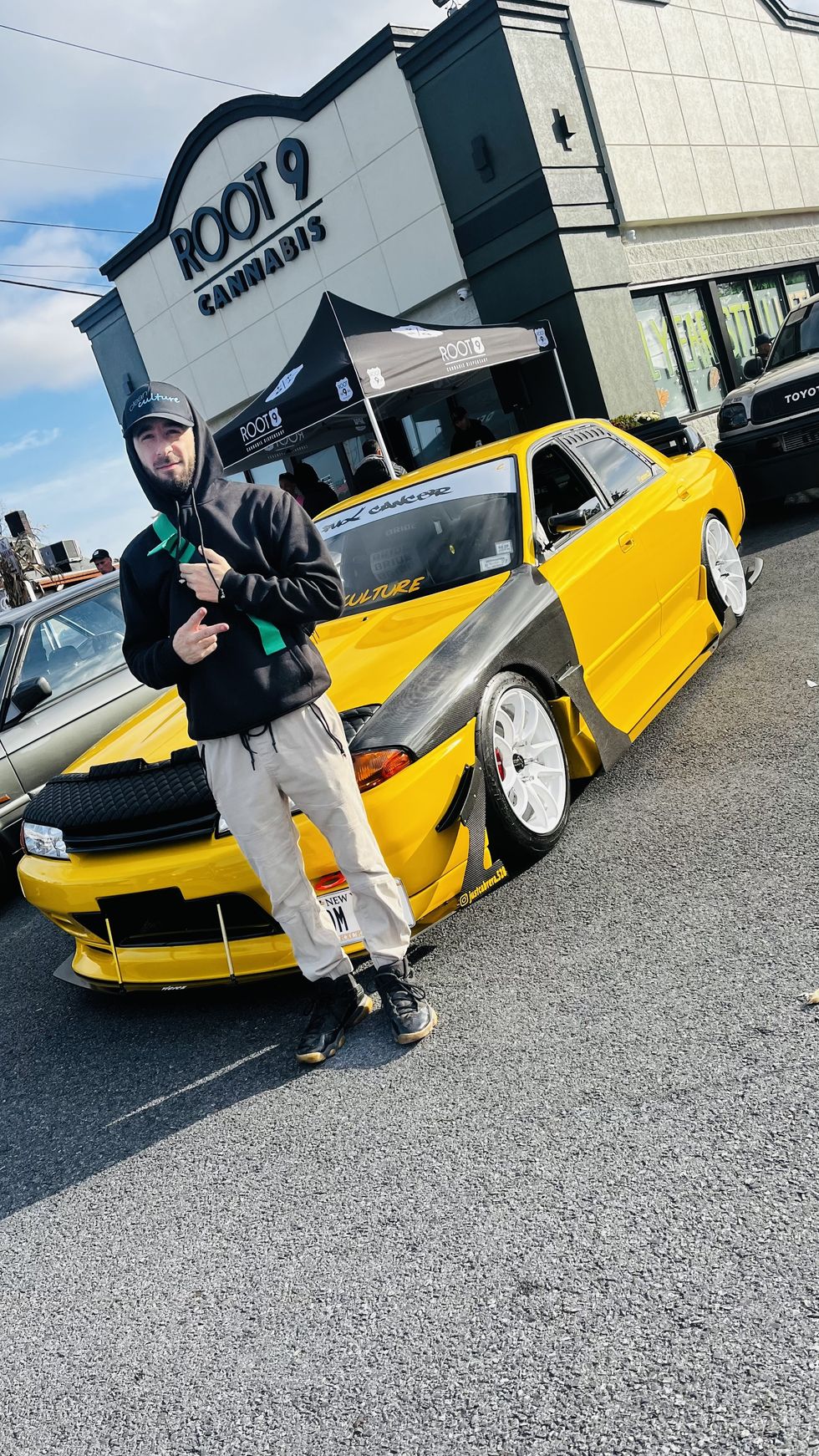
image from Root 9 Dispensary's Cars & Coffee event featuring exotic and classic cars outside it's retail location Root 9 Dispensary hosts events like Cars & Coffee at its store in Wappingers Falls, NY - The BluntnessPhoto courtesy of Root 9 Dispensary
Visit Root 9 Dispensary

Address: 1546 Route 9, Wappingers Falls, NY 12590

Phone: 845-297-9333

Hours: Mon-Thurs 10am-9pm | Fri-Sat 10am-10pm | Sun 11am-7pm

Online Ordering: root9dispensary.com

Curbside Pickup: Yes

OCM License: OCM-CAURD-24-000195

Frequently Asked Questions

Is Root 9 Dispensary licensed in New York?

Yes. Root 9 Dispensary holds OCM adult-use retail license OCM-CAURD-24-000195 and operates in full compliance with New York State Office of Cannabis Management regulations.

Where exactly is Root 9 Dispensary located?

Root 9 is at 1546 Route 9 in Wappingers Falls, NY 12590, in Dutchess County. It sits directly on the Route 9 corridor and is accessible via Interstate 84, making it an easy drive from Poughkeepsie, Beacon, Fishkill, East Fishkill, and Myers Corner.

What dispensaries are near Beacon or Poughkeepsie, NY?

Root 9 Dispensary at 1546 Route 9 in Wappingers Falls is one of the closest OCM-licensed dispensaries to both Beacon and Poughkeepsie. It's a short drive north or south along Route 9 from either city, with curbside pickup and online ordering available at root9dispensary.com.

Does Root 9 offer curbside pickup or online ordering?

Yes on both. Browse the full menu and place an order at root9dispensary.com, then pick up in-store or at the curbside window.

What kinds of cannabis products does Root 9 carry?

Root 9 carries flower, pre-rolls, vapes, concentrates, edibles, beverages, and topicals. Featured brands include Untitled, Dime Industries, Jetpacks, Dada Exotics, Ayrloom, Ruby Farms, High Garden and Florist Farms, among many many others.

Who owns Root 9 Dispensary?

Root 9 is owned by Frank Bocci, Susan Bocci, and their business partner, Danny. Frank and Susan are siblings from Nassau County, Long Island who transitioned from hemp farming into licensed adult-use cannabis retail.

Does Root 9 have a rewards program?

Yes. Root 9 runs a loyalty rewards program where customers earn points on every purchase, redeemable for discounts on future visits.

Is Root 9 a good dispensary for first-time cannabis consumers?

Root 9 is consistently recommended for first-time visitors. The staff is trained to guide new consumers through product selection, effects, and dosing in a pressure-free environment. The shop's flower display cases even let you smell each strain before you buy.

Is Root 9 Dispensary the best cannabis shop in Wappingers Falls?

Root 9 is one of only a handful of OCM-licensed dispensaries in Wappingers Falls and has earned consistent five-star reviews across platforms from customers across Dutchess County. Multiple reviewers have called it the best dispensary they've visited from Massachusetts to Virginia.

Quality Control Dispensary: A Brighton Beach, Brooklyn Legacy Cannabis Operator Goes Legal in 2025
Quality Control Dispensary in Brighton Beach, Brooklyn - The Bluntness
Culture

Brighton Beach Cannabis Legacy

From South Brooklyn Streets to Licensed Retail, Brighton Beach, NYC


Ilusha Kait has been thinking about cannabis quality since before most of today's legal dispensary owners knew what a terpene was. He spent the 1990s and 2000s operating in South Brooklyn's legacy market, building product knowledge in an environment where reputation was everything and there were no second chances. When New York legalized adult-use cannabis, he didn't pivot into the industry. He was already in it. He just finally had the license to prove it.

Opening Quality Control Dispensary in April 2025 marked a fundamental shift. Less risk. More structure. And an opportunity to bring decades of hard-won product expertise into New York's legal cannabis market without compromising on the standards that built his reputation in the first place.

From Legacy Brooklyn Cannabis to Licensed Brighton Beach Dispensary

Quality Control represents a long-term vision that finally met the right moment. This wasn't a spontaneous pivot into legal weed retail. It was premeditated, carefully considered, and patiently executed by someone who understood cannabis culture from the inside out.

"Legal cannabis offers something the legacy market never could," says Lou, as Ilusha is known to his Brighton Beach regulars. "The ability to operate openly, build a sustainable business, and interact with customers without fear. For someone who has seen every version of this market across three decades, that freedom is invaluable."

The Brighton Beach location reflects the diverse, immigrant-heavy community it serves, a neighborhood where cannabis experience levels vary dramatically. Some customers have been consuming for decades and know exactly what they want. Others are just beginning to understand how regulated products differ from traditional sources. Quality Control serves both groups with equal respect, without condescension or marketing fluff.

In communities like Sheepshead Bay, Flatbush, and Gravesend, where cannabis traditions run deep but legal retail is still relatively new, education matters as much as selection. Budtenders at Quality Control focus conversations on what actually counts: terpene profiles, flower quality, aroma, and real effects. Not buzzwords. Not hype.


Why It's Called Quality Control: Real Standards, Not Marketing

The name isn't metaphorical. Quality Control operates around a straightforward filter. If a product doesn't smoke right, vape smoothly, or taste good, it doesn't earn shelf space. Simple as that.

For cannabis flower, that means clean burns, smooth draws, flavorful profiles, and reliable effects. Vape cartridges must deliver easy inhalation without throat irritation and use dependable hardware. Edibles need to taste good, hit predictably, and provide smooth comedowns. These aren't negotiable standards. They're requirements.

"Cannabis brands that simply purchase genetics from others, skip proper phenotype hunting, and rely on marketing hype won't survive long-term," Lou says plainly. "Original breeders and true cultivators will. Super strains come and go with trends. Craft, quality, and consistency endure."

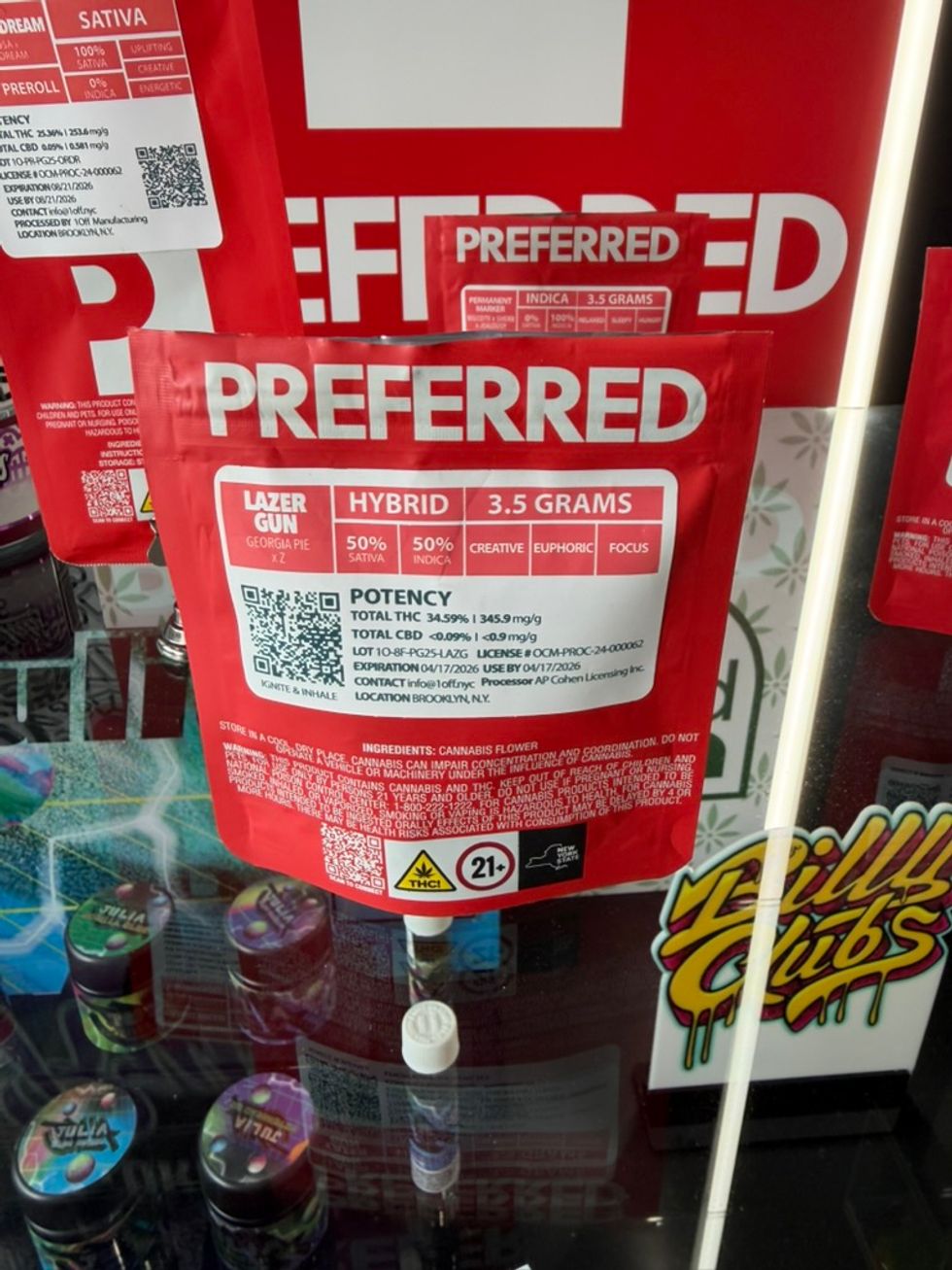
That quality-first approach shapes a menu heavily focused on premium flower, pre-rolls, and vape products, featuring standout brands including J Cannabis, Preferred Gardens, Runtz, Doobie Labs, and MFNY. The selection emphasizes consistency over trends. Products that deliver repeat customers. Everything else gets dropped.

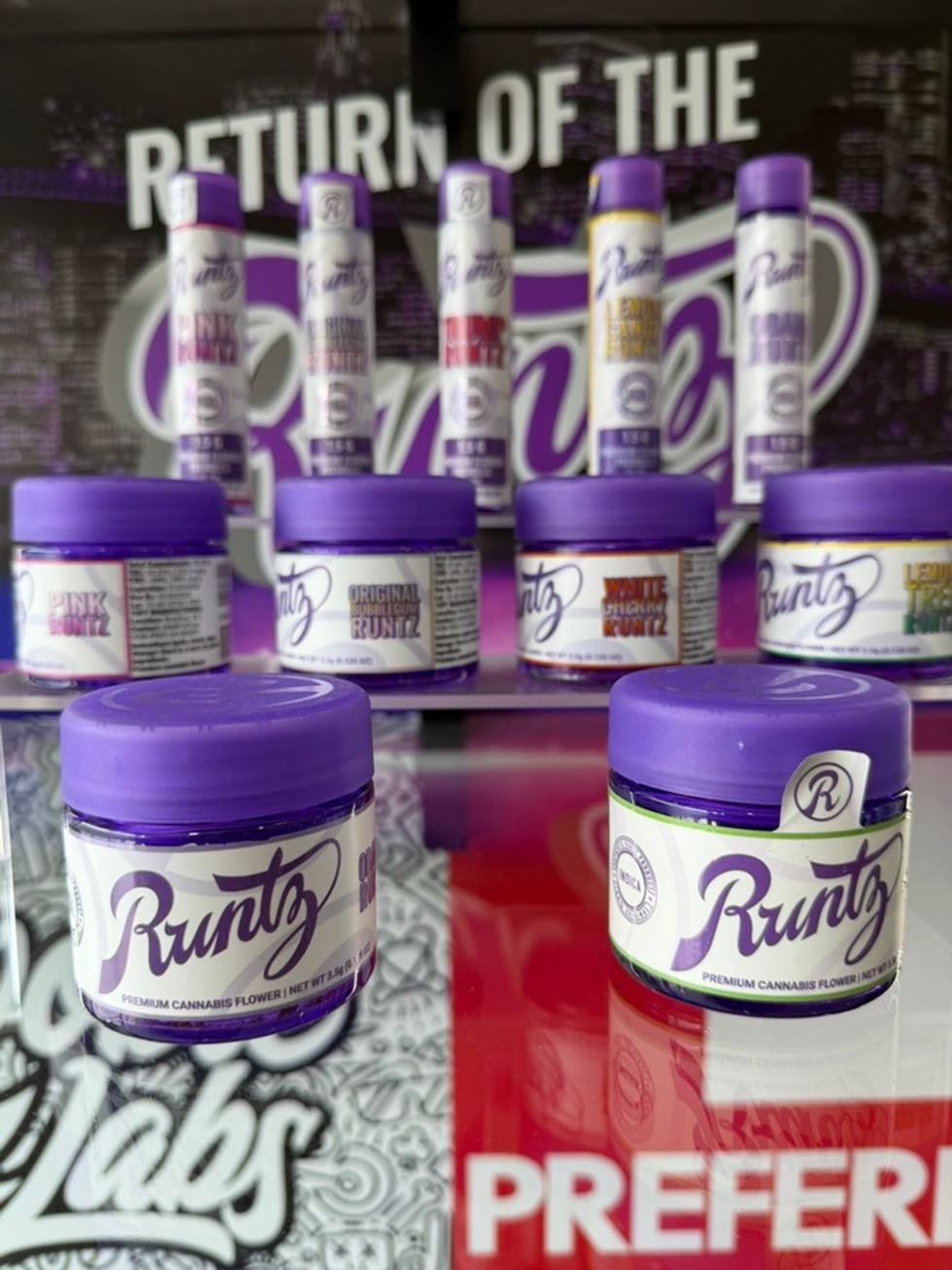
Quality Control Dispensary carries mix of products from leading brands such as Runtz - The BluntnessPhoto provided by Quality Control Dispensary
Nearly 1,000 SKUs, Zero Compromises

Quality Control stocks approaching 1,000 SKUs across cannabis flower, pre-rolls, vape cartridges, and edibles. That depth of selection is a direct product of three decades knowing which cultivators actually deliver, which brands maintain consistency, and which products keep demanding Brooklyn customers coming back.

What separates Quality Control from newer operators is exactly that operational maturity. The store offers customer loyalty programs, cannabis delivery throughout Brooklyn including neighborhoods like Coney Island, Marine Park, and Manhattan Beach, convenient curbside pickup, and an extensive menu, all without losing the personal, knowledgeable service that built the business in the first place.

Staff bring real experience and direct communication. Conversations focus on taste preferences and desired effects, not scripted sales pitches. Customers are treated like informed adults who know what they like or are actively learning their preferences.

This isn't a novelty destination. It's built by and for Brooklyn residents and regular cannabis consumers who put product quality first.

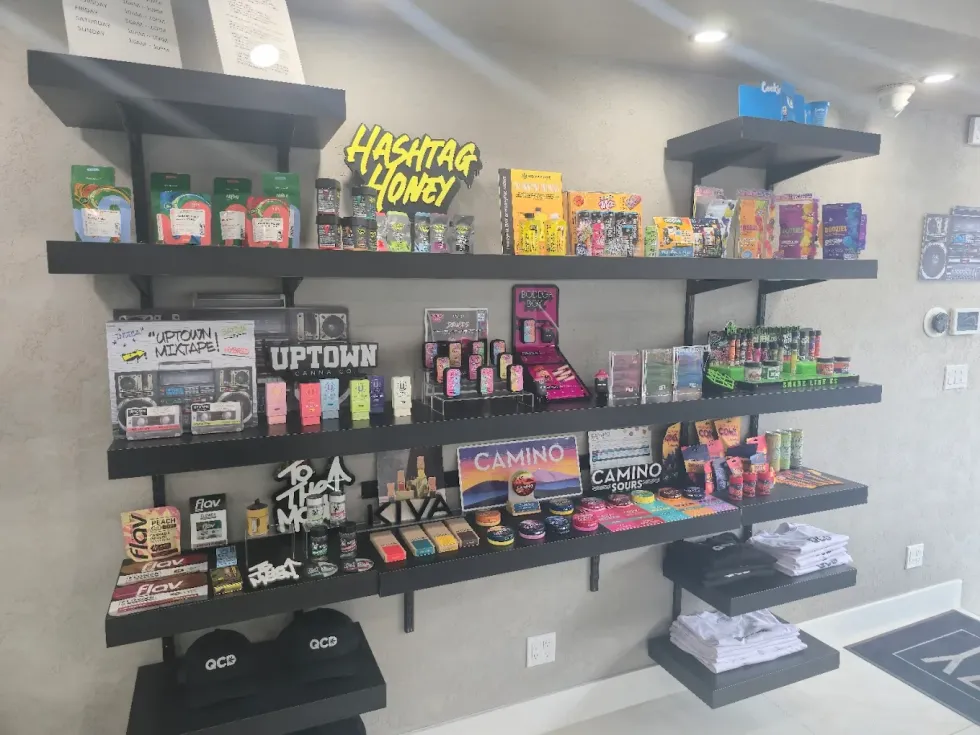
Preferred Gardens flower at Quality Control Dispensary - The Bluntness Photo courtesy of Quality Control Dispensary
Realistic About the Legal Market

Lou is candid about what legal operation actually looks like day to day. Dramatically reduced risk, yes. But also tighter margins and intense price competition that many new operators never see coming.

He doesn't romanticize it. He respects it.

Asked whether he would pursue legal cannabis again knowing everything he knows now, his answer is immediate. Absolutely. "Operating legally means building something real," he says. "Something that lasts. That wasn't always possible before."

Quality Control is proof that legal cannabis doesn't have to forget its roots to succeed. It just has to be run by someone who remembers what quality actually costs to maintain.

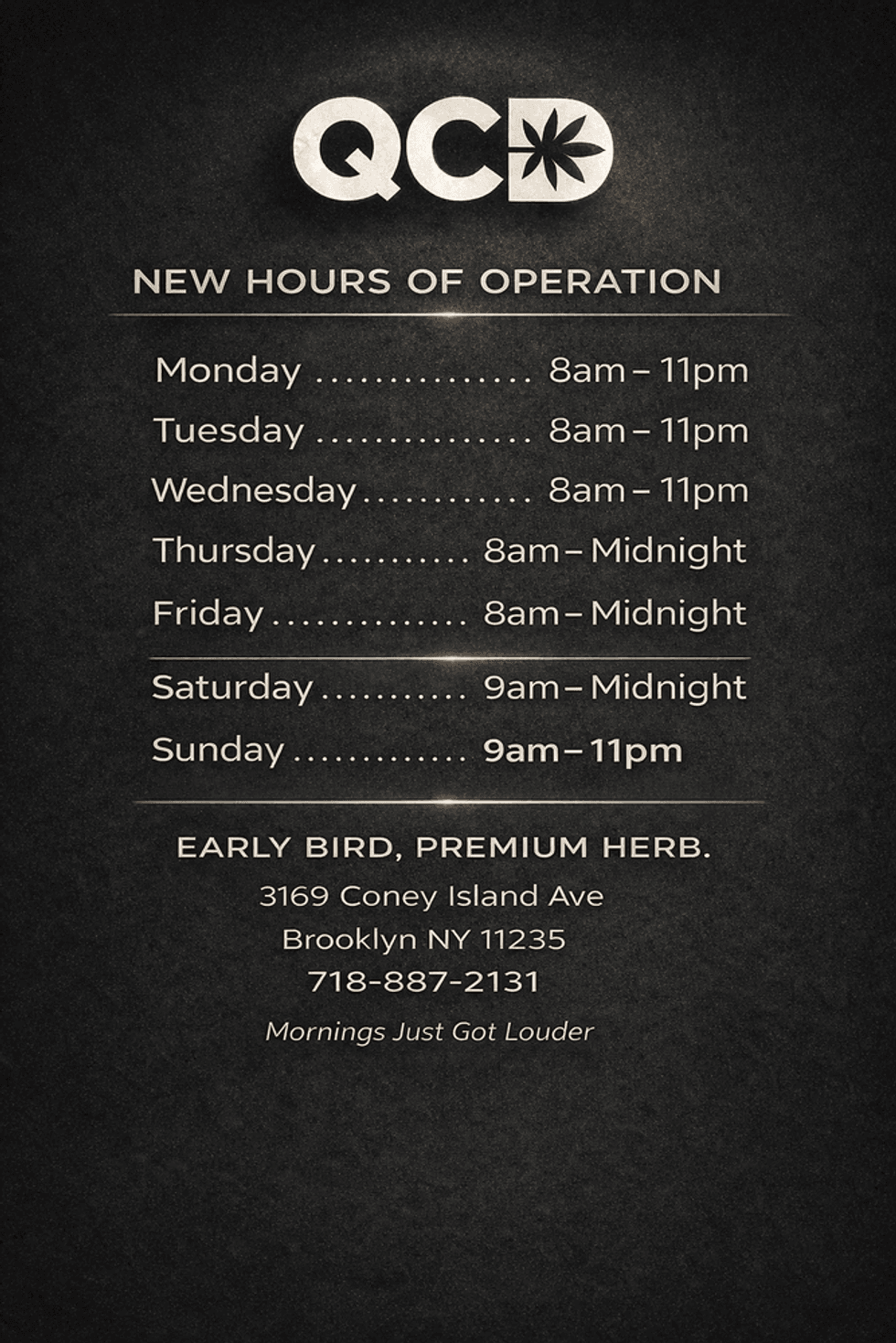
Interior shot of shelves at Quality Control Dispensary in Brighton Beach, Brooklyn - The BluntnessPhoto courtesy of Quality Control Dispensary
A Second Location Coming to Staten Island

A second Quality Control location is now open at 1172 Victory Blvd, Staten Island, NY 10301, bringing the same rigorous product standards and knowledgeable service to a new borough. The core philosophy travels with it. High-quality cannabis, staff who know what they're talking about, and a menu built on performance rather than packaging.

Three decades in. Two locations. Zero compromises on what makes the shelf. For Lou, that's not a brand promise. That's just how it has always worked.

Frequently Asked Questions About Quality Control Dispensary

Where is Quality Control Dispensary located? Quality Control's Brooklyn location is at 3169 Coney Island Ave, Brooklyn, NY 11235, in the Brighton Beach neighborhood. The dispensary serves South Brooklyn communities including Brighton Beach, Sheepshead Bay, Coney Island, Manhattan Beach, Midwood, Gravesend, Gerritsen Beach, Marine Park, Flatbush, and surrounding areas. A second location is now at 1172 Victory Blvd, Staten Island, NY 10301.

Does Quality Control Dispensary offer cannabis delivery in Brooklyn? Yes. Quality Control offers cannabis delivery throughout Brooklyn as well as curbside pickup for customers who prefer to order ahead.

What makes Quality Control different from other Brooklyn dispensaries? Quality Control was founded by someone with three decades of cannabis experience rooted in Brooklyn's legacy market. That translates to genuine product knowledge, strict quality standards, experienced staff, and approaching 1,000 carefully vetted SKUs. The focus is on serving regular consumers, not first-time tourists.

What cannabis brands does Quality Control Dispensary carry? Quality Control stocks premium brands including J Cannabis, Preferred Gardens, Runtz, Doobie Labs, and MFNY, among others. The selection focuses on high-quality flower, pre-rolls, and vape products that meet strict internal standards.

Does Quality Control Dispensary have a loyalty program? Yes. Quality Control offers a customer loyalty program for regular shoppers, along with delivery and curbside pickup options.

What are Quality Control's standards for cannabis products? Flower must burn clean, draw smoothly, taste good, and deliver reliable effects. Vape cartridges must provide easy inhalation without throat irritation using dependable hardware. Edibles must taste good, dose predictably, and deliver smooth experiences. Products that don't meet those standards don't make the menu.

Is Quality Control a licensed dispensary? Yes. Quality Control is a fully licensed adult-use cannabis dispensary operating in compliance with New York State regulations. License number: OCM-RETL-24-000144.

Can staff at Quality Control help me choose products? Absolutely. Quality Control's staff brings decades of combined cannabis experience and provides recommendations based on your taste preferences, budget, and desired effects. The approach is direct, knowledgeable, and focused on what actually matters.

Quality Control Dispensary Licensed Cannabis Retail. Brighton Beach. Staten Island. In-Store Shopping. Brooklyn Delivery. Curbside Pickup. Loyalty Programs.

Brooklyn location: 3169 Coney Island Ave, Brooklyn, NY 11235 (718) 887-2131 qualitycontroldispensary.com

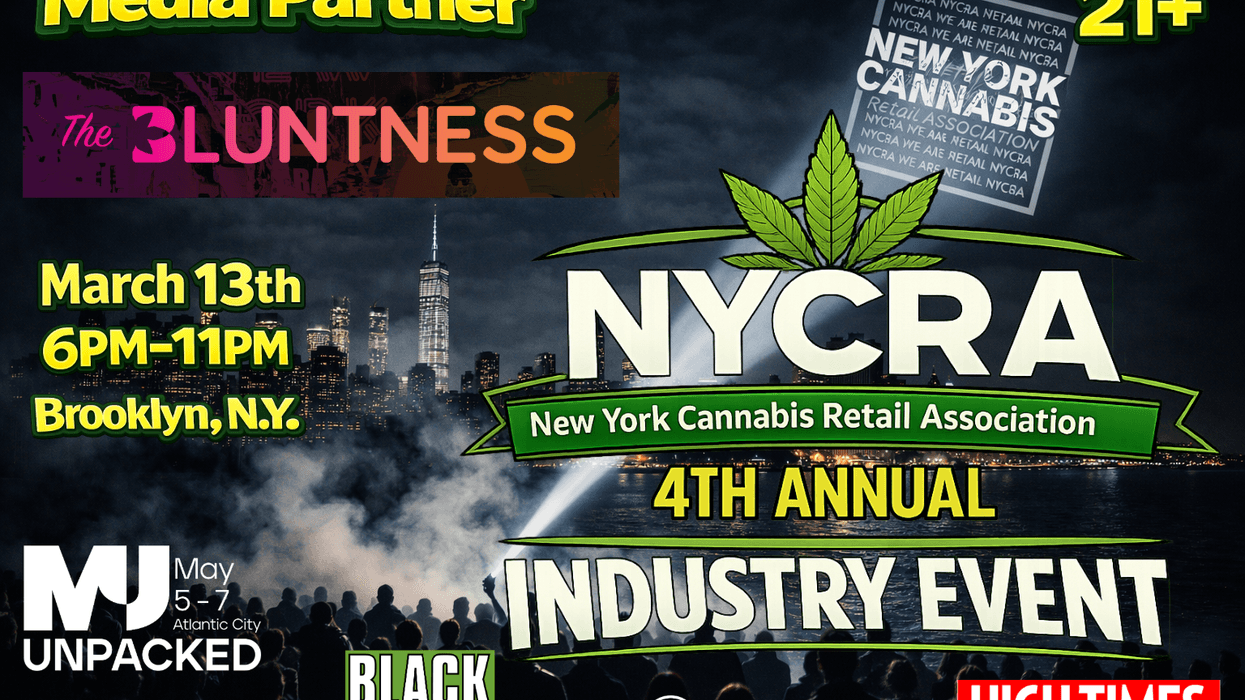
Hours: Monday to Wednesday: 8:00 AM to 11:00 PM Thursday to Friday: 8:00 AM to 12:00 AM Saturday: 9:00 AM to 12:00 AM Sunday: 9:00 AM to 11:00 PM

Staten Island 1172 Victory Blvd, Suite 4, Staten Island, NY 10301 (718) 310-6528 qualitycontroldispensary.com

Monday to Thursday: 9:00 AM to 10:00 PM Friday to Saturday: 9:00 AM to 11:00 PM Sunday: 10:00 AM to 8:00 PM

hours of operation schedule for Quality Control Dispensary in Brighton Beach, Brooklyn Quality Control Dispensary Hours - Brighton Beach, Brooklyn - The BluntnessQuality Control Dispensary
Quality Control Dispensary is a licensed adult-use cannabis retailer. License OCM-RETL-24-000144. Must be 21+ with valid ID to purchase. Please consume responsibly and in accordance with New York State law.

image with logos for several legal cannabis brands, media and organizations in NY
New York Cannabis Retail Association Brings 4th Annual Industry Event to Brooklyn This March
NYCRA 2026
News

NYCRA's 4th Annual Event in Brooklyn!


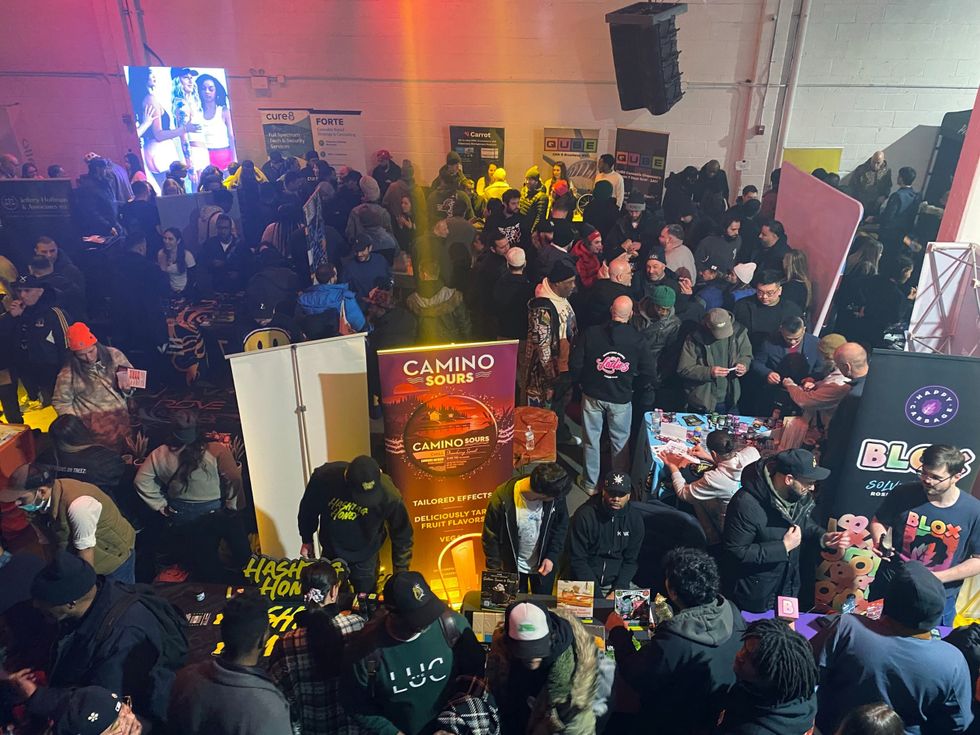
New York's licensed cannabis community is gathering again. On March 13, 2026, the New York Cannabis Retail Association (NYCRA) hosts its 4th Annual Industry Event at The Chocolate Factory in Brooklyn, and this year's turnout is expected to top 1,500 attendees.

That's not just a number. It's a signal.

In a market still fighting for stability, the fact that more licensed operators are showing up each year says something meaningful about where New York cannabis is headed.

What Is NYCRA?

The New York Cannabis Retail Association is a statewide organization built around one core idea: licensed retailers need a seat at the table.

NYCRA supports that through policy advocacy, regulatory transparency, retailer education, supply chain relationship building, and community development. As New York's adult-use market matures, operators continue to wrestle with evolving regulations, compliance pressure, capital constraints, and rising competition. NYCRA sits at the center of those challenges, connecting retailers, brands, and stakeholders who are committed to building something sustainable inside the regulated system.

In plain terms, NYCRA builds rooms where real business gets done.

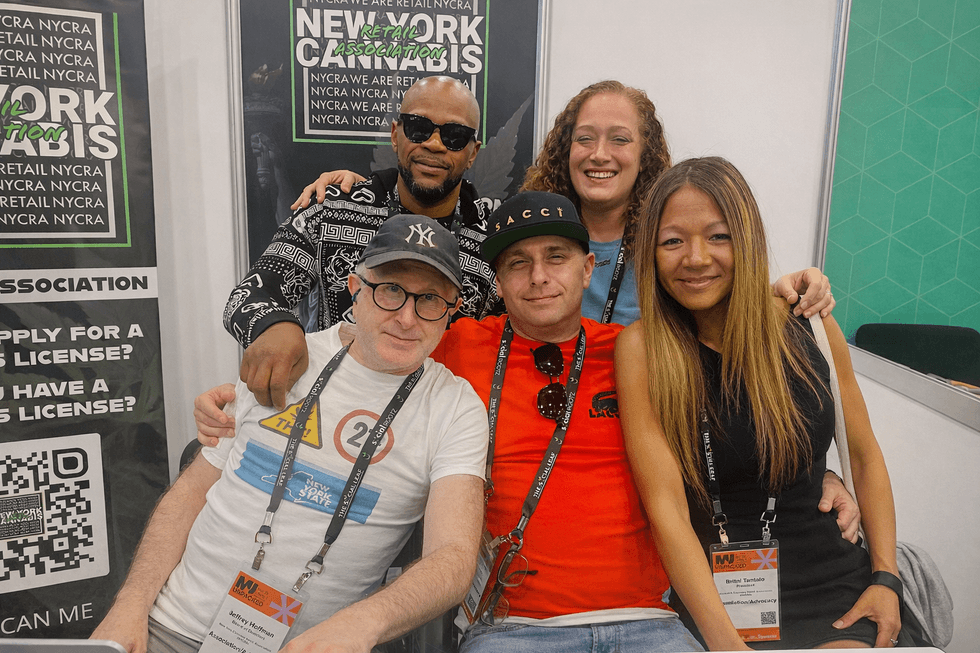
New York Cannabis Retail Association Board Members - The Bluntness
Why This Event Matters Right Now

New York's cannabis market has had a complicated few years. Rapid license issuance, aggressive enforcement against illicit operators, cash flow pressure on retailers, and ongoing regulatory uncertainty have defined the landscape. Brands are competing harder for shelf space. Operators are grinding through compliance demands with limited support.

Against that backdrop, an event like this serves two purposes: it's a business development environment and a much-needed reset.

"This is a defining moment for the New York cannabis community," said Jayson Tantalo, Co-Founder of NYCRA. "In the midst of the chaotic moments we are all facing, this is the perfect time for us to come together, support one another, and celebrate simply being licensed and part of this growing industry."

Award-winning brands including Skyworld and High Peaks, both recognized with High Times Cannabis Cup honors, are expected to attend. Representatives affiliated with High Times will also be present to showcase their latest initiatives.

The focus goes beyond brand showcases. The real work happens in conversations about supply chain relationships, partnership opportunities, and how licensed operators can strengthen their position inside New York's regulated market.

What to Expect on March 13

The event runs from 6:00 pm to 11:00 pm at The Chocolate Factory, 70 Scott Ave, Brooklyn, NY 11237. It is open to attendees 21 and older.

This is not a consumer pop-up. It is a business event built specifically for licensed operators, industry professionals, and accredited media. Attendees can expect direct access to licensed New York cannabis retailers, product showcases and experiential brand activations, strategic networking with decision-makers, media exposure and partnership opportunities, and live entertainment curated by DJ Ruthless, personal DJ to Dave East.

Tickets are available via Eventbrite.

A Media Partner's Take

As a media partner with direct experience at previous NYCRA events, The Bluntness has watched these gatherings evolve into something more consequential than a networking mixer.

"What stands out is not just the crowd size. It's the seriousness of the room. Retailers are not there for hype. They are there to solve problems, build supply chain relationships, and find ways to survive and thrive in one of the most complex cannabis markets in the country. NYCRA has become a stabilizing force for licensed operators who need advocacy, access, and alignment. In a fragmented market, they are building cohesion," said Harrison Wise, founder of The Bluntness.

That cohesion is not optional. In a state where compliance is demanding and capital is tight, licensed retailers need trusted vendor relationships, collective advocacy, shared market intelligence, media visibility, and a genuine sense of community. NYCRA is positioning itself at the center of all of it.

Scenes from a past NYCRA event - The Bluntness
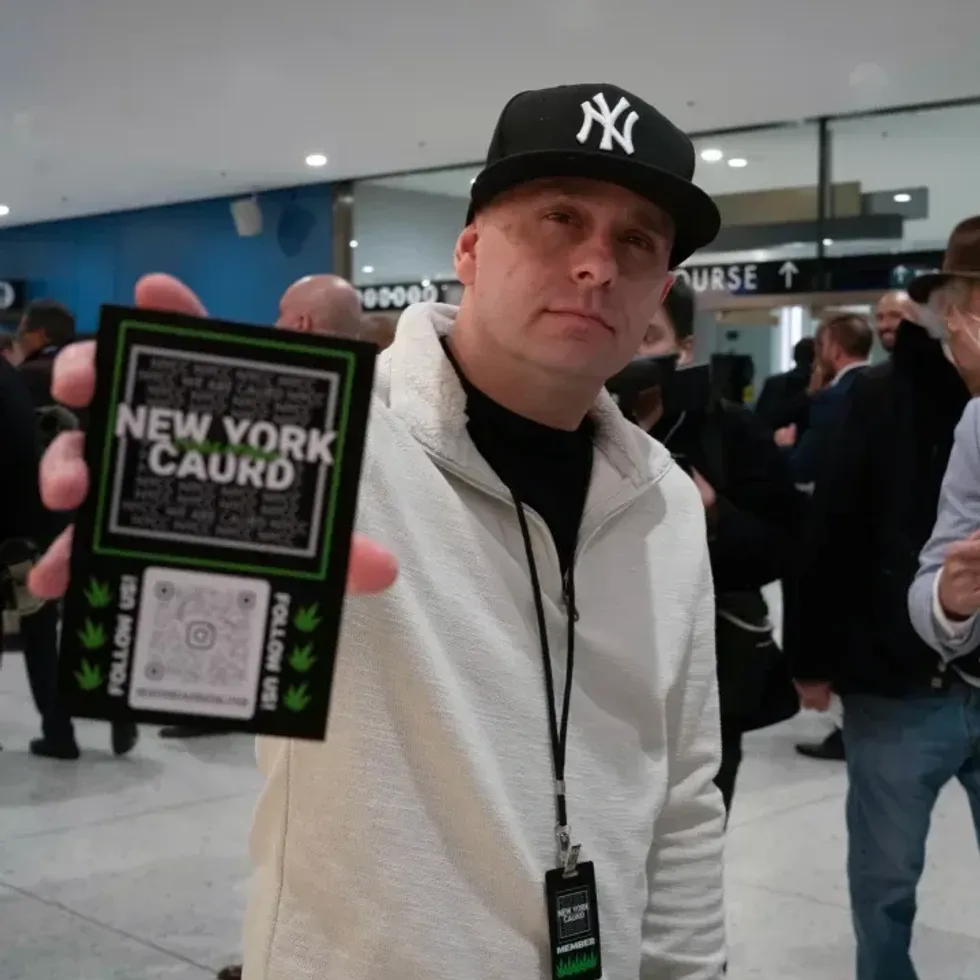
About the Venue

The Chocolate Factory at 70 Scott Ave is a well-known industrial event space in East Williamsburg. Its layout handles large-scale vendor activations, stage programming, and high-density networking without losing the raw, cultural energy that defines New York's cannabis scene.

That aesthetic fits. The space mirrors the industry itself: unpolished, resilient, and still being built.

The Bigger Picture: New York Cannabis in 2026

More licensed dispensaries are opening statewide. Enforcement against unlicensed storefronts is intensifying. Brand competition for retail shelf space is heating up. The market is maturing, and the operators who build the right relationships now are the ones who will have staying power.

Events like NYCRA's 4th Annual are not social gatherings with an industry coat of paint. They are infrastructure. They create the alignment between retailers, brands, media, and advocacy groups that a healthy regulated market depends on.

For licensed operators in Brooklyn, Manhattan, Queens, Long Island, or upstate New York, this is a concentrated opportunity to meet the decision-makers who matter, in one room, in one night.

Event Details

New York Cannabis Retail Association 4th Annual Industry Event The Chocolate Factory, 70 Scott Ave, Brooklyn, NY 11237 March 13, 2026 | 6:00 pm to 11:00 pm | 21+

Follow NYCRA on Instagram: @nycannabisretailassociation Media inquiries: nycannabisretailassociation@gmail.com

NYCRA Co-Founder and VP Operations, Jayson Tantalo

Jayson Tantalo, New York Cannabis Retail Association NYCRA Co-Founder and VP Operations, Jayson Tantalo null

If you're licensed in New York and serious about building inside the regulated system, this is a room worth being in.

Recent