
Skip to content
Search AI Powered

Latest Stories

"Iron" Mike Tyson Talks Psychedelics and Weed Ahead of His Boxing Return

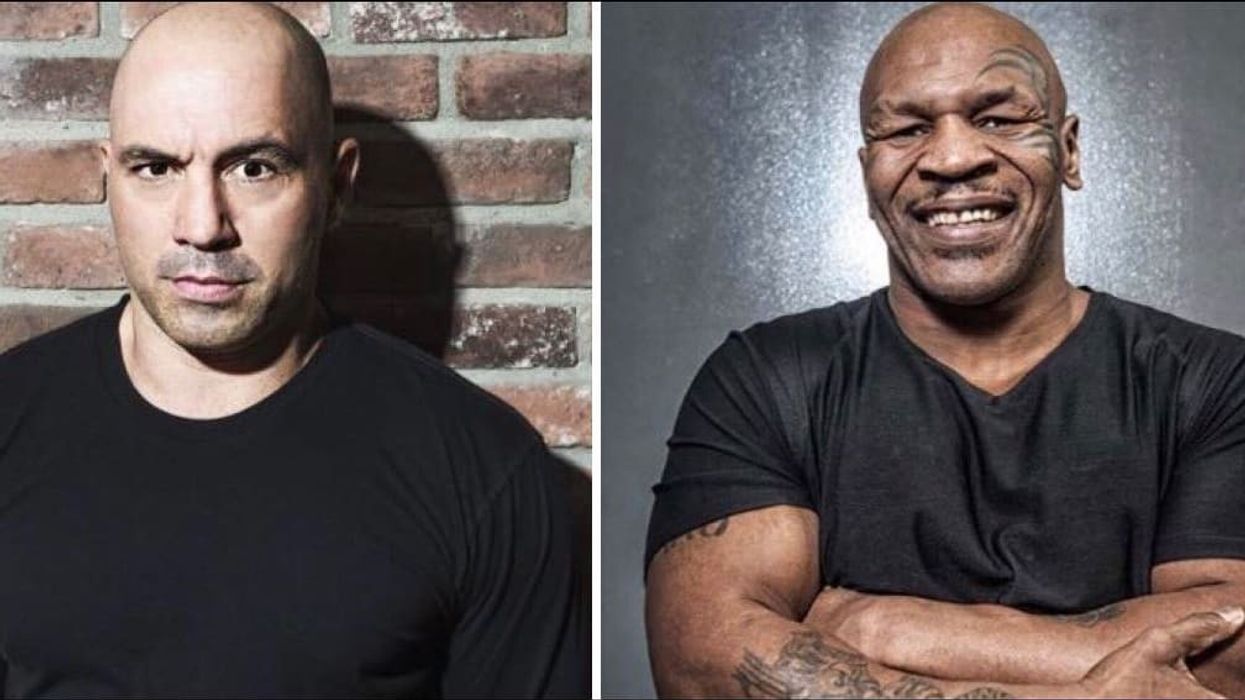
Joe Rogan Experience #1532 - Mike Tyson

In a friendly and wide ranging exchange with Joe Rogan on the Joe Rogan Experience Podcast this week, Mike Tyson revealed how psychedelics helped him get back in shape and expand his perspective and understanding of the universe - past, present and future.

If you're not already aware, Tyson will return to the ring to take part in an exhibition bout against a fellow all-time great Roy Jones Jr., 51, at the Dignity Health Sports Park in Carson, California, on November 28.


Though Tyson smoked marijuana while signing the contract to fight Jones Jr., he said he has pretty much stopped smoking weed while he prepares for the eight-round contest.

After years of substance abuse with drugs including cocaine, Tyson found comfort in marijuana, admitting that it made him a much calmer person.

His discovery of the healing properties of cannabis led him to partner up with businessman Rob Hickman four years ago, who pointed out what a difference weed has made to the ex-boxer's life.

Buoyed by his discovery, Tyson also knew if it could aid him, then others would see the benefits too.

“I thought about how much good I could do by helping people with cannabis," he told Cannabis Tech Today in a previous interview. "It was a no brainer."

It were these revelations that helped Mike Tyson become a weed connoisseur of epic proportions, as demonstrated with a 400-acre farm called Tyson Ranch. Tyson has also been marketing cannabis products since 2016 through his Tyson Holistic label.

But it was his exploration of psychedelics that was most revealing. It was surprising to hear Tyson open up on his substance consumption habits. He admitted to consuming DMT/ Toad, which is a Schedule I narcotic/psychedelic, around 16 or 17 times. This wasn't the first time he's talking about "trippin." He's talked candidly and openly about his experience with "the Toad" last year on Sports Center:


Are you still missing out on The Bluntness newsletter? Sign Up today to stay in the loop.

More For You

11 Movies to Watch While Tripping on Your Next Shroom Trip

11 Movies to Watch While Tripping on Your Next Shroom Trip

Many activities are amplified for the better when you're tripping on magic mushrooms, and watching trippy movies is definitely near the top of that list.

Shrooms provide consumers with an almost otherworldly experience: one where colors are brighter, music is magical, and everything is open to a seemingly unprecedented interpretation.

Keep ReadingShow less
THC comes with more misconceptions than just about any other chemical compound.

What is THC? Your In-Depth Guide

Cannabis is one of the most popular natural medicines and intoxicating substances in history. 

Well-known for its ability to produce a psychoactive “high”, the plant has earned a reputation for itself thanks for its ability to alter consciousness and promote a calm sense of wellness and wellbeing. 

Keep ReadingShow less
Rescheduling vs. Descheduling Marijuana

High Stakes: Rescheduling vs. Descheduling Marijuana – Navigating the New Drug War

In a recent and groundbreaking development just before the U.S. Labor Day weekend, the Department of Health and Human Services (HHS) called upon the Drug Enforcement Agency (DEA) to reassess marijuana's classification under the Controlled Substances Act

This unexpected move sent shockwaves through the cannabis industry, igniting a fervent debate that could reshape the landscape of federal marijuana regulation in the United States.

Keep ReadingShow less
If the THCV cannabinoid can really help with obesity and diabetes, what are we waiting for?

THCV? This Cannabinoid Could Help With Weight Loss and Diabetes

Most of us are familiar with cannabinoids like THC or CBD, but have you ever heard of THCV? Not a lot of research has been done on this novel cannabinoid quite yet, but researchers are already excited about its potential, specifically for people struggling with diabetes and weight issues. 

What is THCV?

Tetrahydrocannabivarin (a.k.a., THCV) is one of more than a hundred cannabinoids found within the cannabis plant, each with its own makeup and potential benefits to health and overall wellbeing.

Keep ReadingShow less
The vast number of different cannabis varieties are a real treat but can be overwhelming to newcomers.
Photo by Jeff W on Unsplash

Different Strains of Weed: How Many Are There?

Sour Diesel. Purple Kush. Amnesia Haze. If you’re a fan of cannabis, you’ve probably noticed that there are many different types to choose from, and most of them have funny names. And yes—they are all different. But, what makes them different, exactly? And how many marijuana strains are there, really? Well, let’s find out. 

What Are Cannabis Strains?

In popular culture, different cannabis cultivars are referred to as “strains.” Each individual strain is a cannabis variety that has been bred for its specific characteristics by a cannabis breeder. So, Granddaddy Purple is a strain. Harlequin is another strain. The former is a sleepy strain that produces a high percentage of the psychoactive tetrahydrocannabinol (THC). The latter is a mellow flower that produces both THC and cannabidiol (CBD). The plants both have different lineages and different characteristics. Hence, they are different strains. 

But, the word “strain” comes with a fair share of controversy. From a scientific perspective, referring to cannabis varieties as “strains” makes very little sense. And yet, “strain” is the word that remains in popular culture. The difference is mainly semantic—in the world of botany, different plant varieties are called cultivars, not strains. The word “strains” is usually reserved for bacteria and viruses, not plants. 

Keep ReadingShow less