
Skip to content
Search AI Powered

Latest Stories

Advocate Says Cannabis Was 'Alternative to Vicodin'

Morris Beegle, President of We Are For Better Alternatives

Sign Up for The Bluntness Newsletter for Your Weekly Dose of Cannabis News


President of WAFBA - We Are For Better Alternatives out of Colorado, Morris Beegle, chatted with theBluntness about his work in the cannabis industry and where he sees himself in the future.


How did you get involved in cannabis?


I have used cannabis recreationally since high school. From there I got involved in the music and entertainment industries and cannabis was prevalent at a lot of functions. I started to use it medicinally in 2009/2010 as an alternative to Vicodin and opiates for back pain. I didn't officially get into the industry until 2012 when my partner Elizabeth Knight and I started Colorado Hemp Company, which in the beginning was focused on hemp t-shirts, hats, bags, and merchandise.    


What is your mission?


From a simple perspective, it's really about making a positive contribution to society and trying to live a purposeful life. I guess the mission would be to be an agent of change.  


Where do you see yourself in the industry in 5 years?


I see myself involved in a variety of projects & businesses within the greater cannabis space as well as participating in larger, more encompassing environmental and ecological initiatives. I want to continue to build our platform and use it to raise awareness about the challenges our species and planet are facing and to introduce innovative solutions that address these challenges so that my kids and their kids and their kids can live on a planet that isn't ruined by human arrogance and negligence.   


What's the biggest challenge of working in the cannabis space and the biggest reward?


It was challenging getting funding/investment the first several years and creating a business from scratch doing zero revenue. And, it's been very rewarding to create multiple hemp brands and multiple events that have helped facilitate and accelerate the growth and development of the industry.

Learn more: www.morrisbeegle.com


www.instagram.com/morrisbeegle


www.facebook.com/officialmorrisbeegle



More For You

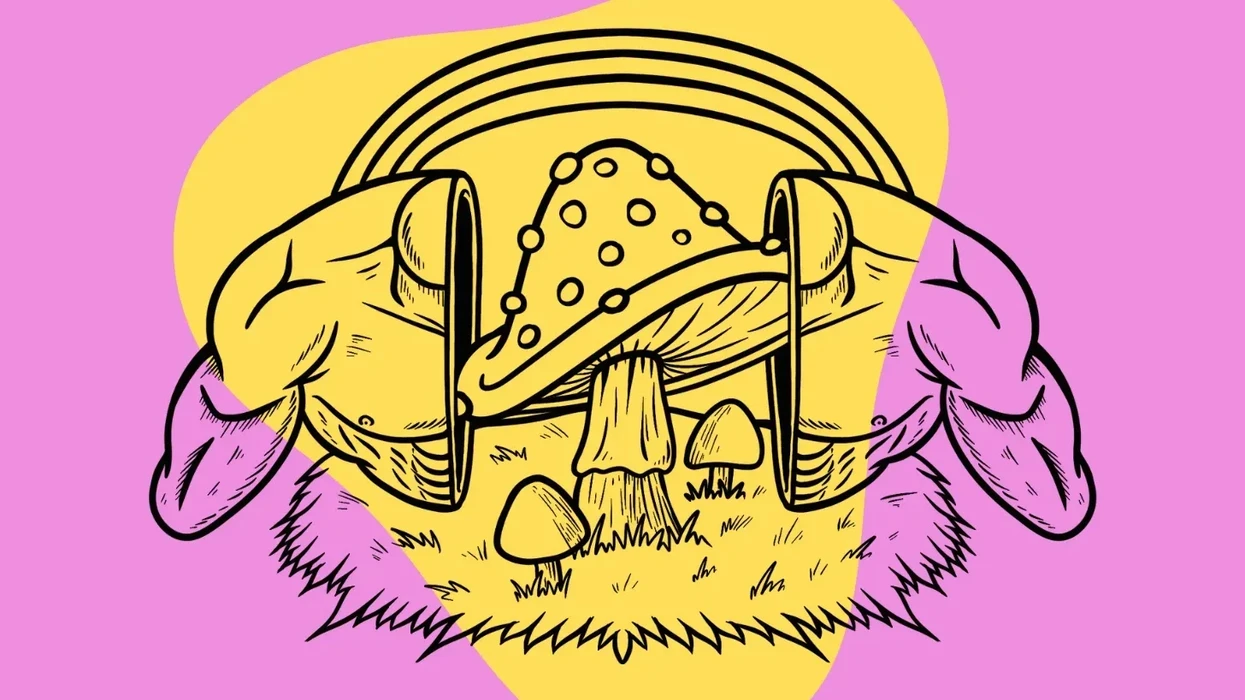
Penis envy shrooms are known for the potent psilocybin levels.

Answered: WTF ... are Penis Envy Mushrooms?

Are Penis Envy Mushrooms Worth the Hype?

Penis envy mushrooms represent one of the world's most potent and widely used psilocybin mushroom strains. They are considered 2-3 times more potent than other strains of Psilocybe cubensis (cubes) and are mostly used for their therapeutic roles for addiction, mental health disorders, anxiety, and depression.  

The name “Penis envy” originated from the unusual growth pattern of its fruiting body that looks like the penis. Contrary to some common myths about the strains, the name “penis envy” has nothing to do with the male reproductive system. 

Keep Reading Show less
THC comes with more misconceptions than just about any other chemical compound.

What is THC? Your In-Depth Guide

Cannabis is one of the most popular natural medicines and intoxicating substances in history. 

Well-known for its ability to produce a psychoactive “high”, the plant has earned a reputation for itself thanks for its ability to alter consciousness and promote a calm sense of wellness and wellbeing. 

Keep Reading Show less
Rescheduling vs. Descheduling Marijuana

High Stakes: Rescheduling vs. Descheduling Marijuana – Navigating the New Drug War

In a recent and groundbreaking development just before the U.S. Labor Day weekend, the Department of Health and Human Services (HHS) called upon the Drug Enforcement Agency (DEA) to reassess marijuana's classification under the Controlled Substances Act

This unexpected move sent shockwaves through the cannabis industry, igniting a fervent debate that could reshape the landscape of federal marijuana regulation in the United States.

Keep Reading Show less
If the THCV cannabinoid can really help with obesity and diabetes, what are we waiting for?

THCV? This Cannabinoid Could Help With Weight Loss and Diabetes

Most of us are familiar with cannabinoids like THC or CBD, but have you ever heard of THCV? Not a lot of research has been done on this novel cannabinoid quite yet, but researchers are already excited about its potential, specifically for people struggling with diabetes and weight issues. 

What is THCV?

Tetrahydrocannabivarin (a.k.a., THCV) is one of more than a hundred cannabinoids found within the cannabis plant, each with its own makeup and potential benefits to health and overall wellbeing.

Keep Reading Show less
The vast number of different cannabis varieties are a real treat but can be overwhelming to newcomers.
Photo by Jeff W on Unsplash

Different Strains of Weed: How Many Are There?

Sour Diesel. Purple Kush. Amnesia Haze. If you’re a fan of cannabis, you’ve probably noticed that there are many different types to choose from, and most of them have funny names. And yes—they are all different. But, what makes them different, exactly? And how many marijuana strains are there, really? Well, let’s find out. 

What Are Cannabis Strains?

In popular culture, different cannabis cultivars are referred to as “strains.” Each individual strain is a cannabis variety that has been bred for its specific characteristics by a cannabis breeder. So, Granddaddy Purple is a strain. Harlequin is another strain. The former is a sleepy strain that produces a high percentage of the psychoactive tetrahydrocannabinol (THC). The latter is a mellow flower that produces both THC and cannabidiol (CBD). The plants both have different lineages and different characteristics. Hence, they are different strains. 

But, the word “strain” comes with a fair share of controversy. From a scientific perspective, referring to cannabis varieties as “strains” makes very little sense. And yet, “strain” is the word that remains in popular culture. The difference is mainly semantic—in the world of botany, different plant varieties are called cultivars, not strains. The word “strains” is usually reserved for bacteria and viruses, not plants. 

Keep Reading Show less