
Skip to content
Search AI Powered

Latest Stories

Hilarious Public Education Ads Take Aim At Driving High on Edibles

Do Anything But Drive after consuming cannabis edibles, says the CAA
Courtesy of CAA

The Canadian Automobile Association (CAA) has launched a series of Public Service Announcements (PSA's) warning young Canadians to the dangers of driving after consuming cannabis edibles. The campaign, Do Anything But Drive, carries a simple message for these recreational users: if you’re going to do edibles, do anything but drive.

Cannabis edibles were legalized throughout Canada last fall – about a year after nationwide legalization and sales. CAA was one of the organizations consulted by the government during the legalization debate.


“There is no gray area or room for debate. Cannabis edibles stay in your system longer and can produce some really varied reactions that can be skewed by a multitude of factors, including how much food is in your stomach," said Jeff Walker, President and CEO, CAA North & East Ontario.

The message of the ads is simple: if you are consuming a cannabis edible, then do not – under any circumstances – consider getting behind the wheel.

Jeff Walker, President & CEO of CAA

“Cannabis consumption delays your reaction time, putting yourself and others on the road at greater risk for collisions, which can be deadly, while cannabis edibles can produce stronger, different and longer reactions. It’s simply not safe to drive after consuming them, ” added Walker.

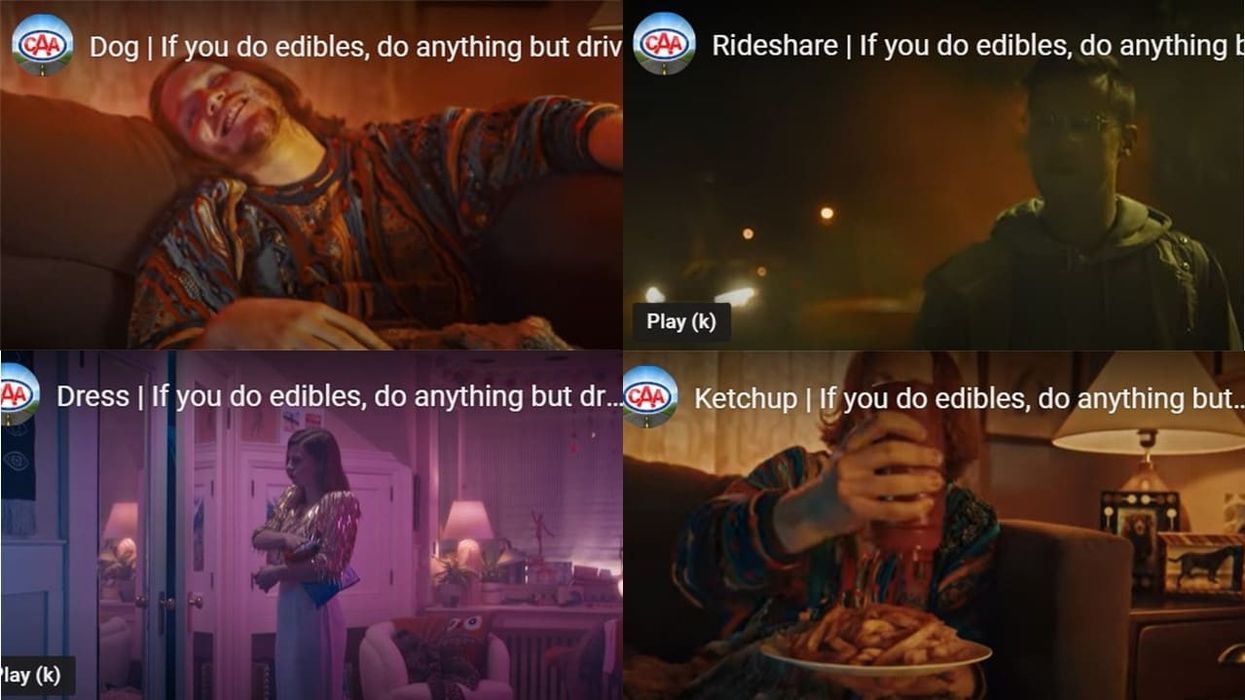
Although the campaign relies on the typical "stoner" type to convey its message, the PSA's do take a light-hearted approach to highlight the importance of planning ahead after ingesting cannabis. As opposed to most American PSA's, the campaign falls short of pushing abstinence or the evils of drug use.

We all could use a laugh so take look.

1. DOG

2. DRESS

3. RIDESHARE

4. KETCHUP

The need for the campaign is clear as CAA research shows that 20% of 18-24 year-old Canadians have driven high or been in a vehicle with a high driver. In another poll, 50% of young Canadians think it is safe to drive less than five hours after consuming cannabis, while 12% believe their driving is better or at least the same after consumption.

Public health authorities warn that it can take anywhere from half an hour to two hours to feel the effects of cannabis edibles and up to four hours for the full impact. Cannabis edibles can also stay in your system for up to 12 hours, emphasizing the importance of planning ahead before consumption.


Are you still missing out on The Bluntness newsletter? Sign Up today to stay in the loop.

More For You

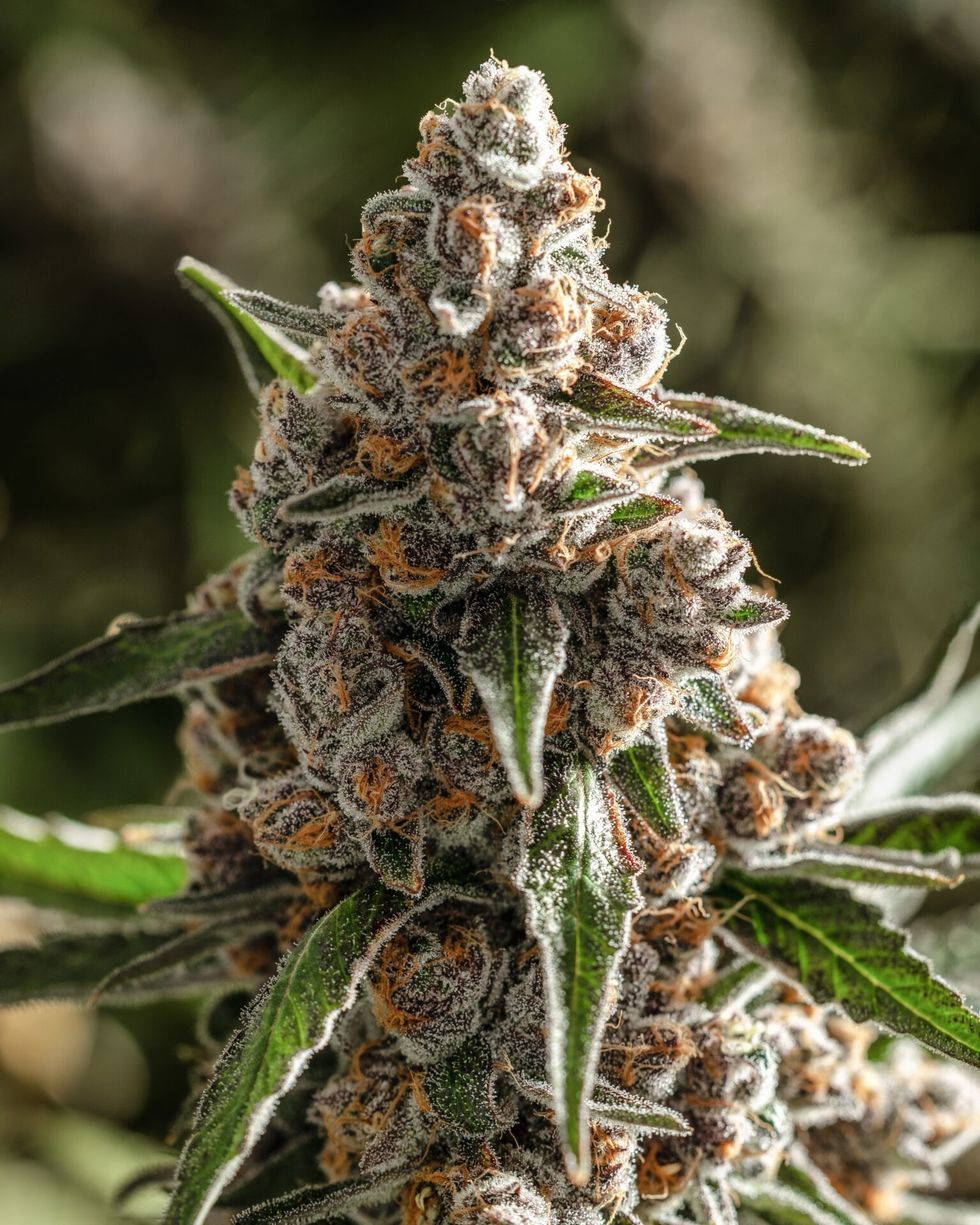
Super Boof: 2024 Strain of the Year

Super Boof Strain: 2024 Strain of the Year - The Bluntness
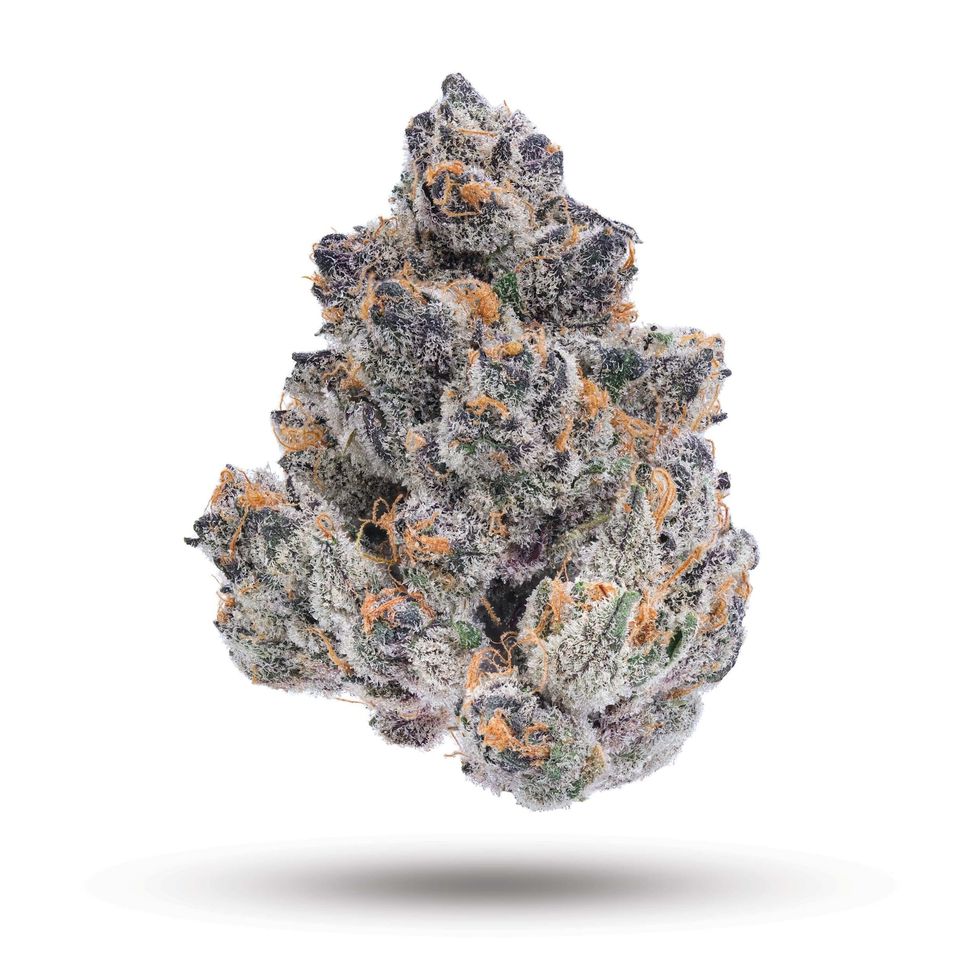
2024's Top Strain: Super Boof

Super Boof at a Glance

What You're GettingThe Details
Hybrid TypeBalanced 50/50 hybrid
THC RangeMid to high 20s% (some batches push 30%+)
CBD ContentLess than 1%
Signature FlavorTangy orange, sweet cherry, nutty undertones
Key TerpenesLimonene, Myrcene, Caryophyllene
Primary EffectsGiggly, euphoric, focused, sociable
Ideal UseDaytime creativity through evening socializing
GeneticsBlack Cherry Punch × Tropicana Cookies
BreederBlockhead (San Diego)
Original NameBlockberry
Flowering Time8-10 weeks

The Accidental Phenomenon That Became Strain of the Year

Here's something most people don't realize about Super Boof: the name that eventually won Leafly's 2024 Strain of the Year wasn't even the breeder's original choice.

San Diego cultivator Blockhead created this Black Cherry Punch and Tropicana Cookies cross as "Blockberry" - a straightforward nod to his breeding handle and the cherry genetics. But as cuts circulated through California's cannabis community, "Super Boof" caught on instead. The internet loves what the internet loves, and sometimes a less refined name just sticks.

Keep ReadingShow less
If the THCV cannabinoid can really help with obesity and diabetes, what are we waiting for?

THCV? This Cannabinoid Could Help With Weight Loss and Diabetes

Most of us are familiar with cannabinoids like THC or CBD, but have you ever heard of THCV? Not a lot of research has been done on this novel cannabinoid quite yet, but researchers are already excited about its potential, specifically for people struggling with diabetes and weight issues. 

What is THCV?

Tetrahydrocannabivarin (a.k.a., THCV) is one of more than a hundred cannabinoids found within the cannabis plant, each with its own makeup and potential benefits to health and overall wellbeing.

Keep ReadingShow less
Weed Makes Me Antisocial: What To Do - The Bluntness

Weed Makes Me Antisocial: What To Do - The Bluntness

Weed Makes Me Antisocial: Help!

Many people can relate to the experience of “hitting a wall” socially. Introverts, you especially know what I mean. But when self-enforced isolation is weed-induced, does that mean it’s time to reconsider a few habits or routines? Maybe even take a break from weed entirely?

Cannabis has long been negatively associated with laziness and haziness, and although that isn’t always the case with cannabis consumers, it also isn’t that far off from the truth if you haven’t optimized your regimen. Marijuana use, in particular, has occasionally been linked to various mental health and behavioral effects, such as anxiety, paranoia, and antisocial behavior, while also being linked to alleviating these same symptoms. So it's important to understand how cannabis works with and for your body and needs.

Keep ReadingShow less
The vast number of different cannabis varieties are a real treat but can be overwhelming to newcomers.
Photo by Jeff W on Unsplash

Different Strains of Weed: How Many Are There?

Sour Diesel. Purple Kush. Amnesia Haze. If you’re a fan of cannabis, you’ve probably noticed that there are many different types to choose from, and most of them have funny names. And yes—they are all different. But, what makes them different, exactly? And how many marijuana strains are there, really? Well, let’s find out. 

What Are Cannabis Strains?

In popular culture, different cannabis cultivars are referred to as “strains.” Each individual strain is a cannabis variety that has been bred for its specific characteristics by a cannabis breeder. So, Granddaddy Purple is a strain. Harlequin is another strain. The former is a sleepy strain that produces a high percentage of the psychoactive tetrahydrocannabinol (THC). The latter is a mellow flower that produces both THC and cannabidiol (CBD). The plants both have different lineages and different characteristics. Hence, they are different strains. 

But, the word “strain” comes with a fair share of controversy. From a scientific perspective, referring to cannabis varieties as “strains” makes very little sense. And yet, “strain” is the word that remains in popular culture. The difference is mainly semantic—in the world of botany, different plant varieties are called cultivars, not strains. The word “strains” is usually reserved for bacteria and viruses, not plants. 

Keep ReadingShow less
Getting you ready for your first magic mushroom trip - The Bluntness

Getting you ready for your first magic mushroom trip - The Bluntness

How Long Do Shrooms Last? Magic Mushroom Guide for Beginners

In 2022, general interest in magic mushrooms has spiked to unprecedented levels not seen since the 1960s. Thanks to research showing promising results for patients, lawmakers a handful of states and cities already have or are considering loosening psilocybin restrictions.

A few states such as Oregon have fully legalized psilocybin treatment for all adult patients, while others want to limit it to veterans or others with PTSD.

Keep ReadingShow less