
Skip to content
Search AI Powered

Latest Stories

NORML Says Cannabis Legalization a Key Step Toward Racial Equality

NORML Says Cannabis Legalization  a Key Step Toward Racial Equality

Could cannabis legalization be an important first step in addressing America’s systemic race issues?

That's what The National Organization for the Reformation of Marijuana Law (NORML), believes, according to a recent article by The Fresh Toast.

In a blog post on norml.org entitled “Marijuana Legalization and the Fight for Racial Justice,” Erik Altieri, NORML Executive Director addressed the murder of George Floyd by Minneapolis Police Officers and its context in history:

“As the events of the past few days have unfolded, it is clear that America is in the midst of a long overdue reckoning with itself. Since 1619, when the first ships arrived on the coast of Virginia with enslaved Africans in chains, our country has long had to struggle to address the inequality and structural racism embedded within our public institutions — particularly within the criminal justice system.”


This is indeed still evident in the cannabis industry. Despite legalization in some states, Black American are four times more likely than white Americans to be arrested for marijuana possession violations and “two-to-three times more likely to have their vehicles searched,” according to Norml.org.

Concurrently, two-thirds of Americans believe cannabis should be federally legal, according to Norml.org.

Altieri went on to explain how federal legalization could be a small step toward addressing racial inequality issues in the United States:

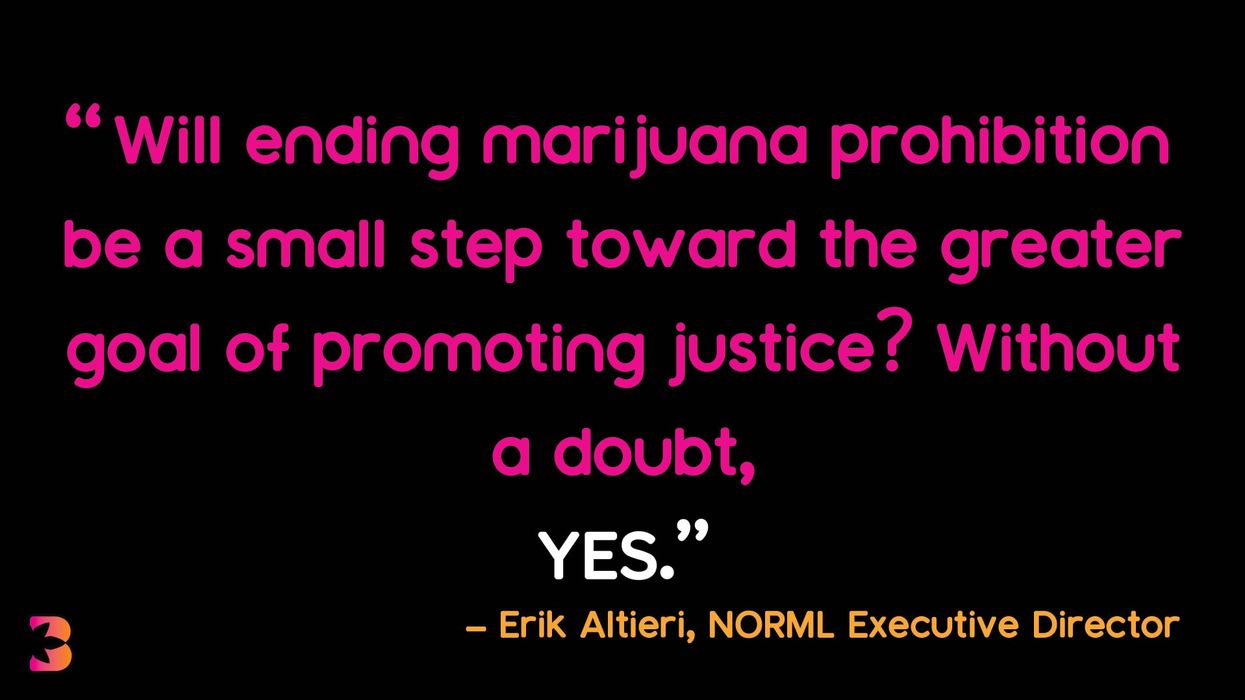
“Will legalizing marijuana reform alone solve the problem of racial injustice? No. Is ending cannabis prohibition going to fix all of America’s social ills? No. After we legalize adult-cannabis use, will we see an end to discriminatory policing against communities of color and other marginalized groups? No. Will ending marijuana prohibition be a small step toward the greater goal of promoting justice? Without a doubt, yes.”

Read the full post here.
More For You

Ranking Magic Mushrooms by Potency
Tripsitter

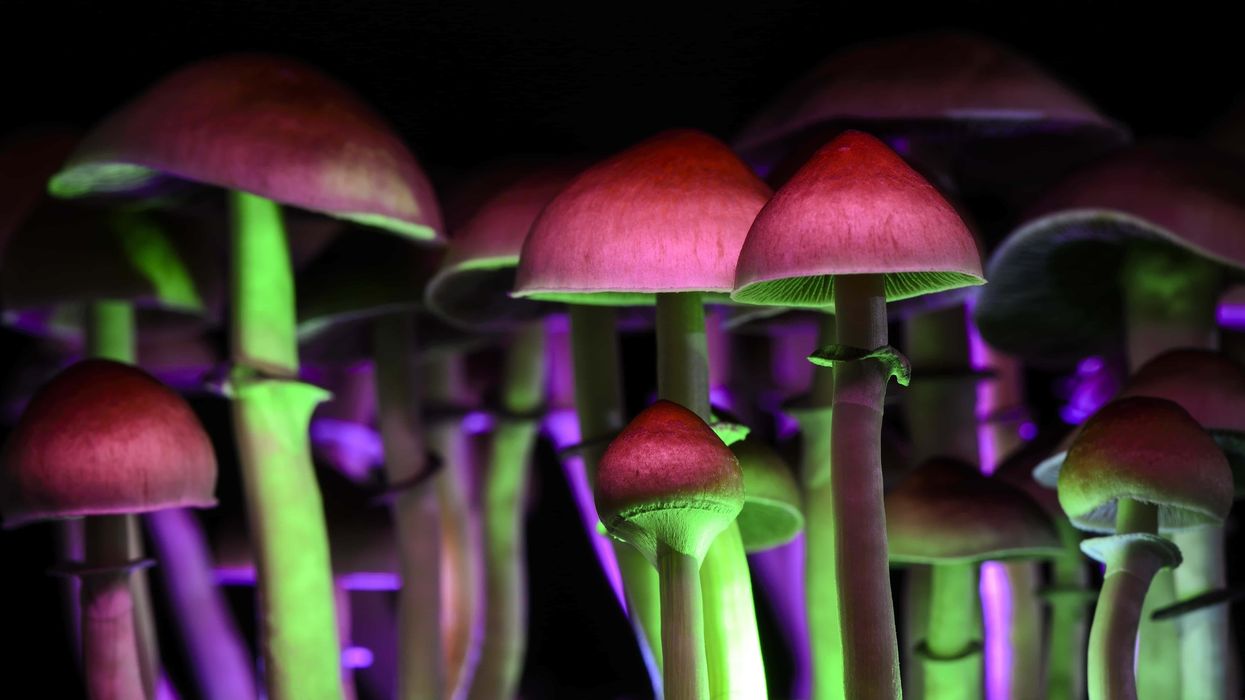
Shroom Showdown: Ranking Magic Mushrooms by Potency

From  Psilocybe azurescens to Psilocybe cubensis   — the potency of magic mushrooms varies greatly.

A single gram of one species is enough to shift reality on its axis — the same amount of another may be barely perceptible.

Keep Reading Show less
If the THCV cannabinoid can really help with obesity and diabetes, what are we waiting for?

THCV? This Cannabinoid Could Help With Weight Loss and Diabetes

Most of us are familiar with cannabinoids like THC or CBD, but have you ever heard of THCV? Not a lot of research has been done on this novel cannabinoid quite yet, but researchers are already excited about its potential, specifically for people struggling with diabetes and weight issues. 

What is THCV?

Tetrahydrocannabivarin (a.k.a., THCV) is one of more than a hundred cannabinoids found within the cannabis plant, each with its own makeup and potential benefits to health and overall wellbeing.

Keep Reading Show less
Rescheduling vs. Descheduling Marijuana

High Stakes: Rescheduling vs. Descheduling Marijuana – Navigating the New Drug War

In a recent and groundbreaking development just before the U.S. Labor Day weekend, the Department of Health and Human Services (HHS) called upon the Drug Enforcement Agency (DEA) to reassess marijuana's classification under the Controlled Substances Act

This unexpected move sent shockwaves through the cannabis industry, igniting a fervent debate that could reshape the landscape of federal marijuana regulation in the United States.

Keep Reading Show less
Getting you ready for your first magic mushroom trip - The Bluntness

Getting you ready for your first magic mushroom trip - The Bluntness

How Long Do Shrooms Last? Magic Mushroom Guide for Beginners

In 2022, general interest in magic mushrooms has spiked to unprecedented levels not seen since the 1960s. Thanks to research showing promising results for patients, lawmakers a handful of states and cities already have or are considering loosening psilocybin restrictions.

A few states such as Oregon have fully legalized psilocybin treatment for all adult patients, while others want to limit it to veterans or others with PTSD.

Keep Reading Show less
The vast number of different cannabis varieties are a real treat but can be overwhelming to newcomers.
Photo by Jeff W on Unsplash

Different Strains of Weed: How Many Are There?

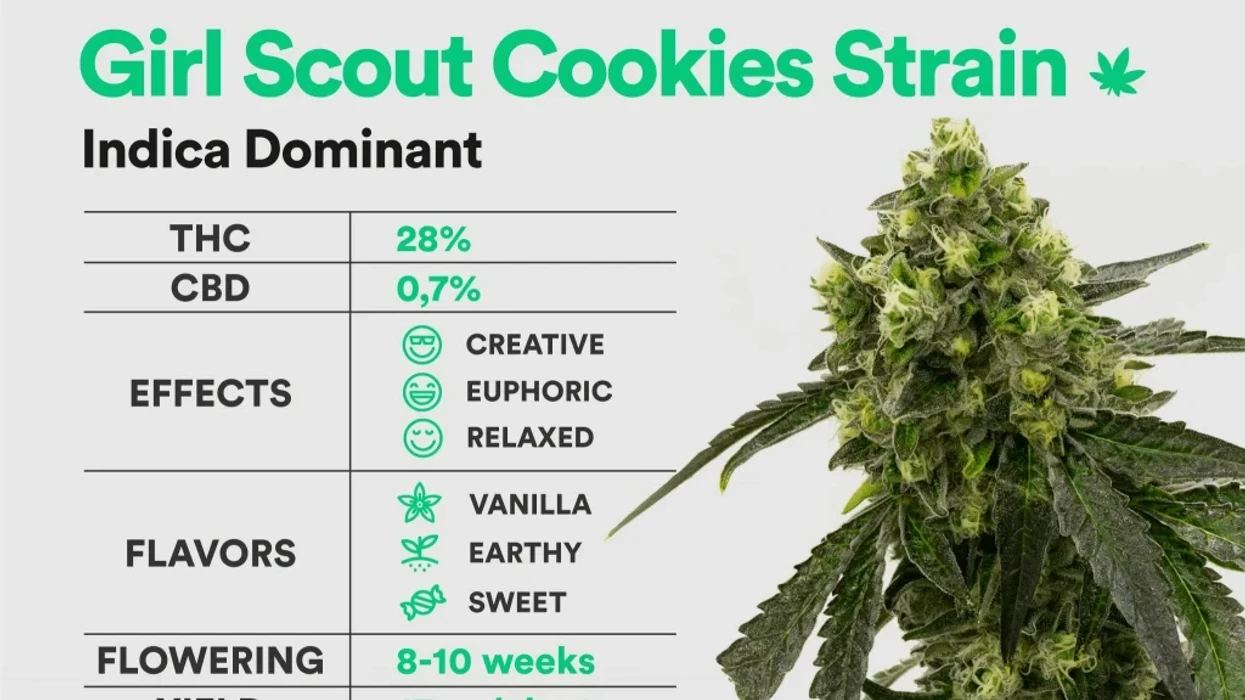
Sour Diesel. Purple Kush. Amnesia Haze. If you’re a fan of cannabis, you’ve probably noticed that there are many different types to choose from, and most of them have funny names. And yes—they are all different. But, what makes them different, exactly? And how many marijuana strains are there, really? Well, let’s find out. 

What Are Cannabis Strains?

In popular culture, different cannabis cultivars are referred to as “strains.” Each individual strain is a cannabis variety that has been bred for its specific characteristics by a cannabis breeder. So, Granddaddy Purple is a strain. Harlequin is another strain. The former is a sleepy strain that produces a high percentage of the psychoactive tetrahydrocannabinol (THC). The latter is a mellow flower that produces both THC and cannabidiol (CBD). The plants both have different lineages and different characteristics. Hence, they are different strains. 

But, the word “strain” comes with a fair share of controversy. From a scientific perspective, referring to cannabis varieties as “strains” makes very little sense. And yet, “strain” is the word that remains in popular culture. The difference is mainly semantic—in the world of botany, different plant varieties are called cultivars, not strains. The word “strains” is usually reserved for bacteria and viruses, not plants. 

Keep Reading Show less