Skip to content
Search AI Powered

Latest Stories

Videos

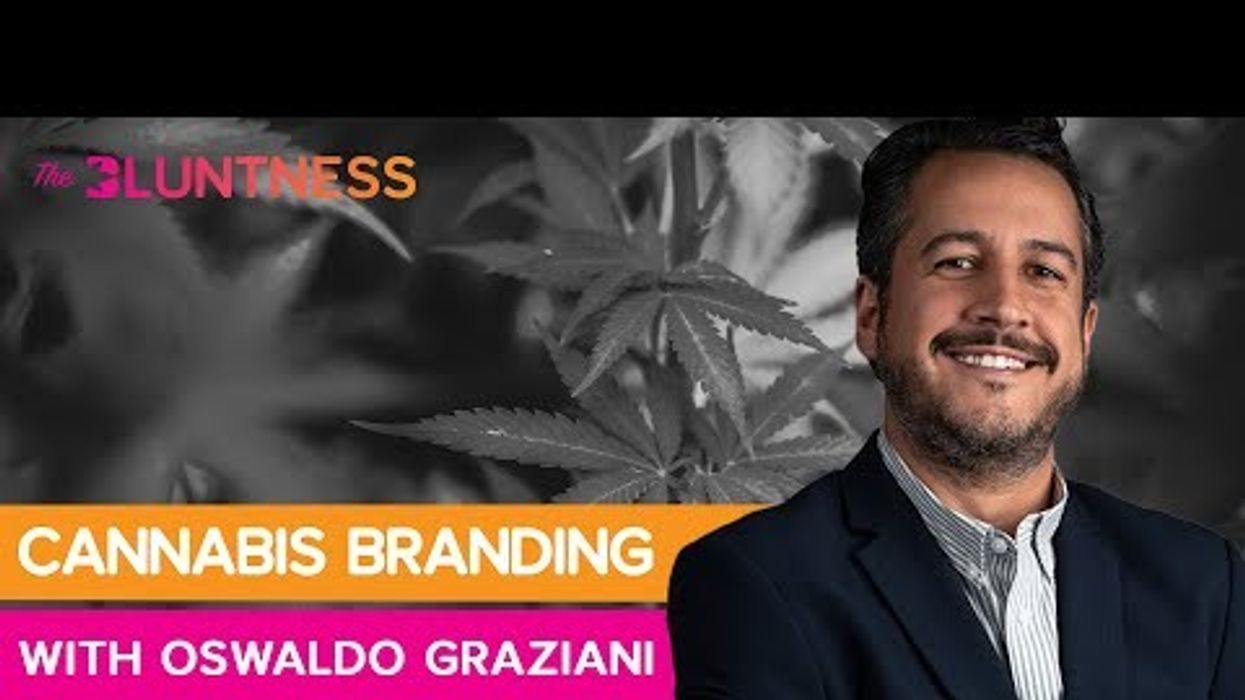
Cannabis Branding with Oswaldo Graziani | The Edge presented by The Bluntness
Bluntness Media
Industry

WATCH: The Secrets of Cannabis Branding & Marketing

How to create a cannabis brand from scratch? How to build and market a brand that will attract loyal customers?

The industry is full of exciting opportunities for marketers and creatives – as long as one can navigate the nuances and pitfalls.


The Bluntness recently sat down with Oswaldo Graziani, Creative Marketing Director at Fluent for a crash course in cannabis branding and marketing.

It was a riveting talk full of important tips that every cannabis business will want to know.

For the full talk, check out the video above. For the highlights, check out the article below.

The New Wave of Cannabis Branding & Marketing

When Graziani first started researching the cannabis industry, he noticed a kind of obsession with cannabis culture and the cannabis plant.

“Let’s call it the first wave of cannabis branding, this old-school approach that is completely important and necessary, but it does not necessarily show the full picture of the cannabis consumer nowadays,” he says.

“So my mission with Fluent was to create a brand that was prepared for the future, embracing all these different demographics that were jumping in.”

For Graziani, this has been the perfect challenge given his background in storytelling and content development for different demographics.

And although his experience has served him well in cannabis, that doesn’t mean success has come easy.

“I felt that I lost all my superpowers.”

Graziani quickly learned that he wouldn’t be able to fully rely on a lot of the tools he’d previously used to engage the market. Social media restrictions against cannabis are a great example.

“I basically felt that I lost all my superpowers. All the things I did to build audiences and to create connections were completely gone,” he notes.

“And we were fighting this battle of shadow banning censorship, and basically, a huge gray area of not understanding where the rules are, which has been a big challenge.”

Marketing challenges like this in cannabis require extra creativity, the ability to pivot and find alternative ways to connect with consumers.

Part of the solution here involves going back to the basics, like email and texting. And consumers appreciate this direct connection, where there’s no middleman filtering everything, Graziani says.

“Having said that, it’s still complicated…we’re part of this huge transition with cannabis, and it’s becoming normal. It will take a while, but we are moving in the right direction.”

The Blank Canvas of Cannabis Branding & Marketing

The cannabis industry is currently seeing more demand for brand creation, marketing, and storytelling, but why now?

Graziani offers a perfect analogy to illustrate the shift.

If you walk into a gas station to make a purchase, there is very little brand loyalty. You’re looking for a basic commodity, and the biggest factors are location and pricing.

The cannabis industry started there, Graziani explains, and the average consumer’s purchasing decisions weren’t that sophisticated.

But it has evolved fast.

“Now it’s becoming more like the auto industry where you have different ranges of prices, needs, colors, you know,” he says, emphasizing that branding, positioning, and finding your market has become a critical focus point for cannabis operators.

“For anybody that is a creative developer or somebody that's obsessed with branding, packaging, messaging, it is a huge opportunity,” Graziani says.

As the cannabis industry continues to experience rapid growth, this demand for creative developers will only continue to rise.

“I see it on my team. My team started out as me and another person four years ago, and now we're more than 10 people, just a marketing department doing marketing stuff,” he adds.

Before You Start Branding and Marketing Your Cannabiz

One of the common mistakes Graziani has observed in the cannabis industry is worth noting.

“A good brand can only survive with inventory and consistency on their product and availability,” he advises.

“You see all these brands that are amazing, and you go to California looking for them and it’s almost like a quest; it’s impossible to find them.”

These brands are doing a better job showing that the brand exists than actually making the product.

“Successful companies in the industry are the ones solving production and inventory first and using that as a platform to build brands,” Graziani says.

“If you do it the other way around, you're going to fail. The main actor in this industry is the product. It's all about having product and trying to build a brand around that.”

Key Challenges for Cannabis Brands

One of the biggest challenges in cannabis marketing today: establishing customer loyalty.

“Internally, we’ve talking about it so much,” Graziani reveals. “When you have the product quality and good pricing, they will come. The community is very good at finding their places on social media, you know, Weedmaps or Leafly.”

It’s that second visit, he says, where you know you can build a relationship with the customer.

“So we're focusing heavily on building an ecosystem, with a loyalty program, customer service, product availability, so many, many things, but retention is one of the most important things.”

The other complicated challenge, especially for multistate operators, is the varying regulations from one state to the next.

“It's a different planet,” he says of the regulations. “You have all these incredible, even contradictory rules. You have to basically set up your brain to every market you're playing in, and they are completely different.”

This impacts everybody, marketing teams, production teams, retail – an extraordinary set of challenges that don’t exist for other industries.

“For cannabis, this makes it incredibly difficult to operate. But you know, it's part of the reality of the industry right now,” he says.

The Growing Demographics of Cannabis

The demographics of the cannabis consumer have expanded incredibly over the past 20 to 30 years.

“The picture of the cannabis consumer right now is incredibly diverse, not only for gender, identity, or age. Cannabis is medicine and that’s a very important part,” Graziani says.

“It’s much more than cultural, it’s a tool that can make you a better version of yourself. And that applies to whatever you want to be. If you are a person that has chronic pain, cannabis is going to make you a better version of yourself because it’s going to help you with that issue.”

Same for anxiety or insomnia, or if you’re a creative person and need some inspiration.

“So that talks to all demographics, it expands the pool incredibly, and that's where branding becomes important,” Graziani says.

Women, for example, are a huge demographic in cannabis. “But then when you go and see branding for women in cannabis, you're starting to see more and more, but it's definitely not balanced yet. It's not even close. There's a huge gap there.”

Seniors are another great example. “We see that here in Florida. They are embracing cannabis for the right reasons and the numbers are incredible. And their stories are absolutely awesome. Yet, there are very few brands and companies thinking about that.”

A lot of brands instead focus on the culture side of cannabis, which is important, too. “Brands like Cookies and Jungle Boys, they’re the main engine right now in the industry, so that is incredibly important as well.”

In states like Florida, where cannabis operators are required to vertically integrate (growing, processing, manufacturing, and packaging everything in-house) that it doesn’t always make sense to niche down like this.

It really depends on the size of your license.

“Fluent is an operation of 400+ employee. When you’re that big … you can’t afford to tackle one niche, you have to go big, you have to think about everybody,” Graziani says.

“In FLUENT we’re creating brands for all these demographics that we think are incredibly valuable, you know, from heavy users, to classic flower users, to value consumers that are looking more for volume than for quality, people who are looking for concentrates or edibles, and then gender-based marketing, you know, there's a lot there.”

Need a little more Bluntness in your life? Sign Up for our newsletter to stay in the loop.

Up Next

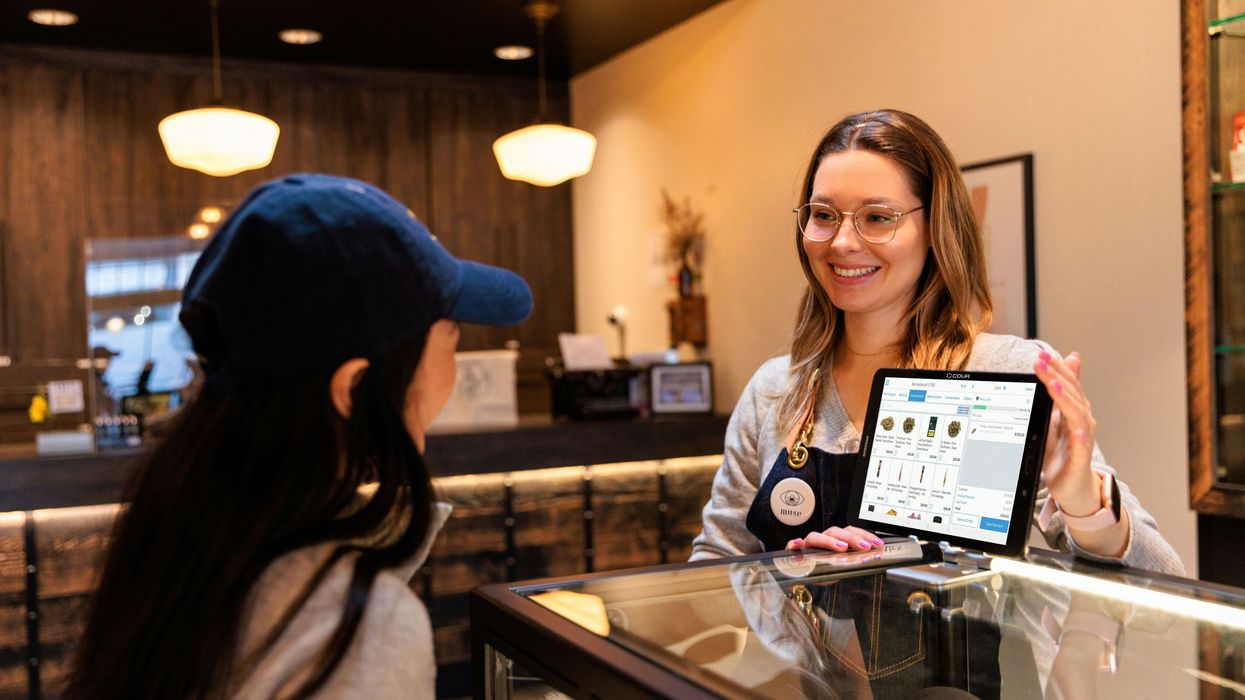
a woman showing a tablet to another woman at a cannabis dispensary

a woman showing a tablet to another woman

Photo by Cova Software on Unsplash
Industry

How to Become a Budtender: Complete Career Guide & Salary Information

What Is a Budtender? Role Definition & Overview

A budtender is a specialized cannabis retail professional who educates customers about marijuana products, provides personalized recommendations, and processes compliant sales transactions in licensed dispensaries. Think of a budtender as a cannabis sommelier—combining deep product knowledge with exceptional customer service in the rapidly growing legal cannabis industry. It's worth noting that, there is a category of specialization called a Ganjier that is more akin to cannabis sommelier than a traditional budtender.

The legal cannabis market is projected to reach $73.6 billion by 2027, creating thousands of budtender jobs across 38+ states and territories with legalized cannabis programs.

Who Should Read This Budtender Career Guide?

This comprehensive guide is designed for:

  • Career changers exploring opportunities in the cannabis industry
  • Recent graduates seeking entry-level positions with growth potential
  • Retail workers transitioning to specialized cannabis sales
  • Cannabis enthusiasts interested in professional dispensary careers
  • Anyone researching how to become a budtender with no experience

What You'll Learn About Becoming a Budtender

  • Complete budtender job description and daily responsibilities
  • Essential cannabis knowledge: strains, products, and consumption methods
  • Step-by-step process to get budtender certification and licensing
  • Budtender salary expectations and career advancement opportunities
  • Skills required to succeed in cannabis retail positions

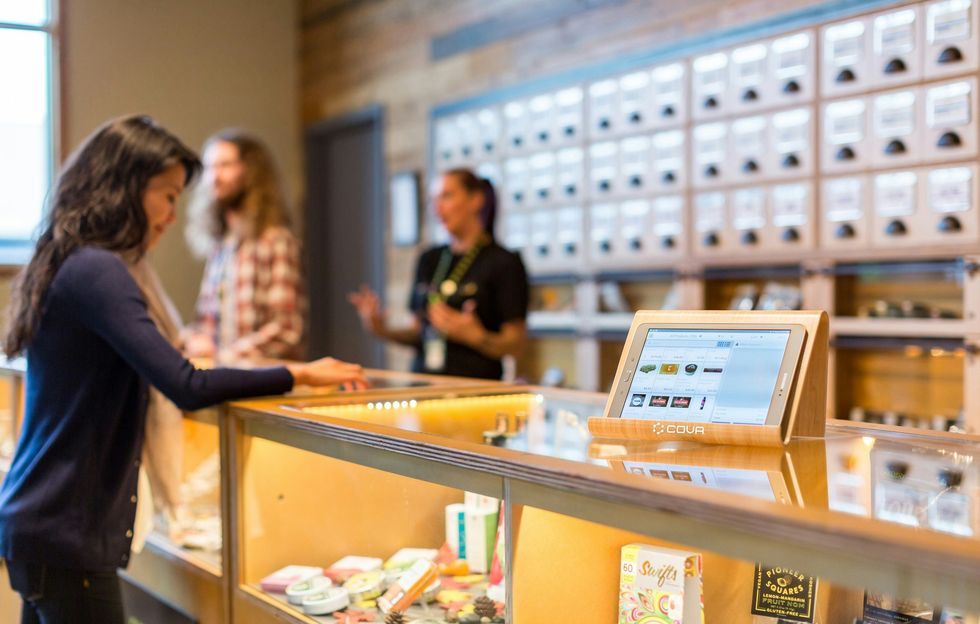
a woman standing at a counter in a legal cannabis store How to Become a Budtender: Complete Career Guide & Salary Information - The Bluntness Photo by Cova Software on Unsplash

Budtender Job Description: Core Responsibilities & Daily Tasks

What Does a Budtender Do? Primary Duties

Customer Education & Product Knowledge

Budtenders serve as trusted educators who explain cannabis products to customers with varying experience levels. Core educational responsibilities include:

  • Teaching the differences between indica, sativa, and hybrid cannabis strains
  • Explaining consumption methods: flower, edibles, concentrates, topicals, and tinctures
  • Clarifying THC and CBD ratios, terpene profiles, and dosage guidelines
  • Guiding first-time users on safe cannabis consumption practices
  • Answering questions about cannabis effects, onset times, and duration

Personalized Product Recommendations

Successful budtenders match customers with appropriate cannabis products based on individual needs:

  • Conducting consultative conversations to understand customer goals
  • Recommending strains for specific outcomes (relaxation, energy, pain relief, sleep)
  • Suggesting appropriate dosages, especially for cannabis edibles (typically 2.5-5mg THC for beginners)
  • Demonstrating product options and explaining quality differences
  • Building customer relationships that encourage repeat visits

Legal Compliance & Regulatory Duties

Cannabis retail requires strict adherence to state and local marijuana laws:

  • Verifying customer identification and age requirements (21+ for recreational cannabis)
  • Tracking all transactions through seed-to-sale compliance systems
  • Maintaining accurate inventory records for state reporting
  • Understanding possession limits and packaging regulations
  • Staying current on evolving cannabis legislation

Budtenders directly impact dispensary success through customer satisfaction, compliance management, and brand reputation.

Essential Skills to Become a Budtender

Cannabis Product Expertise Required

Understanding Cannabis Strains

Professional budtenders must know how different cannabis varieties affect users:

  • Indica strains: Typically produce relaxing, sedative effects ideal for evening use and sleep
  • Sativa strains: Generally provide energizing, uplifting effects suited for daytime activities
  • Hybrid strains: Combine indica and sativa characteristics for balanced effects

Beyond basic categories, budtenders learn specific strain profiles, potency levels, and therapeutic applications for medical cannabis patients.

Consumption Method Knowledge

Each cannabis consumption method offers distinct experiences:

  • Cannabis flower: Immediate effects through smoking or vaping (5-15 minutes onset)
  • Edibles: Delayed but longer-lasting effects (30-120 minutes onset, 4-8 hours duration)
  • Concentrates: High-potency extracts for experienced consumers
  • Topicals: Localized relief without psychoactive effects
  • Tinctures: Precise dosing with sublingual absorption

Technical Cannabis Knowledge

Advanced budtenders understand the science behind cannabis:

  • THC (tetrahydrocannabinol) and CBD (cannabidiol) percentages and effects
  • Terpene profiles that influence aroma, flavor, and therapeutic benefits
  • Proper cannabis storage to maintain product quality
  • How cannabis interacts with the human endocannabinoid system

Customer Service Skills for Budtenders

Active Listening & Consultation

Unlike traditional retail sales, budtending requires therapeutic sensitivity:

  • Listening carefully to understand customer needs without judgment
  • Asking open-ended questions about desired effects and previous experience
  • Providing education rather than pushing high-margin products
  • Showing genuine passion and enthusiasm for helping customers

Medical Sensitivity & Safety Awareness

Many customers visit dispensaries for medical cannabis relief:

  • Understanding common conditions that benefit from cannabis (chronic pain, anxiety, insomnia)
  • Recognizing when customers need dosage adjustments to prevent overconsumption
  • Respecting patient privacy and medical information
  • Knowing when to recommend customers consult healthcare providers

Technical & Professional Competencies

Point-of-Sale Systems

Budtenders must efficiently operate cannabis-specific retail technology:

  • Processing transactions through specialized dispensary software
  • Calculating cannabis taxes and applying discounts
  • Maintaining real-time inventory accuracy
  • Generating compliance reports for state authorities

Regulatory Compliance Knowledge

Cannabis laws vary significantly by state and locality:

  • Understanding local possession limits for recreational and medical users
  • Knowing product testing and labeling requirements
  • Following advertising and marketing restrictions
  • Maintaining required permits and certifications with current issuance and expiration dates

How to Become a Budtender: Step-by-Step Career Path

Step 1: Research Your State's Budtender Requirements

Cannabis laws differ dramatically across jurisdictions. Before pursuing budtender positions:

Verify Legal Requirements

  • Confirm minimum age requirements (typically 21+ for recreational dispensaries)
  • Research background check procedures and disqualifying offenses
  • Identify required licenses (cannabis handler's permit, marijuana worker card)
  • Check local versus state-level regulations

Consult Official Resources

  • Visit your state cannabis control board website for current information
  • Review local municipality ordinances for additional requirements
  • Join state cannabis industry associations for regulatory updates

Step 2: Obtain Necessary Budtender Certification & Permits

Most states require cannabis retail workers to complete specific training:

Common Certification Requirements

  • Cannabis handler's license or marijuana worker permit
  • Responsible vendor training (similar to alcohol server certification)
  • Food handler's permit (if dispensary sells edibles)

Advanced Cannabis Education Programs

  • Ganjier Certification: Industry-recognized program created by cannabis experts, offering comprehensive training in quality assessment, terroir, flavor profiles, and professional standards
  • Cannabis sommelier courses: Provide in-depth strain knowledge and tasting methodology
  • State-approved budtender training: Often required before employment in licensed dispensaries

Step 3: Build Foundational Cannabis Knowledge

Develop expertise before applying for budtender jobs:

Self-Directed Learning

  • Study cannabis strain types, effects, and therapeutic applications
  • Research consumption methods and dosing guidelines
  • Learn cannabis cultivation basics and product manufacturing
  • Understand the difference between medical and recreational cannabis programs

Hands-On Experience

  • Visit multiple dispensaries to observe budtender interactions
  • Ask budtenders about their career paths and daily responsibilities
  • Examine product variety and packaging requirements
  • Note different dispensary atmospheres and customer service approaches

Step 4: Gain Relevant Customer Service Experience

Dispensaries often hire candidates with strong retail backgrounds:

Transferable Skills

  • Cash handling and point-of-sale operation
  • Customer consultation and relationship building
  • Inventory management and loss prevention
  • Working with diverse customer populations

Ideal Previous Experience

  • Specialty retail (wine shops, cigar stores, specialty foods)
  • Healthcare or wellness industry positions
  • Hospitality and service-oriented roles
  • Any position requiring product knowledge and customer education

Step 5: Apply Strategically to Dispensary Jobs

Target Appropriate Dispensaries

  • Medical dispensaries: Focus on therapeutic knowledge and patient care
  • Recreational dispensaries: Emphasize customer experience and product variety
  • Boutique cannabis shops: Highlight premium product knowledge
  • High-volume dispensaries: Demonstrate efficiency and transaction speed

Prepare for Budtender Interviews

  • Research the dispensary's product selection and brand identity
  • Prepare to discuss your cannabis knowledge and passion
  • Demonstrate understanding of compliance requirements
  • Show enthusiasm for helping customers find appropriate products
  • Ask thoughtful questions about continuing education opportunities

How to Become a Budtender: Complete Career Guide & Salary Information - The Bluntness Photo by Patrick Tomasso on Unsplash
Budtender Salary & Benefits: What to Expect

How Much Do Budtenders Make?

Average Budtender Salary by Experience Level

  • Entry-level budtender salary: $15-18 per hour ($31,200-$37,440 annually)
  • Experienced budtender salary: $20-25 per hour ($41,600-$52,000 annually)
  • National average: Approximately $33,267 per year

Salary variations depend on location, dispensary size, experience level, and additional responsibilities like inventory management or staff training.

Common Budtender Benefits & Perks

Employee Discounts

  • Substantial discounts on cannabis products (typically 20-40% off retail)
  • Opportunity to try products for better customer recommendations
  • Access to new product releases before public availability

Professional Development

  • Paid training and cannabis education programs
  • Industry conference attendance
  • Advanced certification support (Ganjier program, cannabis sommelier training)
  • Mentorship from experienced dispensary managers

Additional Compensation

  • Sales commissions or bonuses based on performance
  • Tips from satisfied customers (in some locations)
  • Overtime opportunities during peak business periods

Standard Employee Benefits

  • Health insurance (increasingly common as industry matures)
  • Paid time off and sick leave
  • Employee assistance programs
  • Retirement plan options (401k) at larger dispensary chains

Entry-Level vs. Experienced Budtender Positions: Key Differences

Entry-Level Budtender Positions

Typical Requirements

  • Basic cannabis knowledge (strain types, consumption methods)
  • Customer service experience in any retail environment
  • Willingness to learn and complete required training
  • Clean background check and required state permits

Primary Responsibilities

  • Customer assistance and basic product recommendations
  • Point-of-sale transaction processing
  • Inventory organization and restocking
  • Learning dispensary procedures and compliance protocols

Salary Range: $15-18/hour

Experienced Budtender Positions

Typical Requirements

  • 1-2 years dispensary or cannabis industry experience
  • Advanced cannabis certifications (Ganjier, cannabis sommelier)
  • Proven sales record and customer satisfaction scores
  • Deep knowledge of cannabis products and effects

Primary Responsibilities

  • Lead customer consultations for complex needs
  • Training and mentoring new budtender staff
  • Inventory management and vendor relationships
  • Contributing to product selection decisions

Salary Range: $20-25/hour

Budtenders who complete relevant training programs and demonstrate expertise advance more quickly into experienced roles with higher compensation.

Common Budtender Challenges & Solutions

Challenge 1: Managing Overwhelming Product Variety

The Problem: New budtenders face hundreds of cannabis products with different strains, potencies, and effects.

The Solution:

  • Focus on learning one product category weekly
  • Start with cannabis flower since it forms the foundation of cannabis knowledge
  • Master 5-10 popular strains in each category (indica, sativa, hybrid)
  • Gradually expand to concentrates, edibles, and specialty products
  • Use product knowledge resources and manufacturer information
  • Ask experienced budtenders for their product recommendations

Challenge 2: Serving Diverse Customer Needs

The Problem: Customers range from first-time users to experienced consumers, with medical patients requiring therapeutic guidance.

The Solution:

  • Develop a consultation framework that differentiates medical and recreational customers
  • Ask open-ended questions about desired effects and previous cannabis experience
  • Listen for consumption preferences (smoking versus edibles)
  • Maintain sensitivity around medical conditions and privacy
  • Provide tailored support based on individual circumstances
  • Know when to recommend lower doses for beginners

Challenge 3: Staying Current with Changing Cannabis Regulations

The Problem: Cannabis laws evolve frequently at state and local levels, requiring constant compliance awareness.

The Solution:

  • Subscribe to state cannabis authority email updates
  • Join professional cannabis industry associations
  • Attend regular dispensary team meetings for policy reviews
  • Follow respected cannabis industry publications
  • Maintain continuing education as regulations change
  • Keep required permits current by tracking issuance and expiration dates

Budtender Career Advancement Opportunities

Growth Path Within Cannabis Dispensaries

Successful budtenders can advance into leadership and specialized roles:

Lead Budtender / Senior Budtender

  • Mentor and train new cannabis retail staff
  • Handle complex customer consultations
  • Assist with product selection and vendor relationships
  • Earn $22-28 per hour

Dispensary Supervisor / Assistant Manager

  • Oversee daily operations and staff scheduling
  • Manage inventory and ordering
  • Handle customer service issues and complaints
  • Earn $45,000-60,000 annually

Dispensary Manager

  • Full operational responsibility for location
  • Staff hiring, training, and performance management
  • Financial performance and compliance oversight
  • Earn $55,000-75,000 annually

Alternative Cannabis Industry Career Paths

Budtender experience opens doors throughout the cannabis sector:

  • Cannabis cultivation: Growing and harvesting cannabis plants
  • Manufacturing and extraction: Creating concentrates, edibles, and other products
  • Compliance and regulatory affairs: Ensuring industry adherence to cannabis laws
  • Cannabis education and consulting: Training industry professionals
  • Product sales and brand representation: Working directly with cannabis brands

Frequently Asked Questions About Becoming a Budtender

Q: How long does it take to become a budtender?

A: Most people can become job-ready in 2-4 weeks. This includes researching state requirements (1-3 days), obtaining necessary permits (1-2 weeks processing time), completing required training (2-5 days), and gaining basic cannabis knowledge. However, becoming an expert budtender requires 6-12 months of hands-on dispensary experience.

Q: Do you need a budtender license to work in a dispensary?

A: Requirements vary by state. Most states require a cannabis handler's permit, marijuana worker card, or similar license obtained through your state cannabis authority. Some states also require background checks and responsible vendor training. Always check your specific state's current regulations.

Q: Can you become a budtender with no experience?

A: Yes, many entry-level budtender positions welcome candidates without cannabis industry experience. However, customer service experience in retail, hospitality, or sales significantly improves your hiring prospects. Completing a cannabis education program like Ganjier certification demonstrates commitment and knowledge.

Q: What disqualifies you from becoming a budtender?

A: Common disqualifications include being under 21 years old, certain criminal convictions (especially drug trafficking or violent offenses), and failing to obtain required state permits. Requirements vary significantly by state, so check your local cannabis control board regulations.

Q: Is being a budtender a good career?

A: Budtending offers entry into the growing cannabis industry with advancement opportunities. It's ideal for people passionate about cannabis, customer service, and retail. The profession provides competitive pay ($33,000-50,000+ annually depending on experience), employee discounts, and flexible scheduling. However, it requires standing for long periods, weekend/evening availability, and constant learning as the industry evolves.

Q: What's the difference between medical and recreational budtenders?

A: Medical budtenders work with patients seeking therapeutic cannabis relief and require deeper knowledge of medical conditions, symptom management, and dosing precision. Recreational budtenders focus more on customer experience, product variety, and social consumption. Some dispensaries serve both markets, requiring budtenders to adapt their approach based on customer needs.

Getting Started: Your Next Steps to Become a Budtender

The budtender career path offers meaningful opportunities within the expanding legal cannabis industry, combining specialized product expertise with customer service in a profession that barely existed 20 years ago. As dispensaries continue opening across newly legalized states, knowledgeable budtenders become increasingly valuable for creating positive customer experiences and ensuring regulatory compliance.

Immediate Action Steps

This Week:

  1. Visit 2-3 local dispensaries to observe budtender interactions and different store atmospheres
  2. Research your state's specific requirements for cannabis retail employment
  3. Begin studying basic cannabis knowledge through reputable industry resources

This Month:

  1. Apply for required permits or licenses in your state
  2. Complete any mandatory budtender training programs
  3. Build your resume highlighting customer service and retail experience
  4. Connect with local cannabis industry professionals on LinkedIn

Next 3 Months:

  1. Apply to 5-10 dispensaries that align with your interests
  2. Consider advanced cannabis education like the Ganjier program
  3. Attend cannabis industry events and networking opportunities
  4. Continue developing your cannabis product knowledge

Recommended Resources

Official State Information:

  • Your state cannabis control board website for current regulations
  • Local municipality guidelines for additional requirements

Cannabis Education:

  • Ganjier Certification Program (industry-recognized professional training)
  • State-approved budtender training courses
  • Cannabis industry publications and newsletters

Professional Development:

  • State cannabis industry associations
  • Dispensary job boards and cannabis-specific employment sites
  • Industry conferences and trade shows

Related Cannabis Career Opportunities

If you're interested in the cannabis industry beyond budtending, explore these related roles:

  • Cannabis Cultivation Technician: Growing and maintaining cannabis plants in commercial facilities
  • Extraction Technician: Creating concentrates, oils, and cannabis extracts
  • Dispensary Manager: Overseeing dispensary operations, staff, and compliance
  • Cannabis Compliance Officer: Ensuring regulatory adherence across cannabis businesses
  • Cannabis Educator: Training industry professionals or educating consumers
  • Product Sales Representative: Representing cannabis brands to dispensaries

The growing legal cannabis industry continues creating diverse career opportunities for passionate professionals committed to education, safety, and exceptional customer service.

About This Budtender Career Guide

This comprehensive guide was created to help aspiring cannabis retail professionals understand the complete path to becoming a successful budtender. Whether you're transitioning from traditional retail, exploring your first career, or passionate about cannabis education, this guide provides actionable steps tailored to your situation.

The cannabis industry represents one of the fastest-growing job markets in the United States, with budtender positions serving as an accessible entry point for thousands of career seekers each year. By combining product expertise, customer service excellence, and regulatory compliance, budtenders play a crucial role in the success and safety of legal cannabis markets.

As the industry matures and more states legalize cannabis, professional standards continue rising. Advanced education programs like Ganjier certification—developed by industry experts and often compared to wine sommelier credentials—demonstrate the sophistication and professionalism that modern budtenders bring to their roles.

We encourage you to use this guide as a starting point for your cannabis retail career journey. The most respected professionals in the industry emphasize continuing education, staying current with research, and maintaining genuine passion for helping customers find appropriate cannabis products for their individual needs.

Why Gov. Hochul’s Cannabis Crackdown Stinks of Regression - The Bluntness

Why Gov. Hochul’s Cannabis Crackdown Stinks of Regression - The Bluntness

News

Hochul's Cannabis Crackdown: A Smelly Situation

If you thought New York’s legal weed rollout was already a trainwreck, buckle up—Governor Kathy Hochul wants to take us even further off the rails. Her latest bright idea? Making the mere smell of cannabis a “probable cause” for law enforcement searches.

If you thought New York’s legal weed rollout was already a trainwreck, buckle up—Governor Kathy Hochul wants to take us even further off the rails. Her latest bright idea? Making the mere smell of cannabis a “probable cause” for law enforcement searches. Yes, you read that right.

Just when we thought we were inching toward a rational, equity-driven cannabis policy, Hochul’s proposal drags us back into the bad old days of stop-and-frisk, racial profiling, and arbitrary police power.

Let’s break this down.

New York’s Cannabis Laws: A Mess of Hochul’s Own Making

New York legalized adult-use cannabis in 2021 with the promise of equity, economic opportunity, and ending the criminalization of communities of color—communities that were disproportionately targeted for cannabis-related offenses. But instead of fulfilling that promise, the state’s rollout has been a chaotic mix of bureaucratic incompetence, delayed dispensary openings, and a thriving illicit market that regulators seem powerless to control.

Now, rather than fixing those actual problems, Hochul wants to give police more power to harass citizens based on something as subjective as a scent.

And let’s be clear: this isn’t about safety. This is about control.

Why Gov. Hochul\u2019s Cannabis Crackdown Stinks of Regression - The BluntnessWhy Gov. Hochul’s Cannabis Crackdown Stinks of Regression - The Bluntness Photo by Jeff Mendoza on Unsplash
The “Smell as Probable Cause” Argument is Legal Nonsense

Hochul and her supporters claim this is about cracking down on illegal cannabis sales. But if that’s the case, here’s a wild idea: fix the legal market instead of criminalizing the people you swore to protect.

The reason many states have eliminated cannabis odor as probable cause is simple—it’s unreliable and too often weaponized against Black and brown communities. A 2022 study in Pennsylvania found that in over 400 roadside searches initiated due to “the smell of marijuana,” officers found no contraband in 66% of cases. In other words, police are “smelling” their way into unconstitutional searches at an alarming rate.

Even New York already acknowledged this issue when it legalized cannabis, explicitly stating that odor alone wouldn’t be justification for police to conduct stops or searches. But now, Hochul is trying to undo that progress under the guise of “law enforcement tools.”

Tools for what? Creating more unnecessary interactions between police and citizens? Fueling another round of racial profiling? Flooding the legal system with unnecessary cases?

Because history tells us that’s exactly what happens when you give police this kind of unchecked discretion.

The Real Cannabis Problem in New York? It’s Not the Smell.

If Hochul really wanted to address New York’s cannabis problem, she’d look at:

  • Fixing the licensing disaster – Hundreds of entrepreneurs have been left in limbo due to a painfully slow and bureaucratic rollout. Meanwhile, illicit shops continue to thrive because… duh, consumers want access to weed and legal dispensaries don’t exist in most places yet, but more than 300 legal dispensaries are open as of Q1 2025.
  • Ending the endless lawsuits – Constant legal battles over who gets to sell cannabis have stalled progress. Instead of clearing the path for dispensaries, the state’s made it harder for businesses to operate legally.
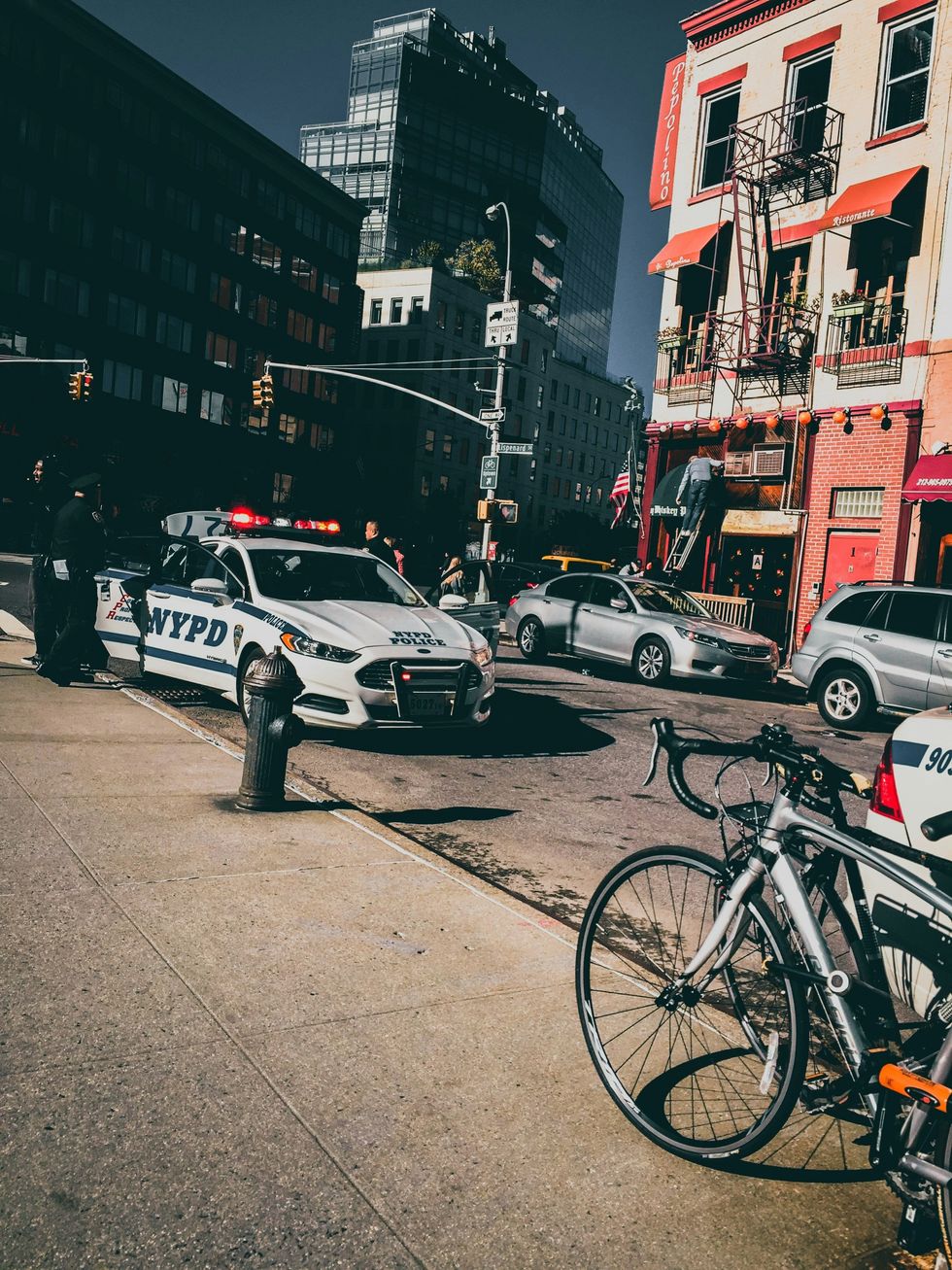
  • Addressing law enforcement priorities that actually matter – You know what’s not making New York safer? Cops stopping people because they think they caught a whiff of weed. Meanwhile, the NYPD can’t seem to solve actual violent crimes.

But sure, let’s go after the smell.

This is a Political Move, Not a Policy Solution

Hochul isn’t doing this because it makes sense—she’s doing it because it plays well to the tough-on-crime crowd that politicians love pandering to.

New York’s cannabis rollout has been an embarrassing failure, and instead of owning up to it and fixing the root issues, Hochul is scapegoating weed smokers and giving police another excuse to harass citizens under a vague, subjective rule.

We’ve seen this before. And we know exactly who gets stopped when policies like this go into effect.

New York, You Deserve Better

Legalization was supposed to mean moving forward. Giving police the power to claim "I smell weed" as justification to search citizens is moving backward.

It’s lazy, it’s regressive, and it does nothing to fix the problems with New York’s cannabis industry.

If Hochul wants to clean up the state’s weed mess, she should start with her own administration’s failures—not the people trying to navigate a system she broke.

Until then, her entire proposal reeks of bad policy.

Cannabis Cafes vs. Bars: California’s New Frontier in Social Consumption

California Governor Gavin Newsom signs Assembly Bill 1775 allowing dispensaries to serve hot food and nonalcoholic beverages - The Bluntness

Industry

Cannabis Cafes vs. Bars: CA's Social Shift

As cannabis lounges emerge across California, the debate over health risks and the double standards between cannabis and alcohol consumption heats up.

California's decision to legalize "cannabis cafes" marks a notable shift in the state's cannabis culture, but it also reignites the long-standing debate around public health, worker safety, and the ongoing disparity between cannabis and alcohol consumption. Assembly Bill 1775, signed by Governor Gavin Newsom, allows dispensaries to prepare and serve hot food and nonalcoholic beverages, transforming them into cannabis-friendly social hubs. While this move aims to reinvigorate the state's nightlife and support the heavily taxed legal cannabis industry, it also underscores the stark differences between how cannabis and alcohol are treated under the law.

Cannabis Lounges vs. Bars: The Double Standard

In California, the juxtaposition of cannabis lounges and traditional bars highlights a glaring disparity. Alcohol consumption has been normalized in public spaces for decades, with bars and restaurants being common venues for social drinking. Alcohol’s health risks are well-documented, yet society largely accepts the presence of bars where alcohol is served freely. Patrons and workers are exposed to the environment, and aside from basic regulations like age restrictions and serving limits, alcohol consumption remains broadly accessible in social settings.

Cannabis, however, faces an entirely different reality. Despite its legalization for recreational use, the stigma surrounding its consumption persists. The cannabis cafe model, which draws inspiration from Amsterdam’s long-standing coffee shop culture, offers a space for social consumption, yet is fraught with more complex regulations. Patrons in California’s newly legalized cannabis cafes can enjoy a joint with their meal or nonalcoholic drink, but secondhand smoke concerns have put these venues under far more scrutiny than their alcohol-serving counterparts.

Health Concerns and Worker Safety

The heart of the opposition to Assembly Bill 1775 lies in concerns over secondhand cannabis smoke. Public health groups, such as the American Cancer Society, have argued that cannabis smoke poses even greater risks than tobacco smoke, with potential for increased cardiovascular disease, lung irritation, and asthma attacks. These concerns mirror those once raised about indoor smoking in bars and restaurants before smoking bans took effect. The state’s decades-long effort to create smoke-free environments now clashes with the cannabis industry's push for public consumption spaces.

Proponents of the bill argue that robust ventilation systems, along with safety measures for workers such as respirator masks, will mitigate these risks. However, skeptics, including Jim Knox of the American Cancer Society Cancer Action Network, dismiss these precautions as insufficient. "You cannot isolate smoke—it can’t be done," he asserts, pointing out that ventilation systems won’t fully prevent the migration of smoke to other parts of the building or nearby areas.

Yet, it’s hard to ignore the hypocrisy here: While bars are filled with patrons drinking alcohol, a substance responsible for countless health problems and social issues, cannabis lounges face backlash for allowing patrons to smoke in a controlled environment. Alcohol-related incidents, including DUIs, accidents, and violence, continue to burden public health systems, yet no such widespread stigma or restrictions apply to bars.

Economic Impact and Cultural Relevance

Supporters of the cannabis cafe model believe it will revitalize the legal market, providing a much-needed boost to an industry struggling under high taxes and competition from illegal sellers. Assemblymember Matt Haney, who authored the bill, envisions cannabis cafes as a vital part of California’s future, helping to normalize recreational cannabis and challenge the illicit market. By offering a more welcoming environment for cannabis consumption, these cafes could shift the landscape of nightlife in the state, merging cannabis culture with live entertainment, food, and social experiences.

For cannabis consumers, the ability to partake in a social setting represents a cultural milestone. For years, cannabis has been largely relegated to private spaces due to legal restrictions and lingering stigma. The emergence of cannabis lounges challenges that narrative, positioning cannabis consumption as a normal, social activity—much like grabbing drinks at a bar.

However, this shift is not without its challenges. The balance between promoting the legal cannabis market and protecting public health will be a delicate one. Governor Newsom has already signaled that if worker safety and public health are compromised, further regulation or even reconsideration of the law could follow. Local governments will have to tread carefully as they implement the law, considering both the economic benefits and the potential health risks associated with cannabis consumption in public spaces.

A New Chapter in Cannabis Normalization?

Cannabis lounges represent a step toward normalizing cannabis use, yet they also reflect the ongoing disparity between cannabis and alcohol. As cannabis lounges begin to open across California, they will test whether the public is ready to accept cannabis in the same way they have embraced alcohol—despite the far-reaching public health concerns that have accompanied both substances.

The path forward for cannabis consumption in public settings will depend on how effectively these new venues can address health and safety concerns, while also providing a safe, enjoyable experience for patrons. As the cannabis industry continues to evolve, the emergence of these social spaces could redefine the way we think about consumption and community, helping to bridge the gap between the stigma of cannabis and the long-established culture of alcohol.

California’s cannabis cafes could very well become the next frontier in the state’s cannabis journey, merging styles, tastes, and experiences in ways that push the boundaries of the law and public perception. How society navigates the smoke—both literally and figuratively—will determine the future of cannabis as a social experience.

Article Summary:

  • California’s new cannabis cafes, legalized by Assembly Bill 1775, will allow dispensaries to serve hot food, nonalcoholic drinks, and host live events, transforming them into social consumption lounges.
  • Public health concerns over secondhand cannabis smoke, particularly its potential risks to workers and patrons, have sparked debate, with critics arguing that ventilation systems and protective measures may not be sufficient.
  • The disparity between cannabis and alcohol is highlighted, as cannabis lounges face stricter scrutiny despite alcohol's well-known health risks, challenging societal norms around public consumption.
  • NORML activist to meet with Vice President Kamala Harris to discuss federal cannabis policies
    NORML activist to meet with Vice President Kamala Harris to discuss federal cannabis policies
    Industry

    NORML Activist to Meet with Vice President to Discuss Federal Cannabis Policies

    NORML Activist and Pardon Recipients, hip-hop artist Fat Joe, and Kentucky Governor Andrew Beshear, to Meet With Vice President Harris on Marijuana Reform, Clemency and Justice

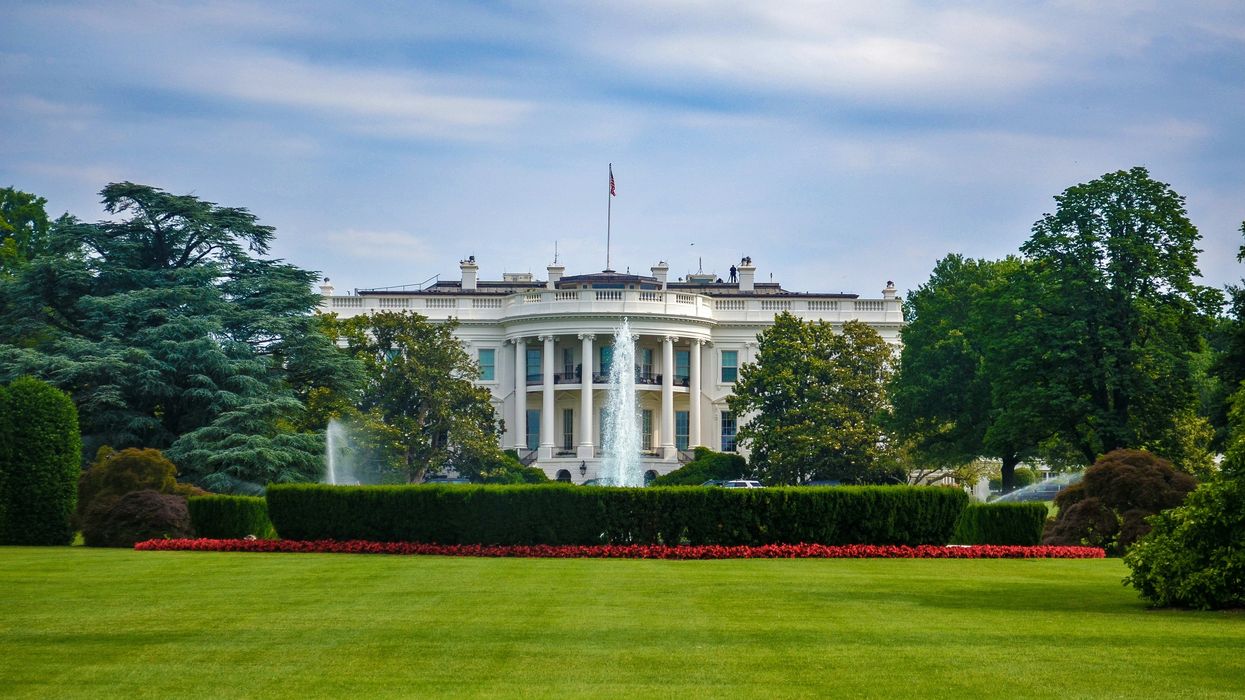
    In a significant step towards federal marijuana reform, Vice President Kamala Harris is set to meet with NORML activist Chris Goldstein and two other Presidential marijuana pardon recipients at the White House this Friday. The discussion will center on ongoing efforts by the Biden Administration to address federal cannabis policies.

    Chris Goldstein, a regional NORML coordinator known for his cannabis activism in Delaware, New Jersey, and Pennsylvania, received a Presidential pardon earlier this year for a misdemeanor marijuana possession conviction dating back to 2014. Goldstein's pardon, along with thousands of others issued by President Joe Biden in October 2022, reflects a growing shift in attitudes towards cannabis at the federal level.

    "These Presidential pardons are a powerful and meaningful action," Goldstein remarked. "They carry a tremendous power of goodwill — not just to those of us who received them, but for the entire country."

    President Biden's decision to pardon individuals with federal convictions for marijuana possession offenses underscores his commitment to criminal justice reform and marijuana policy. In his State of the Union address, President Biden reiterated his belief that "no one should be in jail just for using or possessing marijuana."

    Joining Goldstein at Friday's meeting will be hip-hop artist Fat Joe and Kentucky Governor Andrew Beshear, both of whom have also received Presidential pardons for marijuana-related offenses. Together, they intend to raise awareness about the impact of federal marijuana convictions and advocate for further reform, including the descheduling of cannabis.

    Goldstein emphasized the importance of using the meeting with Vice President Harris to highlight the need for additional federal action, such as descheduling or rescheduling marijuana - i.e. moving cannabis from Schedule I to Schedule III of the Controlled Substances Act. He noted that thousands of individuals are still eligible for pardons, and increased awareness of the pardon process is essential.

    "We will help represent tens of millions of Americans who have been arrested for marijuana in nearly a century of prohibition," Goldstein stated.

    Ahead of the White House meeting, Goldstein and NORML's Political Director Morgan Fox will meet with several members of Congress to discuss marijuana reform. Following Friday's discussion, Goldstein and other NORML staff members will participate in a live session to further engage with the public on this pressing issue.

    The meeting with Vice President Harris marks a significant milestone in the ongoing push for federal marijuana reform, with advocates like Goldstein leading the charge for change. As momentum continues to build, the voices of those impacted by outdated cannabis policies are being heard at the highest levels of government, signaling hope for a more just and equitable future in cannabis regulation.

    Weedmaps: Innovative Online Ordering and Delivery
    Weedmaps: Innovative Online Ordering and Delivery
    Industry

    5 Revolutionary Ways Weedmaps Is Reshaping Access To Cannabis

    Weedmaps is revolutionizing how we access and interact with cannabis products. Since its inception, this innovative platform has redefined the norms of cannabis purchase and education, making it a household name among enthusiasts and newcomers alike.

    It not only connects users with an extensive network of dispensaries and diverse products but also advocates for informed and responsible use. It breaks down barriers, offering seamless and enlightened experiences to users in states where cannabis is legal either recreationally or medically, truly reshaping our approach to cannabis accessibility.

    Comprehensive Dispensary and Product Listings

    Weedmaps is like a cross between Google Maps, Amazon, and Uber Eats, but specifically for cannabis. The platform offers an impressively comprehensive listing of dispensaries and products. Imagine a world where you can find every strain, edible, or topical you've ever dreamed of – that's Weedmaps.

    It’s a treasure trove for cannabis aficionados and newbies, offering a rich catalog of products, complete with detailed descriptions, to satisfy every curiosity and need. Whether you're a fan of the classics or eager to explore the latest in cannabis innovations, Weedmaps makes it effortlessly easy to discover and explore, all with a few clicks.

    Innovative Online Ordering and Delivery

    Gone are the days of confusing cannabis purchases. Weedmaps simplifies the whole process by enabling orders to be reserved with local retailers for pick-up and/or delivery.

    Picture this: selecting your favorite products from the comfort of your home and having them delivered right to your doorstep. Whether you need a quick restock or are eager to try something new, Weedmaps makes it all happen with just a few taps on your screen.

    This seamless integration of technology brings unprecedented convenience and accessibility to the cannabis experience, transforming how we interact with our green favorites.

    Weedmaps is revolutionizing how we access and interact with cannabis productsWeedmaps: Educational Resources and Cannabis Advocacy

    Educational Resources and Cannabis Advocacy

    Weedmaps goes beyond just being a marketplace; it's a hub of knowledge and advocacy in the cannabis world. The platform is rich with educational resources, empowering users to make informed choices about their cannabis journey. They're big on social equity, too, championing initiatives that promote fair access and representation in the cannabis industry.

    This dual commitment to education and social justice reflects Weedmaps' deep-rooted belief in the positive power of cannabis and its potential for societal benefit.

    Community and Customer Reviews

    At the heart of Weedmaps is a thriving community grounded in genuine customer reviews. These reviews are more than just opinions; they guide new users navigating the vast cannabis landscape. They offer insights into the quality of products and the reliability of dispensaries, helping others make informed choices.

    This community-driven approach fosters trust and helps maintain high standards across the platform, ensuring that everyone's cannabis experience is nothing short of excellent.

    Weedmaps is enhancing how we access and interact with cannabis productsWeedmaps is enhancing how we access and interact with cannabis products

    State-of-the-Art Tech for Enhanced User Experience

    Weedmaps isn't just about connecting you to cannabis; it's about enhancing that connection through cutting-edge technology. Their platform is a tech wonderland, offering personalized recommendations that adapt to your preferences and history.

    Location-based searches make finding local dispensaries a breeze, ensuring you're always just a few clicks away from your next cannabis experience. This seamless integration of technology ensures that every interaction with Weedmaps is intuitive, satisfying, and tailored to your individual cannabis journey.

    Weedmaps offers personalized recommendations that adapt to your preferences and history.Weedmaps offers personalized recommendations that adapt to your preferences and history

    Learn More

    Weedmaps stands out as a trailblazer in the cannabis industry, revolutionizing how we access and interact with cannabis. From its vast network of dispensaries fulfilling online orders and deliveries, coupled with educational resources and a robust community of reviews, Weedmaps has reshaped the cannabis experience.

    So click here to dive into this tech-driven, user-friendly platform and learn how it can transform your cannabis journey.

    Please note: We may receive a commission for purchases made through the links in this article.

    Recent