
Cannabis is Medicine
Cannabis is an invaluable addition to our world. Its bioactive compounds (terpenes, cannabinoids, and flavonoids) have been reported to play several therapeutic roles. These bioactive compounds are directly involved in dealing with diseases related to chronic inflammation, cancer, hormonal imbalance, among many other ailments, thanks to their relationship with the ECS.
The therapeutic role of Cannabis in cancer and other related diseases cannot be over-emphasized. Between 1970 and today, more than 1000 papers and articles have been published explaining the role of Cannabis in treating cancer and/or its side effects. These papers reported how Cannabis and cannabinoids could assist cancer patients in living a healthy life and their recovery.
While some of these research papers presented data extracted from animal studies, a few had human subjects who reported improved symptoms after some period of cannabis therapy.
Beyond the research, beyond the marketing hype surrounding Cannabis and cancer, the question remains: Is Cannabis a potent tool for cancer treatment? Are there people who have used Cannabis to deal with cancer-related symptoms? Well, I guess it's time to find out.
There are many people who can attest to the therapeutic power of Cannabis and cannabinoids for cancer and cancer-related symptoms, which may seem anecdotal, but they may beg to differ.
To understand the power of Cannabis for cancer, we decided to interact with former cancer patients and cannabis experts who have first-hand experience with the power of Cannabis for dealing with cancer.
Please note that this article is not promoting any cannabis product or the unlicensed use of Cannabis as a treatment for cancer. All information contained in this article is strictly for educational purposes and should not be taken as expert advice or opinion.
Testimonies from Cancer Patients
Rick Simpson, creator of the eponymously named Rick Simpson Oil
Rick Simpson is a Canadian medical marijuana activist who claims to have used cannabis extracts and oils to successfully treat his own cancer. In several interviews he shared his experience of using cannabis oil and how it helped him recover from cancer. According to Simpson, he was diagnosed with skin cancer in 2003, and after trying various conventional treatments with no success, he turned to cannabis oil.
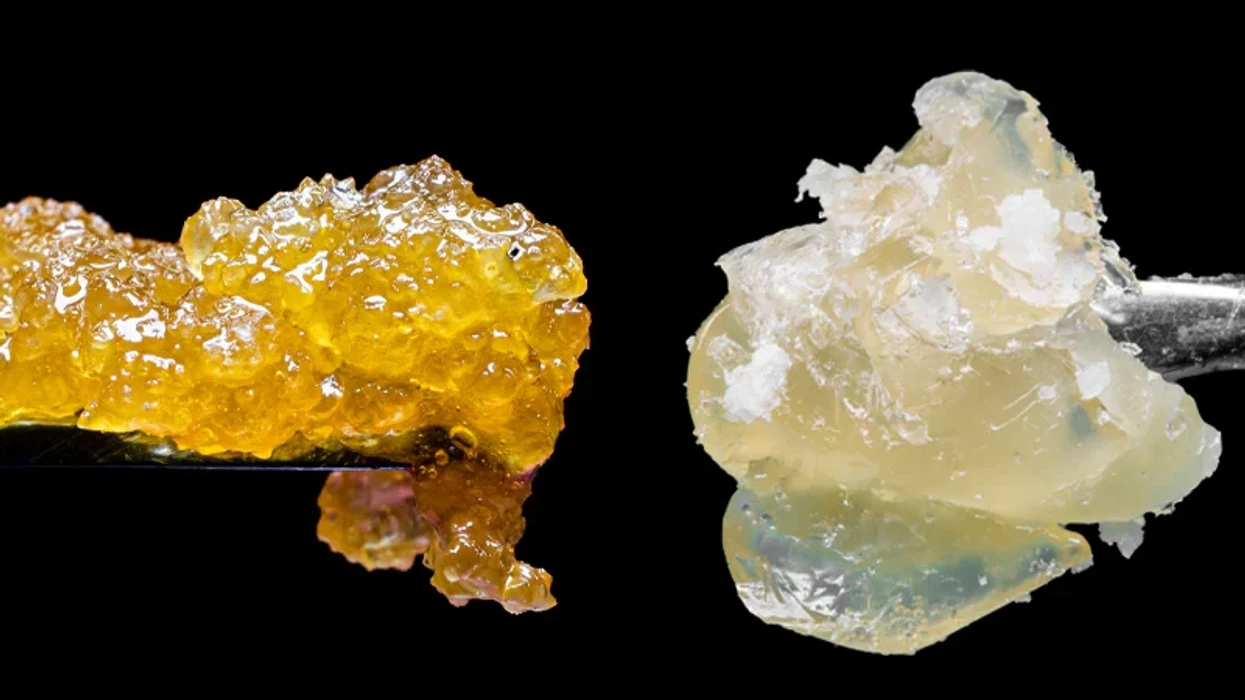
Simpson is reported to have produced his own cannabis oil using a solvent extraction method and found that it was effective in reducing the size of his cancerous growths. He also claims that the oil helped him sleep better and reduced his anxiety. Simpson believes that cannabis oil can cure cancer by killing cancer cells and boosting the immune system, although there is not yet enough scientific evidence or research to support this claim.
Simpson's success story has gained a lot of attention and has inspired many people to turn to cannabis oil as an alternative or supplemental treatment for various forms of cancer. However, some critics have pointed out that Simpson's claims are not scientifically proven, and that there is still a lack of clinical evidence to support the use of cannabis oil as a cancer treatment. Additionally, there are concerns about the potential risks and side effects of using cannabis oil, especially if it is not produced and used safely through legal and regulated channels.
Despite the controversy surrounding his claims, Simpson remains an advocate for the use of cannabis oil as a cancer treatment and continues to promote its use through his website and public appearances. While more clinical research is needed to fully understand the potential benefits and risks of cannabis oil, Simpson's story highlights the importance of exploring alternative treatments for cancer and the potential of cannabis as a medicinal plant.
Cannabis restored my life - Mike Robinson
Mike Robinson is a former racer who had a car crash in 2003 and has since left the tracks to focus on his healing. Mike was later diagnosed with cancer and almost lost hope before finding solace in Cannabis for cancer.
He discovered the power of cannabis medicine in Cannabigerolic acid (CBGa) and became one of the major voices promoting CBGa even before the groundbreaking article on CBGa and COVID appeared.
Mike’s discovery was fascinating since CBGa is a minor cannabinoid. CBGa is the first cannabinoid synthesized by the hemp plant and is suspected of possessing several therapeutic benefits for cancer patients.
Mike’s story is quite interesting as CBGa has played an important role in his life and the life of Genevieve, who is using CBGa to deal with seizures thanks to her mom who contacted Mike one fateful day in 2016. Mike has also helped several other children using CBGa and other cannabinoid products because he believes in the plant’s ability to heal.
Cannabis gave my mom an extra year- Nicolette Baglio
Doctors gave her six months, and she lived a year longer. We are confident Cannabis improved the quality and duration of her life.
Terpenes are the key to defeating cancer- Scott Giannotti
Scott is a hemp coach who has first-hand experience with the power of Cannabis and cannabinoid medicine. He is one of the few cannabis users that believe the terpenes are responsible for their anti-cancer properties. He shared:
“The key to defeating cancer is the terpenes, particularly alpha-pinene, beta-pinene, and beta-caryophyllene. They can transform blood cells into killer T-cells that obliterate cancer at the nucleus. Cannabis is the most powerful carrier of terpenes of any plant, so this is a big reason for its effectiveness. It's also a big reason for so much variability in results because while THC and CBD can have positive effects, it's the terpenes that truly kill cancer. They are sorely lacking in today's cannabis commercial market.”
Research shows that terpenes like alpha-pinene can promote the ability of natural killer cells (NK cells) to facilitate the death of cancer cells. This involves several pathways stimulating ERK and AKT phosphorylation to activate NK cells.
Brave Aussie mum was saved by cannabis medicine.
Carla was diagnosed with stage 4 inflammation of breast and Lung cancer and Paget’s disease of the nipple and was told the condition was terminal. At home in June, Carla started intensive cannabis oil therapy for 60 days and received good news in late August.
Her oncologist told her that apart from one small lesion remaining in a lymph node, all other cancers are resolved, and normal tissue has returned. The cancer disappeared, and Carla miraculously had her life back.
How Does Cannabis Work for Cancer?
There are several potential pieces of evidence pointing to the role of Cannabis in treating cancer. Some of these roles include but are not limited to the following;
- Reducing the side effects of cancer chemotherapy. Cannabis can help reduce the effects of chemotherapy induced-nausea and vomiting.
- Cannabis-based terpenes and flavonoids may promote the activity of immune cells against cancerous cells. Terpenes like alpha and beta-pinene, limonene, and beta-caryophyllene have been identified to possess these cancer-fighting properties. Remember that cannabinoids are terpenes too.
- Reduce chronic pain in cancer patients.
- Promoting a healthy appetite in cancer patients.
- Tumor suppression.
- Promoting sleep and reducing anxiety in cancer patients.
Can I use Cannabis with other prescription drugs?
Information from the National Cancer Institute shows that cannabinoids may undergo a negative drug interaction with other cancer medications, thus leading to some side effects. According to their report, constant cannabis use may reduce the outcome of immunotherapy in cancer patients. This is, however, subject to more research.
In conclusion
In life, you will be responsible for making important health decisions for yourself and your family. These decisions can impact your overall well-being and the quality and cost of your care. Those who educate themselves on their options and alternatives tend to feel more confident in their choices.
Furthermore, individuals who collaborate with their doctors to make informed health decisions are generally more satisfied with their care and outcomes.
Therefore to make wise health decisions, it is best to combine credible medical information with your personal values. Your beliefs, lifestyle, fears, and experiences all influence the decisions you make regarding your health, including how and where cannabis may fit.
In essence, the equation for wise health decisions is Medical Information + Your Information = Smart Health Decisions.




 How to Make Weed Stem Tea in 5 Easy Steps - Potent Recipe - The Bluntness
Photo by
How to Make Weed Stem Tea in 5 Easy Steps - Potent Recipe - The Bluntness
Photo by  How to Make Weed Stem Tea in 5 Easy Steps - Potent Recipe - The Bluntness
Photo by
How to Make Weed Stem Tea in 5 Easy Steps - Potent Recipe - The Bluntness
Photo by