Skip to content
Search AI Powered

Latest Stories

Videos

#SungrownChallenge
Flow Kana
News

The Pepsi Challenge, Reimagined For Cannabis – And Charity: Can You Tell If Your Weed Is Sungrown?

This article was originally published by Javier Hasse on Benzinga and appears here with permission.

California cannabis brand Flow Kana is sparking consumer and media conversation with its #SungrownChallenge campaign, which launched across social media last week and will soon be appearing on over 200 California dispensary screens.


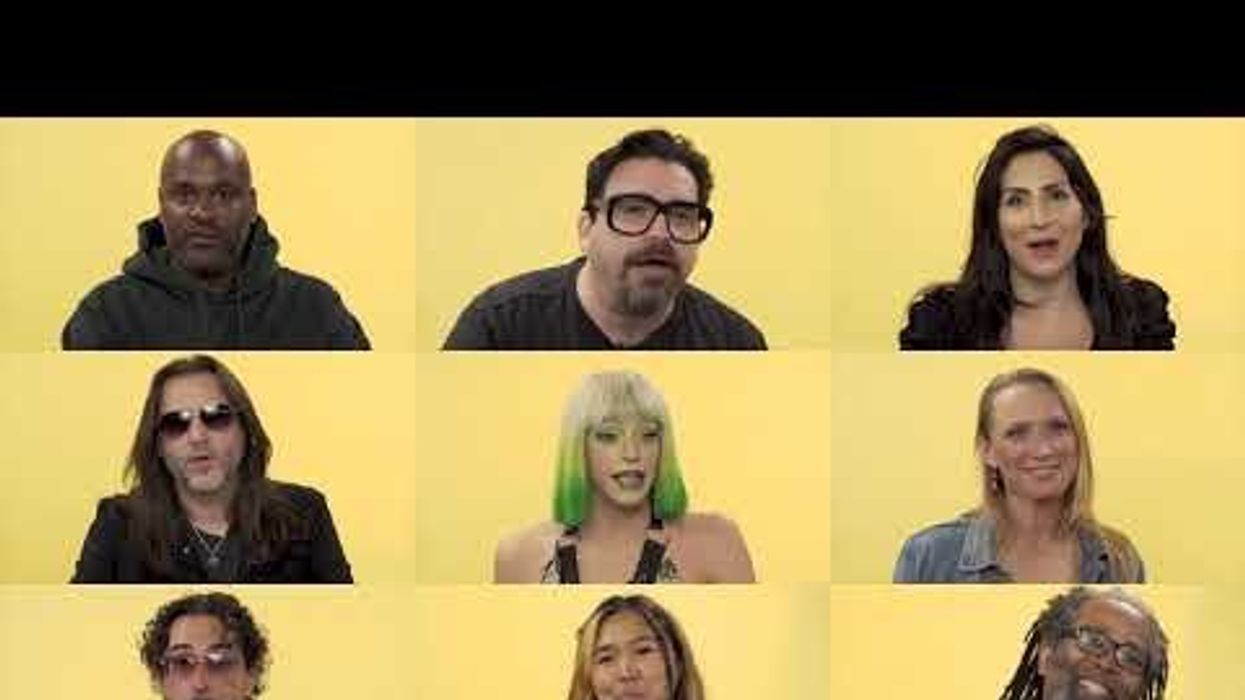
Inspired by the famed Pepsi Challenge and the 1976 Judgement of Paris whereby French wine critics blind-tasted the best of French wines against the best of the then-emerging California wines. The #SungrownChallenge features a who’s who cadre of 28 blindfolded cannabis journalists, critics, social media influencers and industry leaders sampling California’s top-selling sungrown flower against California's top-selling indoor flower.

For every share of the #sungrownchallenge video on social media, Farmer’s Reserve by Flow Kana will donate $5 to Planting Justice, a California-based nonprofit focused on “food justice and community healing through planting, growing, and harvesting healthy food.” The donation will cap at $10,000. 

Are you still missing out on The Bluntness newsletter? Sign Up today to stay in the loop.
Up Next

Are you paying too much attention to THC percentage? - The Bluntness

Are you paying too much attention to THC percentage? - The Bluntness

Wellness

High-THC: Is % Important?

Cannabis consumers of all kinds judge the potency of their marijuana strain on THC level. While this seems like a logical thing to do, it’s actually not the best way to determine how high you’ll get. But does thc percentage matter when it comes to the quality or effects of cannabis?

High-THC strains won’t necessarily have stronger psychoactive effects than their weaker counterparts.

If this comes as a surprise, you’re not alone. The value of a simple number on a label receives too much credit from consumers and budtenders alike. It seems no matter how many times we think we understand cannabis, science manages to throw us off - in a good way, of course.

The question of whether percentage matter is often debated, as THC percentage alone is not a reliable indicator of overall quality or experience. Like it or not, the way cannabis interacts with the mind and body makes a simple THC measurement inaccurate to tell how high you’ll get. Potency - like many things about cannabis - is complicated.

That being said, let’s see if we can take the mystery out of THC percentages and how they apply when using cannabis.

Understanding High-THC Cannabis

Definition of High-THC Cannabis

High-THC cannabis refers to cannabis strains that boast a high concentration of tetrahydrocannabinol (THC), the primary psychoactive compound responsible for the “high” associated with cannabis use. These potent strains typically feature THC levels above 20%, with some exceptional strains reaching as high as 30% or more. The elevated THC levels in these cannabis strains not only contribute to their psychoactive effects but also enhance their therapeutic benefits, making them a popular choice among both recreational and medical cannabis users. However, there is limited scientific evidence supporting the use of high-THC cannabis for every medical condition, and proper regulation and dosage are important to ensure safe treatment options.

High-THC Weed Explored - The Bluntness High-THC Weed Explored - The Bluntness Photo by GRAS GRÜN on Unsplash

THC Percentage: Benchmark or Marketing Gimmick in the Cannabis Industry?

It’s easy to find the THC percentage on a weed label. Unfortunately, there’s no telling how the product will make you feel compared to a less potent strain.

Multiple studies have shown that THC percentage is not always a reliable predictor of the effects or quality of cannabis.

Of course, that doesn’t mean the system isn’t useful, just not in a budget-friendly way.

“Premium” Cannabis

Words like “strong,” “premium,” and “high-grade” are popular marketing terms for selling weed. But how do you define a “premium” strain? Premium cannabis products include a variety of forms such as edibles, tinctures, and topicals. The simplest way is to base it on the THC concentration.

Using THC percentages as price benchmarks allows dispensaries to charge extra for high-THC cannabis flower and concentrates. They use the incorrect assumption that potency implies quality, tricking experienced weed users into spending extra on high-THC strains or infused products.

In the words of Forbes cannabis writer Chris Roberts:

“When cannabis tests at more than 25 percent THC, dispensaries can justify charging $75 or more for a store-bought eighth—because there's a very good chance people will pay it, confident that they're taking home the best and most potent weed available. If the weed's in the teens, well, it had better be cheap. The problem is that this is all wrong. All of it.”

As the age-old adage goes: “That's how they get you.”

Why the Misunderstanding?

People have a huge habit of thinking “bigger is better” when it comes to weed strains. Consequently, it's natural to assume a higher THC level is more potent.

Normally, having more of a good thing is ideal, but this thought process is flawed when predicting the effects of your high.

You might also blame alcohol labels for this widespread misunderstanding of THC potency and effects. Alcohol percentage is an accurate indicator of how quickly and strongly intoxication sets in. More importantly, the effects of being drunk are pretty much universal (with exceptions like different behavioral changes).

The complexities of cannabis compounds - which we'll cover shortly - don't allow for such straightforward measurements.

Furthermore, people choose certain alcoholic beverages for different reasons, so the actual percentage can be more of a concern than a benefit.

What Does THC Content Tell Us?

What (if any) useful information can we get from reading THC content? The information might not be a dead giveaway for how high you’ll get, but you can still glean a lot from it. For instance, a sativa dominant strain may have different effects compared to an indica dominant strain.

Double-blind, placebo-controlled studies are often used to rigorously assess the effects of different THC content levels on users.

Percentage of Total Weight

If you’re looking for an accurate predictor of different effects, you’re barking up the wrong tree. An indica dominant strain may have a different THC percentage compared to a sativa dominant strain. But if you need to know the amount of THC related to total weight, then the THC percentage is as precise as it gets.

Ultimately, you can use that percentage and, with some quick math, figure out the THC levels per total weight of dried cannabis or concentrates.

For example, a plant with 10.0% THC translates to 100 milligrams per gram of dried flower.

The same rule applies for any number. Herb with 25.5% THC indicates 255 milligrams of THC for every gram. Just take the THC percentage, move the decimal one spot to the right and you now know the total THC dose for every gram of dry herb.

The same process applies to concentrates. For instance, a vape cartridge with 90.0% THC contains 900 milligrams per milliliter of oil. If the vape cartridge is 0.5 milliliters, then the total content in that cartridge is 450 milligrams.

When it comes to edibles, dosage is typically measured in milligrams per serving size rather than just THC percentage. This helps users manage their intake safely, as edibles are often standardized to a specific serving size, such as 10 mg per piece.

Aside from number-crunching, THC labeling has another practical benefit. The system is able to easily deter inexperienced consumers from overspending or “greening out” from too much THC at once.

Amount of Product Needed

If the THC percentage measurement doesn't predict your level of intoxication, then what is it for? Ultimately, it boils down to efficiency. Indica strains are often preferred for their relaxing effects and higher THC content.

Common sense dictates that high-THC cannabis will deliver more THC with less plant material. You can use less high-potency flower to reach your desired dose compared to a weaker product.

People with more experience prefer high-THC cannabis, as they likely develop some level of tolerance over new or infrequent users.

Edibles and Extracts

Stronger flower is also handy for making edibles and extracts. High-THC strains are often used in edibles for their potential pain relief benefits. Cooking with marijuana requires way more bud than the average smoke session. With that in mind, it’s smart to use a strain containing as much THC as possible, giving you more THC while using less plant matter.

THC is commonly infused into edibles such as gummy bears, which can be particularly appealing to young people and increase the risk of accidental ingestion.

If you plan to make your own cannabis butter to bake some weed brownies, cookies, or other edibles, choosing high-THC plants will save you some bud.

High-THC Weed Explored - The Bluntness High-THC Weed Explored - The Bluntness Photo by Christopher Ott on Unsplash

What Science Says About THC Levels

With cannabis research gaining momentum, we have a lot of catching up to do. Sativa strains are often studied for their energizing effects compared to indica strains. Only quite recently, on June 10, 2020, the Journal of the American Medical Association (JAMA) published a study analyzing the link between THC content and intoxication effects.

Animal studies have played a key role in uncovering the neurobiological effects of THC and its potential risks.

The findings went against everything the cannabis community has accepted as a common-sense fact.

The study analyzed the effects of THC on 121 participants. 55 subjects smoked flower with 16 to 24% THC, while 66 used concentrates ranging from 70 to 90% THC.

The researchers confirmed a massively higher amount of THC in the blood of concentrate users, yet the intoxication was barely different from those who consumed mid to high-THC flower.

Benefits of High-THC Strains

Increased Potency for Medical Use

For medical cannabis users, high-THC strains offer a significant advantage due to their increased potency. These strains are particularly effective in providing relief from chronic pain, inflammation, and other debilitating conditions. The higher THC concentration can also play a crucial role in reducing the frequency and severity of seizures, making high-THC strains a preferred option for patients with epilepsy. The potent effects of these strains can lead to more effective and longer-lasting symptom relief, improving the quality of life for many medical cannabis users.

However, it is important to note that chronic use of high-THC strains, even for medical purposes, can increase the risk of addiction and withdrawal symptoms.

Enhanced Recreational Experience

Recreational cannabis users often seek out high-THC strains for a more intense and prolonged experience. These strains can deliver a stronger “high,” characterized by heightened euphoria and deep relaxation. However, it's important to approach high-THC strains with caution, especially for those new to cannabis. The powerful effects can sometimes lead to increased anxiety and paranoia, underscoring the importance of starting with a low dose and gradually increasing as needed. For seasoned users, high-THC strains can elevate the recreational experience to new heights, offering a more profound and enjoyable high.

Potential for Increased Creativity and Focus

Many cannabis users report that high-THC strains can boost creativity and focus. The THC in these strains can stimulate the brain's creative centers, sparking new ideas and insights. This makes high-THC strains a popular choice among artists, writers, and other creatives looking to enhance their work. Additionally, the increased focus and concentration provided by these strains can be beneficial for tasks that require sustained attention. However, it's essential to remember that the effects of high-THC strains can vary widely depending on the individual user, the particular strain, and the method of consumption. As with any cannabis product, starting with a low dose and gradually increasing is key to finding the right balance and avoiding adverse effects.

What Affects Cannabis Potency for Cannabis Consumers?

For ages, THC percentage has been the default for figuring out how a cannabis strain will make you feel. An indica dominant strain may have different effects compared to a sativa dominant strain. But research spanning several decades helped us unlock some of the mystery behind the desired cognitive effects of cannabis in low and high-THC strains.

Cannabinoids, Terpenes, and the Entourage Effect

To better understand the mechanics behind getting high, we need to look at the “entourage effect.” In a nutshell, the entourage effect is a synergistic relationship between cannabinoids and other compounds. Indica strains are known for their relaxing effects and high myrcene content.

THC may steal a lot of the spotlight, but it's far from alone. So far, there are over 100 known cannabinoids in cannabis, but there could be more still hidden inside.

Different cannabinoids affect - directly or indirectly - the CB1 and CB2 endocannabinoid receptors in the body. THC effectively binds to both receptors, but some cannabinoids could change, reduce, or interfere with the uptake of THC.

Then we have terpenes - aromatic compounds found throughout the plant kingdom. Terpene and cannabinoid levels all impact the strain's effects. Even if your chosen product's label indicates high-potency THC levels, other compounds will determine if the strain really works as advertised.

Like cannabinoids, certain terpenes can mitigate or enhance the way THC interacts with our bodies. For instance, limonene - a terpene common in citrus fruits - can counteract the effects of THC if you get too high. In turn, a strain high in limonene might reign in the effects of THC.

Myrcene, for instance, is the most common terpene in cannabis, and has a very strong sedative effect. High-myrcene strains relax the mind and body, slowing down cognitive and motor skills in the process.

On the other hand, a strain rich in caryophyllene creates a more energizing high, leading to improved mood, energy, and focus.

Terpenes also have their own host of health benefits and effects unrelated to cannabinoids.

Some people also depend on the indica, sativa, hybrid system to predict a potential high, but this is even less accurate than relying on THC numbers. You can read more about that in our article here.

Simply put, pay attention to those terpene profiles if you want to dial in your cannabis effects or have interesting cannabis experiences.

High-THC Weed Explored - The Bluntness High-THC Weed Explored - The Bluntness Photo by Maria Fernanda Pissioli on Unsplash

Consumption Method

Remember when we discussed THC percentage and weight? A potent strain will have a higher THC percentage, similar to how a McDonald's Quarter-Pounder implies total weight before cooking (or lighting). In other words, total THC on the label isn't a reflection of how much you'll consume.

How much of the total THC you get depends on its bioavailability. Bioavailability measures how much of a compound or chemical is available for the body after consumption.

Don't worry, a dry herb vaporizer can really improve efficiency. A 2016 study tested several prominent vaporizer brands and models. Bioavailability measurements ranged from about 45% to as high as roughly 83%.

Using our 27% THC strain example, vaporizers could deliver between 121.5 to 224.1 milligrams per gram - vastly more than combusted flower.

Vaping is also much safer for the lungs than conventional smoking, as it doesn't rely on burning plant matter. Instead, it heats up the cannabis until the different compounds boil into an inhalable vapor. This means no nasty tar and gunk to clean (or inhale).

Cannabinoids vaporize at different temperatures. The hotter you vape, the more cannabinoids are available, impacting the intensity of your high.

THC vaporizes at around 175oC (3470F), with THCV and CBC having the highest boiling points, at 220oC (4280F).

However, keep in mind that vaping higher than 205oC (4010F) destabilizes terpenes and creates benzene - a known carcinogen.

Vaporizers beat combusted herb in pretty much every department except pricing. If you want a top-of-the-line vape, be prepared to spend quite a bit. But starter vapes are available for as little as $50.00.

Keep in mind, not all vapes are created equal. Do your research to avoid buying a cheap knockoff. If you're not sure where to start, check out the Reddit thread r/vaporents for user reviews and community recommendations.

Long Term Effects of High THC Cannabis

As the cannabis industry continues to evolve, one thing is clear: THC content in cannabis products is on the rise, and so are questions about the long-term effects of high-THC weed. While potent strains and higher THC levels might seem appealing for their intense psychoactive effects, it’s important to look beyond the buzz and consider what chronic use could mean for your health.

One issue gaining attention is cannabis withdrawal syndrome. This condition can crop up when marijuana users—especially those who’ve been using high-THC cannabis strains regularly—suddenly stop. Symptoms like irritability, anxiety, and insomnia are common, making it clear that the cannabis plant isn’t as harmless as some might think, especially when used in large quantities or over long periods.

Mental health is another area where high-THC weed can have a significant impact, particularly for young people. The cannabis plant is packed with over 100 cannabinoids, including THC and CBD, but when THC concentrations soar, the brain’s endocannabinoid system can get overwhelmed. This can increase the risk of psychotic symptoms and even contribute to the development of mental illness in vulnerable individuals. Research suggests that brain development in adolescents can be negatively impacted by chronic cannabis use, especially when the THC percentage is high.

Cannabis dispensaries now offer a dizzying array of cannabis products, from low-THC medicinal cannabis to high-THC recreational options. While some marijuana users chase the most potent strains for a powerful high, others find that lower-THC products deliver better therapeutic benefits, such as pain relief or anxiety reduction, without the unwanted side effects. The average percentage of THC in cannabis flower can range from 10% to 30%, but some products push the envelope with even higher concentrations.

It’s a widespread misconception that more THC always means a better experience. In reality, the entourage effect—the interaction between THC, CBD, and other cannabinoids—plays a huge role in shaping the effects of cannabis. Aromatic compounds like terpenes also influence the flavor, aroma, and overall impact of different strains. So, when buying weed, it’s smart to look at the full cannabinoid content and not just chase the highest THC number on the label.

Legalization has opened the door for more research into the long-term effects of high-THC cannabis, and the findings are a mixed bag. Edibles, for example, can be especially risky due to their delayed onset and potential for overconsumption, leading to anxiety, paranoia, or other adverse reactions. Growing conditions—like soil quality, climate, and nutrients—also affect THC levels and the overall quality of the cannabis flower.

Risk-taking behavior is another concern, particularly among young people. Some studies suggest that high-THC cannabis can increase the likelihood of engaging in risky activities, adding another layer of complexity to the conversation about marijuana use and public health.

Generally speaking, the total THC content in cannabis products can range from a few percent to over 90%, with most popular strains falling somewhere in between. To find strains that truly meet your needs, it’s essential to consider factors like cannabinoid content, growing conditions, and your own tolerance—not just the THC percentage. While high-THC weed might offer intense effects for some, others may find that lower-THC options provide better long-term results and fewer risks.

In the end, the long-term effects of high-THC cannabis are anything but straightforward. By staying informed and looking beyond the numbers, cannabis users can make smarter choices, enjoy the therapeutic benefits of the plant, and reduce the risk of negative side effects—no matter how much THC is in their weed.

Need a little more Bluntness in your life, subscribe to our newsletter to stay in the loop.

New York State's Cannabis License Revocation Drama Unfolds
News

New York State's Cannabis License Revocation Drama Unfolds

Since we first reported on New York State’s decision to revoke Omnium Health’s cannabis license, the situation has become even more chaotic, and more revealing.

Since we first reported on New York State’s decision to revoke Omnium Health’s cannabis license, the situation has become even more chaotic, and more revealing.

On December 8, state regulators abruptly withdrew the enforcement charges against Omnium that had underpinned one of the Office of Cannabis Management’s most aggressive crackdowns to date. The reversal came with little public explanation and immediately triggered fallout at the highest levels of state cannabis oversight, including the removal of OCM’s executive director and the firing of the agency official who led the investigation.

However, despite the state’s sudden retreat, the case is not fully dead. During a virtual administrative hearing, Judge Laurie Cartwright declined to immediately dismiss the matter, signaling skepticism over the state’s claim that it could simply refile charges at a later date. The judge ordered regulators to submit a written justification for preserving that option, while temporarily lifting the recall order that had frozen roughly $30 million worth of Omnium’s products across dispensaries and warehouses statewide.

This development complicates the original narrative around Omnium. While state investigators previously alleged that the company enabled large, out-of-state cannabis brands to secretly access New York’s legal market through its licenses, the abrupt withdrawal of charges now raises questions about the strength, handling, and internal politics surrounding the case. According to Omnium’s counsel, the allegations have lingered for eight months, costing the company tens of millions in revenue and leaving its business in prolonged limbo.

More broadly, the collapse of this enforcement effort has become emblematic of deeper dysfunction inside New York’s cannabis rollout. Industry leaders have warned that the turbulence surrounding the Omnium case undermines operator confidence at a critical moment, particularly as licensees race to comply with the state’s seed-to-sale tracking mandate and fend off competition from the illicit market. As one trade group leader put it, the episode reinforces the perception that New York has become “the punching bag of the legal cannabis world” when consistency and competence are most needed.

Bottom line: What initially looked like a decisive enforcement action against alleged bad actors now appears to be a regulatory misfire with far-reaching consequences. For operators, investors, and consumers alike, the Omnium saga underscores a recurring reality in New York cannabis, policy uncertainty remains the market’s most reliable constant.

protesters holding sign, peaceful, democracy

The Proposed Hemp Ban That Would Destroy a $28 Billion Success Story - The Bluntness

Photo by Leo_Visions on Unsplash
News

Hemp Ban Threatens $28B Industry

Congress is attempting to recriminalize most hemp products by redefining "hemp" in the federal spending package, threatening to wipe out 90–95% of a thriving $28+ billion industry. This isn't consumer protection; it's economic sabotage that would devastate farmers, destroy hundreds of thousands of jobs, eliminate billions in tax revenue, and push demand underground. The solution already exists: national standards with age-gating, testing, labeling, and responsible placement. If you work in, buy from, or care about this industry, you have 48–72 hours to make your voice heard.

Congressional negotiators are trying to bury a hemp definition change in appropriations language, a backdoor maneuver that would treat nearly any THC in hemp-derived products as federally illegal. This is happening in real time, behind closed doors, without public hearings.

Sen. Rand Paul has pledged to hold up spending bills to stop this ban, but he's issued a stark warning: there's a "real danger" the prohibitionists win unless constituents flood Congress with calls immediately.

The numbers tell the story:

  • The U.S. Hemp Roundtable estimates ~95% of the current market would be eliminated overnight
  • The industry supports a $28.4 billion economic footprint (conservative estimate)
  • HIFA pegs the total impact at multiple tens of billions when you include the broader legal cannabis ecosystem
  • Hundreds of thousands of jobs hang in the balance—from family farms to Main Street retailers

This isn't theoretical. 39 state attorneys general recently pressured Congress to clamp down on "intoxicating hemp" via exactly this type of definition change. The political machinery is already in motion.

Meanwhile, after President Trump publicly endorsed CBD for seniors, the hemp industry asked him to prevent Congress from undoing the legalization he himself signed in 2018. The industry's message is clear: we want regulation; not prohibition.

Why This Is Death by Policy

1) It Obliterates an Economic Engine Just When We Need It Most

Hemp and legal cannabis have become one of America's fastest-growing agricultural and retail sectors:

  • $28.4+ billion in annual economic activity from seed to shelf
  • Farm contracts across red and blue states providing stable income for rural America
  • Manufacturing, logistics, retail, and ancillary jobs spanning the entire supply chain
  • Hundreds of millions in tax revenue for state and local governments
  • A legal alternative that's kept countless consumers out of illicit markets

Destroying this overnight doesn't protect anyone. It's economic arson that punishes legal operators, farmers, and workers who played by the rules.

2) It Creates Chaos Without Making Anyone Safer

The 2018 Farm Bill drew a bright line at 0.3% delta-9 THC. That clarity worked. Suddenly criminalizing THCA, isomers, and other compliant cannabinoids will:

  • Confuse consumers who've relied on legal products for years
  • Whipsaw compliant businesses that invested millions in good faith
  • Burden law enforcement with unenforceable distinctions
  • Make America less safe, not more

The Congressional Research Service has already confirmed: these definition changes would effectively prohibit hemp-derived cannabinoid products that are currently legal.

3) It Guarantees an Underground Market Explosion

Prohibition doesn't eliminate demand, it just eliminates oversight. When states attempted sweeping hemp bans, consumers didn't stop buying; they started buying from:

  • Untested gray-market sources
  • Cross-border smugglers
  • Dealers with zero age-verification
  • Products with no quality control

A federal ban would nationalize this failure, creating exactly the unsafe, unregulated market that regulators claim to fear. Even the industry groups pressing the White House make this point: regulation beats prohibition for both safety AND jobs.

4) It Ignores What Federal Agencies Actually Asked For

The FDA has been explicit: they don't have the regulatory tools they need under current law. What they're asking for:

  • Serving limits
  • Warning labels
  • Adverse-event reporting frameworks
  • Clear enforcement authority

Congress should give them a framework, not a scorched-earth ban.

5) It Rejects Proven Solutions That Already Work

We don't need to guess what works. We have the playbook:

  • 21+ age restrictions with ID verification
  • Potency caps and serving limits
  • Universal third-party testing for contaminants and total THC
  • Clear, standardized labeling with dosing information
  • Child-resistant packaging requirements
  • Marketing restrictions (no cartoons, no health claims)
  • Retailer licensing and spot-check enforcement

Multiple states and policy institutes have demonstrated these standards protect consumers while preserving a legal, taxpaying industry. This isn't hypothetical, it's happening right now.

6) It's Procedurally Cynical and Fundamentally Undemocratic

If this were a genuine public-health initiative, Congress would:

  • Hold committee hearings
  • Debate a comprehensive regulatory framework
  • Consult stakeholders, scientists, and enforcement
  • Vote transparently

Instead, they're smuggling a ban into an omnibus spending bill without debate. The Senate already stripped similar language once after public backlash, which proves this is politics, not policy.

The Blunt Truth: You Can't Ban Your Way to Safety

America tried prohibition with alcohol. It failed spectacularly.

People still want low-dose THC beverages, functional hemp products, and compliant CBD. The demand exists, the only question is whether we meet it with regulated, tested, age-restricted legal products or force it into underground markets with zero oversight.

Even Senator Rand Paul - no friend of overregulation - is sounding the alarm: "They're essentially going to ban hemp."

This isn't about protecting kids. Bans don't protect kids; rules do. What protects kids is making sure products are:

  • Behind counters or locked cases
  • Only sold to adults 21+
  • Properly labeled with clear warnings
  • Tested for safety and potency
  • Manufactured by licensed, accountable businesses

You can have a thriving legal industry OR an unregulated black market. You can't have neither.

Take Action Today

1) Use Both Automated Action Tools

Click here to tell Congress to stop the hemp ban. Then, message your Senators & Representative by clicking here.

2) Call the Capitol Switchboard: 202-224-3121

Ask for your Senators and Representative. Use this 30-second script:

"I'm a constituent calling to oppose any appropriations or Farm Bill language that bans hemp products. This would destroy a $28 billion industry and hundreds of thousands of jobs in our state. I support national standards—age-gating, testing, labeling, and placement restrictions, not prohibition that devastates legal businesses and pushes products underground. The Senate already removed similar language once. Please don't let it come back."

3) If You're an Industry Operator

  • Gather proof regulation works: COAs, labels, age-gate SOPs, compliance documentation
  • Email your delegation with real data showing your business model
  • Join trade group alerts for real-time intel on when and whom to call
  • Mobilize your customers, vendors, and employees. Congress needs to hear from Main Street, not just lobbyists

4) Frame This as an Economic Issue

When talking to lawmakers (especially Republicans), emphasize:

  • Job creation in rural America
  • Tax revenue for states struggling with budgets
  • Property rights and legal business investment
  • Free-market regulation vs. prohibition

When talking to Democrats, emphasize:

  • Criminal justice reform (don't re-criminalize legal products)
  • Worker protections in a legal, regulated industry
  • Consumer safety through standards, not bans
  • Environmental benefits of hemp agriculture

hand of farmer planting hemp seedlings in soil The Proposed Hemp Ban That Would Destroy a $28 Billion Success Story - The Bluntness Photo by GreenForce Staffing on Unsplash

The Hemp Industry's Earned the Right to Regulation, Not Extinction

Since the 2018 Farm Bill:

  • Farmers transitioned acres from failing crops to profitable hemp
  • Entrepreneurs built compliant businesses creating real jobs
  • States collected taxes and funded schools, infrastructure, and services
  • Consumers gained access to wellness products they trust
  • Researchers began studying cannabinoids with real therapeutic potential

This didn't happen by accident. It happened because Congress legalized hemp.

Now Congress wants to undo its own success, not because the industry failed, but because it succeeded beyond anyone's expectations and threatened entrenched interests.

The time for action is NOW. Not tomorrow. Not next week. Congress could attach this language to a must-pass spending bill within 48–72 hours.

This is your industry. This is your livelihood. This is your choice.

Make the call (Capitol Switchboard: 202-224-3121). Send the message. Make them hear you.

Additional Resources:

Hemp Industry & Farmers of America (HIFA)

U.S. Hemp Rountable.

OCM Alleges 'Rent-a-License' Scheme, Seeks License Revocation
Photo by Jon Tyson on Unsplash
News

NY Revokes License in Rent-a-License Scam

New York’s cannabis watchdog says Omnium Health let unlicensed operators hide under its license — a textbook case of “reverse licensing.” Regulators want Omnium’s processor and distributor licenses revoked and have ordered a retail recall tied to products made by unlicensed processors. Here’s what happened, who’s affected, and what retailers and consumers should do next

Update to our coverage: Since this article was originally published, the enforcement case against Omnium Health has taken a sharp and unexpected turn. On December 8, 2025, New York’s Office of Cannabis Management abruptly withdrew the charges underpinning the license revocation, triggering leadership shakeups inside the agency and raising new questions about how the case was built and handled.

While regulators moved to step back, an administrative law judge declined to immediately dismiss the matter, leaving the door open to potential future action and lifting the recall order on roughly $30 million in Omnium products. We will continue to update this story as the situation develops.

At-a-Glance

  • What’s new: NY’s Office of Cannabis Management (OCM) issued a Notice of Pleading (NOP) charging Omnium Health (d/b/a Omnium Canna) with facilitating unlicensed production under its license and ordered a statewide retail recall tied to products made by unlicensed processors.
  • Why it matters: Regulators call it “reverse licensing” - unlicensed operators allegedly producing/packaging cannabis under a licensee’s umbrella, which undermines market integrity and fairness.
  • Penalties sought: License revocation (processor + distributor), debarment from future licensure, civil penalties tied to projected revenue, and destruction of unlawfully made products.
  • Timeline: Investigation began February 2025; OCM announcement issued October 20, 2025; coverage followed October 22, 2025.

What Exactly Is OCM Alleging?

OCM says Omnium let unlicensed businesses use its facilities and resources, and charged them rent, creating a “rent-a-license” (aka “reverse licensing”) arrangement. Investigators cite contracts, audits, and witness testimony supporting the claim.

The NOP also points to seized materials, including unlabeled THCA isolate (no batch IDs or traceability) and packaging labeled “Omnium d/b/a MFused,” which investigators say reflected space and license rental.

Why this is a big deal: If true, it allows unvetted operators to push product into the legal market without meeting NY’s compliance requirements, disadvantaging operators who follow the rules.

What the State Wants to Do About It

In the NOP, OCM says it will seek:

  • Revocation of Omnium’s processor and distributor licenses
  • Debarment from future licensure
  • Civil penalties tied to projected revenue from the unauthorized products
  • Retail recall of products made by unlicensed processors
  • Destruction of unlawfully produced cannabis products

OCM leadership framed the alleged conduct as a “blatant breach” of rules designed to ensure transparency and fairness and emphasized that licenses aren’t transferable and only licensed operators may produce and distribute cannabis.

Independent coverage by Ganjapreneur, Cannabis Science & Technology and others highlights the same core facts: the recall order, the “reverse licensing” allegations, and the scope of penalties OCM intends to pursue.

Read the OCM's NOP HERE:

omnium-compliance-action-release.pdf

What Does the Statewide Retail Recall Mean in Practice?

Scope: OCM ordered a retail recall “from the market of all products made by unlicensed processors.” That language is broad; the NOP ties the recall to products associated with the alleged unlicensed production. Licensed retailers should review inventory, manifests, and batch data, and follow OCM’s recall instructions as issued.

Retailer actions (practical steps):

  • Isolate inventory potentially linked to the NOP (check supplier, lot/batch IDs, and packaging).
  • Follow OCM recall communications (return/hold procedures, signage requirements, and consumer notifications).
  • Document everything (chain of custody, quantities, dates, and staff actions) to demonstrate good-faith compliance.
  • Proactively communicate with customers about refunds/exchanges per OCM guidance to maintain trust.
  • Note: The recall directive and penalties will be finalized through the OCM process; retailers should monitor official OCM updates.

Consumers: If you purchased items later identified in the recall, follow retailer/OCM instructions on returns or disposal and keep purchase receipts where possible.

How “Reverse Licensing” Warps the Market

The “rent-a-license” play gives unlicensed operators a shortcut into store shelves without the costs, controls, and accountability that licensed operators carry. That distorts pricing, erodes consumer confidence, and saps compliant operators’ margins, exactly why OCM’s Trade Practices Bureau was set up to pursue “market integrity” threats like this.

The Timeline: Key Dates to Know

  • February 2025: OCM launches the Omnium investigation via the Trade Practices Bureau after a compliance referral.
  • October 20, 2025: OCM issues the NOP, outlines alleged “reverse licensing,” and announces the recall and penalties it will seek.
  • October 22, 2025: Coverage appears in industry news outlets summarizing OCM’s actions and the recall scope.

What Happens Next?

Omnium can respond to the NOP and contest the allegations through New York’s administrative process. In the meantime, the recall directive stands, and licensees should treat OCM’s communications as active compliance instructions. (For official recall status/updates, check OCM’s site and notices.)

If You’re a Licensed Operator, Use This Moment to Tighten the House

Quick self-audit checklist:

  1. No “license lending.” Ensure third-party or white-label agreements don’t give operational control or production cover to unlicensed entities.
  2. Transparent contracts. Every manufacturing/packaging/fulfillment relationship should be documented, disclosed (when required), and readily auditable.
  3. Lot-level traceability. Batch IDs, manifests, test results, and movement logs must be complete and easily retrievable.
  4. Visitor/vendor controls. Access logs and SOPs should prevent “shadow” production on your premises.
  5. Rapid recall readiness. Have a written plan for quarantining product, notifying retailers, and executing returns within 24 hours of a directive.

These aren’t “nice to haves.” They’re the minimum for surviving increased enforcement and for protecting the brand you’re working to build.

Frequently Asked Questions

What is “reverse licensing” (aka “rent-a-license”)?
A scheme where an unlicensed operator uses a licensee’s facilities/resources to produce or package cannabis, often for a fee, then moves that product into retail as if it were the licensee’s. OCM calls this a threat to market integrity.

Did OCM document specific issues?
The NOP references packaging tied to “Omnium d/b/a MFused” and unlabeled THCA isolate with no batch traceability, red flags for illicit production and potency manipulation.

Is every Omnium-related product recalled?
OCM’s order targets products made by unlicensed processors; retailers will receive guidance identifying what to pull. Monitor official OCM communications for SKU/lot specifics.

What penalties is OCM seeking?
Revocation of Omnium’s licenses, debarment, civil penalties linked to revenue from unauthorized products, and destruction of unlawfully produced items.

The Bluntness Take: If you’re running a legit operation in New York, this case is a warning shot. The state is drawing a clear line: no borrowed licenses, no shadow production, no traceability gaps. The market is still fragile, and any shortcuts will be treated like existential threats to the program. Stay tight, stay transparent, and act fast on recall guidance.

Hall of Flowers NYC 2025: Cali Vibes Minus the Pulse of NY Cannabis

Hall of Flowers NYC Debut: Cali Vibes Minus the Pulse of NY Cannabis

Photo courtesy of Hall of Flowers
News

Hall of Flowers NYC 2025: Cali Vibes Minus the Pulse of NY Cannabis

Hall of Flowers (HOF) made its New York debut with a clean, trade-first show that fostered deeper conversations over spectacle. With a buyers-only opening day and tight credentialing, the floor moved at a measured pace, ideal for discovery and deal-making.

Upon entering through the doors at Pier 36 it was refreshing to see row after row of identical booths, neat as a spreadsheet, designed to let the product speak for itself. Buyers drifted through the aisles with line sheets instead of selfie sticks, the volume dialed way down compared to last month's Revelry event at the same location. And, maybe that was the point. Hall of Flowers’ first New York edition was designed for commerce, not commotion: a buyers-only opening day, tight credentialing, a controlled environment and pace that favored real conversations over spectacle.

The uniformity of Hall of Flowers' format erased the booth-flex arms race; most of the brands stood shoulder-to-shoulder on product, pricing, and execution. “Much easier to have conversations here than at Revelry,” several attendees told us. Others called it “weak” or “quiet” by comparison. One marketing exec involved in the event went all in saying, “Revelry is a flea market compared to Hall of Flowers.” What he meant by that is: Hall of Flowers is a curated, high-end trade event, whereas Revelry functions more as a community marketplace. I could see his point.

Multi-state polish, East Coast reality

By mid-day, you could feel the gravitational pull of the many out-of-state companies, brands and people. California heavyweights showed up to stake a claim: Alien Labs/Connected teased their New York play via Fluent; Jetty lined up buyers with a tidy, retail-ready menu. For extract lovers, a Royal Leaf (NY) × Kalya (CA) rosin tease felt like the kind of cross-coastal uplift New York’s concentrate set has been waiting for.

Not to be outdone, Massachusetts cannabis also showed up in force. Curaleaf which has several (formerly-medical) retail locations in NY already, showcased some of it's latest and greatest. Northampton's Melt-to-Make was looking to expand the reach for its gummy bases that simplify the process of manufacturing all-natural gummies. Jason Reposa from Good Feels was making the rounds, as were Nova Farms and Nimbus Cannabis Co., among others.

What New York had to show for itself

Even with the Multi-state attention, several New York outfits cut through precisely because the floor was calm:

  • CannaPrints was an interesting innovation turning cannabinoids into dissolvable (edible) tabs and infused rolling papers. A small sublingual reminiscent of sacremental bread/eucharist, just infused. Which begs the question: What would Jesus Do?
  • Electraleaf continued to showcase its music-meets-street aesthetic with a menu that’s actually ready for shelves—vapes, five-packs, classic eighths—the sort of line a retail buyer can slot tomorrow.
  • Boukét played the brand story game flawlessly, modernizing a slice of New York history (“bouquet” as a Harlem code word) into giftable, premium-leaning products and packaging that moves on sight as much as on spec.
  • Canna Cure Farms brought the sun-grown sermon without the sermon, slow-dried, carefully cured flower that lets terps do the talking. In a potency-obsessed market, that education arc matters.
  • Jenny’s (Jenny Loves Me) covered the wellness flank, sugar-free, kosher, vegan edibles built for dietary constraints, plus hash-resin vapes and petite pre-rolls for the “real weed, cleaner inputs” crowd.
  • Nanticoke offered something buyers always ask for and rarely get: a scalable, greenhouse-grown, in-state supply that can carry everyday price tiers without feeling like compromise.

None of these plays needed a 20-foot truss to make the case. On a level floor, they stood out on their own merits.

Two events, one thriving ecosystem

Comparisons to Revelry were inevitable. Revelry’s Buyers’ Club has become the heartbeat of New York’s legal market with 300+ licensed retailers and 200+ brands under one roof, the culture loud and the pace relentless - just like the city that never sleeps. Hall of Flowers is more "craft fair": quieter, credentialed, built for deliberate and intentional marketing and sales that go from “nice to meet you” to “send the follow-up” in real time. The market is clearly healthy enough for both events, however it's this writers personal opinion that each should consider 'collaboration over competition', where these two competing events can shine as one, at least here in NY.

It's also worth noting that on the eve of the event, the Office of Cannabis Management emailed licensees warning that Hall of Flowers might involve on-site consumption and indirect retail sales, and that participating in an “unpermitted cannabis event” could trigger penalties under 9 NYCRR Parts 120 and 133. The notice spooked the ecosystem: several NY licensees told us they skipped the show entirely, and others pared back staff rather than risk a paperwork misread or risking their license. On the floor, though, HOF ran a tight, trade-only program, buyers-first scheduling, credential checks, and sampling confined to appropriate licensees. Organizers and attendees described operations as above board; the notice read more like a blanket, cover-your-asses advisory than an actionable violation. The effect was real - the room was quieter than it might have been, but the sky did not fall for those exhibiting and in attendance.

- YouTube www.youtube.com

What remains after the badges come off

  • Designing for decisions works. A buyers-first schedule and uniform builds kept attention on product, price, and plans—not flash.
  • Cross-state collabs are the fastest upgrade path. If Royal Leaf × Kalya is a preview, rosin buyers finally have something premium to point at—made here, influenced there.
  • New York still rewards authenticity. Out-of-state polish draws the crowd; New York provenance sets the tone and pace.

Bottom line: If Revelry captures the soul of New York cannabis community + culture, Hall of Flowers arrived as its sober counterpart, Cali vibes, yes, but disciplined, transactional, and oddly sufficient.

Recent