
Skip to content
Search AI Powered

Latest Stories

California Considers Fines to Stop Illegal Cannabis Sellers

California Considers Fines to Stop Illegal Cannabis Sellers

The California cannabis market is still dominated by unlicensed dealers.  This issue has led the state’s lawmakers to consider hefty fines for businesses that provide building space, advertising platforms, and other aid to illegal operations, according to the LA Times.

Any person who assists an illegal seller could face civil fines up to $30,000 per day under legislation pending approval in the Senate.  The final vote will most likely be after lawmakers return to Sacramento this month.


The bill was introduced by assemblywoman Blanca Rubio out of concern that up to 80% of the cannabis sold in California is from the illegal market.

Despite some success during the first two years of legalized cannabis sales, the illicit market has flourished. In addition to dwindling tax revenues, the underground market presents public safety and health threats to California.

Blanca Rubio

Over the years, it has been difficult for licensed retailers to be successful as many Californians buy from the illicit market because they charge a lower price.  Legal operations are hoping for the illicit market to be shut down in order to increase the number of patients and customers in legal stores.

However the California chapter of NORML opposes this measure because the bill is “overboard and heavy-handed.”  Ellen Komp, deputy director of California NORML, says she would rather see ‘carrots’ to assist people in getting legal licenses by lowering the standards to entry.

WANT MORE? Sign Up for The Bluntness Newsletter for your Weekly Dose of Cannabis News

Read the full story on the LA Times.

More For You

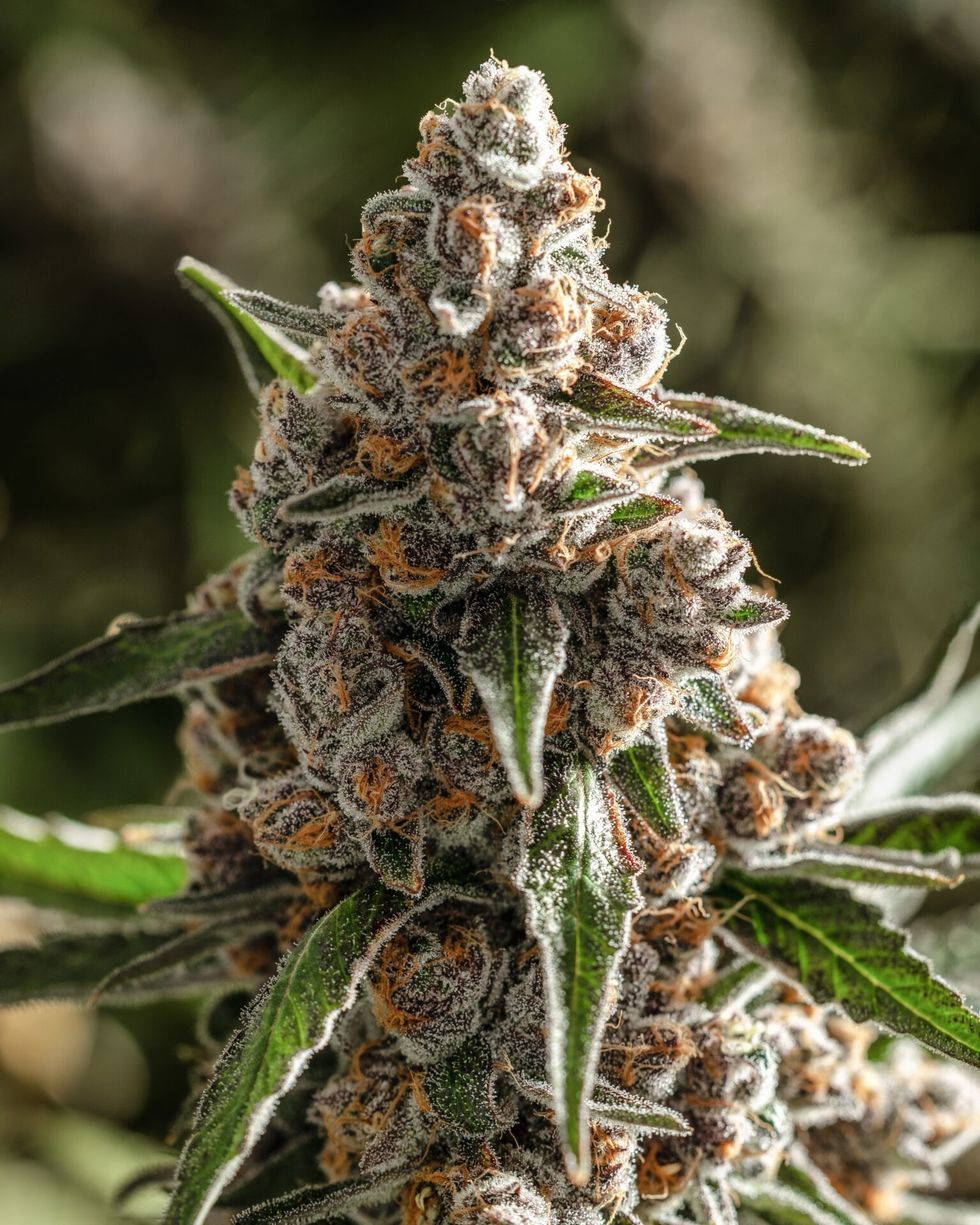
Super Boof: 2024 Strain of the Year

Super Boof Strain: 2024 Strain of the Year - The Bluntness
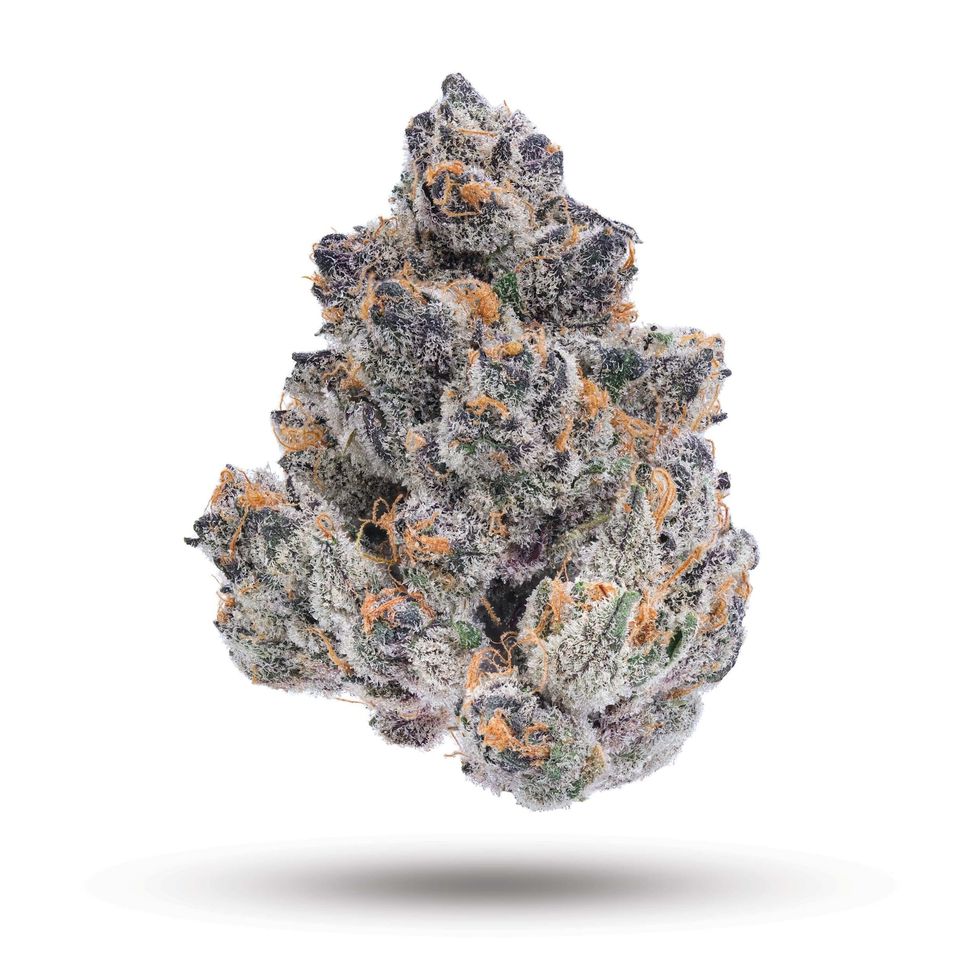
2024's Top Strain: Super Boof

Super Boof at a Glance

What You're GettingThe Details
Hybrid TypeBalanced 50/50 hybrid
THC RangeMid to high 20s% (some batches push 30%+)
CBD ContentLess than 1%
Signature FlavorTangy orange, sweet cherry, nutty undertones
Key TerpenesLimonene, Myrcene, Caryophyllene
Primary EffectsGiggly, euphoric, focused, sociable
Ideal UseDaytime creativity through evening socializing
GeneticsBlack Cherry Punch × Tropicana Cookies
BreederBlockhead (San Diego)
Original NameBlockberry
Flowering Time8-10 weeks

The Accidental Phenomenon That Became Strain of the Year

Here's something most people don't realize about Super Boof: the name that eventually won Leafly's 2024 Strain of the Year wasn't even the breeder's original choice.

San Diego cultivator Blockhead created this Black Cherry Punch and Tropicana Cookies cross as "Blockberry" - a straightforward nod to his breeding handle and the cherry genetics. But as cuts circulated through California's cannabis community, "Super Boof" caught on instead. The internet loves what the internet loves, and sometimes a less refined name just sticks.

Keep ReadingShow less
THC comes with more misconceptions than just about any other chemical compound.

What is THC? Your In-Depth Guide

Cannabis is one of the most popular natural medicines and intoxicating substances in history. 

Well-known for its ability to produce a psychoactive “high”, the plant has earned a reputation for itself thanks for its ability to alter consciousness and promote a calm sense of wellness and wellbeing. 

Keep ReadingShow less
If the THCV cannabinoid can really help with obesity and diabetes, what are we waiting for?

THCV? This Cannabinoid Could Help With Weight Loss and Diabetes

Most of us are familiar with cannabinoids like THC or CBD, but have you ever heard of THCV? Not a lot of research has been done on this novel cannabinoid quite yet, but researchers are already excited about its potential, specifically for people struggling with diabetes and weight issues. 

What is THCV?

Tetrahydrocannabivarin (a.k.a., THCV) is one of more than a hundred cannabinoids found within the cannabis plant, each with its own makeup and potential benefits to health and overall wellbeing.

Keep ReadingShow less
Rescheduling vs. Descheduling Marijuana

High Stakes: Rescheduling vs. Descheduling Marijuana – Navigating the New Drug War

In a recent and groundbreaking development just before the U.S. Labor Day weekend, the Department of Health and Human Services (HHS) called upon the Drug Enforcement Agency (DEA) to reassess marijuana's classification under the Controlled Substances Act

This unexpected move sent shockwaves through the cannabis industry, igniting a fervent debate that could reshape the landscape of federal marijuana regulation in the United States.

Keep ReadingShow less
The vast number of different cannabis varieties are a real treat but can be overwhelming to newcomers.
Photo by Jeff W on Unsplash

Different Strains of Weed: How Many Are There?

Sour Diesel. Purple Kush. Amnesia Haze. If you’re a fan of cannabis, you’ve probably noticed that there are many different types to choose from, and most of them have funny names. And yes—they are all different. But, what makes them different, exactly? And how many marijuana strains are there, really? Well, let’s find out. 

What Are Cannabis Strains?

In popular culture, different cannabis cultivars are referred to as “strains.” Each individual strain is a cannabis variety that has been bred for its specific characteristics by a cannabis breeder. So, Granddaddy Purple is a strain. Harlequin is another strain. The former is a sleepy strain that produces a high percentage of the psychoactive tetrahydrocannabinol (THC). The latter is a mellow flower that produces both THC and cannabidiol (CBD). The plants both have different lineages and different characteristics. Hence, they are different strains. 

But, the word “strain” comes with a fair share of controversy. From a scientific perspective, referring to cannabis varieties as “strains” makes very little sense. And yet, “strain” is the word that remains in popular culture. The difference is mainly semantic—in the world of botany, different plant varieties are called cultivars, not strains. The word “strains” is usually reserved for bacteria and viruses, not plants. 

Keep ReadingShow less